Before traveling to New Zealand, you should understand the country's visa and entry requirements to avoid unexpected issues at the border. Entry rules depend on your nationality, the purpose of your visit, and the length of your stay. If your journey includes a cruise stop in New Zealand, many travelers also explore local destinations through New Zealand shore excursions guided by Shore Excursions Asia.
Who Requires a Visa to Enter New Zealand?
Entry eligibility varies based on your nationality, the nature of your visit, and how long you intend to stay. Some travelers enjoy visa-free access, while others must secure authorization ahead of departure.
1.Visa Waiver Countries
Citizens of visa waiver nations may enter New Zealand for short stays, typically up to three months, without a traditional visa. However, they are still required to obtain an NZeTA (New Zealand Electronic Travel Authority) prior to arrival.
Countries whose citizens qualify for this arrangement include:
- United States, Canada, United Kingdom
- Germany, France
- Japan, South Korea, Singapore
Please note: Even travelers from visa waiver countries must apply for an NZeTA and pay the International Visitor Conservation and Tourism Levy (IVL) before traveling.
2.Non-Visa Waiver Countries
Nationals from countries outside New Zealand's visa waiver program must apply for a Visitor Visa before departure, regardless of how brief their stay may be. This includes citizens of:
- India, China, Philippines
- Vietnam, South Africa, Pakistan
3.Australian Citizens and Permanent Residents
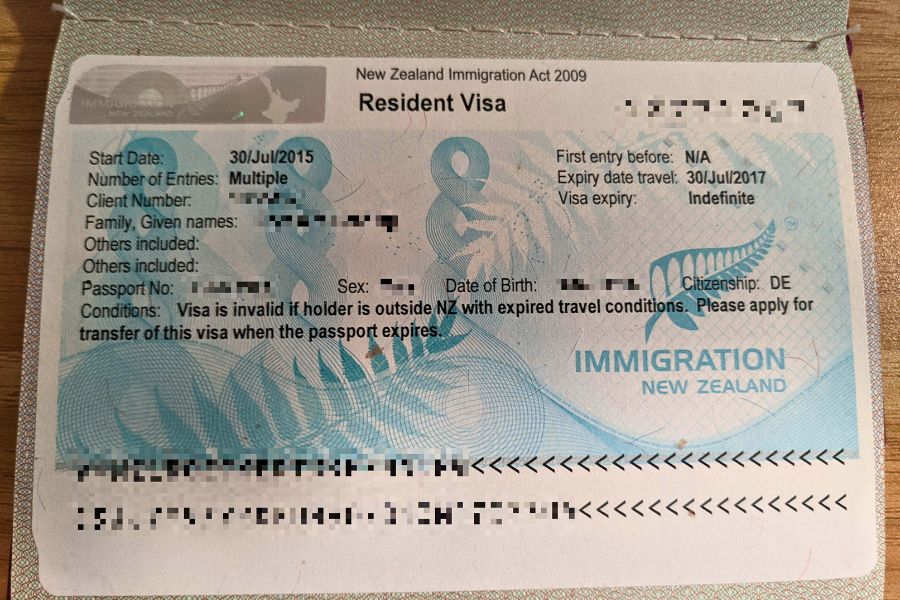
Australian passport holders and permanent residents benefit from a unique arrangement under New Zealand immigration law. No advance visa application is required. Upon arrival, eligible Australians are automatically granted a New Zealand Resident Visa, permitting an indefinite stay.
That said, travelers must still satisfy standard health, character, and security assessments at the border. Immigration officers may inquire about travel purpose, onward itineraries, and any prior criminal history. Note that access to certain public services or benefits may depend on individual residency status and length of stay.
What Is the NZeTA?
Introduced in 2019, the New Zealand Electronic Travel Authority (NZeTA) is a mandatory electronic pre-clearance for visitors from visa waiver countries and cruise ship passengers. While it is not classified as a visa, it is a compulsory entry requirement that strengthens border security and streamlines arrival processing.
Who Needs an NZeTA?
You are required to hold an approved NZeTA if you:
- Hold citizenship in a visa waiver country and are visiting for a short stay
- Are transiting through New Zealand en route to another destination
- Are arriving by cruise ship, regardless of nationality, unless you already hold a valid New Zealand visa
Airlines and cruise operators may deny boarding to travelers who have not secured an approved NZeTA in advance.
How to Apply for an NZeTA?
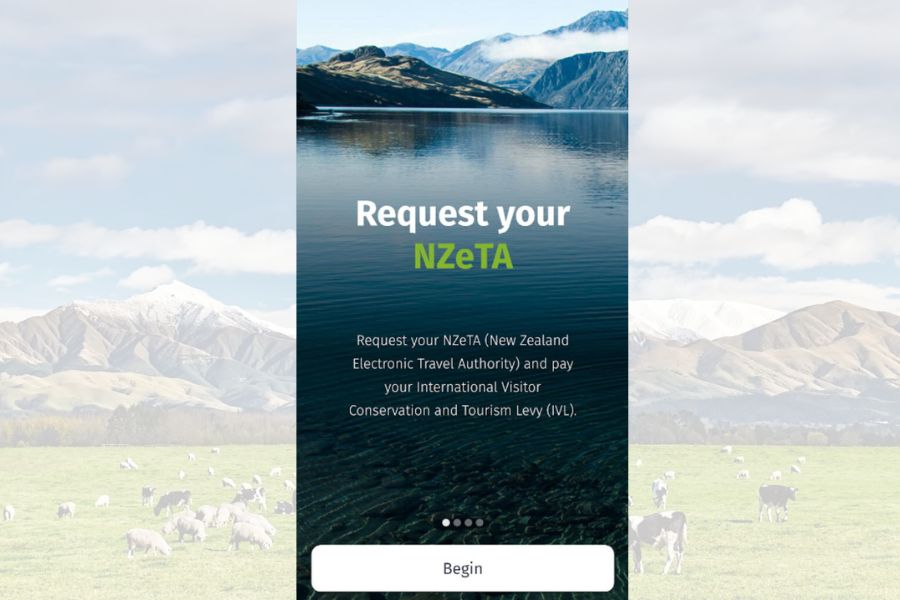
The application process is entirely online and straightforward:
- Online: via the official Immigration New Zealand website
- Mobile: through the NZETA app (available on Android and iOS)
Most applications are processed within 72 hours, though applying at least one week before departure is strongly advised.
Associated fees:
- NZeTA fee: NZD $17 (via app) or NZD $23 (online)
- International Visitor Conservation and Tourism Levy (IVL): NZD $100
Types of New Zealand Visas
New Zealand offers a structured range of visa categories to accommodate different travel purposes and durations.
1.Visitor Visa
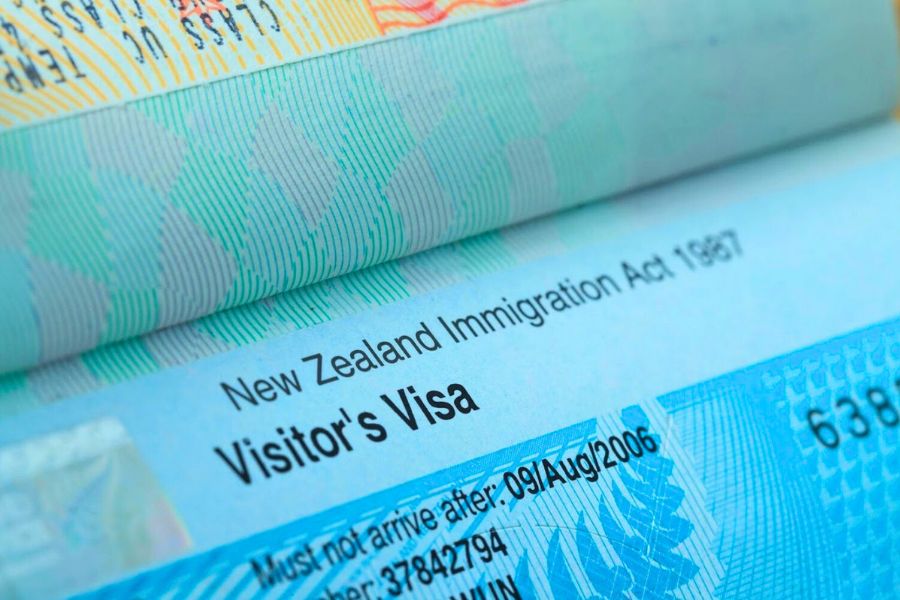
The Visitor Visa is the standard entry permit for tourists, those visiting friends or family, and travelers attending short-term business engagements such as conferences or meetings. Employment is not permitted under this visa.
- Validity: 6 months (multiple entry) or 9 months (single entry)
- Study of up to 3 months is permitted
Key requirements include:
- Proof of onward or return travel
- Evidence of adequate financial resources (approximately NZD $1,000 per month, or NZD $400 per month if accommodation is prepaid)
- Satisfactory health and character assessments
2.Working Holiday Visa
Designed for younger travelers seeking to combine exploration with short-term employment, the Working Holiday Visa permits temporary work in sectors such as hospitality, agriculture, and tourism.
- Eligible age: 18 to 30 years old (or up to 35 for select nationalities)
- Duration: Typically 12 months; up to 23 months for UK and Canadian citizens
- Popular among travelers from the UK, Canada, Germany, Japan, and Argentina
3.Student Visa
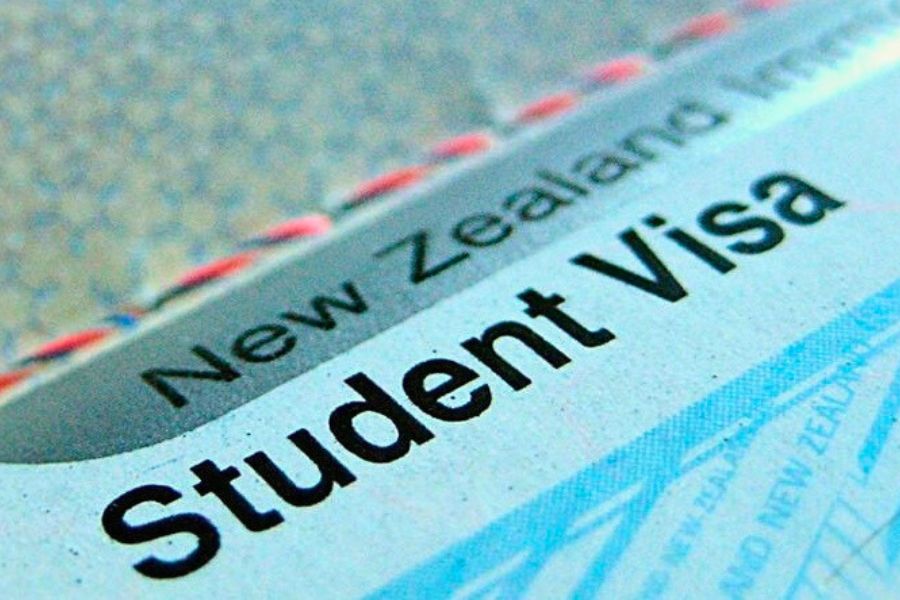
The Student Visa is issued to international students enrolling in programs exceeding three months in duration. It grants permission to remain in New Zealand for the full course length.
- Part-time work permitted (up to 20 hours per week)
- Enrollment must be at an approved New Zealand institution
Requirements include:
- A formal Offer of Place from a recognized education provider
- Proof of financial capacity for tuition and living costs
- Valid medical and travel insurance
- Evidence of good health and character
4.Work Visa

For those seeking employment beyond a short-term visit, several Work Visa pathways are available:
- Accredited Employer Work Visa (AEWV): For workers with confirmed job offers from accredited employers
- Post-Study Work Visa: For graduates completing studies in New Zealand
- Specific Purpose Work Visa: For short-term, specialized professional roles
Requirements typically include verified skills, relevant experience, employer accreditation, and compliance with health and character standards.
5.Resident Visa
The Resident Visa is the pathway to permanent settlement in New Zealand, offering long-term work rights and access to public services.
Common residence categories include:
- Skilled Migrant Category: Based on qualifications, work experience, and employment
- Family Sponsorship: For partners, dependent children, or parents of New Zealand residents or citizens
- Investor and Entrepreneur Visas: For individuals making significant financial or business contributions
Eligibility generally requires:
- Proof of English language proficiency
- Meeting health and character standards
- A points-based assessment for skilled migrants
How to Apply for a New Zealand Visa?
The application process can be navigated smoothly by following these steps:
Step 1: Choose the Appropriate Visa
Visit the Immigration New Zealand website to determine which visa category best matches your travel purpose, whether tourism, study, employment, or residency.
Step 2: Prepare the Required Documents
Applicants generally need to provide:
- A valid passport
- Recent passport photographs
- Proof of financial resources
- Return or onward travel tickets
- Health insurance (especially for long stays or student visas)
Step 3: Submit the Application Online
Most visa applications can be submitted through the official Immigration New Zealand online portal. Travelers must complete the application form, upload supporting documents, and pay the applicable visa fee.
Step 4: Wait for Processing
Processing time depends on the visa type:
- NZeTA: approximately 72 hours
- Visitor Visa: about 15–30 days
- Student or Work Visa: several weeks depending on the application
Step 5: Prepare for Travel
Before departure, ensure that your passport remains valid for at least three months beyond your intended departure date from New Zealand.
Entry Requirements Upon Arrival
Beyond visa authorization, all travelers must be prepared to satisfy New Zealand's border requirements on arrival. These apply to all visitors regardless of nationality or visa type.
Information Immigration Officers May Request
At passport control, you may be asked to provide:
- Purpose of visit: Tourism, business meetings, visiting family, study, or work, along with details about planned activities during your stay
- Accommodation details: Hotel bookings, rental confirmations, or host contact information including address and phone number
- Financial evidence: Bank statements, credit cards, or cash demonstrating your ability to fund your stay
- Proof of departure: Return flight ticket or onward travel itinerary if transiting
Responding clearly and honestly facilitates a smooth and efficient entry experience.
New Zealand's Biosecurity Standards
New Zealand enforces some of the world's most rigorous biosecurity regulations, designed to safeguard its exceptional natural environment and agricultural sector. All arriving travelers must complete a declaration form and honestly disclose any of the following items if carried:
- Food items
- Plants or seeds
- Animal products
- Outdoor or adventure equipment such as hiking boots or camping tents
Failure to declare restricted items may result in substantial fines or, in serious cases, denial of entry. The country takes biosecurity very seriously to protect its unique environment and agriculture from harmful pests and diseases.
Health and COVID-19 Considerations (2025)
As of early 2025, international COVID-19 travel restrictions have largely been lifted. Nonetheless:
- Travel insurance is strongly recommended for all visitors
- Certain visa categories may still require a medical examination
- Travelers are advised to consult the official New Zealand COVID-19 travel page for any updated health guidance
New Zealand Visa Requirements FAQs
Travelers often have additional questions about New Zealand visa requirements, transit rules, and entry conditions. Below are answers to some of the most common questions international visitors ask before planning their trip to New Zealand.
Do I need authorization if I am only transiting through New Zealand?
In most cases, yes. Visa waiver travelers typically require an NZeTA for transit, while non-waiver nationals may need a Transit Visa unless an exemption applies.
What distinguishes a visa from an NZeTA?
A visa is formal authorization for entry and stay in New Zealand for a defined purpose such as tourism, study, or work. An NZeTA is a travel pre-clearance required for visa waiver travelers and cruise passengers. It is faster to obtain, but equally mandatory.
How much money must I demonstrate for a Visitor Visa?
You will generally need to show evidence of at least NZD $1,000 per month, or NZD $400 per month if accommodation has been pre-booked. Proof of return or onward travel is also required.
What happens if my visa application is declined?
Immigration New Zealand will outline the reasons for refusal. Depending on your situation, you may reapply with stronger supporting documentation or take steps to address the concerns identified in the refusal letter.
Do cruise passengers need an NZeTA?
Yes. Cruise ship passengers of all nationalities are required to hold either a valid visa or an approved NZeTA before arrival in New Zealand, regardless of nationality, unless a valid New Zealand visa is already held.
Can I disembark during a cruise port call without prior authorization?
No. Immigration officers will verify your visa or NZeTA status before permitting disembarkation. Travelers without valid entry authorization may be required to remain aboard the vessel.