
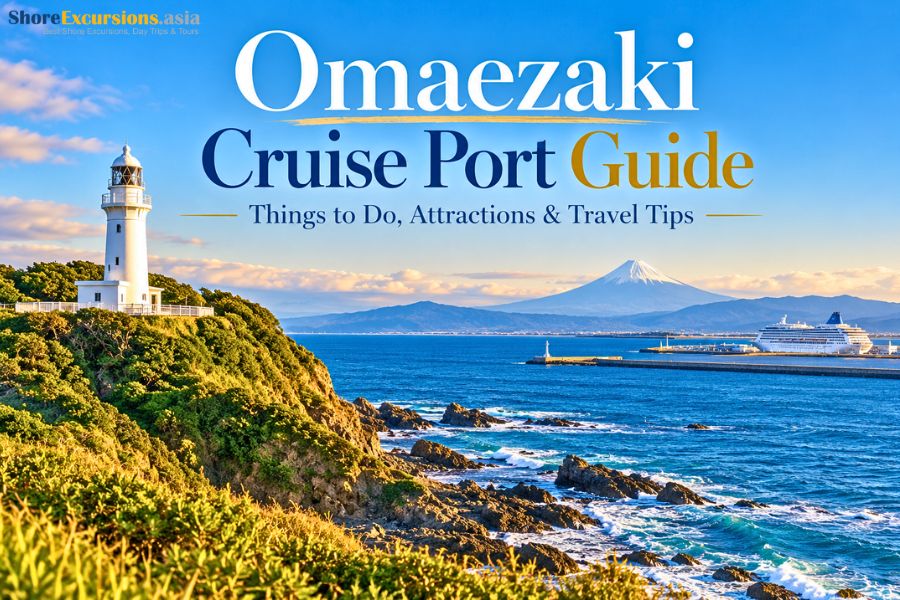
Located along the Pacific coast of Shizuoka Prefecture, Omaezaki is a peaceful Japanese cruise destination known for its sweeping ocean views, historic lighthouse, traditional fishing culture, and beautiful green tea plantations. The region offers a refreshing alternative to Japan's busy metropolitan ports, allowing visitors to discover coastal landscapes and local traditions in a more relaxed setting.
For cruise passengers, Omaezaki provides an excellent opportunity to experience the famous tea culture of Shizuoka. Beyond the waterfront, the rolling plantations of Makinohara, traditional tea museums, and historical landmarks reveal an important part of Japan's agricultural and cultural heritage.
This Omaezaki Cruise Port Guide provides everything you need to plan your time ashore, including cruise terminal information, transportation options, the best things to do in Omaezaki, recommended sightseeing itineraries, local food, and practical travel tips.
Travelers interested in a guided experience can explore Shore Excursions Asia and discover our selection of Omaezaki shore excursions. Our sightseeing experiences are arranged around cruise ship schedules and introduce visitors to the cultural heritage and scenic landscapes of Shizuoka Prefecture.
Where Is Omaezaki Cruise Port Located?
Omaezaki is a coastal city at the southernmost point of Shizuoka Prefecture, in central Japan. The city occupies a prominent headland overlooking the Pacific Ocean, near the entrance to Suruga Bay.
The surrounding region is characterized by dramatic coastal scenery, fishing communities, agricultural landscapes, and extensive tea plantations.
Unlike the major cities of Yokohama and Kobe, Omaezaki offers a quieter atmosphere and a close connection to the traditional industries that have shaped life along Japan's Pacific coast.
Omaezaki Cruise Port also provides access to several attractions beyond the immediate harbor area, including:
- Omaezaki Lighthouse: A historic coastal landmark offering panoramic views of the Pacific Ocean.
- Omaezaki Cape Park: A scenic coastal area with walking paths and ocean viewpoints.
- Makinohara Green Tea Plantations: Expansive tea fields covering the rolling hills of Shizuoka.
- Fujinokuni Cha no Miyako Museum: A cultural museum introducing Japanese tea history and traditions.
- Horaibashi Bridge: A remarkable historic wooden pedestrian bridge crossing the Oi River.
- Hamaoka Sand Dunes: A natural coastal landscape shaped by wind and ocean currents.
- Marine Park Omaezaki: A waterfront recreation area offering open spaces and seaside scenery.
These attractions make Omaezaki an appealing destination for travelers interested in Japanese nature, local culture, photography, and traditional craftsmanship.
Where Do Cruise Ships Dock in Omaezaki?
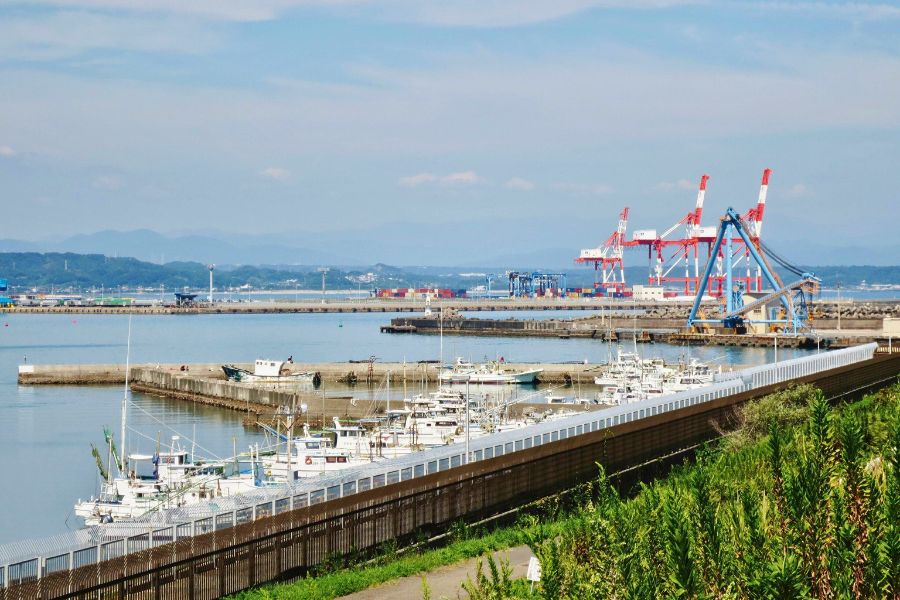
International cruise ships visiting Omaezaki generally dock at Omaezaki Port, an important commercial harbor serving the coastal area of Shizuoka Prefecture.
The port lies near the southern edge of the city and is primarily used for maritime trade, cargo transportation, and other commercial activities.
Unlike cruise terminals located directly beside major tourist districts, Omaezaki's berthing areas are part of an operational port environment. Most sightseeing attractions require transportation from the ship.
Omaezaki West Wharf Cruise Berth
West Wharf is a principal berthing area for cruise ships visiting Omaezaki. The port has facilities capable of accommodating large international vessels, including ships sailing on Japan itineraries.
Cruise vessels commonly use the western wharf area, although the precise berth can vary according to the ship and operational arrangements.
Passengers generally disembark directly onto the pier rather than using tender boats. However, individual cruise arrangements should always be confirmed before arrival.
As the surrounding area functions as a commercial port, visitors should follow designated passenger routes and any instructions provided by their cruise line or local port staff.
Is Omaezaki Cruise Port Within Walking Distance of Attractions?
Omaezaki is not a particularly convenient destination for exploring entirely on foot from the cruise berth.
Some coastal attractions are relatively close to the harbor, but walking access can be restricted by port operations, road layouts, and the absence of pedestrian routes.
Visitors planning to explore Omaezaki Lighthouse, local seafood markets, or the surrounding coastline should confirm shuttle availability or arrange transportation.
The Makinohara tea plantations, tea museums, and historic attractions farther inland require longer vehicle journeys.
Approximate Travel Times from Omaezaki Cruise Port
| Destination | Approximate Travel Time |
|---|---|
| Marine Park Omaezaki | 5 to 10 minutes by car |
| Omaezaki Lighthouse and Cape | 10 to 20 minutes by car |
| Hamaoka Sand Dunes | 15 to 25 minutes by car |
| Makinohara Tea Plantation Area | 25 to 40 minutes by car |
| Fujinokuni Cha no Miyako Museum | 35 to 50 minutes by car |
| Horaibashi Bridge | 40 to 55 minutes by car |
| Kakegawa Castle | 40 to 55 minutes by car |
Travel times are approximate estimates from the Omaezaki port area. Actual journeys depend on the assigned berth, traffic conditions, and transportation arrangements.
How to Get Around from Omaezaki Cruise Port
Transportation is an important consideration when planning a visit to Omaezaki. The region's attractions are distributed between the coastline, tea growing areas, and historic towns farther inland.
For cruise passengers, choosing a suitable transportation arrangement helps maximize sightseeing time and reduces the risk of delays when returning to the ship.
Cruise Shuttle Services
Shuttle buses may be provided during certain cruise calls, connecting the port with designated local sightseeing areas.
These services can be convenient for visitors planning a short trip to the waterfront, local markets, or nearby attractions.
However, shuttle availability, routes, departure frequency, and return times depend on individual cruise arrangements.
Passengers should confirm these details with their cruise line before disembarking.
Public Transportation
Omaezaki does not have a railway station within the city, and regional transportation relies heavily on buses and road connections.
Nearby railway stations include Kikugawa, Kanaya, and Kakegawa, which connect the wider region with Japan's rail network.
Although public buses serve local communities, they may not provide convenient connections from the cruise berth to several tourist destinations within a limited port call.
Independent travelers should carefully check schedules and allow sufficient time for transfers.
Taxis and Private Transportation
Taxis may be useful for short journeys to coastal attractions such as Omaezaki Lighthouse and Marine Park Omaezaki.
For destinations farther inland, including Makinohara tea plantations and Horaibashi Bridge, private transportation is generally a more practical option.
An organized excursion also allows visitors to combine several attractions into a structured itinerary while accounting for the cruise ship's departure time.
Travelers interested in exploring the area's tea culture and coastal scenery can consider the Omaezaki Highlights with Green Tea Plantation and Cape Park Tour.
Best Things to Do in Omaezaki from the Cruise Port
Omaezaki offers a rewarding combination of natural scenery, cultural heritage, and traditional Japanese experiences. From the historic lighthouse to Shizuoka's celebrated tea plantations, there are several excellent attractions to consider during your cruise stop.
1. Visit Omaezaki Lighthouse
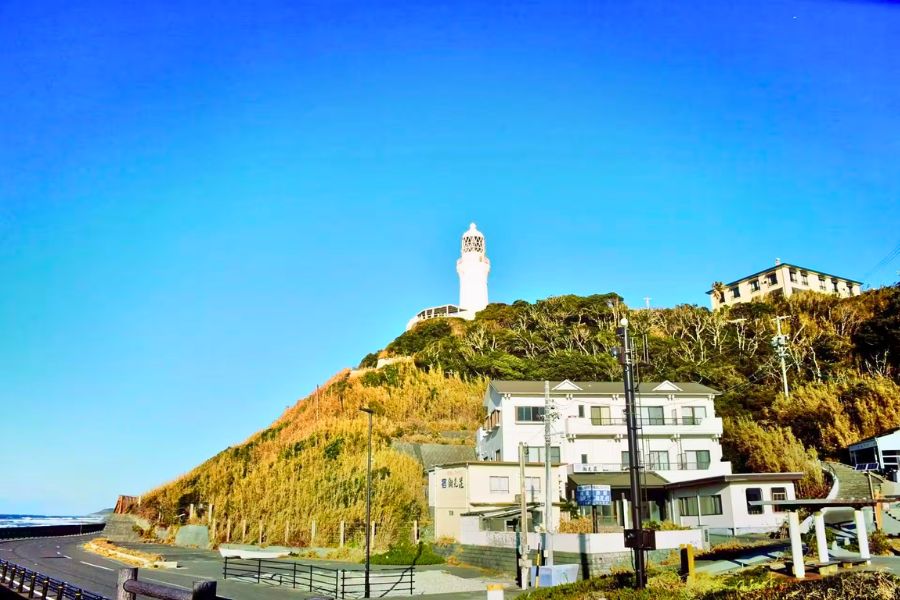
Omaezaki Lighthouse is one of the city's most recognizable landmarks and a highlight of sightseeing along the Shizuoka coastline.
Standing on a headland overlooking the Pacific Ocean, the white lighthouse has guided vessels navigating the waters near Suruga Bay since the nineteenth century.
The present lighthouse was completed in 1874 and reflects an important period in the modernization of Japan's maritime infrastructure.
Its elevated position offers beautiful views of the surrounding coastline and the vast Pacific Ocean.
On clear days, visitors can admire the contrast between the white lighthouse, coastal greenery, rocky shoreline, and deep blue sea.
The area surrounding the lighthouse is particularly appealing for photography and a relaxing walk.
Visitors interested in climbing the lighthouse should confirm access conditions and operating hours in advance, as entry may be restricted during strong winds or maintenance.
Recommended visiting time: 30 to 45 minutes.
Best for: Coastal scenery, maritime history, and photography.
2. Explore Omaezaki Cape Park
Located near the lighthouse, Omaezaki Cape Park is an attractive coastal area offering open ocean views and a peaceful setting.
The cape forms part of a scenic headland where visitors can appreciate the natural beauty of Shizuoka's southern coastline.
Walking paths and viewpoints provide opportunities to admire the rugged shoreline, passing ships, and changing colors of the Pacific Ocean.
Depending on the weather, the area can be pleasantly breezy, creating a refreshing atmosphere for outdoor sightseeing.
A visit to the cape works especially well when combined with Omaezaki Lighthouse, as the two attractions are located close to one another.
Recommended visiting time: 30 to 45 minutes.
Best for: Nature lovers, scenic walks, and coastal photography.
3. Discover Makinohara Green Tea Plantations
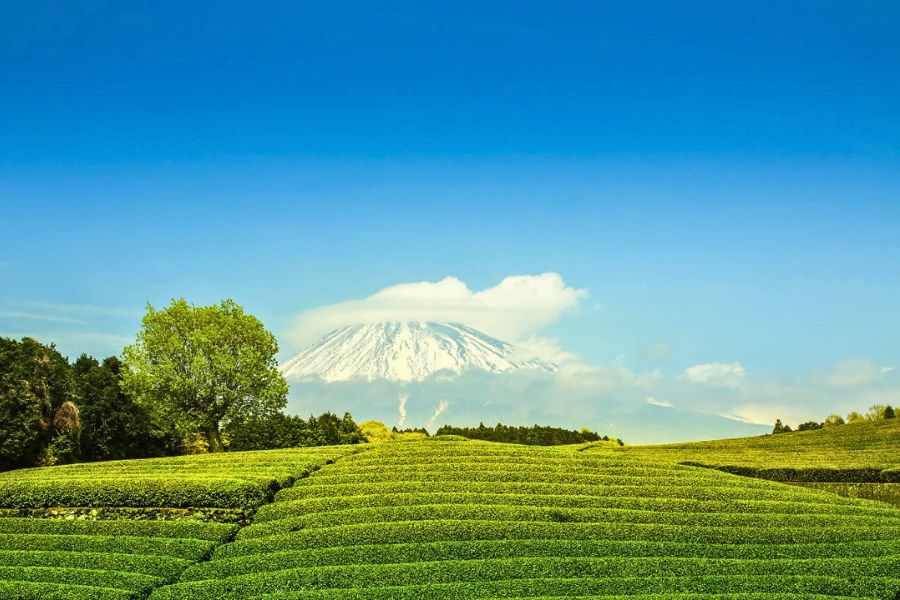
One of the most distinctive experiences accessible from Omaezaki Cruise Port is a visit to the Makinohara Green Tea Plantations.
Shizuoka Prefecture is among Japan's most important tea producing regions, and the Makinohara Plateau is particularly famous for its extensive fields of green tea.
The gently rolling hills are covered with carefully cultivated tea bushes, creating beautiful patterns across the landscape.
These plantations provide an excellent introduction to Japanese agriculture and the traditions surrounding tea production.
Visitors can admire the tea fields, learn about the cultivation process, and discover how tea has influenced the region's economy and identity.
In suitable seasons, some local facilities offer opportunities to observe or participate in tea picking activities.
Tea harvesting experiences depend on seasonal conditions and individual operators, so they should not be assumed to be available throughout the year.
For photography enthusiasts, the plantations are especially appealing during periods when the tea bushes display their fresh green growth.
Recommended visiting time: 45 to 60 minutes for sightseeing and photography.
Best for: Japanese culture, agricultural landscapes, and traditional tea experiences.
4. Visit Fujinokuni Cha no Miyako Museum
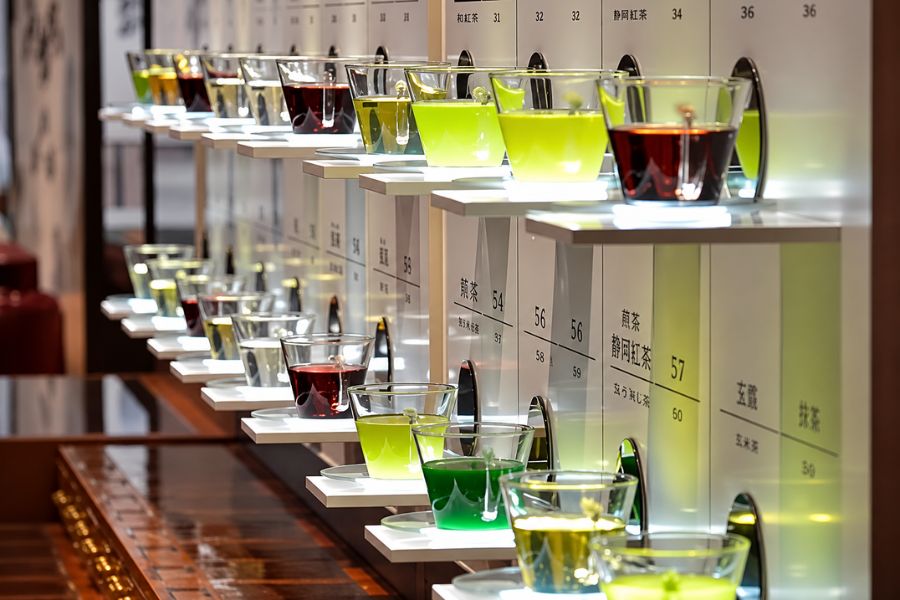
For travelers interested in Japanese tea culture, Fujinokuni Cha no Miyako Museum is one of the most rewarding attractions in the region.
Located in the Makinohara area, the museum introduces visitors to the history, production, and cultural significance of tea in Japan and around the world.
Its exhibitions explore the development of tea cultivation, traditional processing methods, and the role of tea in everyday Japanese life.
Visitors can discover how different varieties of tea are produced and how their flavors are influenced by cultivation and preparation techniques.
Depending on the museum's current program, cultural activities may include tea tasting or traditional tea ceremony experiences.
These experiences offer an opportunity to appreciate the attention to detail and hospitality associated with Japanese tea traditions.
The museum's location also provides access to the surrounding green tea landscapes, making it a natural addition to a Makinohara sightseeing itinerary.
Recommended visiting time: 60 to 90 minutes.
Best for: Cultural experiences, Japanese tea traditions, and educational sightseeing.
5. Walk Across the Historic Horaibashi Bridge
Horaibashi Bridge is one of Shizuoka Prefecture's most unusual historical landmarks.
Crossing the Oi River in Shimada City, this long wooden pedestrian bridge provides a fascinating connection to the region's past.
Originally completed in 1879, the bridge was constructed to support travel between Shimada and the newly developed agricultural lands of Makinohara.
Stretching approximately 897 meters across the river, Horaibashi is recognized as the world's longest wooden pedestrian bridge.
Its traditional appearance, repeating wooden supports, and expansive river setting make it a popular attraction for photography and cultural sightseeing.
Walking across the bridge provides an opportunity to appreciate traditional Japanese engineering while enjoying views of the river and surrounding countryside.
The bridge is also associated with the history of Makinohara's tea plantation development, making it particularly meaningful when combined with a visit to the tea fields.
Recommended visiting time: 30 to 45 minutes, depending on walking distance.
Best for: History enthusiasts, architecture, and photography.
Cruise tip: Visitors with limited mobility may prefer to explore a shorter section of the bridge rather than attempting the entire crossing.
6. Explore Hamaoka Sand Dunes
Located along the Enshu coastline, Hamaoka Sand Dunes offer a different perspective on Omaezaki's natural environment.
These coastal dunes have been shaped by the interaction of wind, sand, and ocean currents over time.
The landscape features broad sandy areas, coastal vegetation, and views toward the Pacific Ocean.
Unlike the manicured tea plantations farther inland, the dunes provide a more rugged natural setting where visitors can appreciate the forces that shape Japan's coastline.
The area is also associated with coastal wildlife and conservation efforts, including the protection of sea turtle nesting habitats.
Visitors should respect protected areas and avoid disturbing local wildlife.
Because the dunes are exposed to coastal winds, comfortable walking shoes and suitable clothing are recommended.
Recommended visiting time: 30 to 45 minutes.
Best for: Coastal landscapes, nature photography, and outdoor sightseeing.
7. Relax at Marine Park Omaezaki
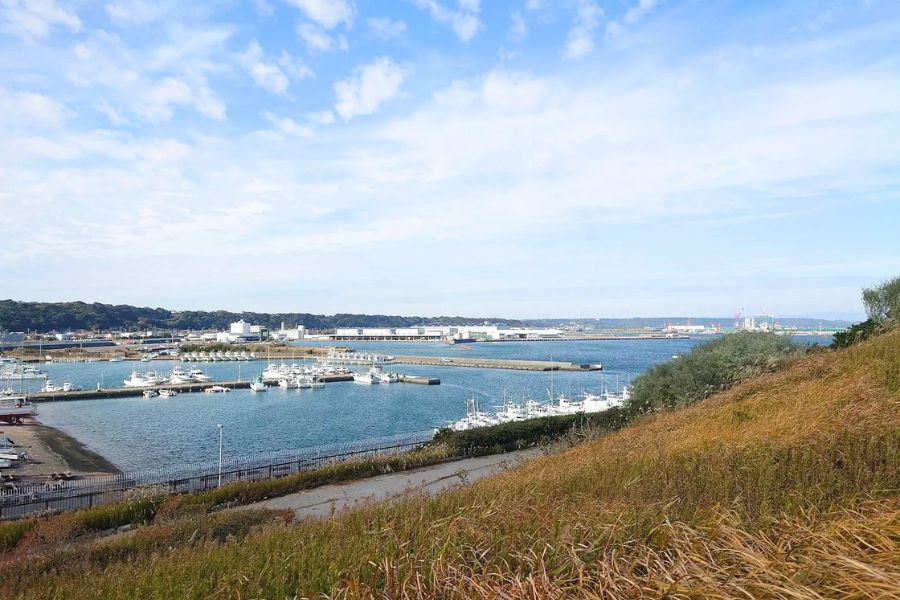
Marine Park Omaezaki is a waterfront recreation area offering a pleasant setting for visitors who prefer to stay close to the port.
The park features open spaces, coastal scenery, and places to enjoy the surrounding maritime environment.
Its location near the harbor makes it a convenient option for shorter sightseeing periods when suitable transportation is available.
Visitors can enjoy a relaxed stroll, take photographs of the coast, or appreciate the atmosphere of this working seaside community.
Compared with the longer journeys required to reach Makinohara or Shimada, Marine Park Omaezaki offers a simpler introduction to the region.
Recommended visiting time: 30 to 45 minutes.
Best for: Relaxed sightseeing, families, and coastal scenery.
8. Discover Kakegawa Castle
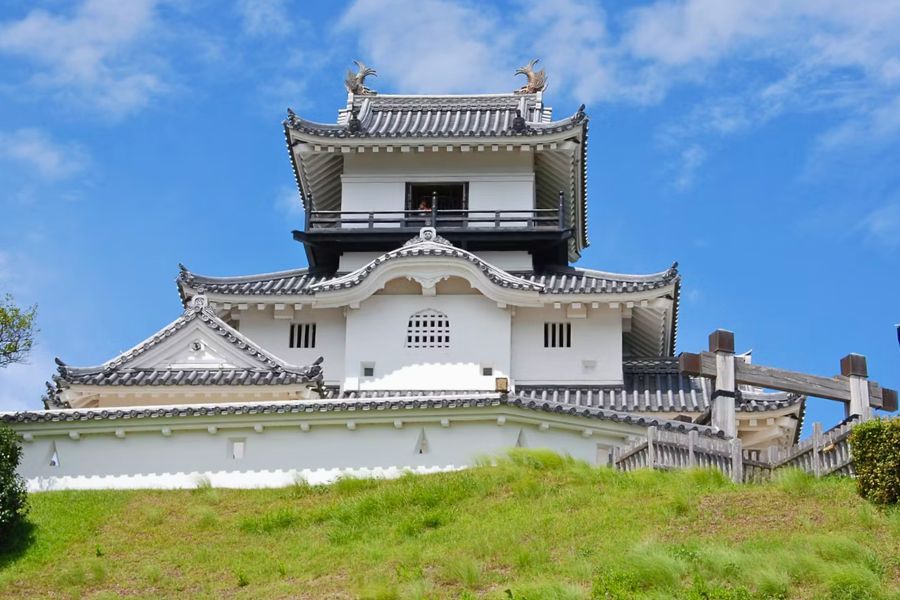
Travelers interested in traditional Japanese architecture may consider visiting Kakegawa Castle, located farther inland in Kakegawa City.
The castle has a long history associated with the feudal period and the development of the surrounding region.
Its reconstructed main keep and historic grounds provide insight into the architectural traditions of Japanese castles.
Visitors can explore the castle area, appreciate its traditional appearance, and learn about the role of Kakegawa as an important historic settlement.
The nearby Ninomaru Palace is another notable attraction, preserving aspects of the administrative and residential spaces associated with the castle's history.
Kakegawa Castle is best suited to travelers with longer port calls or those who prefer a history focused alternative to visiting the tea plantations and coastal attractions.
Recommended visiting time: 60 to 90 minutes.
Best for: Japanese history, castle architecture, and cultural sightseeing.
Discover Shizuoka's Famous Green Tea Culture
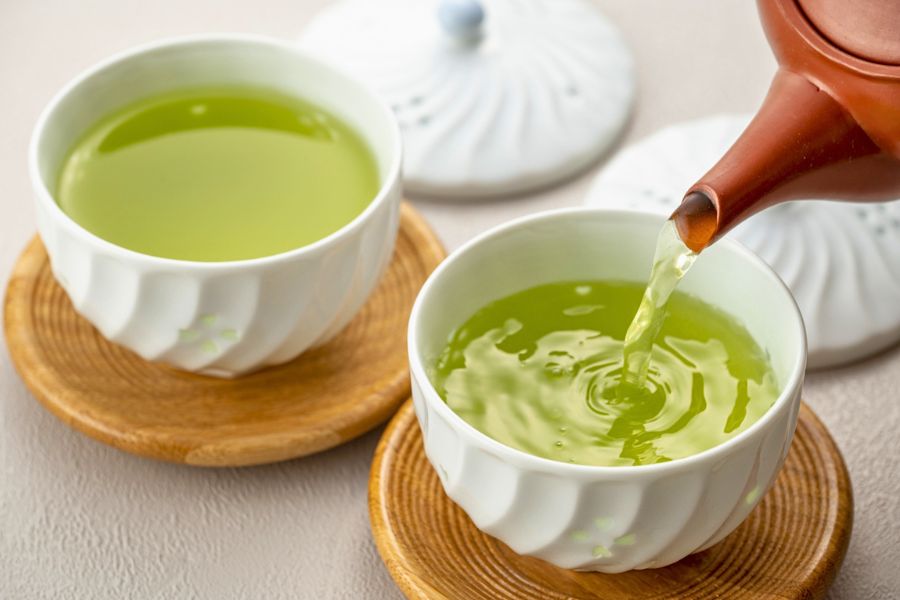
Green tea is one of the defining features of Shizuoka Prefecture, and the agricultural landscapes around Makinohara offer cruise passengers an opportunity to understand this important part of Japanese culture.
Tea production has shaped local communities for generations, influencing agriculture, trade, craftsmanship, and daily customs.
Today, Shizuoka remains one of Japan's leading regions for green tea cultivation, and its tea heritage attracts visitors interested in traditional Japanese experiences.
Why Is Makinohara Famous for Green Tea?
The Makinohara Plateau is known for its extensive tea plantations and favorable growing conditions.
The landscape, climate, and agricultural development of the region have contributed to its reputation as an important center of Japanese tea production.
The plateau's transformation into a major tea growing area accelerated during the nineteenth century, particularly following the end of Japan's feudal era.
Today, the fields provide both an important agricultural resource and a beautiful sightseeing destination.
What Can You Experience at a Green Tea Plantation?
A visit to the Makinohara tea area may include several different experiences, depending on the season and local arrangements.
- Tea Field Sightseeing: Admire the extensive plantations and the distinctive patterns formed by carefully cultivated tea bushes.
- Tea Production Education: Learn about cultivation, harvesting, steaming, rolling, and drying processes.
- Tea Tasting: Discover differences between Japanese green tea varieties and their preparation methods.
- Traditional Tea Culture: Explore the customs and etiquette associated with preparing and serving tea.
- Seasonal Tea Picking: Participate in harvesting activities when offered by local operators during suitable periods.
These activities provide a cultural experience that extends beyond ordinary sightseeing, introducing the relationship between Japanese agriculture and everyday traditions.
When Is the Best Time to See the Tea Plantations?
The Makinohara tea fields can be visited throughout the year, but their appearance changes with the seasons.
Spring is especially attractive because fresh tea leaves create vivid green landscapes. The first tea harvest typically begins during the spring months, with timing influenced by weather and local growing conditions.
Summer brings lush plantations, while autumn offers a quieter agricultural atmosphere.
Winter can provide clear views across the plateau, although the fields may appear less vibrant than during the main growing season.
For cruise passengers visiting in April, the developing spring tea season can be a particularly interesting time to explore Makinohara.
Can You Visit Makinohara Tea Plantations from Omaezaki Cruise Port?
Yes. The Makinohara Green Tea Plantations are accessible from Omaezaki Cruise Port and are among the most popular countryside attractions for visitors arriving by ship.
The journey to the Makinohara tea growing area generally takes approximately 25 to 40 minutes by car, depending on the specific destination and traffic conditions.
However, the tea region covers a broad area, and travel times vary between individual plantations, museums, and scenic viewpoints.
Is Public Transportation Convenient?
Public transportation is available in parts of the region, but traveling directly from the cruise berth to individual tea attractions can be complicated.
Bus routes may require additional connections, and services do not always align conveniently with cruise ship schedules.
Travelers with limited time may find private transportation more practical, particularly when combining the tea plantations with Horaibashi Bridge or the tea museum.
How Much Time Should You Allow?
A simple visit focused on the tea fields and photography may take approximately 45 to 60 minutes after arrival.
Visitors who want to explore a tea museum, enjoy a cultural activity, or visit several locations should allow additional time.
A combined countryside excursion involving the tea plantations, Horaibashi Bridge, and coastal attractions can occupy much of a cruise port day.
Recommended Omaezaki Green Tea Excursion
For visitors interested in both traditional tea culture and coastal sightseeing, the Omaezaki Highlights with Green Tea Plantation and Cape Park Tour offers a structured itinerary covering several of the region's important attractions.
The published itinerary includes Horaibashi Bridge, Makinohara tea plantations, the tea museum, Hamaoka Sand Dunes, and Omaezaki's coastal landmarks.
This combination provides a rewarding introduction to Shizuoka's agricultural heritage and natural landscapes.
Best Omaezaki Shore Excursions for Cruise Passengers
Omaezaki offers an excellent opportunity to experience Japan's traditional tea culture, beautiful countryside, and peaceful coastal scenery.
Unlike destinations centered around major urban landmarks, Omaezaki shore excursions focus on regional landscapes and the customs that have shaped local communities.
Omaezaki Highlights with Green Tea Plantation and Cape Park
The Omaezaki Highlights with Green Tea Plantation and Cape Park Tour is designed for cruise passengers interested in exploring Shizuoka's cultural and natural attractions.
This six hour excursion brings together several distinctive destinations:
- Horaibashi Bridge: Discover one of Japan's most remarkable historic wooden bridges.
- Makinohara Green Tea Plantation: Admire the rolling tea fields and learn about the area's agricultural traditions.
- Makinohara Park: Enjoy scenic views of the surrounding countryside.
- Fujinokuni Cha no Miyako Museum: Explore the history and cultural importance of Japanese tea.
- Hamaoka Sand Dunes: Experience a beautiful natural coastal landscape.
- Omaezaki Lighthouse and Cape Park: Appreciate panoramic views of the Pacific Ocean.
The tour includes a licensed guide and organized transportation, with an easy to moderate walking level.
It is particularly suitable for travelers who enjoy cultural experiences, traditional landscapes, and a comfortable sightseeing pace.
A shared departure is listed for HAL Westerdam on April 12, 2027, subject to availability and schedule changes.
Explore the itinerary, current availability, and booking details on our Omaezaki Highlights Tour page.
Private Omaezaki Shore Excursions
Private excursions are an appealing option for travelers who prefer a flexible itinerary or have specific sightseeing interests.
Depending on the duration of the cruise call, a personalized experience may concentrate on tea culture, scenic coastal attractions, historic landmarks, or local culinary traditions.
Families and senior travelers may also appreciate the flexibility of adjusting walking distances, sightseeing stops, and rest periods.
For additional options, explore our collection of Omaezaki shore excursions or browse other Japan shore excursions across the country's cruise destinations.
Suggested Omaezaki Cruise Port Itineraries
Selecting a suitable itinerary depends on the amount of time available ashore and the attractions that interest you most.
Because many destinations require vehicle transfers, it is important to plan realistically and reserve sufficient time to return to the cruise ship.
Half Day Itinerary: Omaezaki Coastal Highlights
Recommended sightseeing time: Approximately 3 to 4 hours, including local transfers.
- Omaezaki Lighthouse: Begin with a visit to the historic lighthouse and enjoy sweeping views of the Pacific Ocean.
- Omaezaki Cape Park: Explore nearby coastal viewpoints and appreciate the natural scenery of the headland.
- Local Seafood Market: Discover the area's fishing traditions and enjoy local seafood when shops and restaurants are open.
- Marine Park Omaezaki: Take a relaxing waterfront stroll before returning to the cruise ship.
This itinerary is particularly suitable for passengers with shorter port calls or travelers who prefer to minimize driving time.
Full Day Itinerary: Green Tea Heritage and Coastal Scenery
Recommended sightseeing time: Approximately 6 hours with organized transportation.
- Horaibashi Bridge: Explore the historic wooden bridge and learn about its connection to Makinohara's agricultural development.
- Makinohara Green Tea Plantations: Admire the beautiful tea fields and discover the importance of tea cultivation in Shizuoka.
- Fujinokuni Cha no Miyako Museum: Learn about Japanese tea history, production, and traditional tea culture.
- Hamaoka Sand Dunes: Enjoy a short visit to the scenic coastal dunes.
- Omaezaki Lighthouse and Cape Park: Complete your sightseeing with panoramic ocean views before returning to the port.
This itinerary brings together the region's most distinctive cultural and natural attractions.
The order and duration of individual stops may change according to road conditions, opening hours, and the ship's schedule.
For a professionally arranged sightseeing experience, consider the Omaezaki Highlights Tour.
Alternative Itinerary: Historic Shizuoka Countryside
Travelers interested in Japanese history may prefer an itinerary focused on the towns and cultural attractions located inland from Omaezaki.
- Kakegawa Castle: Discover the castle's historical significance and admire its traditional architecture.
- Ninomaru Palace: Explore an important surviving example of a Japanese feudal administrative residence.
- Makinohara Tea Fields: Enjoy views of the region's famous agricultural landscape.
- Local Tea Experience: Discover Shizuoka's tea traditions through a museum visit or tasting experience, subject to availability.
This alternative route is best suited to longer port calls and should be arranged with suitable transportation.
What to Eat in Omaezaki, Japan
Omaezaki's coastal location and agricultural surroundings have shaped a distinctive regional food culture.
Seafood plays an important role in local cuisine, while the surrounding tea producing areas contribute ingredients and flavors closely associated with Shizuoka Prefecture.
Katsuo: Fresh Bonito
Omaezaki is particularly associated with katsuo, or bonito, a fish widely enjoyed in Japanese cuisine.
Fresh bonito may be served as sashimi, lightly seared, or prepared in other traditional styles.
Local seafood restaurants often feature seasonal catches, making bonito an appealing choice for visitors interested in regional flavors.
Fresh Seafood and Sashimi
The coastal waters near Suruga Bay support a rich seafood culture, with fish and shellfish featured prominently in local cuisine.
Depending on the season and restaurant, visitors may find sashimi platters, seafood rice bowls, grilled fish, and other Japanese specialties.
Seafood markets and coastal restaurants provide a convenient opportunity to experience Omaezaki's fishing traditions.
Shizuoka Green Tea
No visit to the Omaezaki region is complete without discovering Shizuoka's famous green tea.
Local shops and cultural attractions offer opportunities to sample different varieties, including sencha and other Japanese green teas.
Visitors may also find tea flavored sweets, chocolates, and traditional confectionery.
Japanese Tea Desserts
Green tea is frequently incorporated into regional desserts, including cakes, ice cream, and traditional Japanese sweets.
These products are popular souvenirs and provide an enjoyable way to experience the region's agricultural identity.
Local Seasonal Specialties
In addition to seafood and green tea, restaurants around Shizuoka feature seasonal vegetables, rice dishes, and other Japanese specialties.
Menus may change throughout the year according to local ingredients and market availability.
Practical Travel Tips for Omaezaki Cruise Passengers
Confirm Your Ship's Assigned Berth
Omaezaki Port has several commercial berthing facilities, and the exact location assigned to your cruise ship may vary.
Always confirm your landing arrangements and any available shuttle services before planning independent sightseeing.
Arrange Transportation in Advance
Many attractions are located outside the immediate port area, and public transportation options may be limited.
Advance arrangements are particularly useful for visiting Makinohara, Horaibashi Bridge, and other inland destinations.
Check Seasonal Tea Experiences
Tea picking and related agricultural activities are seasonal.
Visitors should confirm operating dates and availability before expecting to participate in hands on experiences at tea plantations.
Prepare for Coastal Weather
Omaezaki's exposed coastal location can bring strong winds, even on otherwise pleasant days.
A light jacket and comfortable clothing are recommended for visiting the lighthouse, cape, and sand dunes.
Wear Comfortable Walking Shoes
Coastal viewpoints, historic bridges, museums, and tea plantations may involve walking on different surfaces.
Comfortable footwear is particularly important for passengers combining several attractions in one excursion.
Carry Japanese Yen
Although card payments are accepted at many establishments, some smaller shops and local services may prefer cash.
Carrying Japanese yen can make purchases at markets, traditional shops, and local attractions more convenient.
Check Attraction Opening Hours
Museums, historic sites, and lighthouse facilities may have seasonal schedules or occasional closures.
Visitors should confirm opening hours before planning a detailed sightseeing itinerary.
Allow Sufficient Time to Return to the Ship
Cruise passengers should always plan around the ship's final boarding time rather than its scheduled departure.
Road traffic, additional sightseeing stops, and unexpected delays can affect the return journey from inland attractions.
Organized transportation and a realistic itinerary can help reduce these concerns.
Is Omaezaki Worth Visiting on a Japan Cruise?
Absolutely. Omaezaki offers a distinctive experience that differs from Japan's major urban cruise destinations.
Rather than focusing on crowded shopping districts or famous metropolitan landmarks, the region introduces visitors to traditional agriculture, coastal landscapes, and the quieter side of Japanese life.
For travelers interested in local culture, the Makinohara tea plantations and Fujinokuni Cha no Miyako Museum provide valuable insight into Japan's tea traditions.
History enthusiasts can discover Horaibashi Bridge and Kakegawa Castle, while nature lovers can enjoy the scenic coastline, Omaezaki Lighthouse, and Hamaoka Sand Dunes.
The variety of attractions makes Omaezaki a rewarding stop for cruise passengers who appreciate authentic regional experiences.
With suitable transportation and careful planning, a single day ashore can provide a memorable introduction to Shizuoka Prefecture.
Frequently Asked Questions About Omaezaki Cruise Port
Where do cruise ships dock in Omaezaki, Japan?
International cruise ships generally dock at Omaezaki Port in Shizuoka Prefecture. West Wharf is a principal cruise berthing area, although the exact berth depends on the vessel and port arrangements.
Is Omaezaki Cruise Port within walking distance of attractions?
Some coastal destinations are relatively close to the port, but walking access from the commercial berth may be restricted or inconvenient. Most passengers should use shuttle transportation, taxis, or an organized excursion.
What are the best things to do in Omaezaki during a cruise stop?
Popular attractions include Omaezaki Lighthouse, Omaezaki Cape Park, Makinohara Green Tea Plantations, Fujinokuni Cha no Miyako Museum, Horaibashi Bridge, and Hamaoka Sand Dunes.
How far are the Makinohara Tea Plantations from Omaezaki Cruise Port?
The Makinohara tea growing area is generally approximately 25 to 40 minutes away by car, depending on the exact destination and traffic conditions.
Can you visit a tea plantation from Omaezaki Cruise Port?
Yes. Tea plantations around Makinohara are accessible from Omaezaki and are among the region's most popular countryside attractions. Private transportation or an organized excursion is recommended for visitors with limited time.
When is the best time to visit the tea plantations?
Spring is particularly attractive because fresh tea leaves create vivid green landscapes. Tea plantations can be visited throughout the year, although harvesting activities depend on the season and local conditions.
Can you see Mount Fuji from Omaezaki?
Mount Fuji may be visible from suitable viewpoints in the wider region on exceptionally clear days. However, visibility depends on weather conditions, atmospheric clarity, and the exact location.
Is Omaezaki suitable for senior cruise travelers?
Yes. Many of the region's coastal and cultural attractions can be enjoyed at a comfortable pace. Private transportation and carefully planned walking distances can make sightseeing more convenient for senior travelers.
Should I book an Omaezaki shore excursion in advance?
Advance booking is recommended for visitors planning to explore several attractions, particularly destinations located inland from the cruise port. Organized transportation can simplify logistics and help coordinate sightseeing with the ship's schedule.
Explore Omaezaki with Shore Excursions Asia
From the sweeping coastal views of Omaezaki Lighthouse to the beautiful green tea fields of Makinohara, Omaezaki offers a memorable introduction to the traditions and landscapes of Shizuoka Prefecture.
The region's combination of maritime heritage, tea culture, and peaceful countryside makes it an excellent destination for cruise passengers seeking meaningful experiences beyond Japan's major cities.
At Shore Excursions Asia, we organize private and small group sightseeing experiences designed around cruise ship schedules, with local guides, comfortable transportation, and carefully planned itineraries.
Explore our Omaezaki shore excursions and discover the Omaezaki Highlights with Green Tea Plantation and Cape Park Tour for an enjoyable introduction to the region.
Planning additional stops around Japan? Browse our complete collection of Japan shore excursions to discover more destinations and personalized sightseeing experiences.
Share your cruise ship name, sailing date, and preferred attractions with our team to explore suitable arrangements for your visit to Omaezaki.


 Send Inquiry