
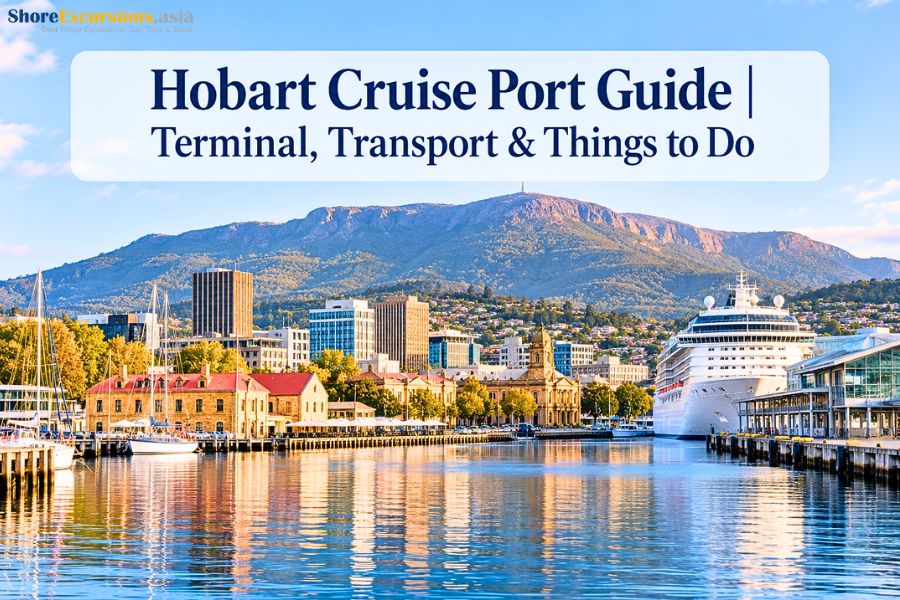
Hobart, the capital of Tasmania, is one of Australia's most charming cruise destinations, offering a fascinating combination of historic waterfront streets, spectacular mountain scenery, unique wildlife, and rich local culture. Situated along the Derwent River, this picturesque city provides an excellent introduction to Tasmania's natural beauty and colonial heritage.
For cruise passengers, Hobart is particularly convenient because the main cruise terminal is located close to the city center. Travelers can explore Salamanca Place, Battery Point, and the historic waterfront on foot. Longer excursions offer opportunities to visit kunanyi / Mount Wellington, wildlife sanctuaries, picturesque country towns, and remarkable museums.
This Hobart Cruise Port Guide covers everything you need to plan your day ashore, including terminal information, transportation options, the best things to do in Hobart, Tasmania, suggested sightseeing itineraries, local food, and practical travel tips for cruise visitors.
Travelers interested in exploring beyond the city can discover Shore Excursions Asia and our collection of Hobart shore excursions, featuring cultural sightseeing, Tasmanian wildlife, art experiences, and beautiful countryside destinations.
Where Is Hobart Cruise Port Located?
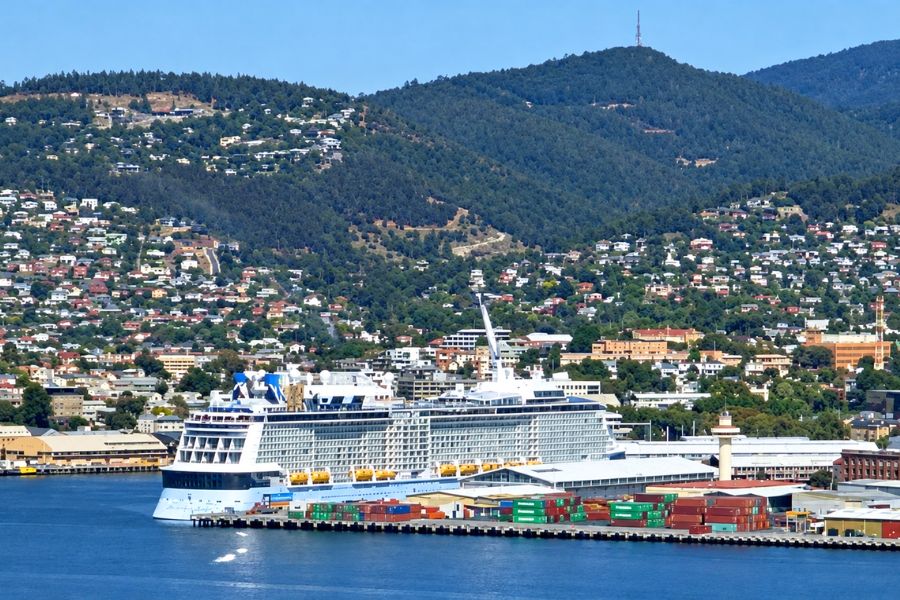
Hobart is located in southeastern Tasmania, Australia's island state, beside the Derwent River and beneath the dramatic slopes of kunanyi / Mount Wellington. Its sheltered harbor has played an important role in the city's development, connecting Tasmania with maritime trade, exploration, and travel.
The main cruise port is situated along the historic waterfront at Macquarie Wharf, within easy reach of central Hobart.
Unlike many cruise destinations where passengers must travel considerable distances to reach the main attractions, Hobart allows visitors to begin sightseeing soon after leaving the terminal.
The waterfront is home to historic sandstone buildings, seafood restaurants, galleries, and cultural landmarks. The surrounding city also provides convenient access to museums, gardens, and scenic viewpoints.
Popular attractions accessible from Hobart Cruise Port include:
- Salamanca Place: A historic waterfront district famous for its sandstone warehouses, cafés, galleries, and Saturday market.
- Battery Point: A picturesque neighborhood with historic cottages, narrow streets, and colonial architecture.
- Constitution Dock: A lively harbor area offering seafood dining and waterfront scenery.
- kunanyi / Mount Wellington: A spectacular mountain overlooking Hobart and the Derwent River.
- MONA: An extraordinary museum combining contemporary art with an unusual architectural setting.
- Royal Tasmanian Botanical Gardens: Peaceful gardens showcasing native and international plants.
- Bonorong Wildlife Sanctuary: A conservation center where visitors can learn about Tasmania's unique wildlife.
- Richmond: A charming historic village known for its Georgian architecture and stone bridge.
These destinations make Hobart an appealing cruise stop for visitors interested in history, local culture, wildlife, art, and nature.
Where Do Cruise Ships Dock in Hobart?
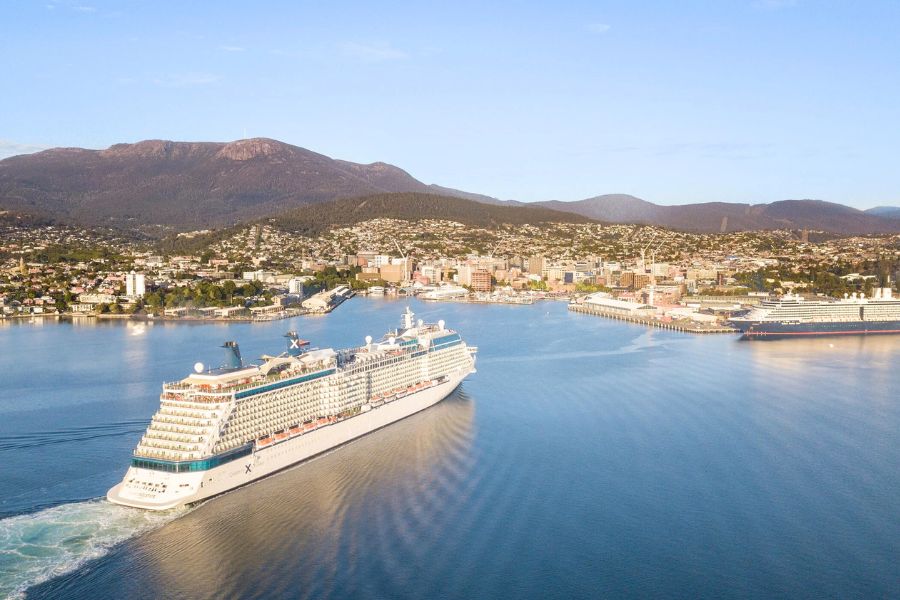
Most cruise ships visiting Hobart dock at Macquarie Wharf, located beside the city's central waterfront.
The principal cruise berths are Macquarie Wharf No. 2 and No. 3, served by the Macquarie Wharf No. 2 Cruise Terminal, also known as MAC 02.
Additional vessels may use Macquarie Wharf No. 4 and No. 5, depending on port operations and the number of ships arriving.
Hobart can accommodate two cruise vessels at the same time under suitable berthing arrangements.
Macquarie Wharf No. 2 Cruise Terminal
The main passenger terminal is located on Hunter Street, close to Hobart's historic waterfront.
Its convenient position places visitors approximately 800 meters from the central business district, making the city relatively easy to explore independently.
The terminal provides several facilities for arriving passengers, including visitor information, passenger amenities, complimentary WiFi, and stalls showcasing Tasmanian gifts and local products.
Passenger processing services are also available when required for international arrivals.
Cruise passengers should follow the designated terminal exit and any instructions provided by their ship, particularly when immigration or quarantine procedures apply.
Macquarie Wharf No. 4 and No. 5
Additional cruise ships may berth at the neighboring Macquarie Wharf No. 4 and No. 5 facilities.
Passengers arriving at these berths may need to walk approximately 400 meters to reach the main cruise terminal and visitor services.
Shore excursion coaches can be arranged alongside the ship according to port operating procedures.
The exact route and meeting arrangements depend on the assigned berth and instructions issued for the individual cruise call.
Where Can You Meet Your Shore Excursion Guide?
For passengers joining a guided excursion, meeting arrangements should be confirmed before arrival.
Macquarie Wharf No. 2 Cruise Terminal is an important meeting location for cruise visitors and authorized tour operators.
Passengers can generally meet people collecting them inside the public terminal area, while private vehicle operators follow the port's parking and access arrangements.
A taxi rank is located near the terminal forecourt. Temporary traffic restrictions may apply along parts of Franklin Wharf on cruise ship days, so pickup arrangements should be confirmed in advance.
When booking Hobart Tasmania shore excursions, provide your cruise ship name and arrival date to help coordinate the pickup location and return arrangements.
Is Hobart Cruise Port Within Walking Distance of the City?
Yes. Hobart is one of Australia's most convenient cruise ports for visitors who want to explore independently.
From Macquarie Wharf, travelers can walk to the historic waterfront, Constitution Dock, and central shopping streets in a relatively short time.
Salamanca Place is also accessible on foot, making it an excellent destination for passengers with shorter port calls.
However, attractions such as Mount Wellington, Richmond, and Bonorong Wildlife Sanctuary are located farther away and require transportation.
How to Get Around from Hobart Cruise Port
Getting around Hobart is relatively straightforward, particularly for visitors interested in the waterfront and central sightseeing areas.
Transportation becomes more important for travelers exploring the surrounding countryside, mountains, and wildlife attractions.
Walking Around Central Hobart
Walking is an excellent way to discover the historic waterfront, Salamanca Place, and nearby city streets.
From the cruise terminal, visitors can enjoy the atmosphere of the working harbor before continuing toward Constitution Dock and Salamanca Place.
Historic architecture, shops, cafés, and galleries are located throughout the central district.
Battery Point can also be reached on foot, although some streets involve hills and uneven surfaces.
For travelers who prefer minimal transportation, a walking itinerary focused on the waterfront and surrounding neighborhoods offers a rewarding experience.
Public Buses
Hobart has a public bus network connecting the city center with surrounding suburbs and selected regional destinations.
Bus services may be useful for independent travelers visiting attractions beyond the waterfront.
However, routes and departure frequency vary, and some sightseeing destinations are not conveniently accessible by direct public transport.
Cruise passengers planning trips outside central Hobart should check connections carefully and allow adequate time for the return journey.
Taxis and Private Transfers
Taxis are available near the cruise terminal and can be convenient for short journeys or transfers to nearby attractions.
Private transportation is particularly useful for visiting Mount Wellington, Richmond, Bonorong Wildlife Sanctuary, and other destinations outside the central waterfront.
Arranging transport in advance can help reduce waiting time on busy cruise arrival days.
Taking the Ferry to MONA
One of Hobart's most distinctive transportation experiences is the ferry journey to the Museum of Old and New Art, commonly known as MONA.
The ferry departs from Brooke Street Pier, located within walking distance of the cruise terminal.
The journey along the Derwent River takes approximately 30 minutes each way and provides attractive views of Hobart's waterfront and surrounding hills.
Visitors should arrange museum admission and ferry tickets in advance, particularly during busy periods.
MONA currently operates from Thursday to Monday, generally between 10 am and 5 pm. Visitors arriving on Tuesdays or Wednesdays should check for special opening arrangements before planning a visit.
The ferry operates according to a timetable, and passengers must allow sufficient time for the return journey to their ship.
Approximate Travel Times from Hobart Cruise Port
| Destination | Approximate Travel Time |
|---|---|
| Constitution Dock | 5 to 10 minutes walking |
| Hobart City Centre | 10 to 15 minutes walking |
| Salamanca Place | 10 to 15 minutes walking |
| Battery Point | 15 to 25 minutes walking |
| Royal Tasmanian Botanical Gardens | 10 to 15 minutes by car |
| MONA | Approximately 30 minutes by ferry from Brooke Street Pier |
| kunanyi / Mount Wellington Summit | 35 to 50 minutes by car |
| Bonorong Wildlife Sanctuary | 30 to 40 minutes by car |
| Richmond Historic Village | 25 to 35 minutes by car |
| Port Arthur Historic Site | 90 to 110 minutes by car |
Travel times are approximate planning estimates from the central Hobart cruise terminal area. Traffic, weather, walking pace, and transportation schedules can affect actual journeys.
Best Things to Do in Hobart, Tasmania from the Cruise Port
Hobart offers an outstanding variety of sightseeing experiences, with historic neighborhoods close to the harbor and spectacular natural attractions within reach of the city.
The following destinations are among the most worthwhile places to visit during a cruise stop in Tasmania's capital.
1. Explore Salamanca Place and Salamanca Market
Salamanca Place is one of Hobart's best known historic districts and a highlight for cruise passengers visiting the city.
Located near the waterfront, the area is famous for its beautifully preserved sandstone warehouses, many of which date from the nineteenth century.
These former commercial buildings now accommodate art galleries, restaurants, cafés, boutiques, and specialty shops.
The broad pedestrian area offers a pleasant setting for sightseeing, shopping, and discovering the city's maritime heritage.
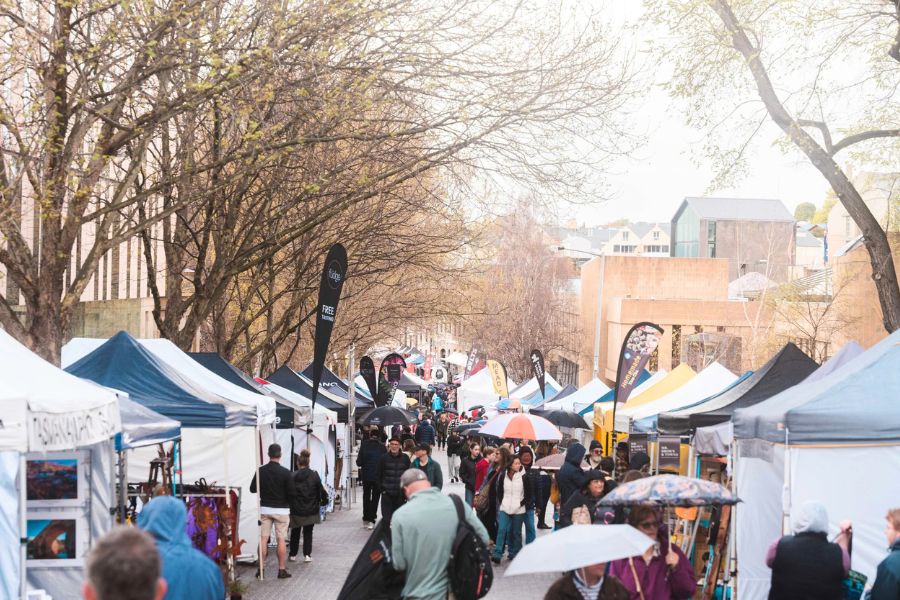
Every Saturday, Salamanca Place hosts the famous Salamanca Market, one of Tasmania's most popular visitor attractions.
The market features local produce, handmade crafts, clothing, souvenirs, and regional food products.
Visitors can browse stalls showcasing Tasmanian creativity and enjoy the lively atmosphere of this longstanding community event.
However, Salamanca Market is a Saturday event. Cruise passengers arriving on other days can still explore Salamanca Place, but should not expect the market stalls to be operating.
Recommended visiting time: 60 to 90 minutes.
Best for: Historic architecture, local markets, shopping, food, and photography.
Cruise tip: Saturday visitors should allow additional time because the market can become busy during cruise arrivals.
2. Wander Through Historic Battery Point
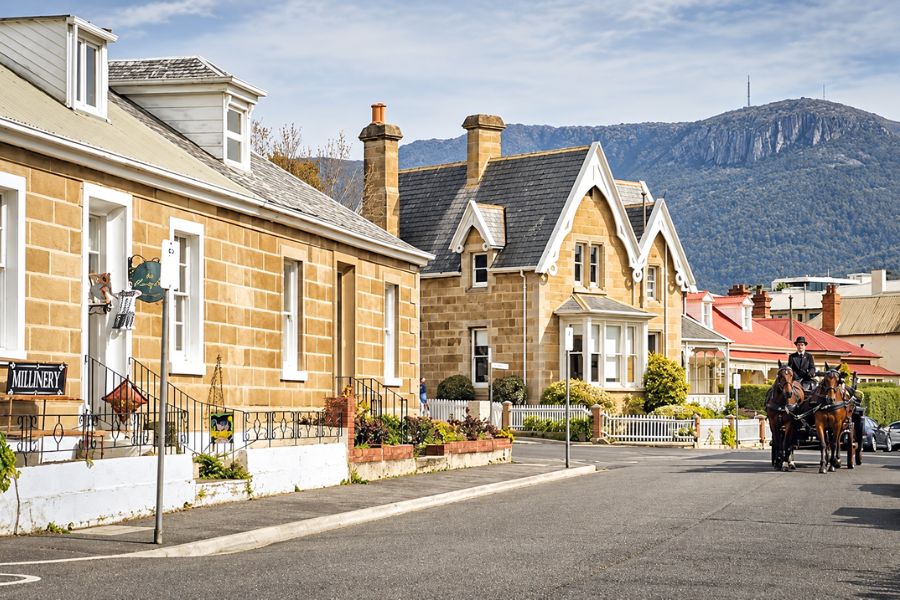
Situated beside Salamanca Place, Battery Point is one of Hobart's most charming residential neighborhoods.
The district is known for its narrow streets, traditional cottages, elegant historic houses, and beautifully preserved architecture.
Walking through Battery Point offers a glimpse into Hobart's early development and the lives of the people who helped shape the city.
Arthur Circus is a particularly attractive location, with small historic cottages arranged around a circular green space.
Nearby streets feature heritage buildings, quiet gardens, and occasional views toward the harbor.
Battery Point is an excellent destination for travelers who enjoy exploring historic neighborhoods at a relaxed pace.
The area can easily be combined with Salamanca Place and the waterfront during a shorter sightseeing visit.
Recommended visiting time: 45 to 60 minutes.
Best for: Historic streets, traditional architecture, photography, and relaxed walks.
3. Admire Hobart from kunanyi / Mount Wellington
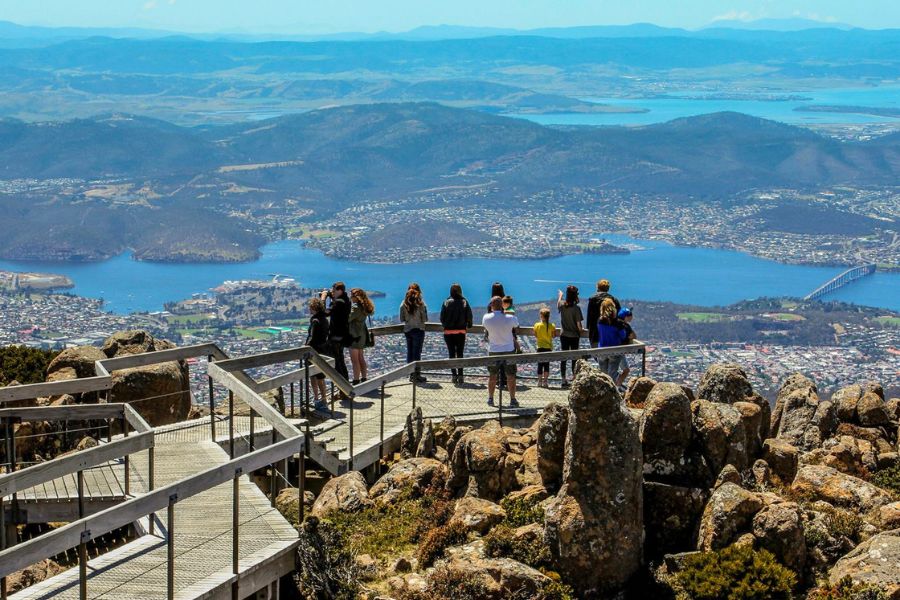
Rising approximately 1,271 meters above sea level, kunanyi / Mount Wellington is one of Tasmania's most recognizable natural landmarks.
The mountain forms a dramatic backdrop to Hobart and offers some of the most spectacular views in southern Tasmania.
From the summit observation areas, visitors can admire the city, the Derwent River, surrounding valleys, and distant coastal landscapes.
On clear days, the panoramic scenery is particularly impressive, making the mountain a favorite destination for photographers.
The landscape also changes considerably with elevation. Forested lower slopes gradually give way to exposed alpine terrain and distinctive rock formations near the summit.
However, conditions at the top can be much colder and windier than in central Hobart.
Cloud cover, snow, ice, or strong winds may reduce visibility or affect road access.
Visitors should therefore treat a summit visit as weather dependent rather than assuming panoramic views will always be available.
Recommended visiting time: 30 to 60 minutes at the summit, excluding transfers.
Best for: Mountain scenery, panoramic photography, and nature lovers.
Cruise tip: Bring a warm jacket even if the weather feels pleasant at the waterfront.
4. Discover MONA, the Museum of Old and New Art
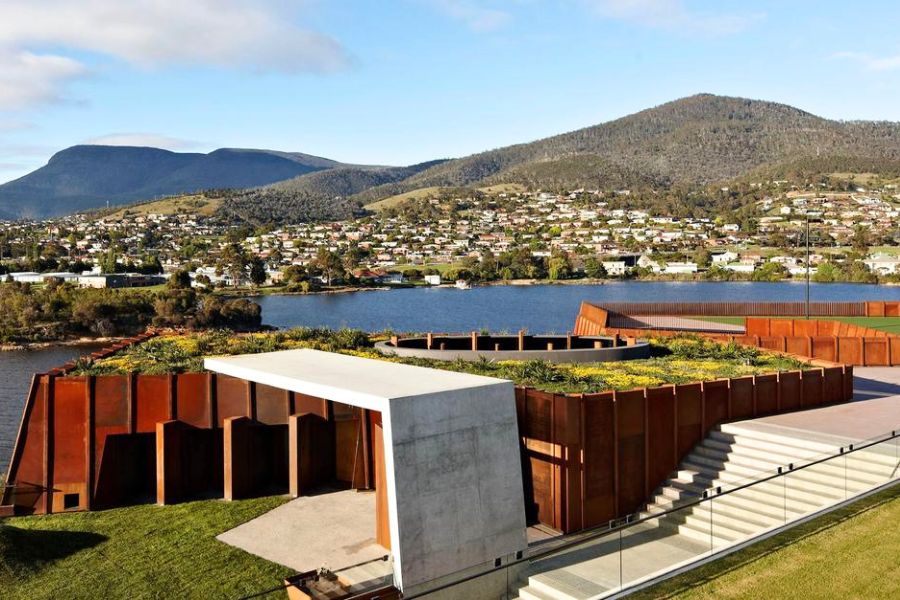
MONA is one of Australia's most unusual and internationally recognized art museums.
Located in Berriedale, north of central Hobart, the museum combines ancient artifacts, contemporary artworks, striking architecture, and thought provoking installations.
Much of the exhibition space is located underground, creating a distinctive atmosphere as visitors move through galleries and unusual interior spaces.
The museum is known for its unconventional approach to art and its willingness to explore challenging ideas.
For many visitors, the experience begins with the ferry journey from Brooke Street Pier along the Derwent River.
Arriving by water provides an attractive introduction to the museum's dramatic location.
MONA offers a very different experience from Hobart's historic streets and natural attractions, making it appealing to travelers interested in modern culture and contemporary creativity.
Some exhibits contain mature or confronting themes, so visitors should consider their personal preferences before booking.
Recommended visiting time: 2 to 3 hours inside the museum, excluding ferry transfers.
Best for: Art enthusiasts, architecture, contemporary culture, and unusual museum experiences.
Cruise tip: Museum and ferry reservations are recommended. Check opening days carefully, as regular public opening is currently from Thursday to Monday.
5. Visit the Royal Tasmanian Botanical Gardens
The Royal Tasmanian Botanical Gardens offer a peaceful escape from the city and are conveniently located a short drive from Hobart's cruise terminal.
Established in the nineteenth century, the gardens are among Australia's important historic botanical collections.
Visitors can stroll through beautifully maintained landscapes featuring native Tasmanian plants, ornamental gardens, lawns, and seasonal flowers.
Different garden sections introduce plant species from Tasmania and other regions of the world.
The grounds also provide attractive views toward the Derwent River and surrounding hills.
For cruise passengers who enjoy nature but prefer to avoid lengthy countryside journeys, the botanical gardens are a convenient option.
Walking paths and quiet seating areas make the gardens suitable for a relaxed sightseeing experience.
Recommended visiting time: 60 to 90 minutes.
Best for: Gardens, nature, photography, and a peaceful sightseeing pace.
6. Experience Tasmania's Wildlife at Bonorong Sanctuary
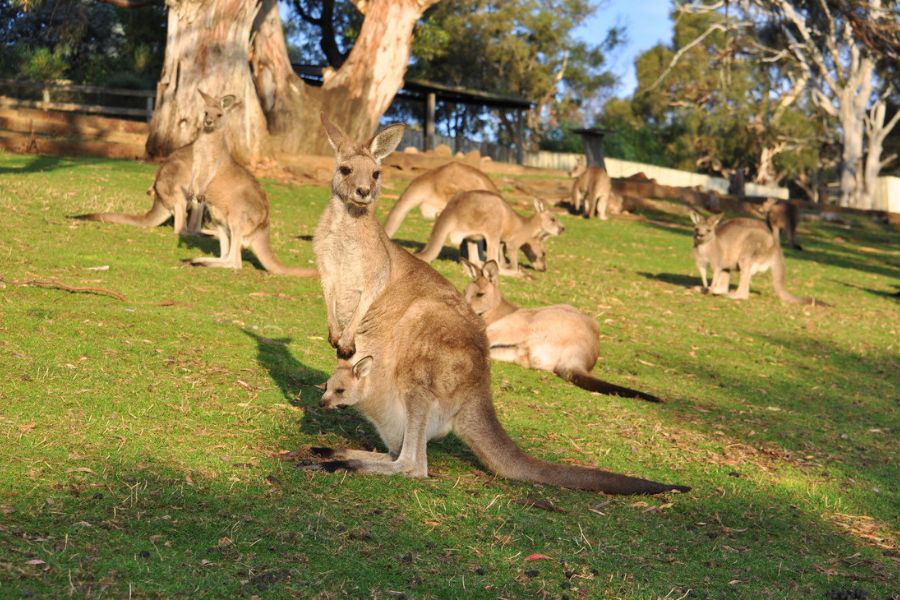
One of the most memorable experiences available near Hobart is a visit to Bonorong Wildlife Sanctuary.
Located north of the city, the sanctuary focuses on wildlife care, conservation, and education.
Visitors can learn about some of Tasmania's distinctive native animals, including Tasmanian devils, wombats, kangaroos, and other Australian wildlife.
The Tasmanian devil is particularly fascinating because of its strong jaws, unusual vocalizations, and important place in the island's natural heritage.
Wildlife presentations and educational experiences help explain the challenges facing native species and the efforts being made to protect them.
For international cruise passengers, Bonorong offers an opportunity to encounter animals that may be unfamiliar outside Australia.
Visitor experiences and animal encounters operate according to the sanctuary's current schedules and conservation guidelines.
Recommended visiting time: 60 to 90 minutes, excluding transfers.
Best for: Wildlife lovers, families, and conservation experiences.
7. Explore Richmond Historic Village
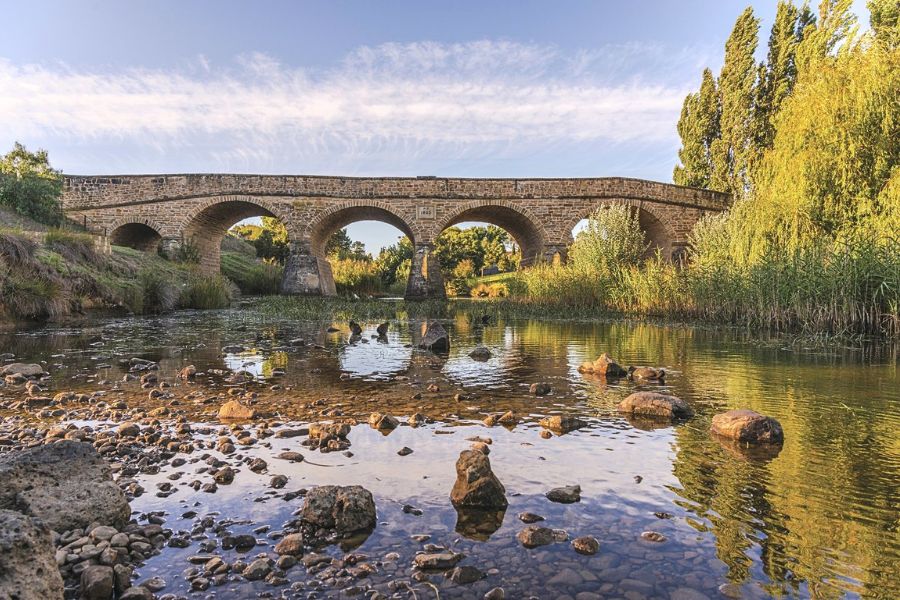
Located in the Coal River Valley, Richmond is one of Tasmania's most picturesque historic towns.
The village is famous for its beautifully preserved Georgian buildings, peaceful streets, traditional shops, and historic stone bridge.
Richmond Bridge, completed in 1825, is one of Australia's oldest surviving bridges and an important reminder of Tasmania's early colonial history.
Visitors can admire the bridge from the riverbank, explore the surrounding streets, and browse local shops selling handmade products and souvenirs.
The town's historic churches, cottages, and traditional architecture create an atmosphere quite different from central Hobart.
Richmond is often combined with nearby countryside attractions and wildlife experiences during a longer shore excursion.
Recommended visiting time: 45 to 75 minutes.
Best for: History enthusiasts, village scenery, local shopping, and photography.
8. Discover Constitution Dock and Hobart Waterfront
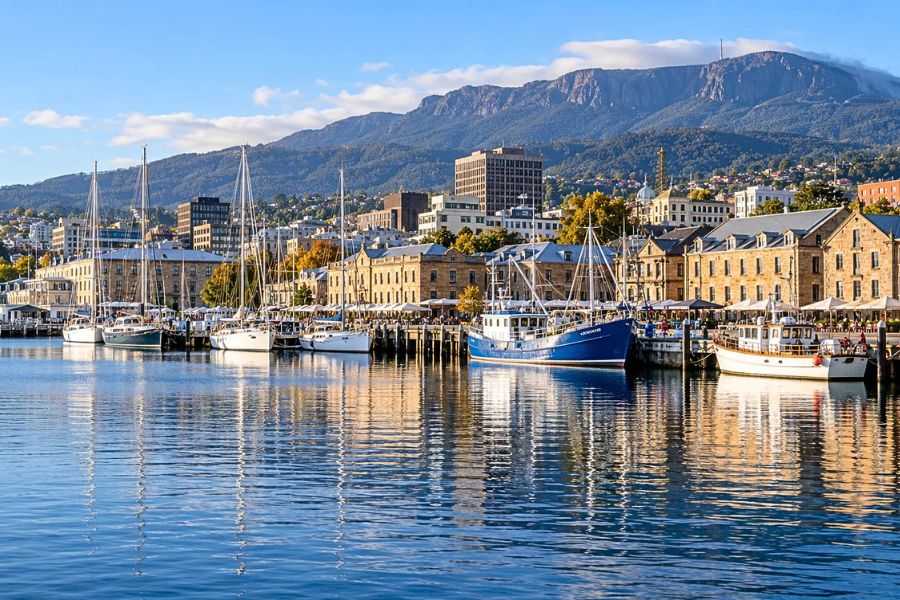
Constitution Dock is one of Hobart's most recognizable waterfront locations and a convenient attraction for cruise passengers.
Located near the cruise terminal, the dock is surrounded by historic buildings, fishing boats, seafood restaurants, and working harbor activity.
The area is closely associated with Tasmania's maritime traditions and the famous Sydney to Hobart Yacht Race.
Visitors can enjoy views of moored vessels, explore nearby streets, and sample local seafood.
The historic waterfront is also a pleasant place to learn about Hobart's connection with fishing, trade, and seafaring.
Constitution Dock combines naturally with Salamanca Place and the city center, making it especially suitable for passengers with limited time ashore.
Recommended visiting time: 30 to 45 minutes.
Best for: Waterfront scenery, maritime history, seafood, and photography.
9. Discover Tasmanian History at Port Arthur
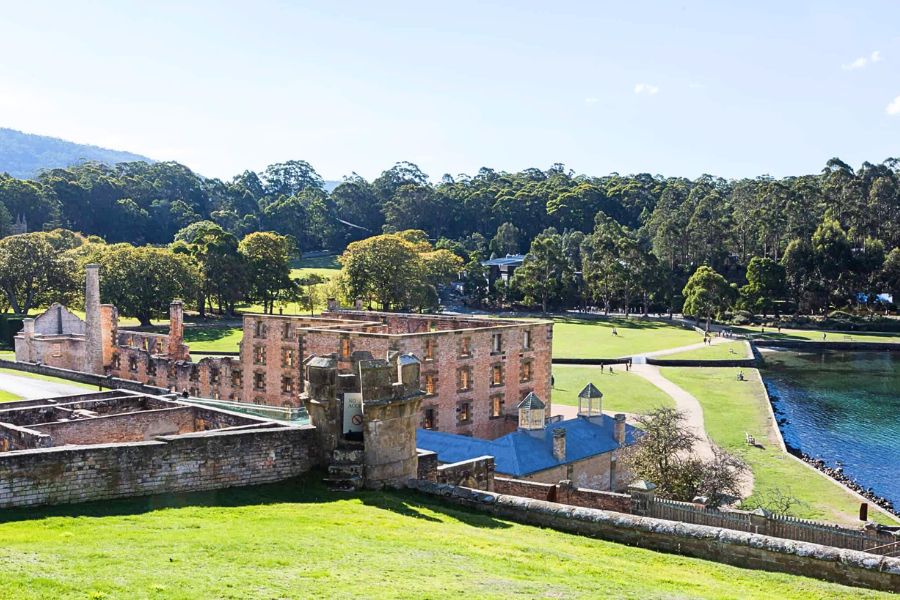
For travelers interested in Australia's colonial past, Port Arthur Historic Site is one of Tasmania's most important heritage attractions.
Located on the Tasman Peninsula, Port Arthur preserves the remains of a nineteenth century penal settlement.
Its historic buildings, landscaped grounds, and waterfront setting introduce visitors to the complex history of transportation, imprisonment, and colonial settlement in Australia.
The site forms part of the Australian Convict Sites UNESCO World Heritage listing.
Visitors can explore historic structures, learn about the lives of convicts and administrators, and appreciate the dramatic coastal environment.
However, Port Arthur is approximately 90 to 110 minutes from central Hobart by road under normal conditions.
A visit therefore requires a substantial portion of the day, especially when allowing time to explore the historic site.
Cruise passengers should only consider this excursion when the ship's schedule provides sufficient time for the round trip and a comfortable return allowance.
Recommended visiting time: 2 to 3 hours at the site, excluding transfers.
Best for: Colonial history, heritage architecture, and cultural exploration.
10. Explore Maria Island's Wildlife and Natural Landscapes
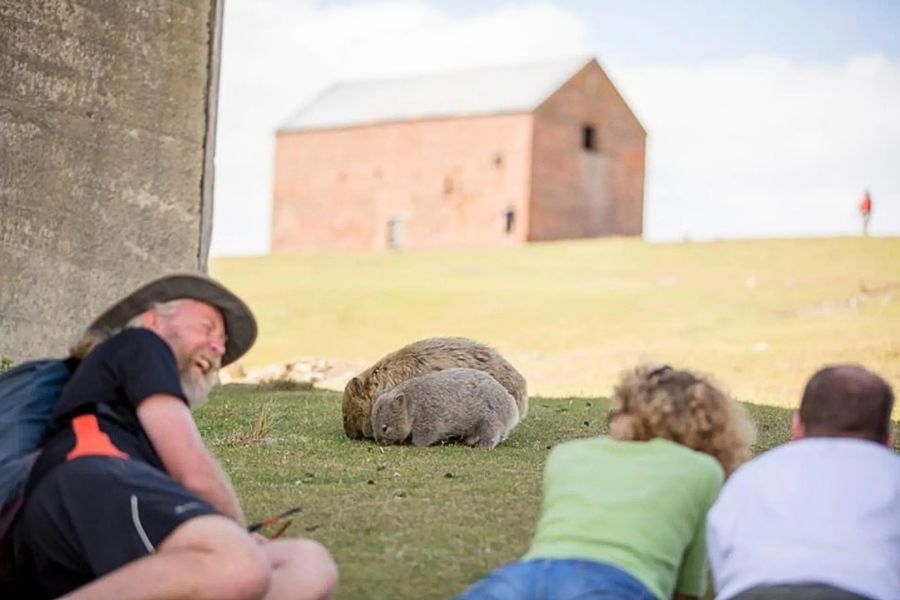
For nature enthusiasts seeking a longer excursion, Maria Island National Park offers a remarkable combination of wildlife, coastal scenery, and historical landmarks.
Located off Tasmania's east coast, Maria Island is known for its protected natural environment and populations of native animals.
Visitors may encounter wombats, wallabies, and other wildlife while exploring the island's open landscapes and walking trails.
The island is also home to historic convict buildings and unusual geological formations, including the beautiful Painted Cliffs.
Reaching Maria Island involves traveling from Hobart to Triabunna and continuing by scheduled passenger ferry.
Because the excursion requires a longer road journey and a ferry crossing, it is best suited to cruise passengers with an extended port call.
Ferry availability, weather conditions, and tidal access to certain island attractions must be considered. The Painted Cliffs may not be accessible at every tide.
Visitors should also be prepared for walking on natural surfaces and changing weather conditions.
Recommended visiting time: Approximately 2 to 3 hours on the island, excluding road and ferry transfers.
Best for: Wildlife, nature photography, coastal landscapes, and active travelers.
Can You Explore Hobart Independently from the Cruise Port?
Yes. Hobart is one of the most convenient Australian cruise destinations for independent sightseeing.
The Macquarie Wharf terminal is close to the waterfront and central city, allowing visitors to reach several major attractions on foot.
Travelers with limited time can explore Constitution Dock, Salamanca Place, Battery Point, and nearby shopping streets without arranging a full day of transportation.
This makes Hobart particularly appealing to passengers who prefer a relaxed sightseeing pace.
Best Attractions Within Walking Distance
For visitors planning to explore independently, the following destinations are particularly convenient:
- Constitution Dock and the historic waterfront
- Salamanca Place and Salamanca Square
- Salamanca Market on Saturdays
- Battery Point and Arthur Circus
- Central Hobart shopping streets
- Brooke Street Pier and waterfront cafés
These attractions provide a rewarding introduction to Hobart's maritime heritage, architecture, and local culture.
When Is a Guided Shore Excursion Better?
Organized excursions become more useful when visiting attractions outside central Hobart.
Mount Wellington, Bonorong Wildlife Sanctuary, Richmond, and the Coal River Valley require transportation, while Port Arthur and Maria Island involve considerably longer journeys.
Private transport can also simplify travel for families, groups, and senior passengers who prefer to minimize walking or avoid complicated connections.
Our collection of Hobart Tasmania shore excursions offers several options for visitors seeking a guided experience beyond the waterfront.
Best Hobart Shore Excursions for Cruise Passengers
Hobart provides several rewarding sightseeing styles, including historic city exploration, contemporary art, culinary experiences, and the natural beauty of Tasmania.
Choosing the right excursion depends on your interests, available time, and preferred sightseeing pace.
Hobart City Highlights
For first time visitors, the Hobart City Highlights tour offers a convenient introduction to Tasmania's capital.
This four hour sightseeing experience focuses on Hobart's historic character, waterfront attractions, and local neighborhoods.
Key highlights include:
- Historic Hobart Waterfront: Discover the city's maritime heritage and attractive harbor setting.
- Salamanca Place: Explore the famous sandstone warehouses and surrounding cultural district.
- Battery Point: Admire traditional architecture and the atmosphere of a historic residential neighborhood.
- Local Markets: Experience Hobart's shopping and food culture when market schedules permit.
- Colonial Heritage: Learn about the city's development and significant historical landmarks.
This excursion is particularly suitable for passengers who want to discover Hobart's cultural highlights without spending a full day away from the ship.
Explore the itinerary through our Hobart City Highlights Tour.
Flavors of Hobart and MONA Art Experience
Travelers interested in the city's food culture and contemporary art may enjoy the Flavors of Hobart and MONA Art Experience.
This eight hour excursion combines cultural sightseeing with some of Hobart's most distinctive attractions.
Highlights include:
- Hobart Food Tastings: Discover flavors associated with Tasmania's local culinary traditions.
- Salamanca Place: Explore the waterfront district and its historic architecture.
- Battery Point: Experience one of Hobart's most picturesque neighborhoods.
- MONA: Discover one of Australia's most unusual contemporary art museums.
- Derwent River Ferry: Enjoy the scenic journey connecting central Hobart with the museum.
This experience is particularly appealing for travelers who enjoy art, food, and cultural discovery.
Because MONA operates on selected days and ferry reservations are subject to availability, the itinerary should be confirmed for the specific cruise arrival date.
Discover additional details on our Flavors of Hobart and MONA Art Experience tour page.
Maria Island Wildlife and Coal River Wine
For nature enthusiasts seeking a longer adventure, the Maria Island Wildlife and Coal River Wine excursion introduces Tasmania's coastal landscapes, native animals, and historic countryside.
This nine hour itinerary includes:
- Maria Island National Park: Discover protected landscapes and natural scenery.
- Wildlife Encounters: Look for wombats, wallabies, and other native Tasmanian animals.
- Painted Cliffs: Explore distinctive coastal rock formations when tides and conditions permit.
- Convict Heritage: Discover historical landmarks associated with Tasmania's colonial period.
- Coal River Valley: Experience the attractive countryside of one of Tasmania's established wine regions.
This excursion requires a longer port call because of the road transfers, scheduled ferry journey, and sightseeing time on Maria Island.
Its suitability depends on the cruise ship's actual disembarkation and final boarding times, ferry services, and local weather conditions. Not every cruise call will allow sufficient time for the full itinerary.
Explore the complete program through our Maria Island Wildlife and Coal River Wine Tour.
Private Hobart Shore Excursions
Private sightseeing arrangements provide additional flexibility for travelers interested in specific attractions or a more comfortable touring pace.
Depending on the time available, a private itinerary may concentrate on historic Hobart, mountain scenery, wildlife experiences, or the charming towns surrounding the city.
Private transportation is particularly useful for families, couples, and senior travelers who want to adjust walking distances and rest periods.
Passengers planning additional Australian cruise stops can also explore our wider collection of Australia shore excursions.
Suggested Hobart Cruise Port Itineraries
Hobart offers enough variety to suit both short cruise calls and longer days ashore.
The following itineraries illustrate how visitors can organize their time according to the attractions they most want to experience.
Half Day Itinerary: Historic Hobart on Foot
Recommended sightseeing time: Approximately 3 to 4 hours, including relaxed walking and short breaks.
- Constitution Dock: Begin with a waterfront walk and enjoy views of Hobart's working harbor.
- Salamanca Place: Admire the historic sandstone warehouses, browse local shops, and explore the cultural district.
- Battery Point: Walk through traditional residential streets and discover the charming cottages around Arthur Circus.
- Local Café: Enjoy Tasmanian coffee, pastries, or a light meal near the waterfront.
- Return to Macquarie Wharf: Walk back to the cruise terminal with sufficient time before final boarding.
This itinerary is ideal for independent travelers and cruise passengers who prefer to explore the city without a vehicle.
Half Day Itinerary: Hobart City and Mount Wellington
Recommended sightseeing time: Approximately 4 to 5 hours with organized transportation.
- kunanyi / Mount Wellington: Travel to the mountain summit for panoramic views of Hobart and the Derwent River, subject to weather conditions.
- Battery Point: Explore historic streets and admire traditional architecture.
- Salamanca Place: Enjoy the lively atmosphere of the waterfront cultural district.
- Return to Port: Complete the journey with an appropriate allowance before the ship's final boarding time.
This route combines Hobart's historic character with its spectacular natural setting.
Because summit conditions can change quickly, visitors should remain flexible and consider alternative sightseeing stops if access or visibility becomes unsuitable.
Full Day Itinerary: MONA and Hobart Culture
Recommended sightseeing time: Approximately 7 to 8 hours, subject to museum opening and ferry schedules.
- Salamanca Place: Begin with historic waterfront architecture and local cultural attractions.
- Battery Point: Explore charming streets and the city's colonial heritage.
- Brooke Street Pier: Board the ferry to MONA at your reserved departure time.
- MONA: Explore contemporary exhibitions and the museum's distinctive architecture.
- Return Ferry: Travel back along the Derwent River and return to the cruise terminal.
This itinerary is best suited to visitors interested in art, architecture, and cultural experiences.
Travelers should reserve ferry and museum admission in advance and confirm that their selected return service allows enough time to reach the ship.
For a guided alternative, consider the Flavors of Hobart and MONA Art Experience.
Full Day Itinerary: Wildlife and Historic Tasmania
Recommended sightseeing time: Approximately 6 to 7 hours with private transportation.
- Bonorong Wildlife Sanctuary: Discover native Tasmanian animals and learn about conservation efforts.
- Richmond Historic Village: Explore traditional buildings, local shops, and the famous Richmond Bridge.
- Coal River Valley: Enjoy scenic countryside landscapes and local food experiences.
- Hobart Waterfront: Return to the city for a short waterfront stop if time permits.
- Return to Cruise Port: Complete the journey with sufficient time before final boarding.
This itinerary provides a memorable introduction to the landscapes and heritage beyond central Hobart.
Can You Visit Port Arthur from Hobart Cruise Port?
Yes. Port Arthur Historic Site can be visited from Hobart Cruise Port, but it requires careful planning because of the considerable driving distance.
The journey to Port Arthur typically takes approximately 90 to 110 minutes each way, depending on traffic and road conditions.
Visitors should also allow at least two hours to explore the historic buildings and grounds, with additional time for a more comprehensive experience.
Is Port Arthur Suitable for a Short Cruise Stop?
For a short port call, visiting Port Arthur may not be practical.
The journey alone can require around three to four hours of driving for the round trip, reducing the time available for sightseeing.
Passengers with a longer day ashore may be able to enjoy the historic site comfortably with organized transportation and a realistic itinerary.
What Should Cruise Passengers Consider?
- Available Port Time: Confirm the time between disembarkation and the ship's final boarding deadline.
- Road Transfers: Allow sufficient time for the return journey to Hobart.
- Site Exploration: Reserve enough time to appreciate the historic buildings, exhibitions, and surrounding grounds.
- Walking Requirements: Some areas involve slopes, steps, and uneven surfaces.
- Weather: Prepare for changing conditions, particularly when exploring outdoor heritage areas.
Visitors with limited time may find a Hobart city tour, Mount Wellington excursion, or Richmond and wildlife itinerary more comfortable.
What to Eat in Hobart, Tasmania
Hobart is an excellent destination for food lovers, with restaurants, markets, and cafés celebrating Tasmania's seafood, fresh produce, and regional culinary traditions.
Fresh Tasmanian Seafood
Hobart's waterfront is known for seafood restaurants and casual dining establishments serving fish, shellfish, and other regional specialties.
Visitors may find fresh oysters, fish and chips, scallops, and seafood dishes prepared with local ingredients.
Constitution Dock and the surrounding waterfront provide convenient opportunities to enjoy seafood close to the cruise terminal.
Tasmanian Scallop Pies
Scallop pies are a well known Tasmanian specialty, traditionally featuring scallops in a savory sauce enclosed in pastry.
They are popular with visitors interested in sampling a distinctive local comfort food.
Bakeries and casual dining establishments around Hobart may offer different versions of this regional favorite.
Local Cheese and Farm Produce
Tasmania is recognized for its agricultural products, including cheese, berries, apples, and seasonal vegetables.
Visitors can discover locally made products at specialty food shops, cafés, and markets.
These regional ingredients help give Hobart's food culture its distinctive character.
Tasmanian Honey and Sweet Treats
Tasmania produces several distinctive honey varieties, including leatherwood honey, known for its floral aroma and characteristic flavor.
Local confectionery, baked goods, and desserts provide additional opportunities to discover Tasmanian ingredients.
Salamanca Market Food Stalls
Passengers arriving on Saturdays can explore the food stalls at Salamanca Market.
The market features a range of prepared meals, snacks, baked goods, and locally produced specialties.
Visitors arriving on other days can enjoy the cafés and restaurants operating throughout Salamanca Place.
Practical Travel Tips for Hobart Cruise Passengers
Confirm Your Assigned Cruise Berth
Most cruise ships use Macquarie Wharf No. 2 and No. 3, but some vessels may dock at the neighboring facilities.
Check your ship's arrival information and follow the designated terminal access arrangements.
Take Advantage of the Walkable Waterfront
Hobart's central attractions are unusually convenient for cruise visitors.
Salamanca Place, Constitution Dock, Battery Point, and the city center can be explored without lengthy transfers.
Visitors with limited time should consider these nearby attractions before planning destinations farther from the city.
Check Salamanca Market Days
Salamanca Market generally operates on Saturdays.
Visitors arriving on other days can still explore Salamanca Place, but the full market experience will not be available.
Book MONA Tickets and Ferry Services Early
MONA is a popular attraction, and museum entry and ferry services have scheduled availability.
Advance reservations help passengers coordinate their visit with the cruise ship's arrival and departure times.
Check the museum's opening days before planning an excursion, particularly for arrivals on Tuesdays and Wednesdays.
Prepare for Weather Changes on Mount Wellington
Conditions at the summit of kunanyi / Mount Wellington can be considerably colder than at the waterfront.
Bring warm clothing and prepare for wind, rain, or reduced visibility.
Access to the summit may be affected by snow, ice, or road closures.
Wear Comfortable Walking Shoes
Historic streets, waterfront paths, and garden trails may involve extended walking.
Battery Point also includes sloping streets, while destinations outside the city may have uneven surfaces.
Choose footwear suitable for your planned activities.
Carry Australian Dollars
Card payments are widely accepted in Hobart, but carrying a small amount of Australian currency can be useful for local purchases.
Visitors should check payment arrangements for smaller stalls and individual services when necessary.
Consider Accessibility Requirements
Central Hobart provides several relatively convenient sightseeing areas, but some historic streets and attractions include slopes or uneven surfaces.
Passengers with mobility concerns should discuss walking distances and access arrangements with their tour provider before booking.
Allow Enough Time to Return to the Ship
Always plan around your cruise ship's published final boarding time.
Although central Hobart is close to the terminal, traffic delays, ferry schedules, and longer sightseeing journeys can affect the return journey.
Additional planning is particularly important for excursions to Port Arthur, Maria Island, or other distant destinations.
Is Hobart Worth Visiting on an Australia Cruise?
Absolutely. Hobart offers one of the most appealing combinations of historic charm, natural beauty, and cultural experiences among Australia's cruise destinations.
Its convenient waterfront terminal allows passengers to explore the city independently, while the surrounding region offers mountain scenery, remarkable wildlife, historic towns, and unique museums.
First time visitors can enjoy Salamanca Place, Battery Point, and Constitution Dock, while nature enthusiasts may prefer kunanyi / Mount Wellington or Bonorong Wildlife Sanctuary.
Art lovers can discover the unusual exhibitions at MONA, and travelers seeking a longer adventure can explore destinations such as Port Arthur or Maria Island.
The variety of experiences makes Hobart suitable for short sightseeing visits and more comprehensive shore excursions.
With a realistic itinerary and suitable transportation, a day ashore in Tasmania's capital can become one of the highlights of an Australian cruise.
Frequently Asked Questions About Hobart Cruise Port
Where do cruise ships dock in Hobart, Tasmania?
Most cruise ships dock at Macquarie Wharf No. 2 and No. 3, beside the Macquarie Wharf No. 2 Cruise Terminal. Additional vessels may berth at Macquarie Wharf No. 4 and No. 5.
Is Hobart Cruise Port within walking distance of the city?
Yes. The cruise terminal is located close to Hobart's central waterfront, approximately 800 meters from the city center. Popular attractions such as Constitution Dock and Salamanca Place are accessible on foot.
How far is Salamanca Place from Hobart Cruise Port?
Salamanca Place is generally around 10 to 15 minutes walking from the cruise terminal, depending on the exact berth and walking pace.
Is Salamanca Market open every day?
No. Salamanca Market generally operates on Saturdays. Salamanca Place remains an attractive sightseeing district throughout the week, with galleries, cafés, restaurants, and shops.
Can you visit Mount Wellington from Hobart Cruise Port?
Yes. The summit of kunanyi / Mount Wellington is generally around 35 to 50 minutes from the central Hobart cruise terminal by car. Travel times and summit access depend on traffic and weather conditions.
How do you get to MONA from Hobart Cruise Port?
Visitors can walk to Brooke Street Pier and take a ferry to MONA. The ferry journey takes approximately 30 minutes each way. Museum admission and ferry reservations should be arranged in advance.
Can you visit Port Arthur during a Hobart cruise stop?
Yes, but Port Arthur is approximately 90 to 110 minutes from Hobart by road. A sufficiently long port call is necessary to allow time for the return journey and sightseeing at the historic site.
What are the best things to do in Hobart during a short cruise stop?
For a short visit, Salamanca Place, Battery Point, Constitution Dock, and the historic waterfront are convenient attractions within walking distance of the cruise terminal.
Can you see Tasmanian devils near Hobart?
Yes. Bonorong Wildlife Sanctuary, located approximately 30 to 40 minutes from central Hobart by car, provides opportunities to learn about Tasmanian devils and other native animals.
Is Hobart suitable for senior cruise passengers?
Yes. Hobart offers several attractions suitable for senior travelers, particularly the waterfront and city center. Visitors should consider walking distances, hills, and the accessibility of individual attractions when planning an excursion.
Should I book a Hobart shore excursion in advance?
Advance arrangements are recommended for visitors planning to travel outside central Hobart, especially for Mount Wellington, wildlife experiences, MONA, Port Arthur, and Maria Island.
Explore Hobart with Shore Excursions Asia
From the historic sandstone warehouses of Salamanca Place to the dramatic mountain views of kunanyi / Mount Wellington, Hobart offers a memorable introduction to the landscapes, culture, and history of Tasmania.
The city's accessible waterfront, distinctive wildlife, local food traditions, and fascinating museums provide opportunities for travelers with different interests and sightseeing preferences.
At Shore Excursions Asia, we organize private and small group sightseeing experiences designed around cruise ship schedules, with knowledgeable local guides, comfortable transportation, and carefully planned itineraries.
Explore our Hobart Tasmania shore excursions to discover suitable experiences for your cruise stop.
For a relaxed introduction to the city, consider our Hobart City Highlights Tour. Travelers interested in art and local cuisine can explore the Flavors of Hobart and MONA Art Experience, while nature enthusiasts may enjoy the Maria Island Wildlife and Coal River Wine Tour.
Planning additional cruise stops around Australia? Discover our complete collection of Australia shore excursions for more destination inspiration and personalized sightseeing experiences.
Share your cruise ship name, arrival date, and preferred attractions with our team to explore suitable arrangements for your visit to Hobart.


 Send Inquiry