
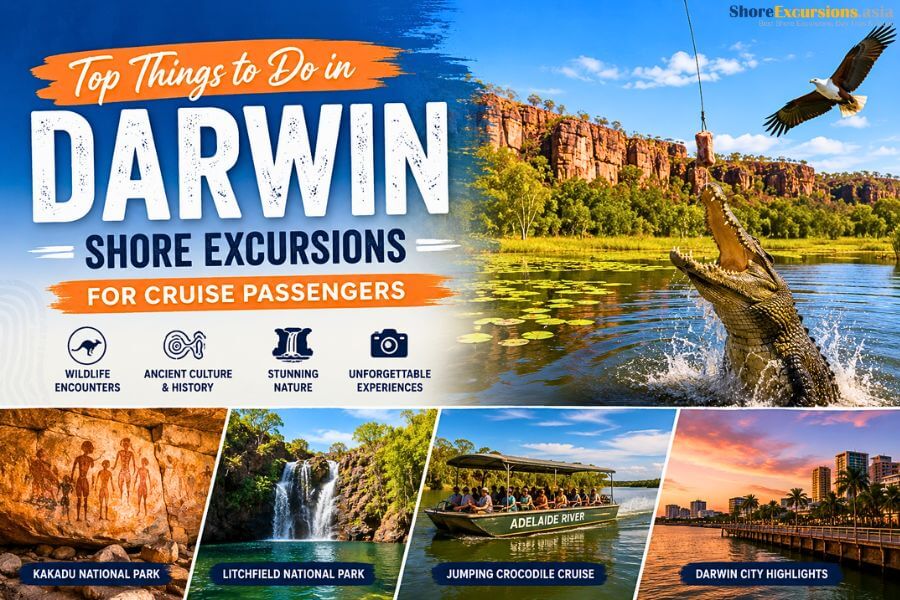
Darwin is one of Australia's most distinctive cruise ports, offering experiences that no other Australian city can match. As the tropical capital of the Northern Territory, it sits closer to Bali than to Sydney, and that geographical position shapes everything - the climate, the wildlife, the culture, and the landscapes that await passengers ashore.
For cruise passengers stepping off the ship at Fort Hill Wharf, the options range from half-day city tours to full-day expeditions into World Heritage-listed national parks. Booking Darwin shore excursions in advance is strongly recommended, especially for longer day trips that fill up quickly during peak cruise season. From 8-hour port stays to full 12-hour days ashore, Shore Excursions Asia offers a range of curated tour options designed to fit your ship's schedule and return you to the terminal on time.
This guide covers the top things to do in Darwin for cruise passengers, from iconic wildlife encounters to ancient Aboriginal culture and wartime history.
Darwin Cruise Terminal and Port Basics
Darwin cruise ships dock at Fort Hill Wharf, a purpose-built terminal opened in 2008. The facility is modern and well-equipped, with an air-conditioned terminal building, a mini-market selling local Aboriginal art and crafts, and parking for tour buses. The city center is approximately 1 kilometer away and accessible on foot or by shuttle.
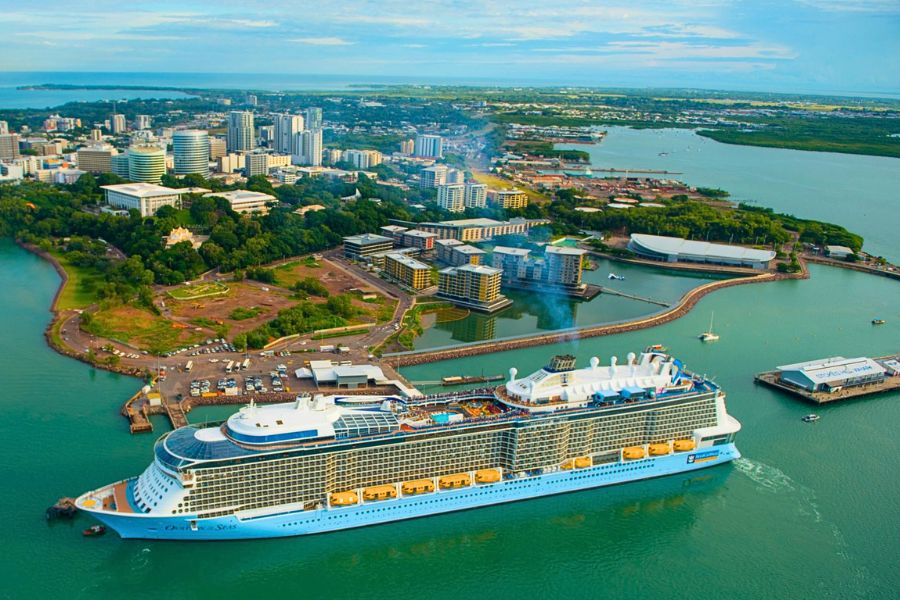
Key practical details for cruise passengers:
- Port stays in Darwin typically run 8 to 12 hours
- Taxis and shuttle buses are available at the terminal
- Cruise season runs primarily from May to October during the dry season
- The terminal is at 1 Kitchener Drive, Darwin NT 0800
Kakadu National Park - The Ultimate Darwin Day Trip for Cruise Passengers
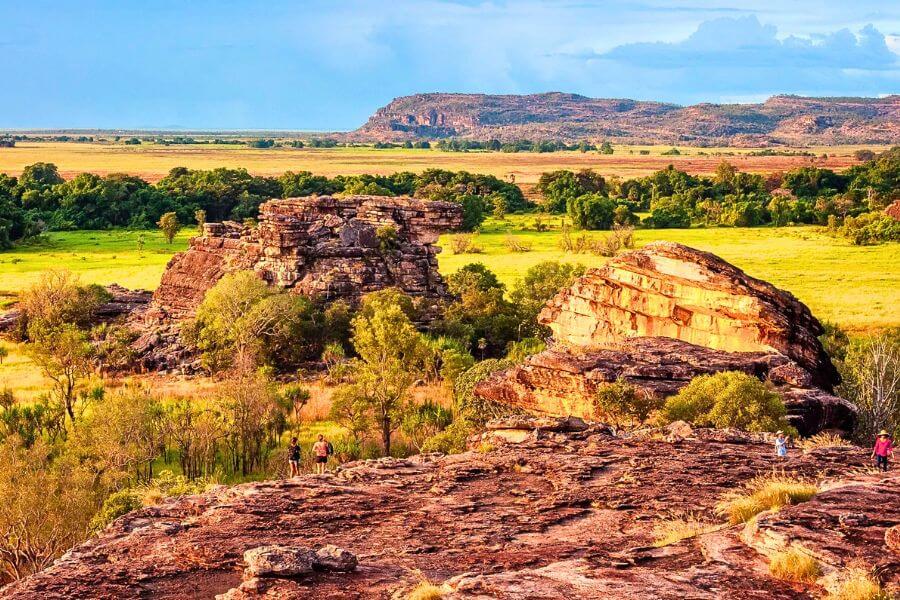
No attraction defines a Darwin port stop quite like Kakadu National Park. This UNESCO World Heritage Listed site covers more than 19,800 square kilometers and is Australia's largest national park. For cruise passengers, it represents a rare opportunity to experience one of the world's most significant natural and cultural landscapes in a single day.
What to See in Kakadu National Park
The Yellow Water Billabong Cruise is the centerpiece of any Kakadu day tour. Passengers board a flat-bottomed boat and glide through wetlands alive with saltwater crocodiles basking on the banks, jabiru storks wading through the shallows, sea eagles circling overhead, and dozens of native bird species. Local guides provide commentary that explains the deep cultural connection between the Bininj people and these waterways.
The rock art sites at Nourlangie and Ubirr are among the most significant in the world, with paintings dating back between 20,000 and 50,000 years. A guided walk through these sites reveals images of animals, spiritual figures, and historical scenes painted across ancient sandstone by the traditional custodians of the land over thousands of generations.
The Warradjan Aboriginal Cultural Centre, designed by Traditional Owners, provides context for everything visitors see in the park. The exhibits cover the stories, ceremonies, and daily life of the Bininj and Mungguy people and include artworks available for purchase directly from local artists.
Practical Notes for Cruise Passengers
Kakadu tours depart Darwin at approximately 6:00 to 6:30 in the morning and return around 7:30 in the evening. This schedule fits comfortably within a standard 12-hour port stay. Tours operating during the dry season from May to October offer full access to all sites. During the wet season from November to April, some roads and attractions may be affected by monsoonal rain, and tour operators adjust itineraries accordingly.
Litchfield National Park - Waterfalls and Wildlife for Cruise Day Trips
Litchfield National Park is the more accessible alternative to Kakadu, located approximately 100 kilometers south of Darwin. It is the most visited park in the Northern Territory and offers a full day of natural highlights that can be comfortably combined with a return to the terminal by late afternoon.
Top Attractions in Litchfield National Park
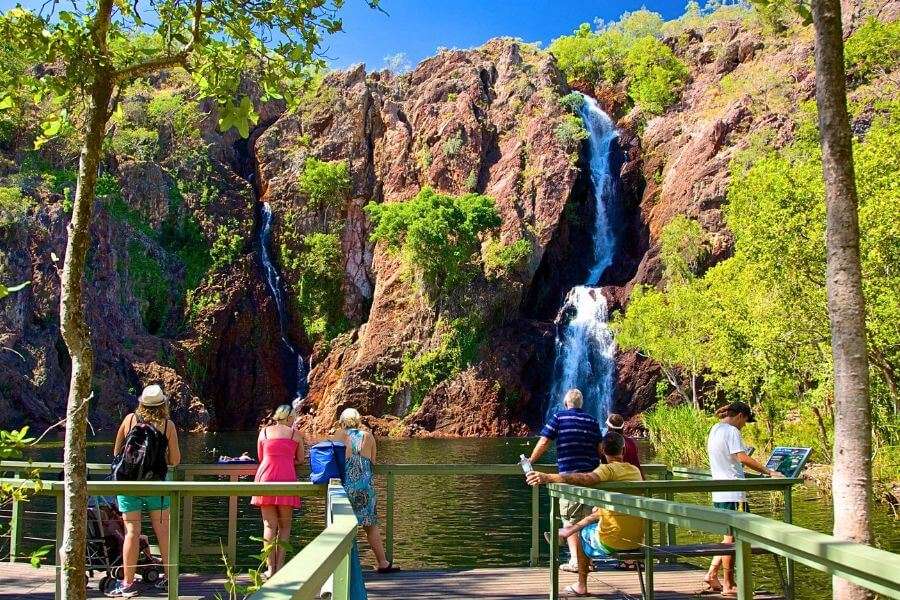
Florence Falls and Wangi Falls are the park's signature attractions. Both feature dramatic cascades dropping into natural rock pools surrounded by tropical rainforest, and both are safe for swimming outside of the wet season. Buley Rockhole is a series of cascading pools along a creek, popular with cruise passengers who want a refreshing stop mid-tour.
The magnetic termite mounds are a Litchfield landmark unlike anything found elsewhere in Australia. These tall, flat structures built by termites are precisely aligned on a north-south axis and can reach heights of over two meters. Cathedral termite mounds nearby are taller still and create a surreal landscape through the eucalyptus woodland.
Why Litchfield Works Well for Cruise Passengers
Tour operators running Litchfield shore excursions from Darwin design their itineraries specifically around cruise schedules. Pick-up is available directly from Fort Hill Wharf, all entrance fees are included, and guides guarantee return to the terminal before the ship departs. The park's proximity to Darwin makes it a reliable option even for shorter port stays.
Jumping Crocodile Cruise on the Adelaide River
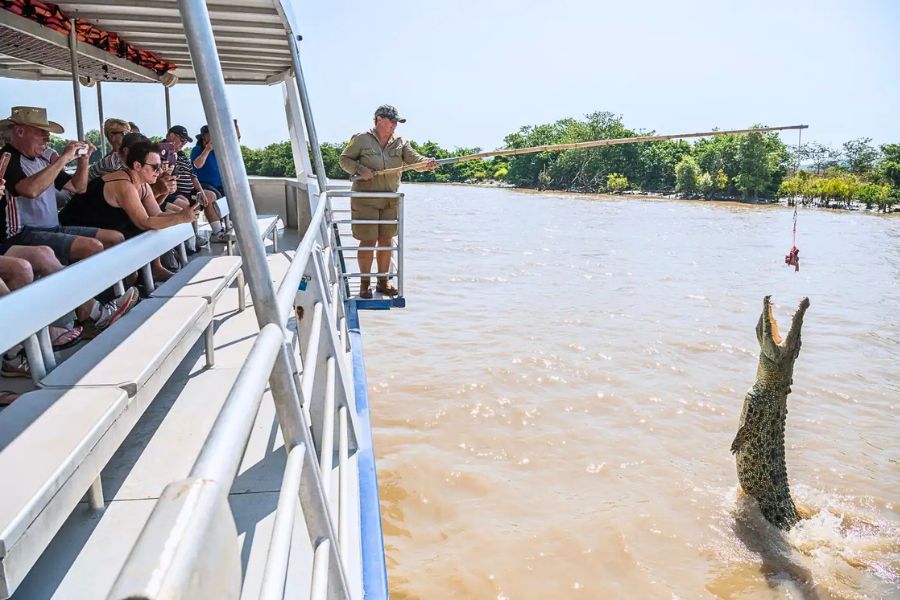
The Jumping Crocodile Cruise on the Adelaide River is one of Darwin's most iconic experiences and one of the best half-day options for cruise passengers. More than 80,000 saltwater crocodiles roam the waterways of northern Australia, and the Adelaide River is where these powerful animals can be seen at close range.
On the cruise, guides extend bait from the boat on a long pole, drawing the largest crocodiles out of the water in spectacular leaps. Passengers photograph these prehistoric animals from the safety of the vessel while guides provide commentary on crocodile biology, behavior, and conservation. The river is also rich with birdlife, including white-breasted sea eagles and various species of heron and egret.
The Adelaide River is approximately one hour from Darwin by road. Many tour operators combine the jumping crocodile cruise with a stop at Litchfield National Park for a complete full-day excursion.
Darwin City Highlights - History, Wildlife, and Culture on Your Doorstep
For cruise passengers who prefer to stay close to the city or have a shorter port window, Darwin itself offers several worthwhile attractions within easy reach of Fort Hill Wharf.
Darwin Military Museum and WWII History
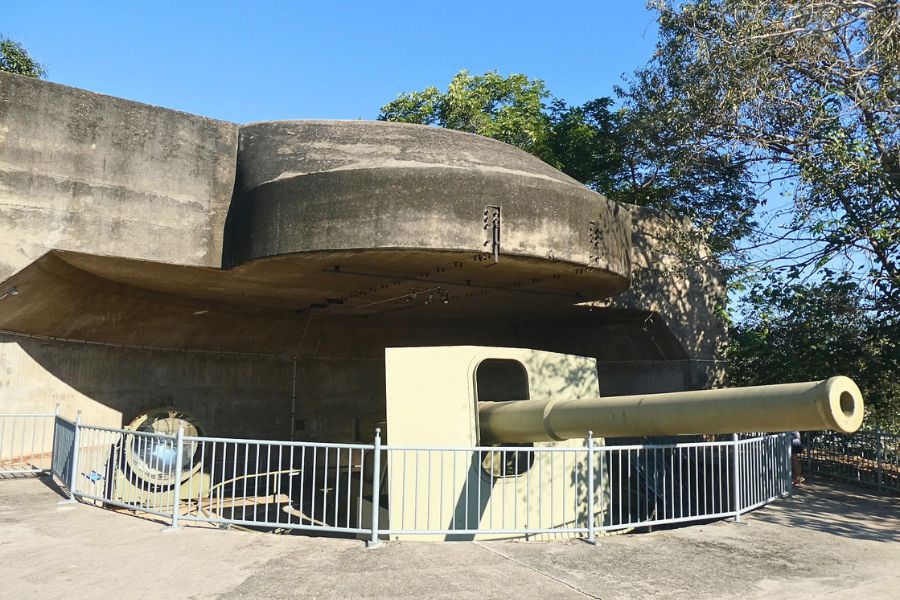
Darwin holds a significant place in Australian wartime history. On 19 February 1942, Japanese aircraft carried out the largest single foreign attack on Australian soil, bombing the harbor and city in raids that continued 65 times over the following years. The Darwin Military Museum at East Point houses an extensive collection of WWII artillery, vehicles, uniforms, and paintings documenting this period. The Defence of Darwin Experience within the museum provides an immersive account of the bombing and its aftermath.
Crocosaurus Cove
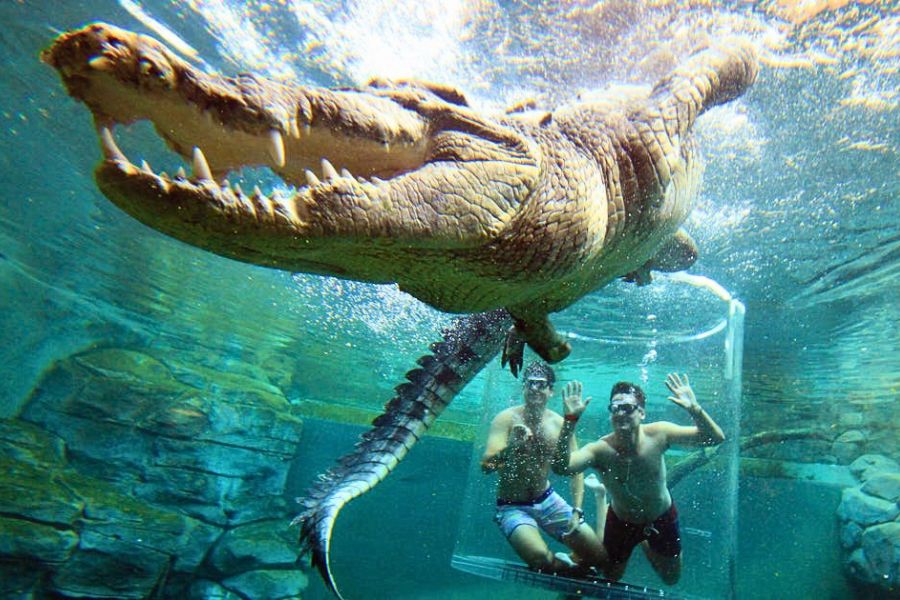
Located in the heart of Darwin city, Crocosaurus Cove is home to some of the largest saltwater crocodiles in captivity. The facility's signature attraction is the Cage of Death, a transparent acrylic enclosure that is lowered into a crocodile tank, placing visitors face-to-face with animals measuring up to five meters in length. For passengers who want a crocodile encounter without traveling to the Adelaide River, Crocosaurus Cove is a 5 to 15 minute walk from the cruise terminal.
Darwin Waterfront and Mindil Beach Sunset Markets
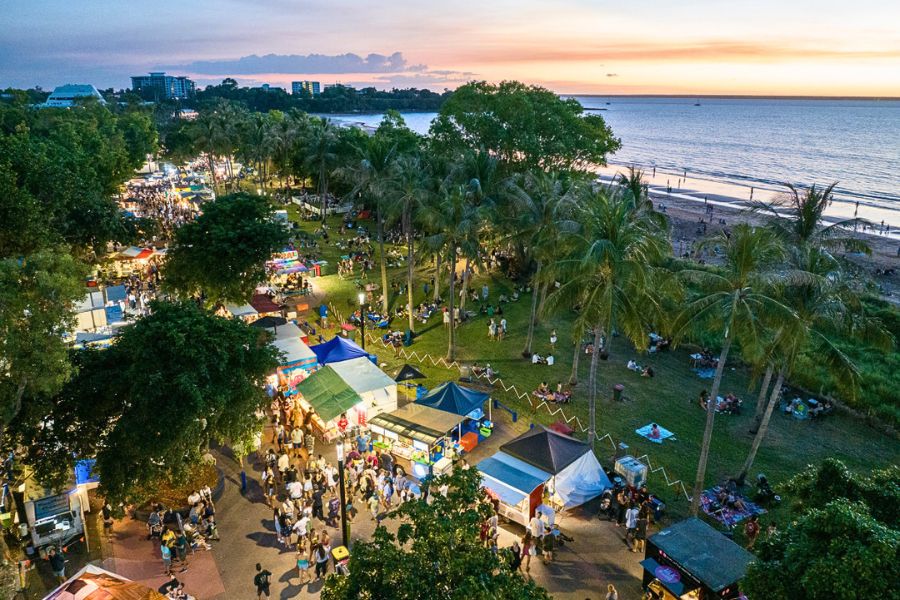
The Darwin Waterfront Precinct is a short walk from Fort Hill Wharf and includes a wave pool, saltwater swimming lagoon, restaurants, and cafes. On Thursdays and Sundays during the dry season, the Mindil Beach Sunset Markets draw locals and visitors for food stalls, live music, local crafts, and spectacular sunsets over the Timor Sea. Cruise passengers whose port days fall on these evenings should plan their schedule to include the markets.
Museum and Art Gallery of the Northern Territory
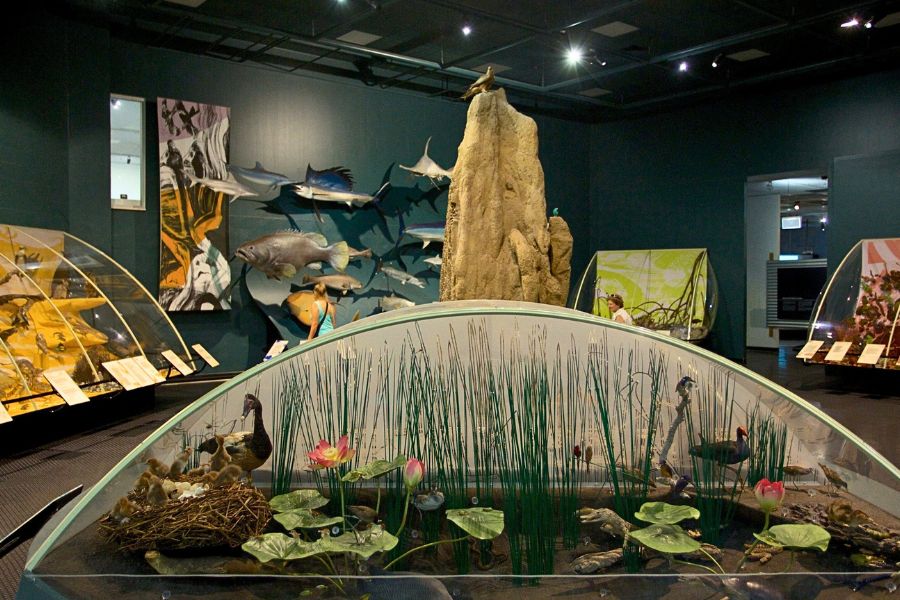
This museum houses one of Australia's most significant collections of Aboriginal and Torres Strait Islander art alongside exhibits on natural history, Cyclone Tracy, and the maritime heritage of the region. Admission is free and the museum is located approximately 4 kilometers from the cruise terminal.
Territory Wildlife Park - Native Australian Animals in Natural Habitat
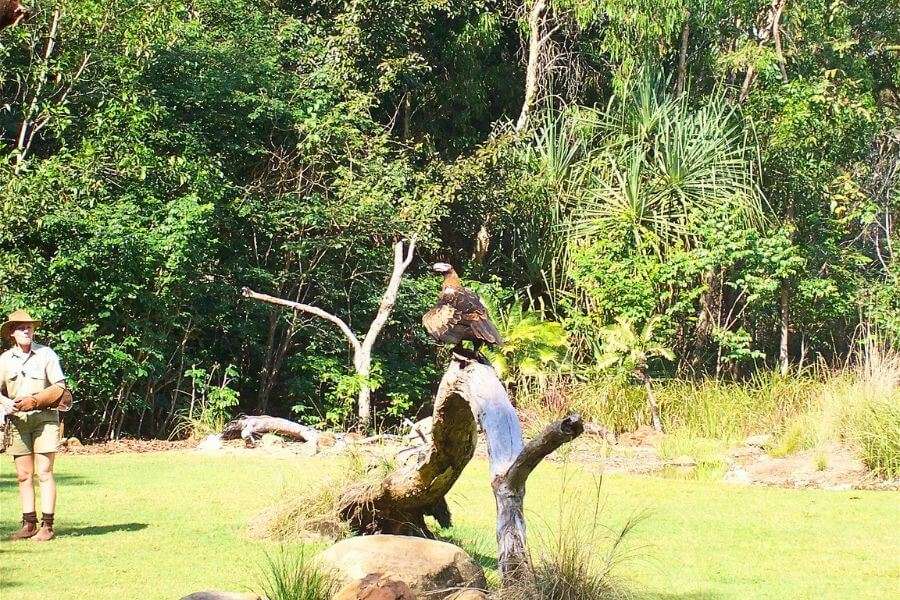
Set within 1,000 acres of bushland approximately 60 kilometers south of Darwin, Territory Wildlife Park provides an opportunity to see native Australian animals in large, naturalistic enclosures. The park is home to wallabies, freshwater crocodiles, quolls, and a range of tropical bird species. An open-air shuttle connects the different habitat zones, and a walk-through nocturnal house and an aquarium are among the highlights.
Territory Wildlife Park suits cruise passengers who want a wildlife-focused experience that is less physically demanding than a full Kakadu or Litchfield day tour.
Darwin Shore Excursion Tips for Cruise Passengers
Planning ahead makes a significant difference to the quality of a Darwin port day. The city's best experiences, particularly the national park day tours, require early departures, advance bookings, and an understanding of how Darwin's tropical seasons affect what is accessible and enjoyable. The three areas below cover the essentials every cruise passenger should know before arriving in port.
Best Time to Visit Darwin by Cruise
The dry season from May to October is the best time for a Darwin port stop. Temperatures are warm rather than oppressive, humidity is lower, all national park roads are open, and wildlife at Kakadu and Litchfield is concentrated around water sources, making sightings more reliable. Peak cruise months are July, August, and September.
The wet season from November to April brings heavy monsoonal rain, high humidity, and occasional road closures in the national parks. Some operators modify their itineraries during this period, substituting accessible sites for those affected by flooding.
What to Pack for a Darwin Port Day
Darwin's tropical climate requires preparation. Passengers should pack sunscreen with a high SPF rating, a wide-brimmed hat, lightweight and breathable clothing, comfortable closed-toe walking shoes, insect repellent for national park visits, and at least 1.5 liters of water per person. Temperatures can exceed 35 degrees Celsius during the dry season and are even higher in the wet season.
Booking Shore Excursions in Darwin
All shore excursions for Darwin cruise passengers should be booked in advance. Kakadu day tours in particular have limited availability and sell out during the peak July to September period. Tour operators running cruise-friendly excursions design their itineraries to guarantee return to Fort Hill Wharf before the ship departs, even accounting for delayed disembarkation. Independent bookings outside of dedicated shore excursion operators carry the risk of missing the ship if transport is delayed.
Darwin rewards cruise passengers with experiences that are genuinely unlike anything found at other Australian ports. The combination of World Heritage wilderness, ancient Aboriginal culture, wartime history, and unique wildlife means that even a single day ashore leaves a lasting impression. Plan ahead, book your tours early, and make the most of every hour in Australia's Top End.
For a full selection of tours across all Darwin attractions, explore Australia shore excursions through Shore Excursions Asia.


 Contact Us via Messenger
 Send Inquiry