
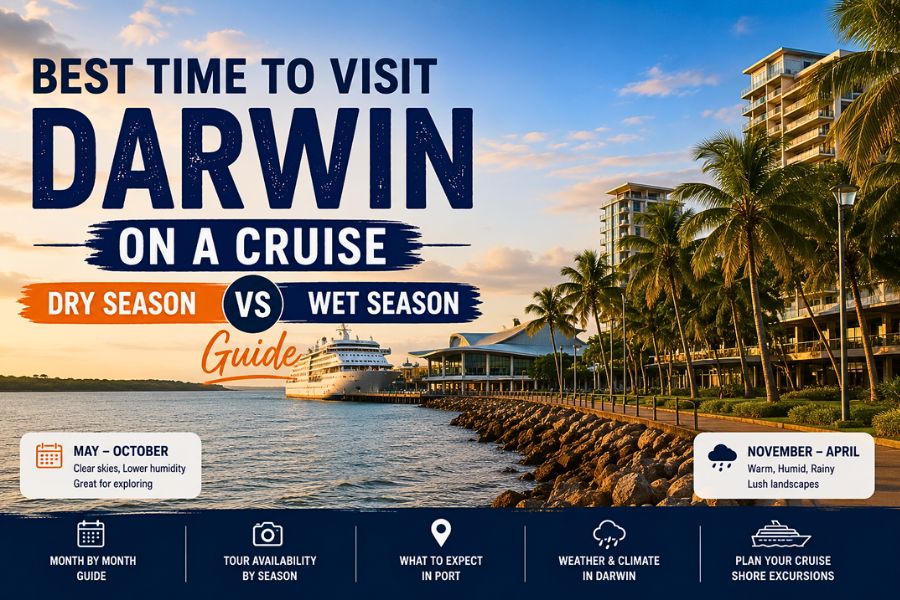
Darwin is unlike any other port on the Australian cruise circuit. Its tropical climate divides the year into two sharply distinct seasons, and the season in which a ship arrives shapes everything a passenger experiences ashore. From national park access to wildlife sightings, tour availability, and temperature, the timing of a Darwin port call makes a genuine difference.
For cruise passengers planning ahead, booking Darwin shore excursions before arrival ensures availability regardless of the season. Shore Excursions Asia operates cruise-friendly tours across both seasons and designs all itineraries to return passengers to Fort Hill Wharf before the ship departs.
This guide covers what cruise passengers need to know about Darwin's dry and wet seasons, month by month conditions, and how the season affects each type of shore excursion.
Darwin's Two Seasons - A Quick Overview for Cruise Passengers
Darwin operates on a two-season calendar that differs from the four-season pattern found in southern Australian ports like Sydney and Melbourne. Understanding the basic difference between the dry and wet seasons helps passengers set the right expectations before arriving in port.
Dry Season (May to October)
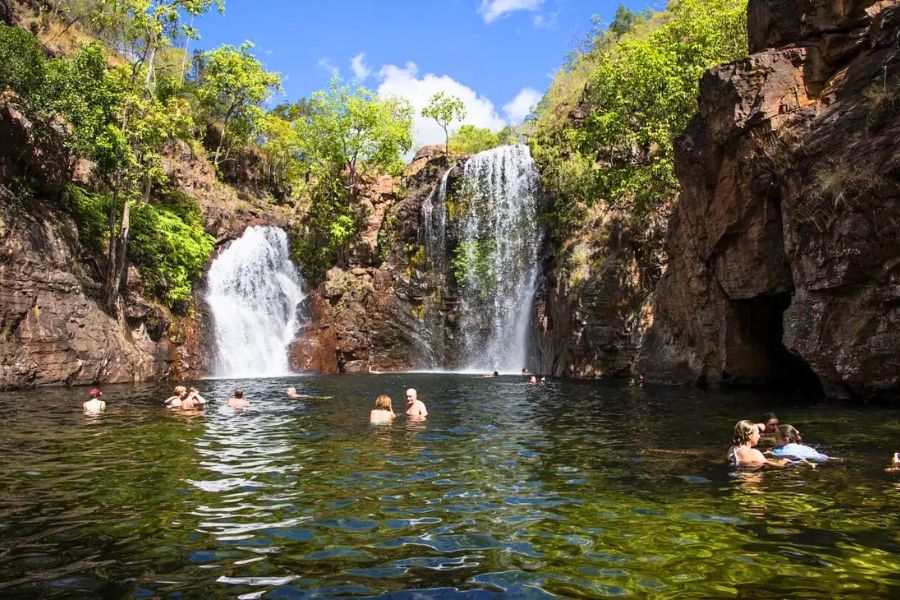
The dry season runs from May to October and is the primary cruise season in Darwin. Skies are clear and blue, humidity drops significantly compared to the wet months, and daytime temperatures sit comfortably between 21°C and 32°C (70°F to 90°F). Nights can feel cool by Darwin standards, particularly in June and July when temperatures occasionally dip to 16°C (61°F). Rainfall is minimal, with July averaging just 2mm for the entire month.
National park roads are fully open, tour operators run complete itineraries, and wildlife is concentrated around permanent water sources, making sightings of crocodiles, birds, and other animals more reliable than at other times of year.
Wet Season (November to April)
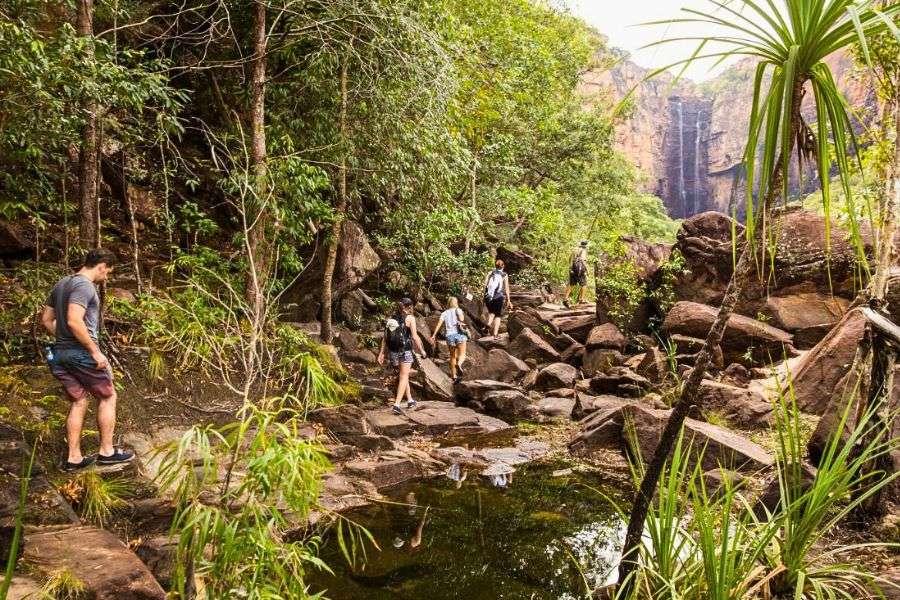
The wet season runs from November to April and is characterised by monsoonal rains, high humidity, and spectacular afternoon thunderstorms. Overnight temperatures stay around 25°C (77°F) and daytime highs remain similar to the dry season at around 32°C to 33°C (90°F to 91°F), but humidity climbs to 80 percent or above. January is the wettest month, with an average of 432mm of rainfall. The wet season is also the Northern Territory's cyclone season.
Some cruise ships do call into Darwin during the wet season, particularly from November to February. Tour availability is more limited during this period, and some national park sites and roads may be inaccessible due to flooding.
Month by Month Guide for Darwin Cruise Passengers
Knowing the general seasons is useful, but month-by-month conditions help passengers understand exactly what to expect on the day their ship is in port.
May - Start of Dry Season
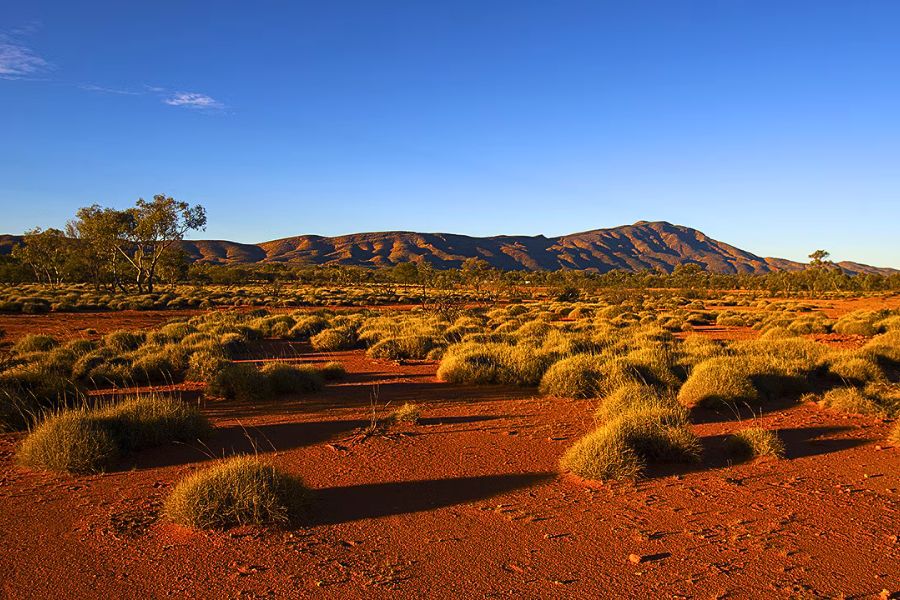
May marks the beginning of the dry season and is an excellent time to visit Darwin by cruise. Humidity starts to drop, skies clear, and national parks transition from wet-season flooding to dry-season accessibility. Some roads in Kakadu may still be affected by residual wet-season water in early May, so tour operators confirm access closer to the date. Temperatures average between 20°C and 31°C (68°F to 88°F).
June and July - Peak Dry Season
June and July are the coolest and most comfortable months in Darwin. Humidity is at its lowest, temperatures are mild, and all national park attractions including Kakadu and Litchfield are fully accessible. These are the most popular months for cruise calls into Darwin, and Kakadu day tours fill up quickly. Passengers with port calls in June or July should book shore excursions as early as possible.
August and September - Peak Cruise Season
August and September represent the height of cruise season in Darwin. Conditions are similar to June and July, with clear skies and low humidity, though temperatures begin to rise slightly toward October. Tour availability is at its highest but so is demand. Ships from major cruise lines including Celebrity, Princess, and Silversea regularly call into Darwin during this period.
October - Late Dry Season
October sits at the tail end of the dry season. Temperatures rise and humidity begins to build in anticipation of the wet season. Daytime highs can push toward 35°C (95°F) and above. All tours remain operational but passengers should prepare for warmer conditions and pack extra water and sun protection. The lead-up to the wet season also brings some of Darwin's most dramatic lightning displays, visible over the Timor Sea in the evenings.
November and December - Transition and Early Wet Season
November marks the start of the build-up period before the full wet season. Humidity climbs steeply, afternoon thunderstorms become frequent, and October to December is known locally as the season of spectacular lightning storms. Some national park access begins to be affected by early wet-season rains. Cruise ships calling at Darwin in November and December will find a reduced selection of full-day tours to Kakadu, though Litchfield and city-based activities remain largely accessible.
January to April - Wet Season
January through to April represents the heart of the wet season. Rainfall peaks in January at around 432mm for the month, and monsoonal activity can affect road access to Kakadu and parts of Litchfield National Park. Cruise calls during this period are less common but do occur. Passengers arriving in port during the wet season can still access Darwin city attractions, the Jumping Crocodile Cruise on the Adelaide River, Crocosaurus Cove, and the Darwin Waterfront. Tour operators adjust itineraries to reflect current access conditions and communicate changes to passengers in advance.
How the Season Affects Each Type of Darwin Shore Excursion
The season does not affect all Darwin shore excursions equally. Some tours operate year-round without significant changes, while others are directly impacted by wet-season conditions.
Kakadu National Park Day Tours
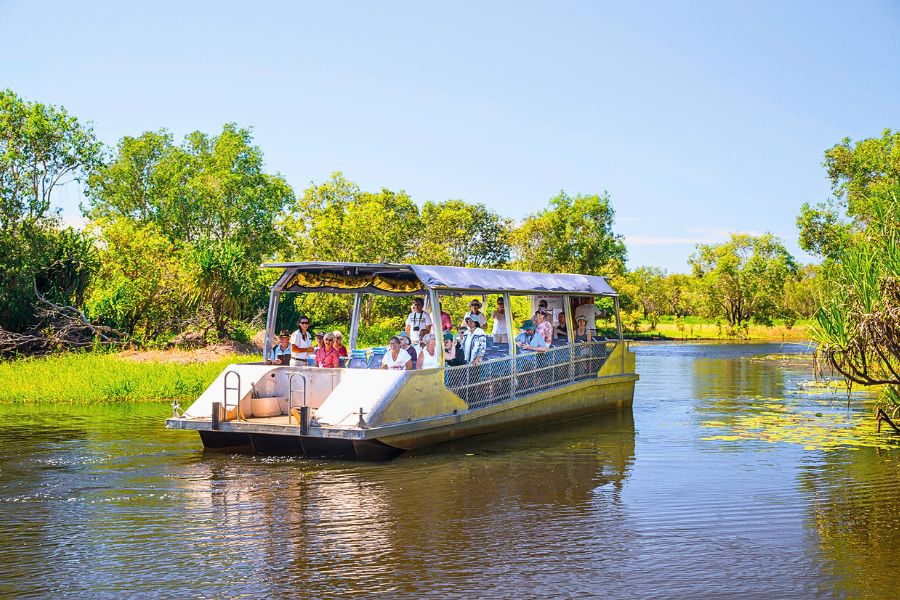
Kakadu is the tour most affected by seasonal variation. During the dry season from May to October, all major sites including Yellow Water Billabong, Nourlangie, Ubirr, and the Warradjan Aboriginal Cultural Centre are accessible and included in standard itineraries. During the wet season, flooding can close roads to Ubirr and other outlying areas. Operators substitute accessible alternatives, but passengers who specifically want to visit Ubirr or Yellow Water should aim for a dry-season port call.
Litchfield National Park and Waterfalls Tours
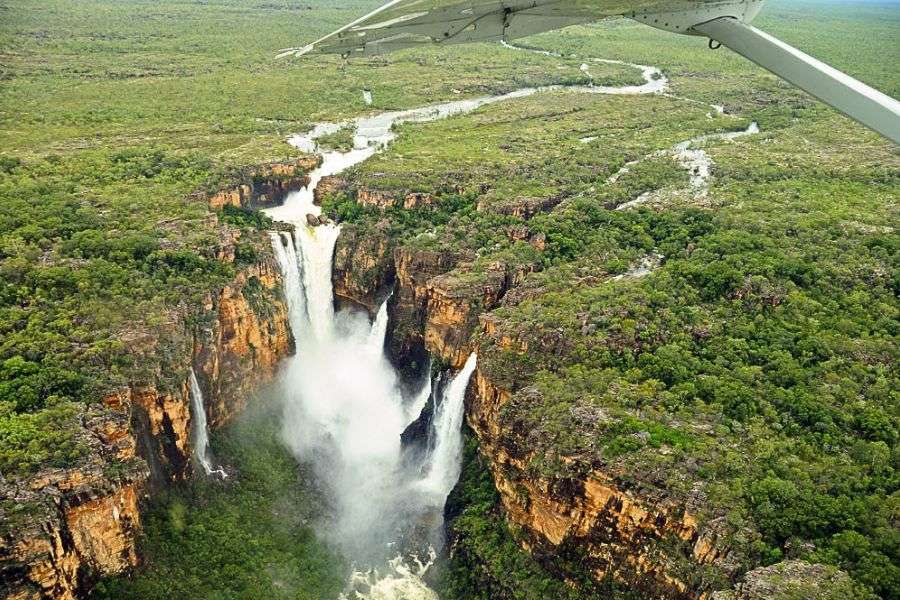
Litchfield is more resilient to wet-season conditions than Kakadu. The main waterfalls including Florence Falls and Wangi Falls are accessible for most of the year, and they run at their most dramatic during and immediately after the wet season. Swimming at the waterfalls is possible outside of the wet season when the water quality and safety conditions have been assessed. Some operators do run Litchfield tours in the wet season with adjusted swimming stops.
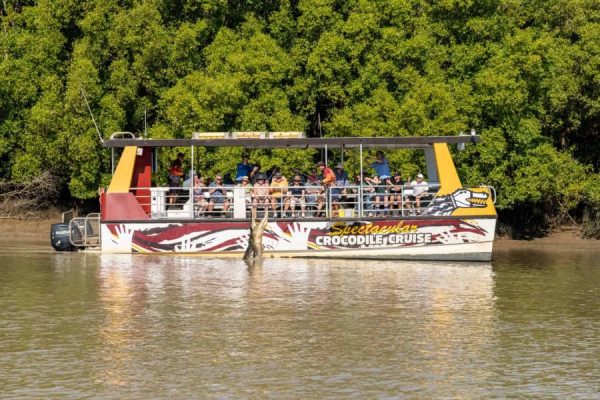
Jumping Crocodile Cruise on the Adelaide River
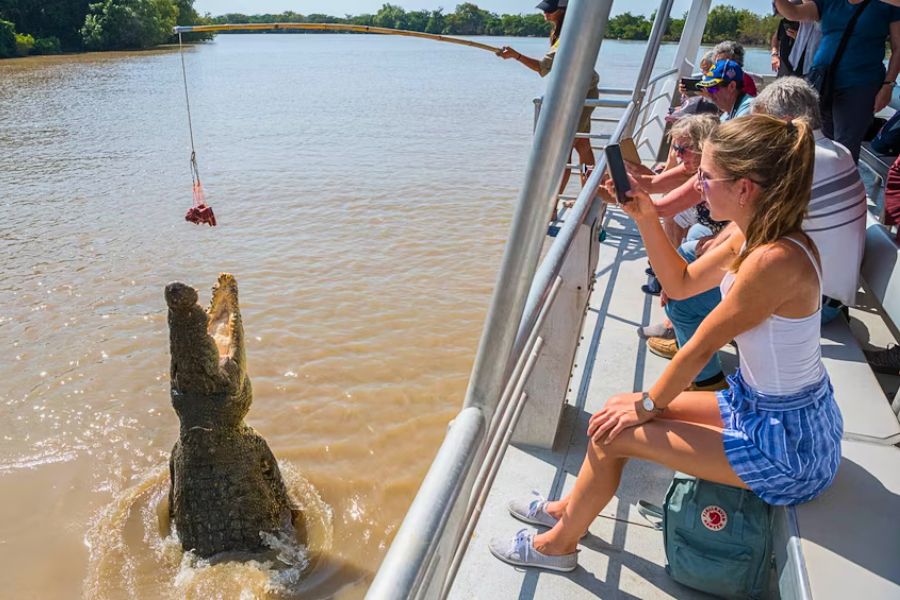
The Jumping Crocodile Cruise operates year-round. Saltwater crocodiles are present in the Adelaide River regardless of the season. During the wet season, the river landscape is lush and green, which some passengers find adds to the visual experience. This tour is one of the most reliable options for wet-season port calls.
Darwin City Tours
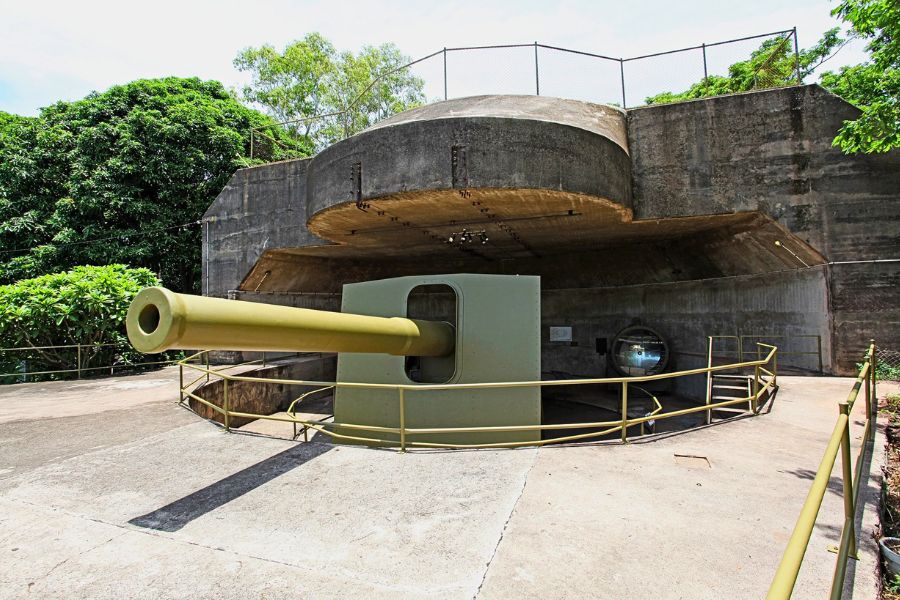
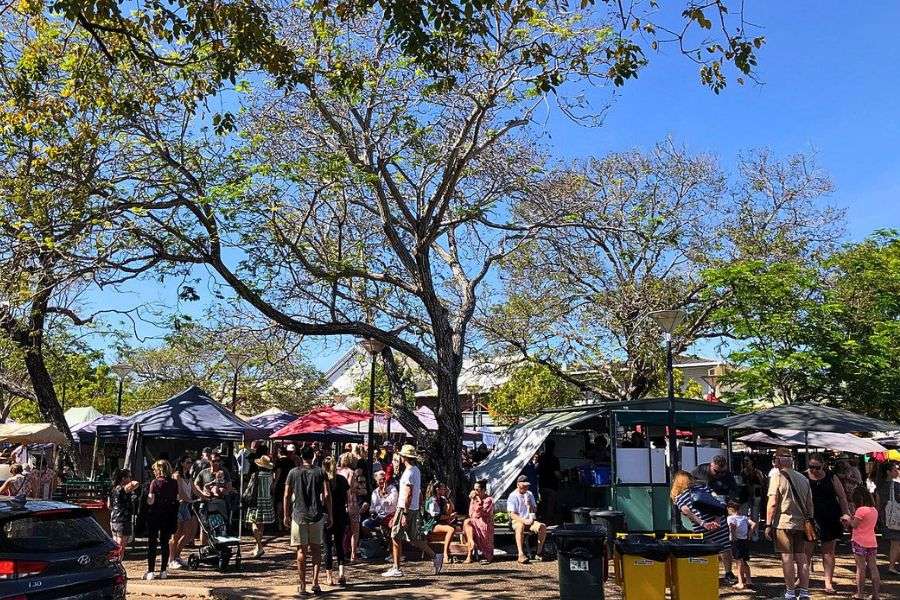
Darwin city-based tours including the Darwin Military Museum, Crocosaurus Cove, and the Darwin Waterfront operate throughout the year with no seasonal restrictions. Mindil Beach Sunset Markets run on Thursdays and Sundays during the dry season only, from May to October.

Australia Shore Excursions
- Duration: 4 hours
- Pick-up/Drop-off: Darwin Cruise Port / Darwin Cruise Port
- Highlights: Darwin City Tour, WWII History, Darwin Military Heritage, Waterfront Area, Historic Landmarks
- Tour Customizable: Absolutely! (Tell us your specific requirements in the inquiry form)
Australia Shore Excursions
- Duration: 4 hours
- Pick-up/Drop-off: Darwin Cruise Port / Darwin Cruise Port
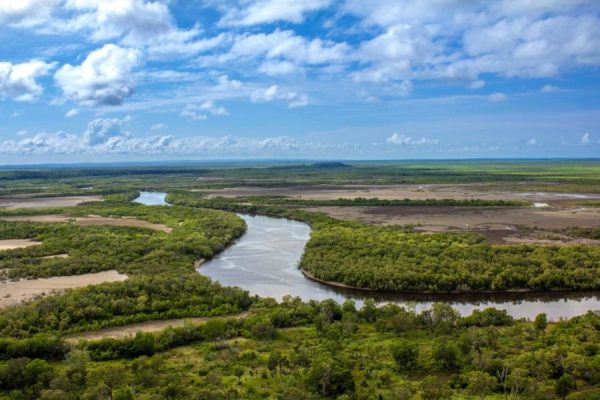
- Highlights: Adelaide River, Jumping Crocodiles, Northern Territory Wetlands, Wildlife Viewing
- Tour Customizable: Absolutely! (Tell us your specific requirements in the inquiry form)
Australia Shore Excursions
- Duration: 9 hours
- Pick-up/Drop-off: Darwin Cruise Port / Darwin Cruise Port
- Highlights: Litchfield National Park, Aboriginal Cultural Experience, Wangi Falls, Florence Falls, Woolaning Spring
- Tour Customizable: Absolutely! (Tell us your specific requirements in the inquiry form)
Practical Tips for Darwin Cruise Passengers in Any Season
Regardless of which month a cruise ship arrives in Darwin, a few practical considerations apply across all seasons.
What to Wear and Pack
For dry-season visits, lightweight clothing, a wide-brimmed hat, sunscreen, and comfortable walking shoes are the essentials. For wet-season visits, add a compact waterproof jacket or poncho and insect repellent. In all seasons, passengers should carry at least 1.5 liters of water per person for any outdoor tour, as Darwin's heat and humidity accelerate dehydration.
Booking Shore Excursions in Advance
Dry-season tours, particularly Kakadu day trips during June, July, August, and September, have limited capacity and fill up well in advance of the ship's arrival. Booking early through a dedicated shore excursion operator removes the risk of missing out on preferred tours and guarantees a confirmed departure from Fort Hill Wharf with a return schedule aligned to the ship's departure time.
Port Stay Length and Tour Selection
Darwin port stays typically run between 8 and 12 hours. A 12-hour stay comfortably accommodates a full Kakadu day tour, including the early 6:00am departure and return by approximately 7:30pm. An 8-hour stay is better suited to Litchfield National Park, the Jumping Crocodile Cruise, or a Darwin city and Crocosaurus Cove combination. Passengers should confirm their ship's arrival and departure times before selecting a tour to ensure all activities fit within the available window.
Darwin rewards cruise passengers in every season, though the dry months from May to October offer the most consistent access to the full range of shore excursions and national park experiences. Passengers arriving during the wet season will find a smaller but still worthwhile selection of tours, a greener and more dramatic landscape, and a Darwin that feels genuinely tropical in a way that few Australian ports can match.
For a full list of available tours by season, visit the Darwin shore excursions page or explore all Australia shore excursions through Shore Excursions Asia.


 Contact Us via Messenger
 Send Inquiry