
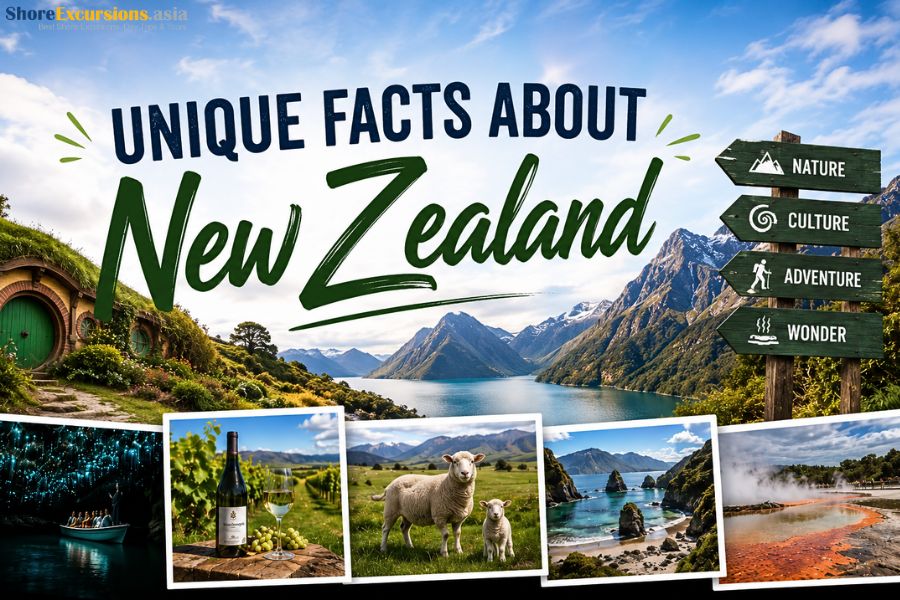
New Zealand is one of those rare destinations that consistently exceeds expectations, no matter how much you think you already know about it. From ancient volcanic landscapes and glowing caves to the birthplace of modern bungee jumping and the real-world home of Middle Earth, this small island nation at the edge of the Pacific packs an extraordinary amount of character into its two main islands. Shore Excursions Asia has worked with cruise passengers exploring New Zealand for years, and the reaction we hear most often after a port day here is simple: one day was not enough. Explore our full range of New Zealand shore excursions to start planning your port day.
What Makes New Zealand Truly One of a Kind
New Zealand sits at the southwestern edge of the Pacific Ocean, roughly 2,000 km southeast of Australia, and it is one of the most geographically isolated nations on Earth. That isolation is precisely what makes it so extraordinary. Cut off from the rest of the world for millions of years, New Zealand developed its own ecosystems, its own indigenous culture, and its own way of life that simply does not exist anywhere else on the planet.
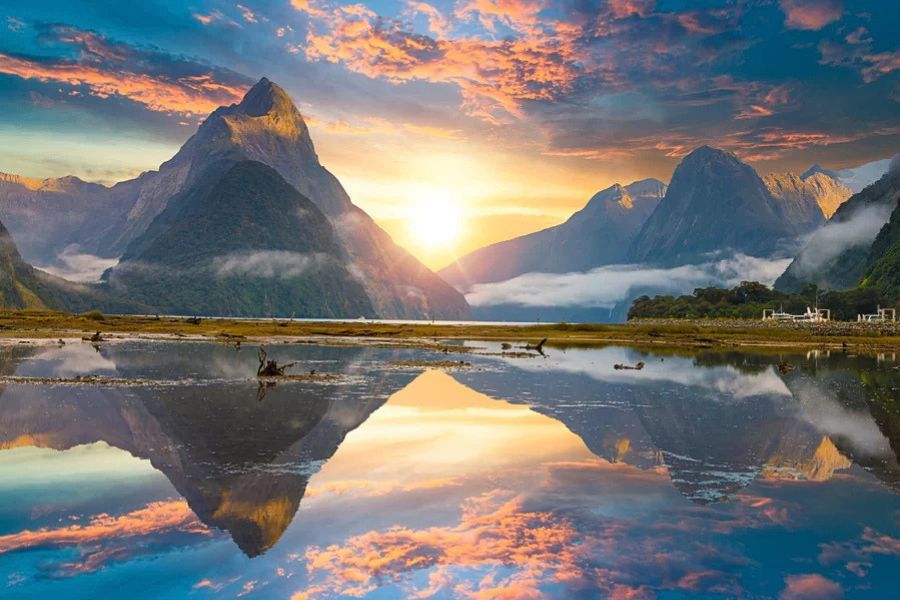
The country comprises two main islands, the North Island and the South Island, along with hundreds of smaller islands scattered across its coastline. The North Island is defined by volcanic activity, geothermal fields, and a rich Maori cultural heritage. The South Island is defined by the Southern Alps, deep glacial fiords, and some of the most dramatic coastal scenery found anywhere in the Southern Hemisphere. For cruise passengers, both islands offer port days that feel genuinely unlike anywhere else in the world. Shore Excursions Asia designs every New Zealand shore excursion around the specific port your ship calls at, so you make the most of every hour ashore.
The Maori Culture That Shapes Everything
Few facts about New Zealand are more important to understand than this one: Maori culture is not a historical artifact or a tourist attraction. It is a living, breathing part of everyday New Zealand life that influences the country's language, art, politics, and national identity at every level. For cruise passengers visiting New Zealand for the first time, understanding even a little about Maori culture before you step ashore transforms a port day into something genuinely meaningful.
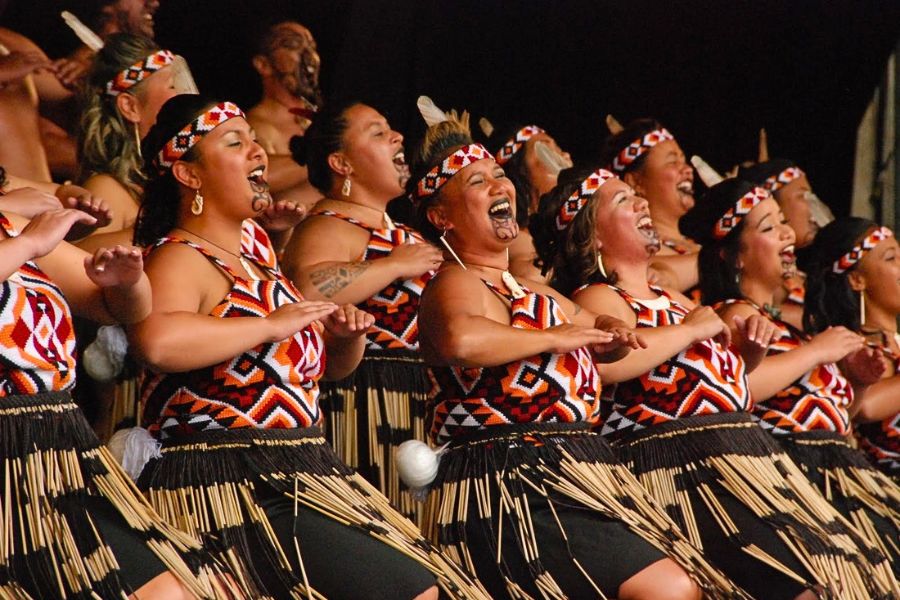
The haka, the traditional war dance most commonly associated with the All Blacks rugby team, is performed at welcomes, funerals, celebrations, and formal ceremonies across the country. The Maori language, te reo Maori, is an official language of New Zealand alongside English. Place names across the country carry Maori origins, and the Treaty of Waitangi, signed in 1840 between the British Crown and Maori chiefs, remains one of the country's founding documents and a living point of national conversation. Our dedicated guide to Maori culture in New Zealand covers everything you need to know about what to expect, where to go, and how to approach these experiences with the respect they deserve.
Geothermal Wonders That Feel Like Another Planet
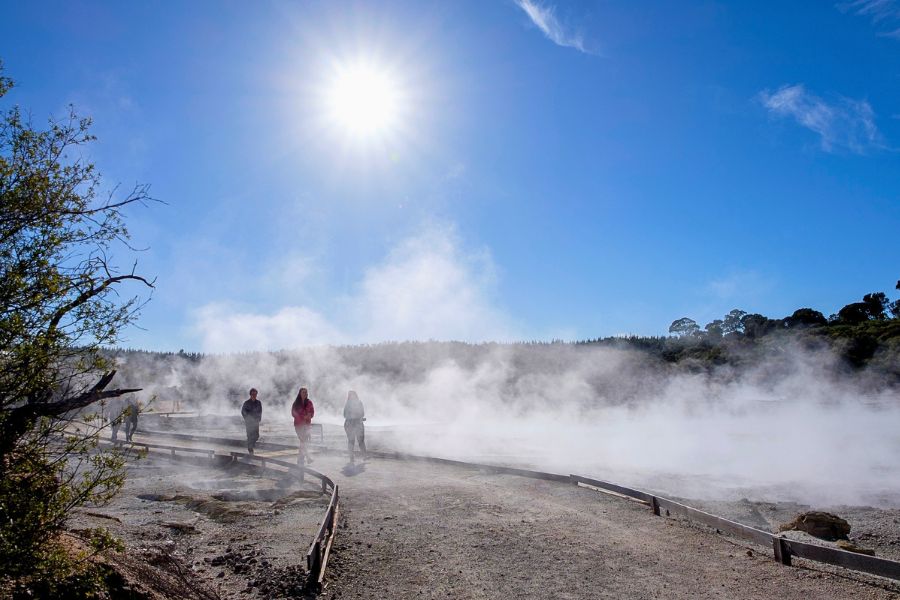
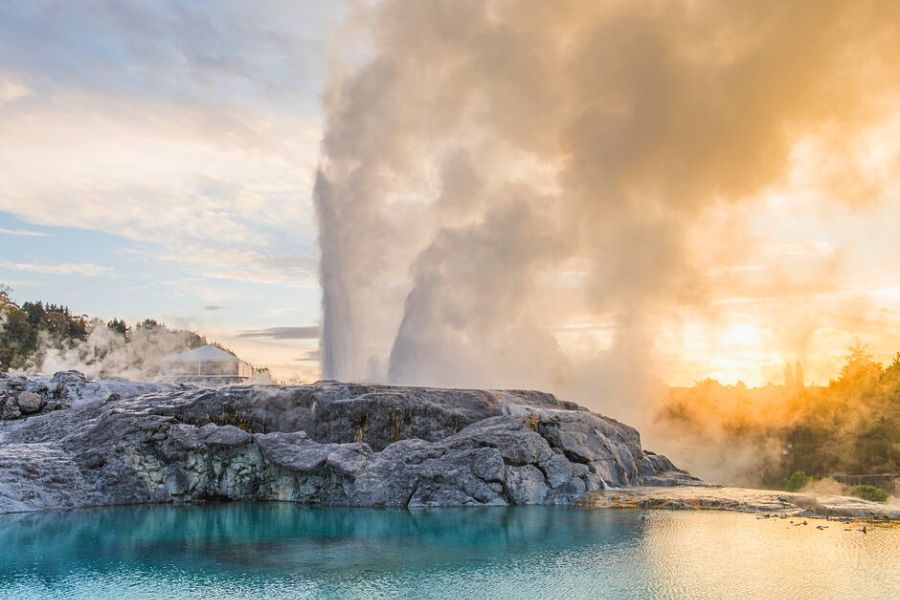
New Zealand sits on the Pacific Ring of Fire, and nowhere is that geological reality more visible than in the geothermal regions of the North Island. For cruise passengers arriving at Tauranga, the geothermal landscape around Rotorua is one of the most viscerally memorable experiences available anywhere on a New Zealand port day. The ground here steams, bubbles, and occasionally erupts, and the scale of the activity makes it feel less like a tourist attraction and more like witnessing the planet in the process of forming itself. For cruise passengers arriving at Tauranga, the geothermal landscape around Rotorua is one of the most memorable experiences available on our Tauranga shore excursions.
Rotorua and the Landscape of Bubbling Earth
Rotorua sits just one hour inland from Tauranga by road and is one of the most geothermally active places on the surface of the planet. Mud pools bubble at the surface with a slow, prehistoric rhythm. Geysers shoot columns of superheated water into the air at regular intervals. Te Puia combines the thermal valley with a living Maori arts and crafts institute where traditional carving and weaving are still taught and practiced. Wai-O-Tapu Thermal Wonderland offers mineral-rich pools in shades of green, yellow, orange, and deep blue that look more like a painter's palette than anything natural. Both sites are accessible on a full-day tour from Tauranga and represent some of the most unique things to do in New Zealand for any visitor with limited time ashore.
Waitomo Glowworm Caves and Underground New Zealand
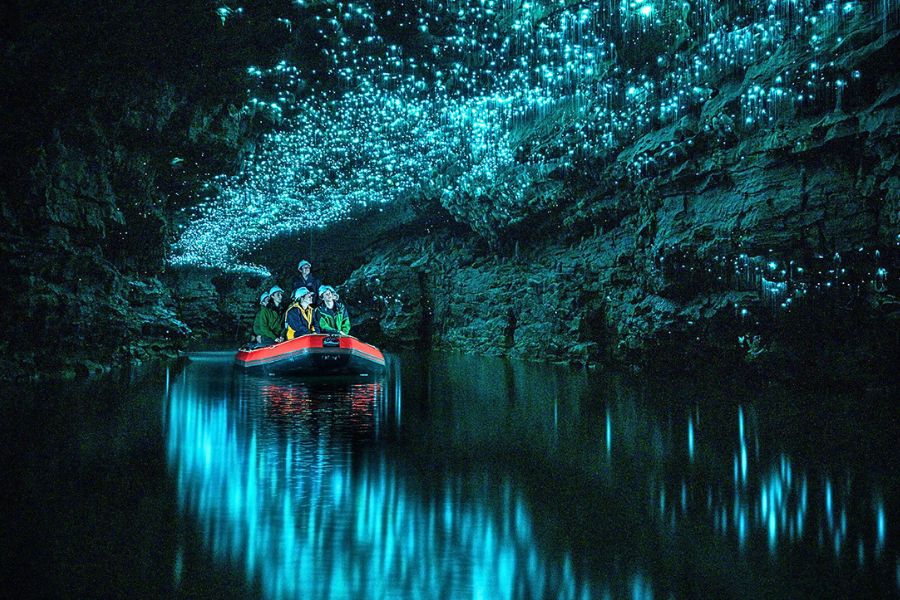
Below the rolling farmland of the Waikato region, a network of limestone caves stretches deep underground, and inside those caves lives one of New Zealand's most extraordinary natural secrets. The Arachnocampa luminosa, a species of glowworm found only in New Zealand, produces a bioluminescent light from the ceiling of the cave system that transforms the underground into something resembling a clear night sky filled with thousands of tiny stars. The Waitomo Glowworm Caves have been open to visitors since 1889 and remain one of the most consistently astonishing natural experiences in the country. For cruise passengers visiting Tauranga or Auckland, Waitomo is accessible as a full-day excursion and represents one of those unique facts about New Zealand that most visitors simply do not anticipate: that the most memorable thing they see on the entire trip might be underground.
The Real Middle Earth Behind Lord of the Rings
When Peter Jackson chose New Zealand as the filming location for The Lord of the Rings trilogy, he was recognizing something that travelers have known for much longer: New Zealand's landscapes are so varied, so dramatic, and so untouched that they genuinely look like a world that exists outside of normal human experience. For cruise passengers, this means that some of the most iconic scenery from one of the most beloved film series in history is accessible directly from the country's main cruise ports, and visiting it in person is one of the most unique things to do in New Zealand that no other destination in the world can replicate.
How New Zealand Became the Home of Tolkien's World
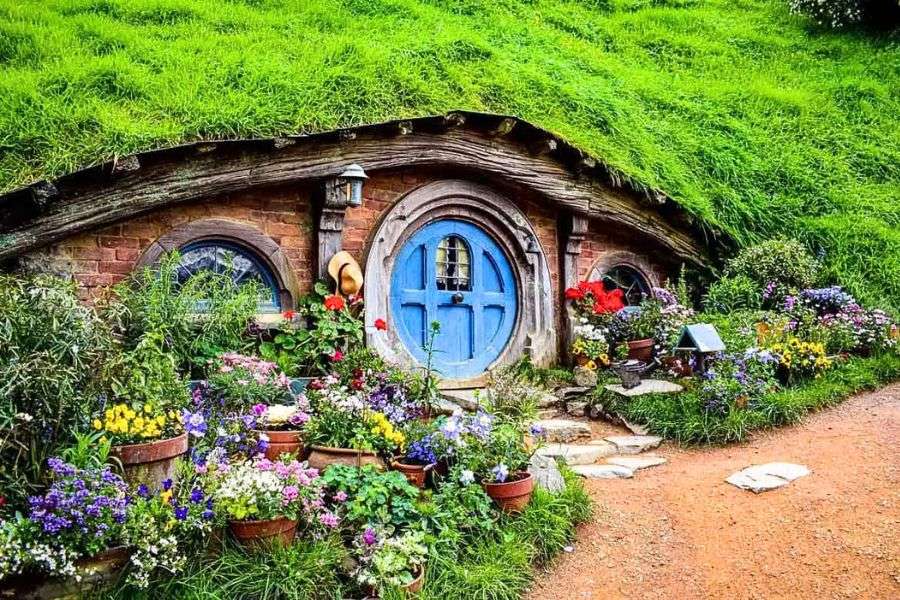
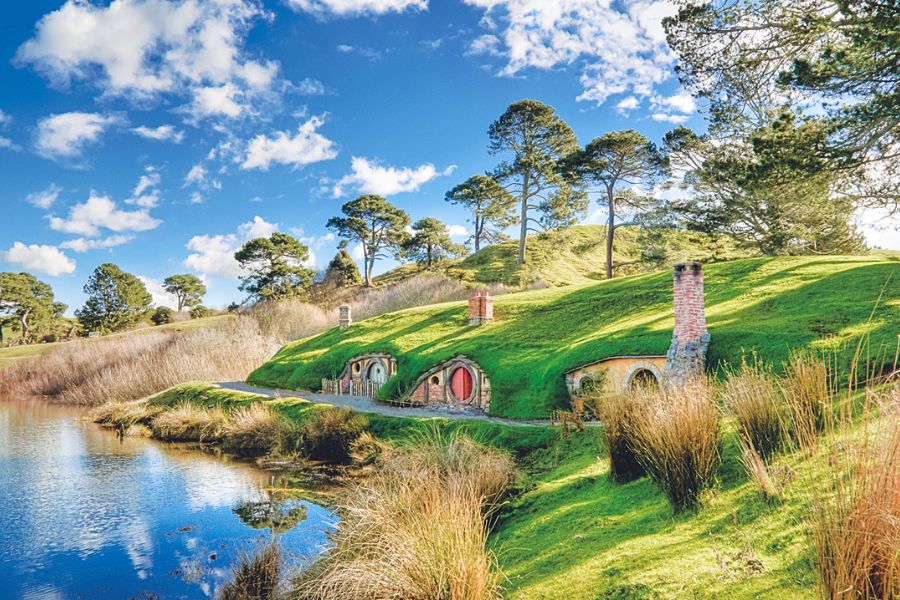
The fiords of the South Island stood in for Gondor. The volcanic plateau of the central North Island became Mordor. The rolling green hills of the Waikato became the Shire. The result was a series of films that introduced New Zealand's landscapes to a global audience of hundreds of millions, and the country has never looked back. Tourism New Zealand estimates that the Lord of the Rings and Hobbit film series have contributed billions of dollars to the national economy, and the connection between the films and the landscape remains one of the most powerful and unique things about New Zealand as a destination.
Hobbiton and Filming Locations You Can Actually Visit
The Hobbiton Movie Set near Matamata in the Waikato region is the most visited filming location in New Zealand and one of the most popular day tour destinations for cruise passengers arriving at Tauranga. Unlike most film sets, which are dismantled after production ends, Hobbiton was rebuilt in permanent materials after The Hobbit trilogy and remains a fully intact, functioning recreation of the Shire. Visitors walk through the original set, see Bag End, the Green Dragon Inn, and the mill, and hear behind the scenes stories from guides who worked on the productions. The surrounding farmland is privately owned and has been in the same family for generations, which adds an authenticity to the experience that purpose-built tourist attractions rarely achieve.
Wildlife Found Nowhere Else on the Planet
New Zealand's long geological isolation from the rest of the world produced an ecosystem unlike any other on Earth. With no native land mammals other than bats, the country's birds, reptiles, and marine life evolved along entirely unique paths over millions of years. For cruise passengers with an interest in natural history and wildlife, New Zealand offers encounters with species that simply cannot be seen anywhere else, making it one of the most compelling wildlife destinations in the Southern Hemisphere.
The Kiwi Bird and Its Place in New Zealand Identity
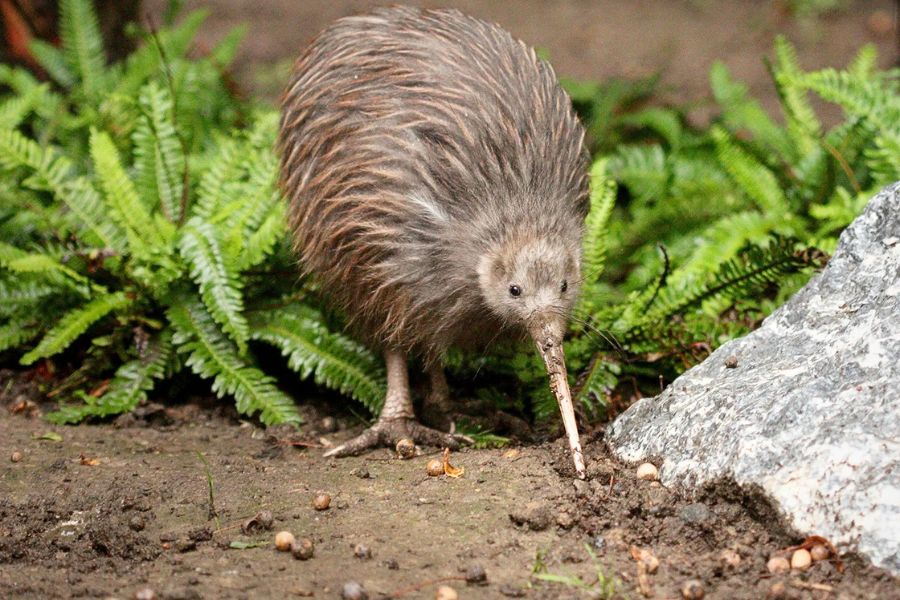
The kiwi is one of the most unusual birds on Earth. It is flightless, nocturnal, and roughly the size of a domestic chicken. It has nostrils at the tip of its long beak rather than at the base, making it the only bird in the world with this feature. It lays eggs that are proportionally the largest of any bird species relative to body size, and it is found exclusively in New Zealand. The kiwi has been the national symbol of New Zealand for over a century, and New Zealanders refer to themselves as Kiwis with a pride that speaks to how deeply the bird is woven into the national identity. Several wildlife sanctuaries and conservation centers across the country, including Zealandia in Wellington and the Kiwi House at Te Puia in Rotorua, give cruise passengers a genuine chance to see this remarkable creature up close.
Fiordland and the Wildlife of the Southern Coast
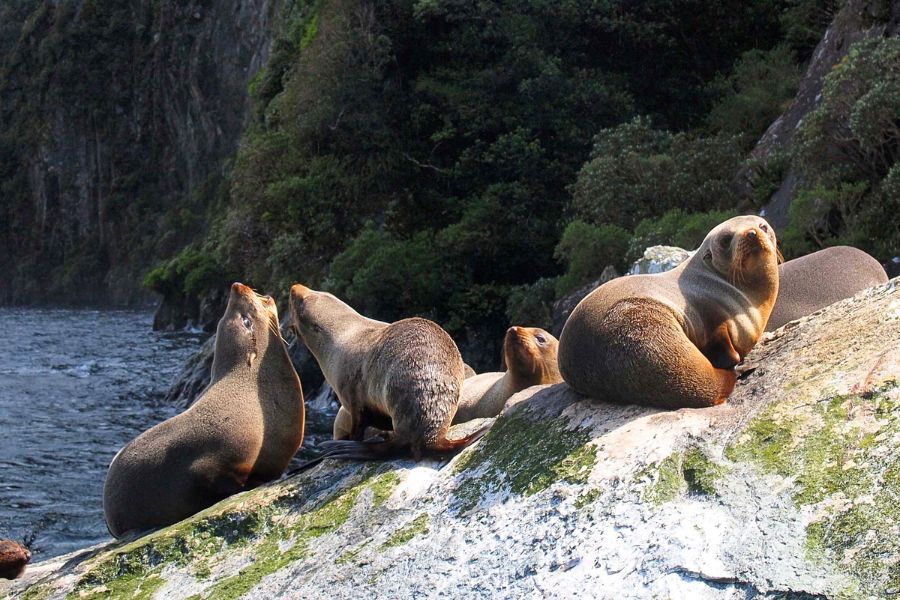
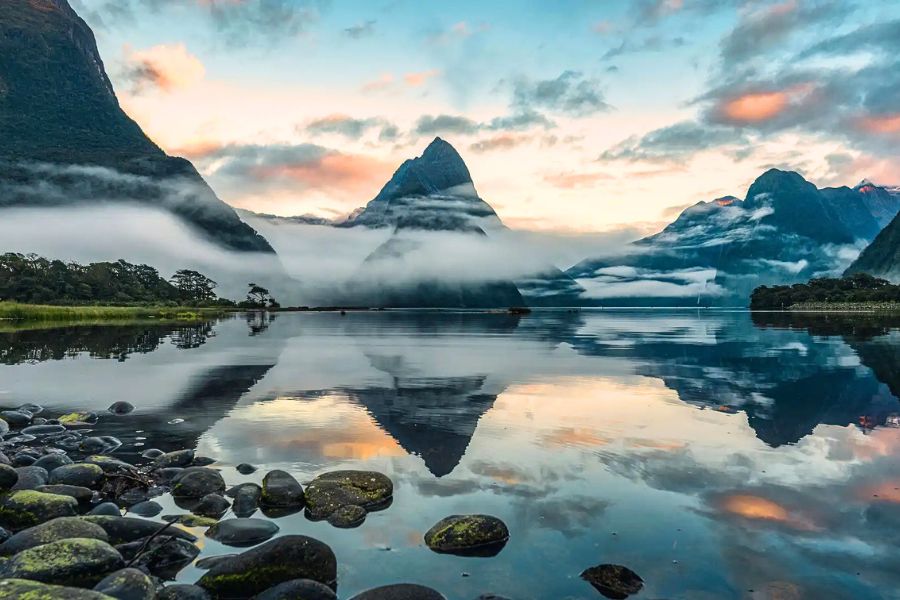
Fiordland National Park in the South Island is one of the largest national parks in the world and one of the most sparsely visited regions in New Zealand. The fiords were carved by glaciers over millions of years, and the resulting landscape of sheer cliff walls rising from dark water, with waterfalls threading down from the peaks above, is among the most dramatic natural scenery on the planet. The waters are home to bottlenose dolphins, New Zealand fur seals, and the rare Fiordland crested penguin. Milford Sound and Doubtful Sound are both accessible on scenic cruising days as part of South Island itineraries, and the silence when the boat engine is cut is a kind of quiet that most visitors have never experienced before.
Wine, Food and the Flavors Unique to New Zealand
New Zealand has established itself as one of the most exciting food and wine destinations in the world over the past three decades, and for cruise passengers who appreciate exceptional produce, the country's main port stops offer access to some genuinely world-class culinary experiences. From the Sauvignon Blanc vineyards of Marlborough to the Art Deco food culture of Napier, the flavors of New Zealand are as distinctive and memorable as its landscapes.
Marlborough Sauvignon Blanc and Why It Stands Alone
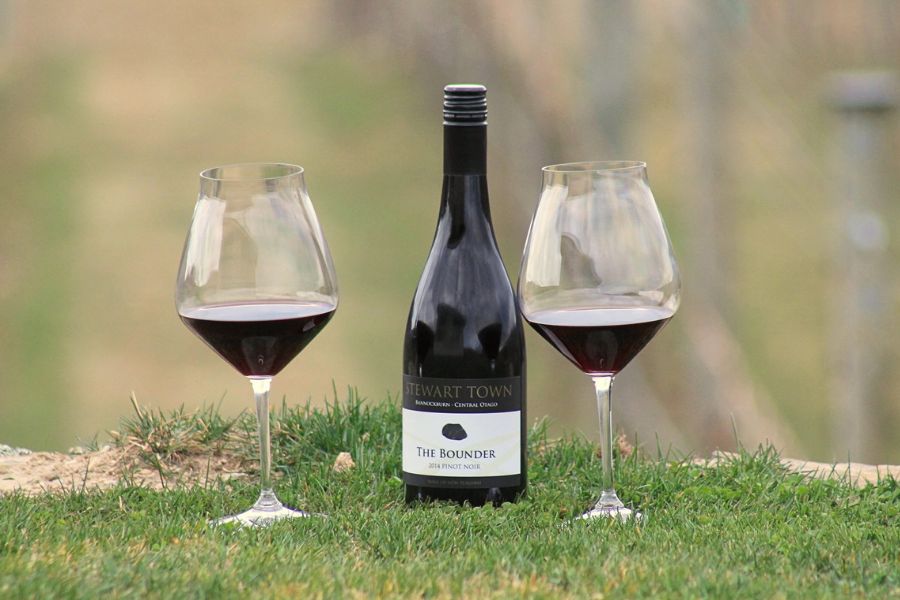
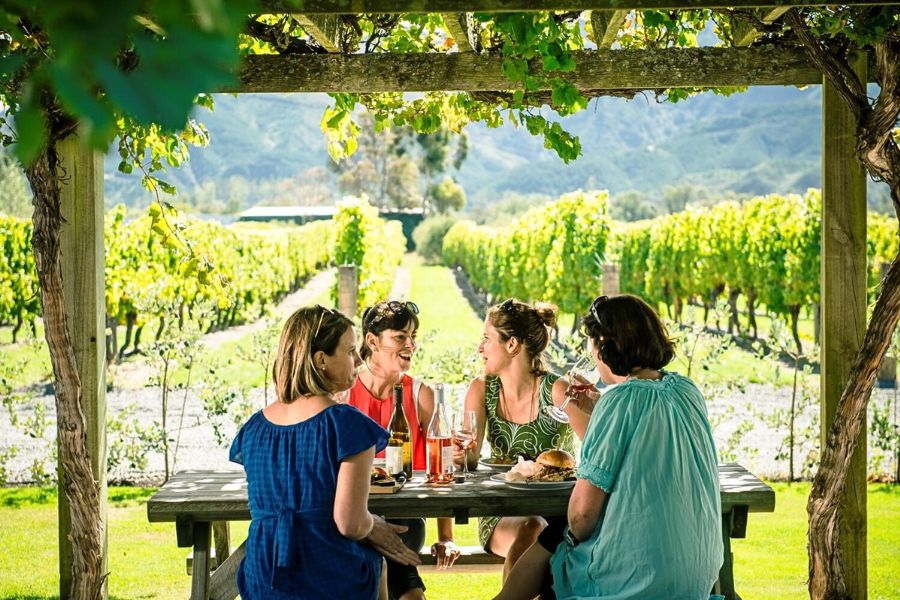
New Zealand produces Sauvignon Blanc unlike any other wine region in the world. The Marlborough region at the top of the South Island, accessible for cruise passengers arriving at Picton, produces a style characterized by intense passionfruit and citrus aromatics, a crisp minerality, and a freshness that has made it one of the most recognized wine styles globally. The Marlborough wine trail runs through the Wairau and Awatere Valleys and connects dozens of cellar doors, most of which welcome visitors without prior booking. For cruise passengers with a half day in Picton, a wine tour through Marlborough is one of the most distinctly New Zealand experiences available anywhere in the country. Wine lovers arriving in Picton can explore the region through our carefully designed Picton shore excursions and Marlborough wine experiences.
Hawke's Bay and the Food Culture of the East Coast
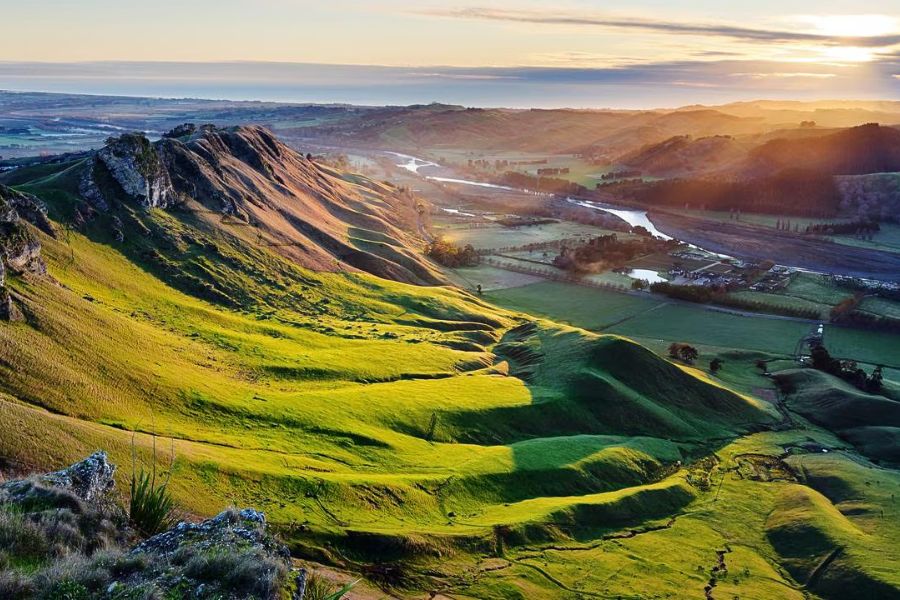
Hawke's Bay on the eastern coast of the North Island is New Zealand's oldest wine region and one of its most culinarily rich. Cruise passengers arriving at Napier, the region's Art Deco capital, have access to some of the country's finest red wines, including Syrah and Bordeaux-style blends that have attracted international attention over the past two decades. The region's farmers markets, olive groves, and orchard farms make it a genuine food destination as well as a wine one. Napier itself is one of the most architecturally distinctive cities in New Zealand, rebuilt almost entirely in the Art Deco style following a devastating earthquake in 1931, making Hawke's Bay one of the most rewarding port days on any New Zealand cruise itinerary. Hawke’s Bay remains one of the highlights of many Napier shore excursions, especially for travelers interested in wine and Art Deco heritage.
Unique Facts About New Zealand Geography and History
New Zealand's geography and history are full of surprises that even well-traveled visitors rarely anticipate. From the extraordinary recentness of its human settlement to the ancient reptiles that predate the dinosaurs still living in its forests today, the unique facts about New Zealand that emerge from its geography and history are among the most striking of any country in the world. Understanding these facts before you arrive gives every port day here a depth and context that makes the experience far more rewarding.
New Zealand Was One of the Last Places on Earth to Be Settled
New Zealand was the last significant landmass on Earth to be settled by humans. While civilizations were rising and falling across Europe, Asia, and the Americas, New Zealand remained entirely uninhabited. The Maori arrived from Eastern Polynesia approximately 700 years ago, making New Zealand's human history extraordinarily short by global standards. European settlement began only in the early 19th century, which means the entire recorded human history of New Zealand spans less than 200 years. This recent settlement is one of the reasons New Zealand's natural environment is so remarkably intact and why conservation is such a serious national priority today.
More Sheep Than People and Other Surprising Numbers
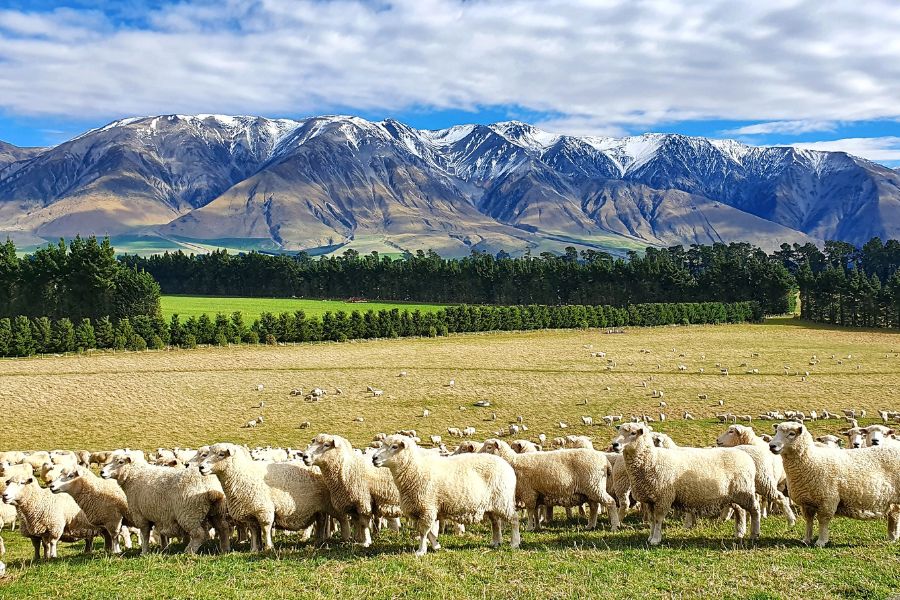
New Zealand has a population of approximately five million people and a sheep population that, while significantly reduced from its peak of 70 million in the 1980s, still outnumbers humans by a ratio of roughly five to one. The country was the first in the world to give women the right to vote, in 1893. It has three official languages: English, Maori, and New Zealand Sign Language. It is also home to the tuatara, a reptile species so ancient that it predates the dinosaurs and has no living relatives anywhere in the world. These are the kinds of unique facts about New Zealand that tend to stop conversations and make people reach for their phones to verify what they have just heard.
Practical Tips for Experiencing New Zealand's Unique Side
New Zealand's distances are longer than most first-time visitors expect. The country stretches over 1,600 km from north to south, and driving times between major attractions can be significant. For cruise passengers with a single port day, pre-booking a structured tour is strongly recommended over attempting to navigate independently, particularly for destinations like Rotorua from Tauranga or Hobbiton from Auckland, where road familiarity and local knowledge make a substantial difference to how much you can cover in the available time.
New Zealand operates on New Zealand Standard Time, which is 12 hours ahead of GMT. Tipping is not expected or customary in New Zealand. The currency is the New Zealand Dollar, and credit cards are widely accepted across the country including at most tourist attractions, cellar doors, and restaurants. The climate varies significantly between the North and South Islands, so checking conditions specific to your port of call before you pack for your day ashore is worth doing the morning you arrive.
Frequently Asked Questions About New Zealand
Planning a port day in New Zealand raises a lot of practical questions, particularly for first-time visitors who may not be familiar with the country's geography, distances, or cultural customs. Below are the questions Shore Excursions Asia hears most often from cruise passengers before they arrive in New Zealand.
What is the most unique thing about New Zealand?
New Zealand's combination of Maori cultural heritage, geothermal landscapes, endemic wildlife, and extraordinary natural scenery found nowhere else on Earth makes it genuinely unlike any other destination in the world. For most first-time visitors, it is the sense of isolation and authenticity that leaves the deepest impression.
What are the most unique things to do in New Zealand on a cruise port day?
Visiting the geothermal fields and Maori cultural sites around Rotorua from Tauranga, seeing the Hobbiton Movie Set, walking through the Waitomo Glowworm Caves, tasting Marlborough Sauvignon Blanc in Picton, and cruising Milford Sound in Fiordland are among the most distinctly New Zealand experiences available within a single day ashore.
What unique wildlife can I see in New Zealand?
New Zealand is home to the kiwi bird, the tuatara reptile, the Fiordland crested penguin, the Hector's dolphin, and the New Zealand fur seal, none of which are found naturally anywhere else in the world. Several conservation centers and wildlife sanctuaries across the country give cruise passengers the opportunity to see native species up close.
Is New Zealand worth visiting on a cruise?
New Zealand consistently ranks among the most rewarding cruise destinations in the Southern Hemisphere. The combination of natural beauty, cultural depth, food and wine, and the genuine warmth of New Zealanders makes every port day here feel like time well spent. The challenge is not finding things to do but choosing which experiences to prioritize with the time available.
What unique facts about New Zealand surprise visitors most?
Most visitors are surprised to learn that New Zealand was one of the last places on Earth to be settled, that it was the first country to grant women the right to vote, that the tuatara is older than the dinosaurs, and that the glowworms in Waitomo are a species found nowhere else in the world.
Plan Your New Zealand Port Day with Shore Excursions Asia
New Zealand is a destination that rewards curiosity and punishes under-planning. The unique things about New Zealand that matter most to you, from geothermal wonders and Maori culture to Lord of the Rings landscapes and world-class wine, are all accessible from the country's main cruise ports with the right itinerary and the right operator behind you.
Shore Excursions Asia designs every New Zealand shore excursion with cruise passengers in mind, building itineraries around your specific port of call, your ship's departure time, and the experiences that matter most to you. Send us your inquiry and our team will respond within 12 working hours.


 Contact Us via Messenger
 Send Inquiry