
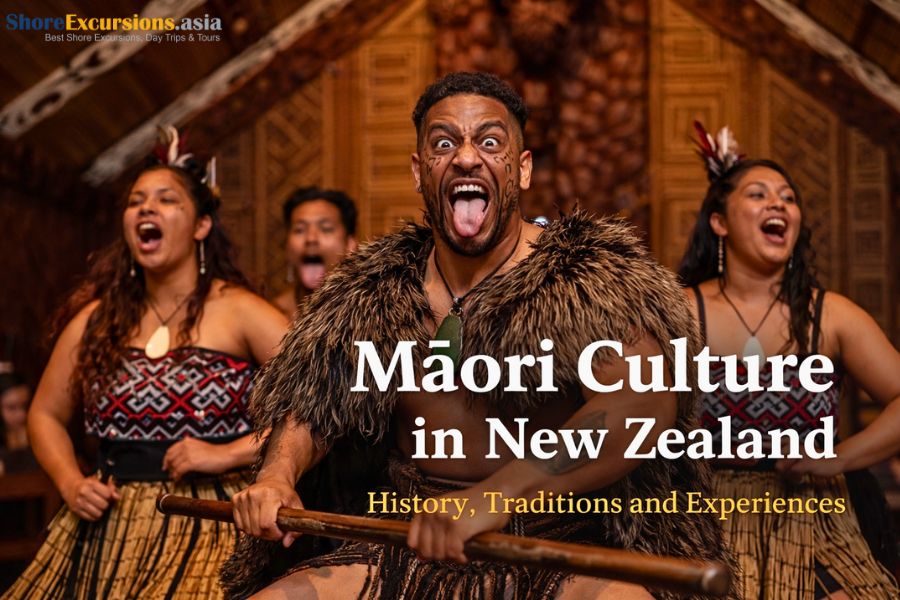
Māori culture lies at the heart of New Zealand, shaping the country’s identity through a deep connection to ancestry, land, and community. Rooted in centuries of tradition, this living culture continues to influence daily life, from language and art to social values and spiritual beliefs.
For travelers exploring New Zealand, engaging with Māori traditions brings a richer understanding of the destination beyond its landscapes. Many experiences included in New Zealand shore excursions allow visitors to witness cultural performances, participate in traditional ceremonies, and connect with local communities in a meaningful way.
With the guidance of Shore Excursions Asia, these encounters are thoughtfully curated to ensure authenticity, respect, and deeper cultural appreciation throughout your journey.
The History of Māori Culture in New Zealand
The Māori are the indigenous Polynesian people of New Zealand, with origins tracing back over a thousand years. Their ancestors navigated vast ocean distances in waka, eventually settling across the islands and forming a rich cultural identity shaped by navigation, resilience, and adaptation.
Over time, Māori communities developed into complex social structures built around iwi, hapū, and whānau. Each group maintained strong ties to land and genealogy, creating a deep sense of identity connected to place.
The arrival of Europeans in the 18th century introduced trade, new technologies, and eventually colonization. These changes led to land disputes, cultural disruption, and population decline. Despite these challenges, Māori culture endured through oral traditions, community resilience, and strong leadership.
Today, a powerful cultural renaissance continues to restore language, traditions, and identity, placing Māori culture at the center of modern New Zealand society.
Core Values of Māori Culture (Ngā Tikanga Māori)
Māori culture is guided by principles that shape relationships between people, the environment, and the spiritual world. These values remain central to daily life and influence how communities interact and care for one another.
Whanaungatanga and Mana
Connections between people define identity in Māori culture. Whanaungatanga emphasizes belonging, shared responsibility, and strong family ties. Mana reflects personal dignity, authority, and reputation, built through actions and inherited lineage.
Tapu, Noa and Kaitiakitanga
Spiritual balance is maintained through tapu and noa, which regulate sacred and everyday states. These concepts influence behavior, ensuring respect for people, places, and traditions. Kaitiakitanga highlights the responsibility to protect nature. This principle encourages sustainable living and reinforces a deep respect for land, sea, and wildlife.
Manaakitanga - The Spirit of Hospitality
Hospitality is expressed through generosity, care, and respect. Visitors are welcomed with sincerity, reflecting a cultural commitment to uplifting others and creating meaningful connections.
Te Reo Māori - The Language of Identity
Te Reo Māori is one of the official languages of New Zealand and carries the essence of Māori worldview. Each word reflects connections to ancestry, land, and cultural identity.
A strong revival movement has brought the language back into everyday life. It appears in education, public signage, broadcasting, and government communication. Learning even a few phrases can enhance the travel experience and demonstrate respect for local culture.
Marae - The Cultural Heart of Māori Communities
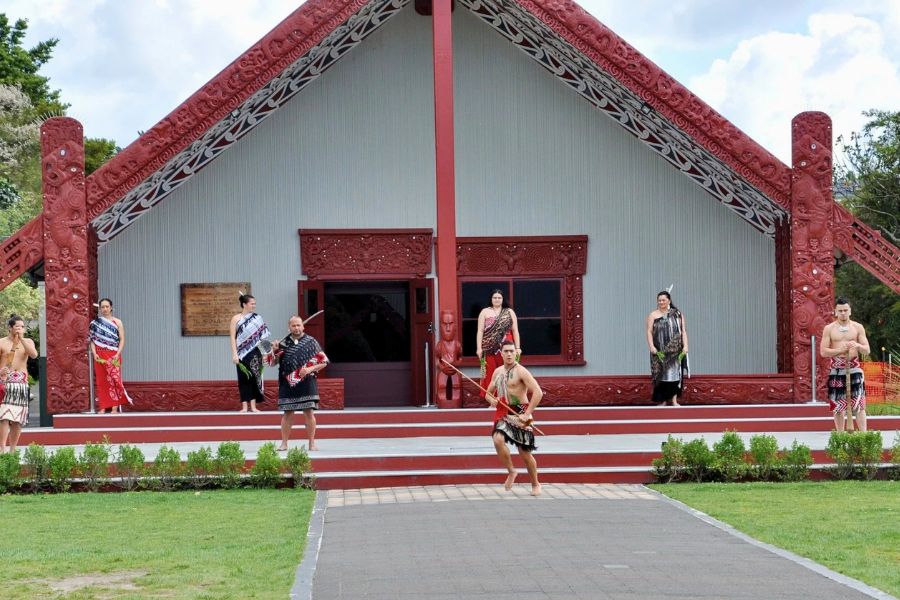
A marae serves as the center of Māori social and spiritual life. Important gatherings, ceremonies, and discussions take place here, preserving traditions across generations.
Wharenui and Cultural Symbolism
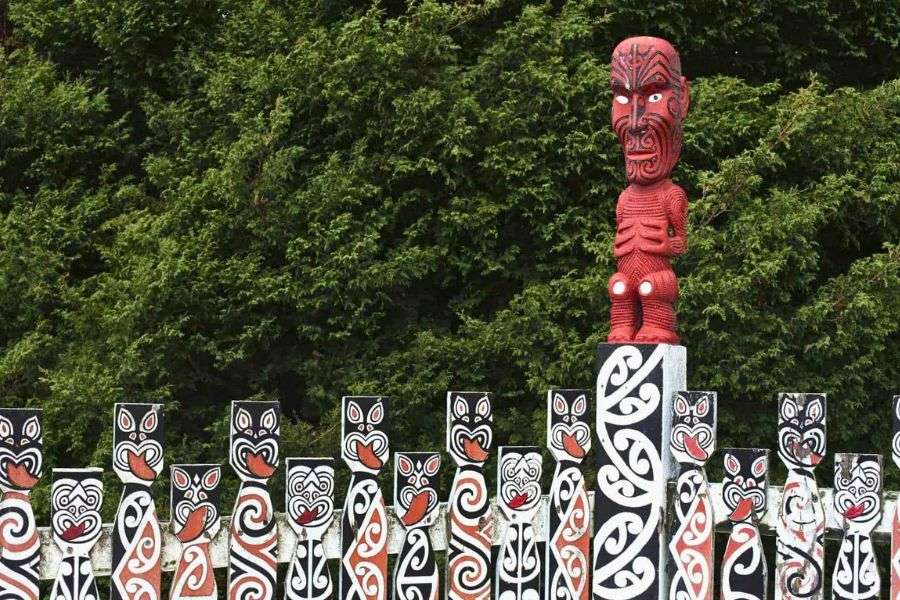
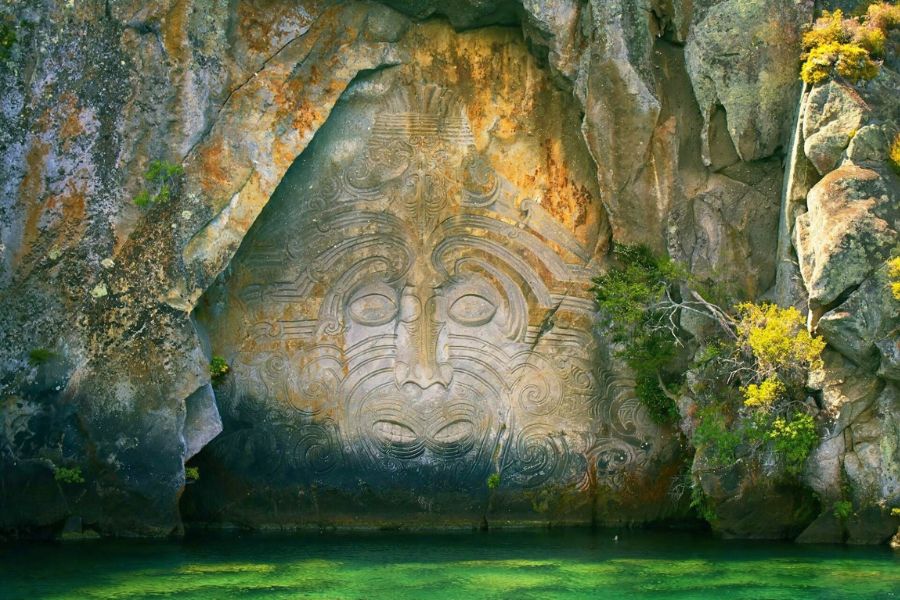
The meeting house stands as a powerful symbol of ancestry. Carvings and artworks represent tribal stories, transforming architecture into a living narrative of heritage.
Pōwhiri and Cultural Protocols
Visitors are welcomed through a pōwhiri ceremony that includes speeches, songs, and the hongi greeting. Respect for these customs is essential and creates a meaningful cultural exchange.
Traditional Māori Arts and Cultural Expression
Art plays a vital role in Māori culture, acting as a bridge between past and present. Each form carries symbolic meaning and reflects deep cultural knowledge.
Carving, Tattoo and Weaving
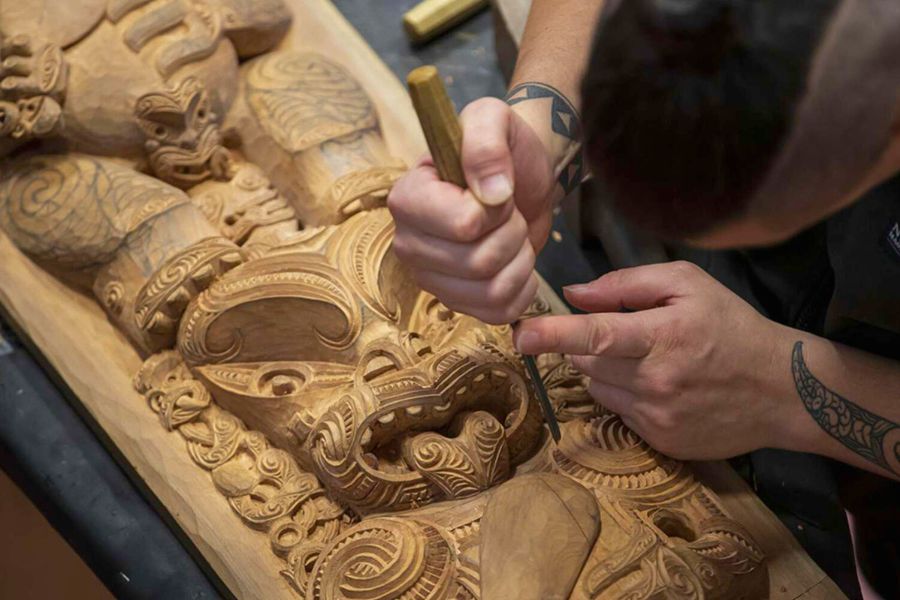
Carvings depict ancestors and important events. Ta moko expresses identity through sacred tattooing, while weaving transforms natural materials into items used in daily life and ceremonies.
Kapa Haka and Performance
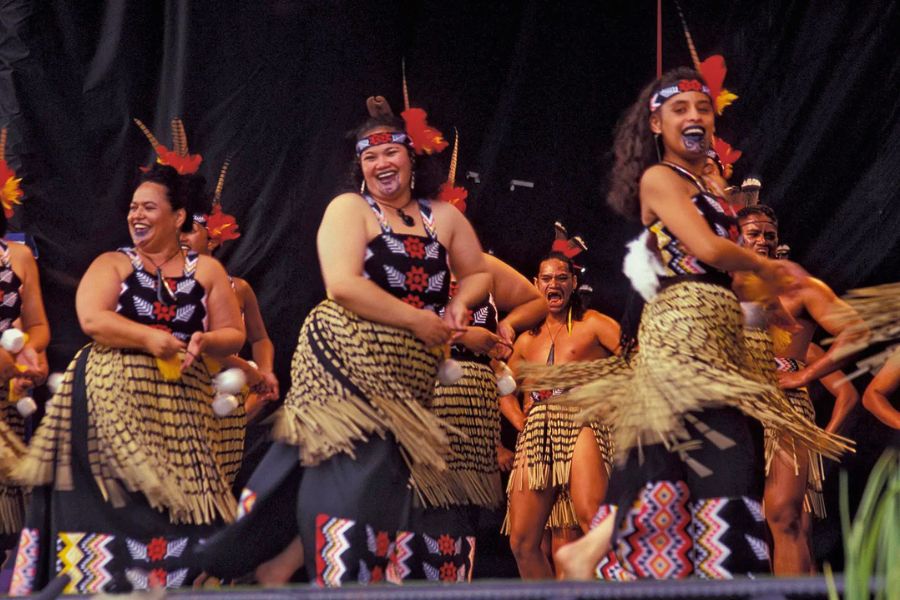
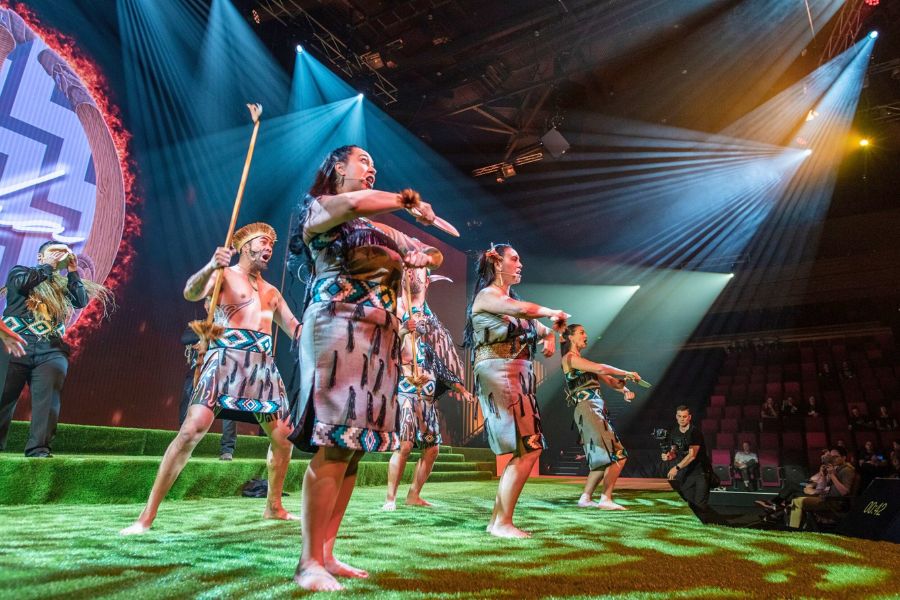
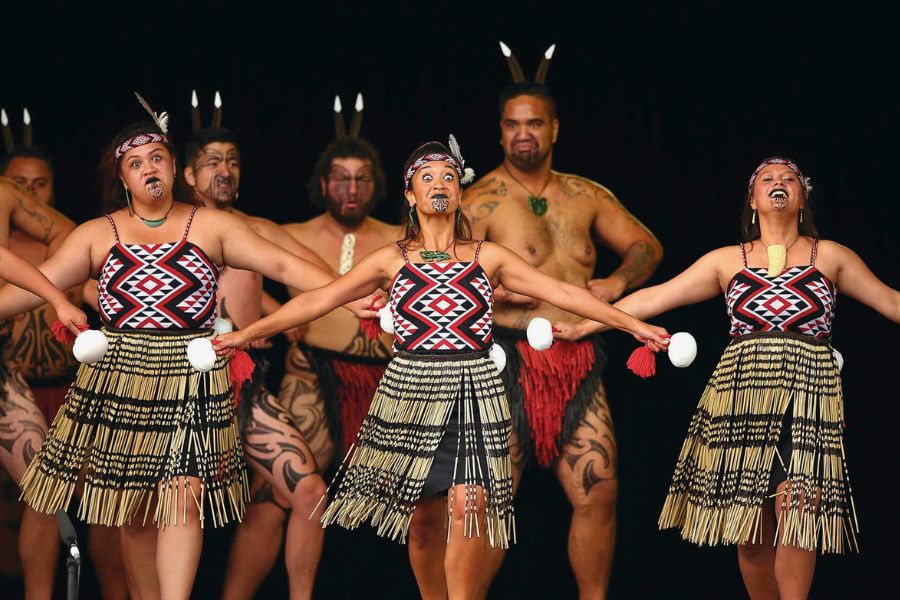
Kapa haka combines movement, voice, and rhythm to tell stories. Performances convey emotion, history, and pride, creating a powerful connection between performers and audiences.
Haka - A Powerful Cultural Performance
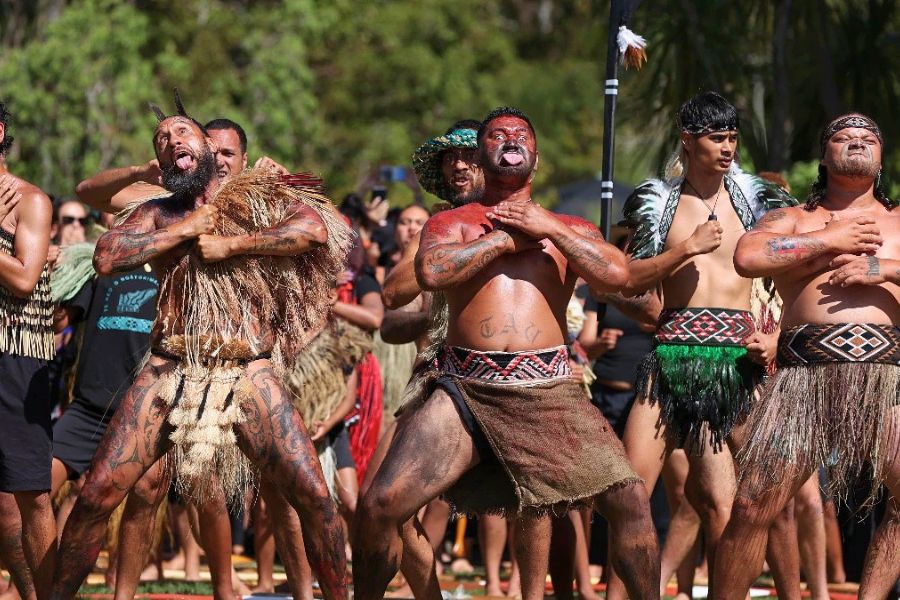
Haka represents strength, unity, and expression. Many travelers recognize it through international sports, yet its cultural significance runs far deeper. Different forms of haka serve distinct purposes, including welcoming guests, marking important events, and honoring ancestors. Each movement and chant reflects intention and cultural identity.
Māori Cuisine - A Taste of Tradition
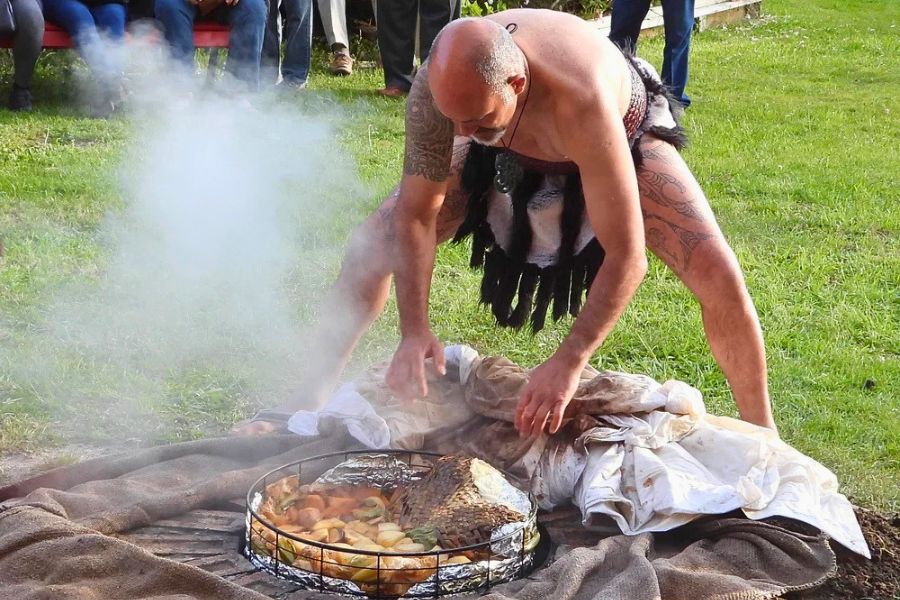
Food reflects a strong connection to land and sea. Traditional cooking methods and local ingredients create a cuisine that is both simple and deeply meaningful.
The hāngī method involves cooking food underground using heated stones, resulting in a rich and smoky flavor. Seafood such as mussels and abalone, along with native herbs, continue to shape both traditional and modern dishes. Dining experiences often emphasize sharing and community, reinforcing the cultural importance of connection through food.
Authentic Māori Cultural Experiences for Visitors
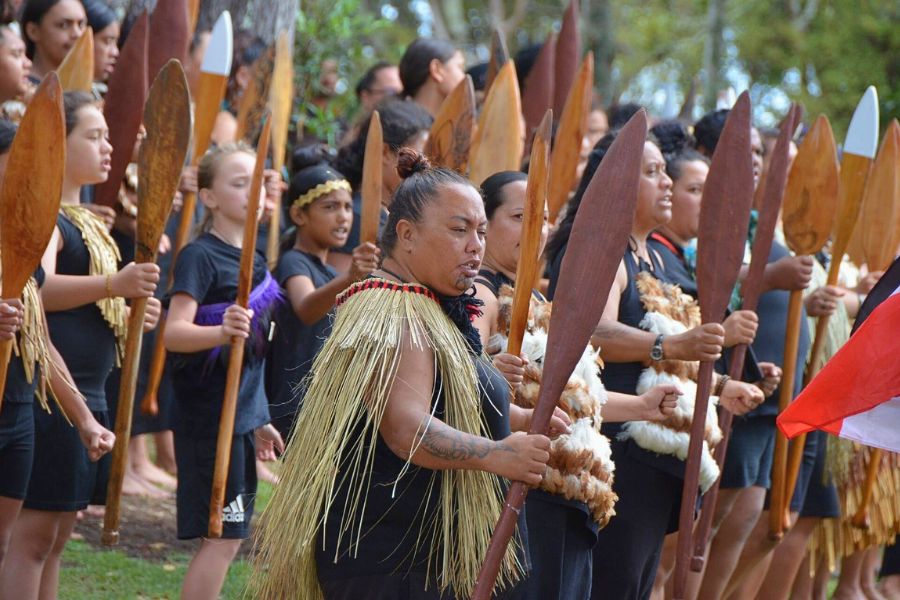
Cultural experiences allow travelers to engage directly with Māori traditions. These moments often become the most memorable highlights of a journey through New Zealand.
Cultural Villages and Performances
Rotorua offers immersive experiences that include traditional welcomes, storytelling, and shared meals in a cultural setting.
Museums and Heritage Sites
Museums and historical locations preserve important artifacts, canoes, and cultural treasures that define Māori heritage.
Guided Cultural Walks
Local guides share knowledge about native plants, legends, and the spiritual meaning of the land, offering a deeper perspective on Māori life.
Experience Māori Culture During New Zealand Shore Excursions
While dedicated Māori cultural tours are not always presented as standalone experiences, many journeys across New Zealand still offer meaningful ways to connect with the country’s cultural heritage.
Regions such as Tauranga, Bay of Islands, Auckland, and Wellington provide the closest connection to Māori traditions, where storytelling, local customs, and historical context are often woven into the experience. Tauranga, in particular, stands out due to its proximity to Rotorua, a region known for its strong Māori cultural presence.
Through these journeys, travelers can explore local communities, visit heritage sites, and gain insight into Māori traditions alongside New Zealand’s scenic landscapes. These moments may not always be labeled as cultural experiences, yet they offer a deeper understanding of the destination.
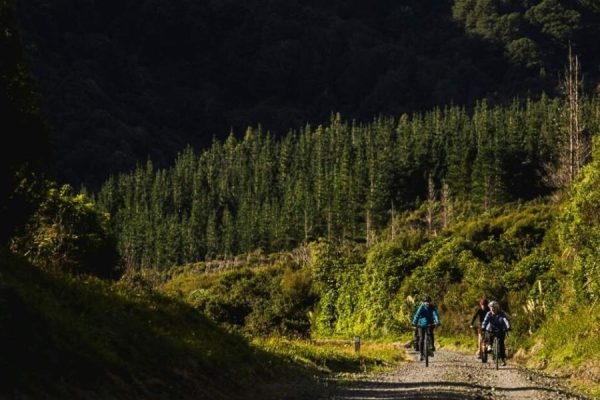
New Zealand Shore Excursions
- Duration: 6 hours
- Pick-up/Drop-off: Wellington Cruise Port / Wellington Cruise Port
- Highlights: E-Bike Adventure, Remutaka Rail Trail, Scenic Views, Historic Rail Tunnels, Featherston Cafes
- Tour Customizable: Absolutely! (Tell us your specific requirements in the inquiry form)
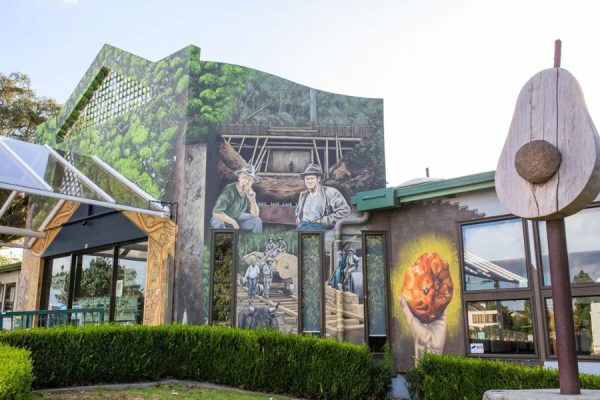
New Zealand Shore Excursions
- Duration: 4 hours
- Pick-up/Drop-off: Tauranga Cruise Port / Tauranga Cruise Port
- Highlights: Katikati Mural Town, Outdoor Murals & Artworks, Minden Lookout, Mount Maunganui Coastline, Scenic Photo Stops
- Tour Customizable: Absolutely! (Tell us your specific requirements in the inquiry form)
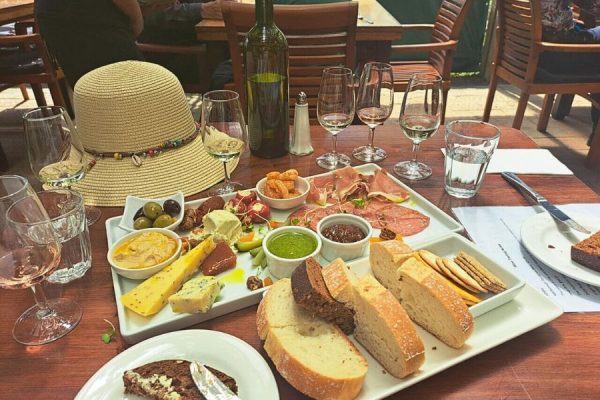
Bay of Islands (Paihia) Shore Excursions
- Duration: 4 hours
- Pick-up/Drop-off: Paihia Cruise Port / Paihia Cruise Port
- Highlights: Boutique Vineyards, Local Wine Tastings, Limoncello Sampling, Platter Lunch, Scenic Bay of Islands
- Tour Customizable: Absolutely! (Tell us your specific requirements in the inquiry form)
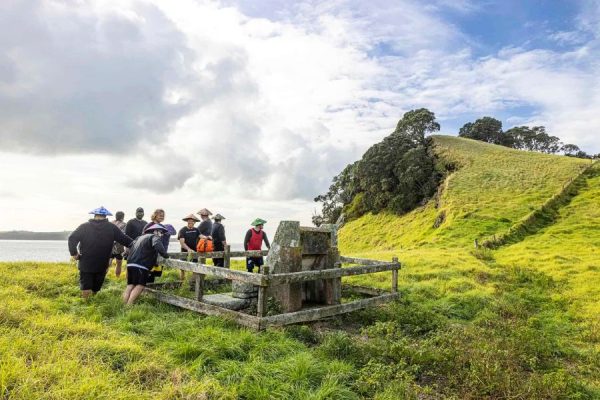
Auckland Shore Excursions
- Duration: 7 hours
- Pick-up/Drop-off: Auckland Cruise Port / Auckland Cruise Port
- Highlights: Auckland Volcanic Cones, Mount Victoria, Scenic Lookouts, Auckland City Landscape, Optional Auckland Museum
- Tour Customizable: Absolutely! (Tell us your specific requirements in the inquiry form)
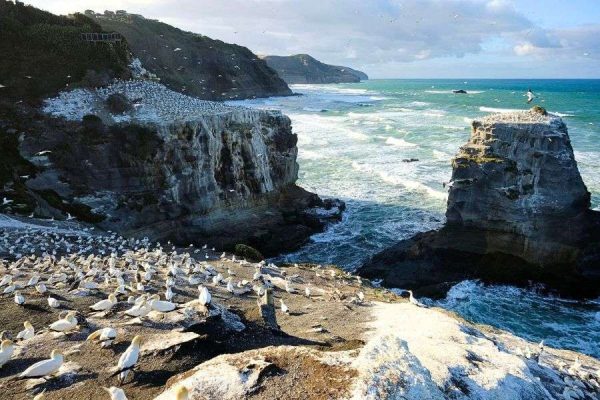
Auckland Shore Excursions
- Duration: 8 hours
- Pick-up/Drop-off: Auckland Cruise Port / Auckland Cruise Port
- Highlights: Waitakere Ranges, Ancient Kauri Tree, Kumeu Wine Country, Muriwai Black Sand Beach, Gannet Colony
- Tour Customizable: Absolutely! (Tell us your specific requirements in the inquiry form)
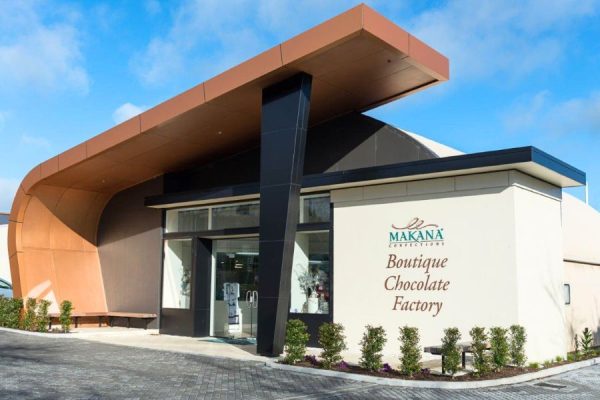
Bay of Islands (Paihia) Shore Excursions
- Duration: 5 hours
- Pick-up/Drop-off: Paihia Cruise Port / Paihia Cruise Port
- Highlights: Makana Chocolate Factory, Stone Store, Mission House, Pub Lunch
- Tour Customizable: Absolutely! (Tell us your specific requirements in the inquiry form)
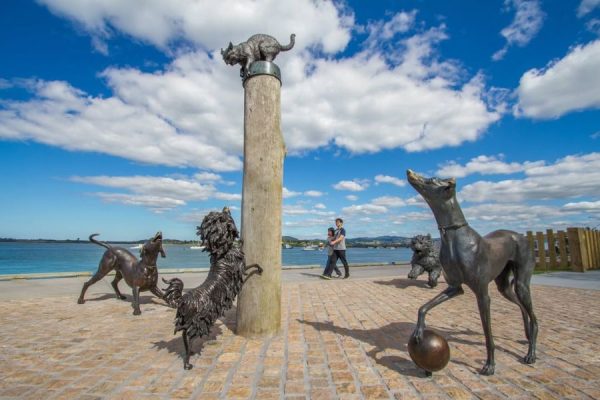
Tauranga Shore Excursions
- Duration: 4.5 hours
- Pick-up/Drop-off: Tauranga Cruise Port / Tauranga Cruise Port
- Highlights: Mount Maunganui & Papamoa Beaches, Minden Lookout, Gate Pa Historic Site, Tauranga Waterfront, Photo stop
- Tour Customizable: Absolutely! (Tell us your specific requirements in the inquiry form)
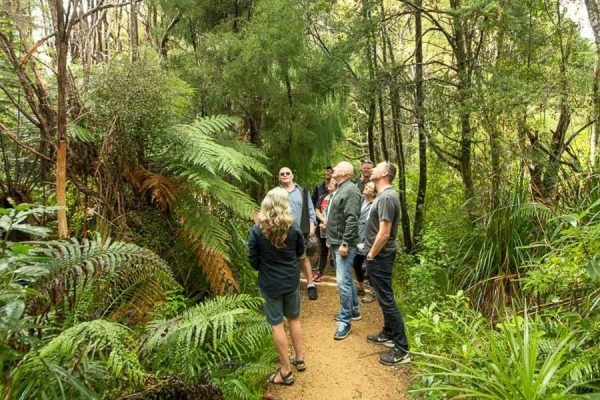
Auckland Shore Excursions
- Duration: 8 hours
- Pick-up/Drop-off: Auckland Cruise Port / Auckland Cruise Port
- Highlights: Waitakere Ranges, ancient Kauri trees, Muriwai black sand beach, Australasian gannet colony, coastal clifftop viewpoints
- Tour Customizable: Absolutely! (Tell us your specific requirements in the inquiry form)
Māori Culture in Modern New Zealand
Māori culture continues to shape modern New Zealand across many aspects of society. Representation in politics, education, and media reflects the importance of indigenous voices. A bicultural approach strengthens national identity and ensures traditions remain relevant. Cultural pride continues to grow, creating a balance between heritage and modern development.
FAQs About Māori Culture in New Zealand
Understanding Māori culture becomes easier with a few key insights before your journey. The following frequently asked questions help clarify important aspects of traditions, etiquette, and cultural experiences in New Zealand.
What is Māori culture known for?
Māori culture is known for its strong connection to nature, rich storytelling traditions, and powerful performances such as haka. It also emphasizes community values, respect, and spiritual balance.
Can visitors experience Māori culture respectfully?
Yes, many guided experiences are designed to introduce visitors to Māori culture in a respectful and authentic way. Choosing local or Māori-led tours ensures cultural sensitivity and supports communities.
Where is the best place to experience Māori culture?
Rotorua is one of the most popular destinations for Māori cultural experiences. Other locations, including Wellington and Northland, also offer meaningful opportunities to explore heritage sites and traditions.
What should visitors know before visiting a marae?
Visitors should follow cultural protocols, listen carefully during ceremonies, and show respect at all times. Guidance is usually provided to ensure proper behavior.
Is Māori culture still relevant in modern New Zealand?
Māori culture remains highly influential and continues to shape national identity. Language, traditions, and values are actively preserved and promoted across society. Māori culture remains a living and evolving part of New Zealand’s identity. Its values offer a perspective centered on respect, connection, and harmony with nature.
Engaging with Māori traditions transforms a journey into something more meaningful. Each experience reveals not only the history of a people, but also the spirit of a land that continues to inspire visitors from around the world.


 Contact Us via Messenger
 Send Inquiry