
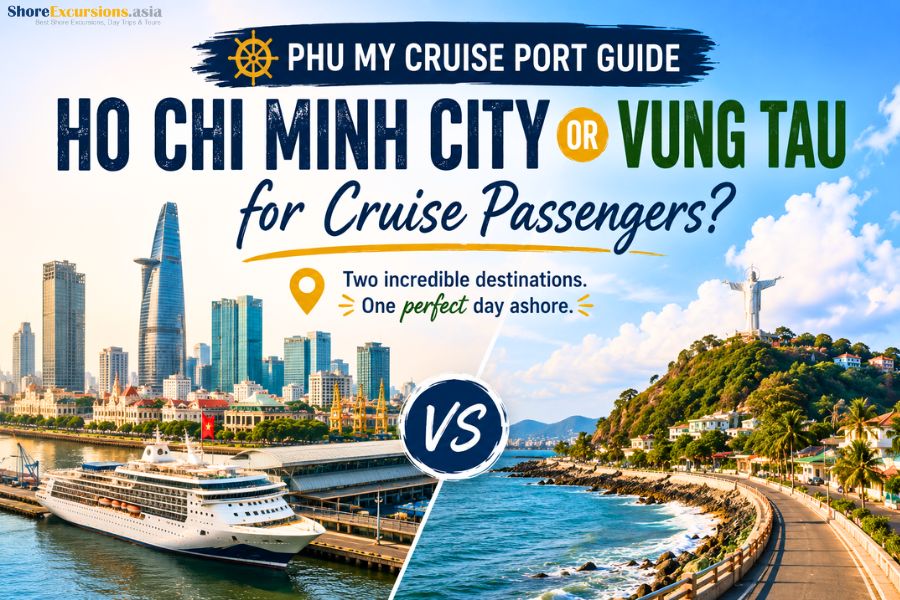
Your ship is docking at Phu My, but the port itself is not really the destination. The real decision is what happens next: do you spend the day in Ho Chi Minh City, one of Southeast Asia's most electric and endlessly surprising cities, or do you take the quieter road to Vung Tau, a coastal town with a character all of its own?
It is the question that defines almost every port call here. Both options are genuinely worthwhile. Both are reachable in a single day. And both offer something the other does not; which is exactly why the choice matters and deserves more than a one-line answer.
For anyone planning Vietnam shore excursions as part of a Southeast Asia cruise, Phu My sits in one of the most historically rich and culturally fascinating corners of the region. Shore Excursions Asia has been helping cruise passengers navigate this port for years; organizing private transport, experienced local guides and carefully timed routes that keep your ship's departure schedule front and center. This guide gives you everything you need to make the most of your time ashore.
Phu My Cruise Port Guide for First-Time Visitors
Phu My is not a city. It is an industrial port, and understanding that from the outset will help you plan your day with clear eyes. What makes it valuable is its location; close enough to Ho Chi Minh City for a meaningful city visit and equally well-placed for a relaxed morning by the sea in Vung Tau. Before you decide which way to go, it helps to understand the port itself, its facilities and the distances involved.
Where Is Phu My Cruise Port?
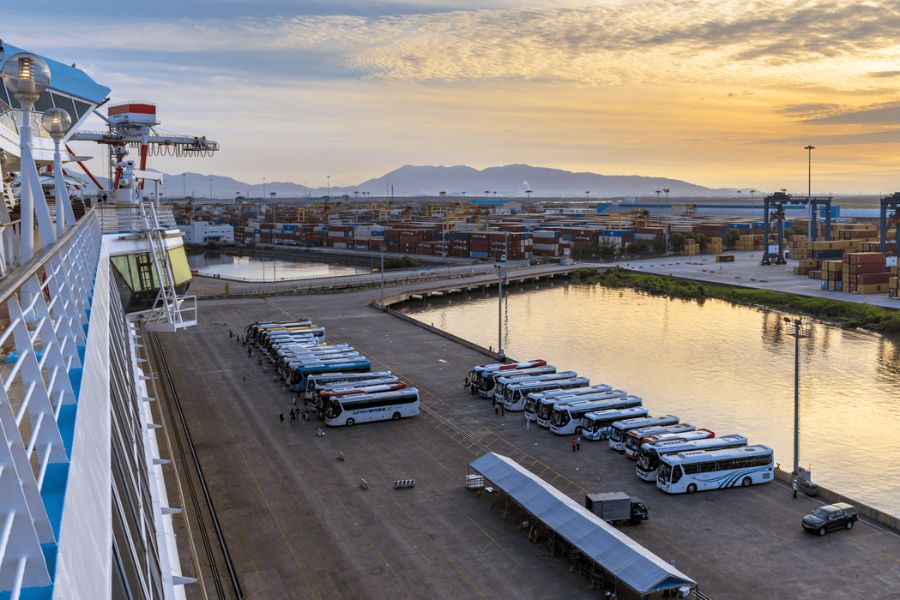
Phu My Cruise Port is located in Ba Ria-Vung Tau Province, on the southeastern coast of Vietnam, approximately 80 kilometers from the center of Ho Chi Minh City and around 30 kilometers from the coastal town of Vung Tau. The port handles a significant portion of Vietnam's industrial cargo as well as international cruise ships, and it has grown steadily as a cruise destination in step with the broader rise of Southeast Asia itineraries.
The surrounding area is industrial rather than scenic, so there is very little of interest within walking distance of the terminal itself. This is not a port where you step off the ship and find a market or a beach within a few hundred meters. The experience here begins when you get into a vehicle and head toward one of the two destinations that make Phu My worth stopping at in the first place.
Arriving at Phu My for the first time can feel a little disorienting if you are expecting the kind of vibrant waterfront you find at other Southeast Asian ports. The key is to arrive with a plan already in place; knowing where you are going, how you are getting there and when you need to be back makes the difference between a port day that feels managed and one that feels uncertain.
What Are the Facilities at Phu My Cruise Terminal?
The terminal building at Phu My has improved in recent years and now offers a reasonable range of facilities for cruise passengers. You will find air-conditioned waiting areas, restrooms, a small number of shops and souvenir vendors, and currency exchange services. The terminal area is clean and organized, with clear signage for organized tours and transport options.
Taxis are available at the terminal, but for a day trip to Ho Chi Minh City or Vung Tau, a pre-arranged private vehicle is strongly recommended over arriving transport. The drive to Ho Chi Minh City is long enough that vehicle quality and driver reliability genuinely matter; and a pre-arranged service tied to your ship's schedule removes the uncertainty that comes with negotiating at the gate.
There is also a small selection of cold drinks and snacks available near the terminal exit, which can be welcome in the heat of a Vietnamese afternoon when you return from your day out.
Is Phu My Port Far from Ho Chi Minh City and Vung Tau?
The honest answer is that Ho Chi Minh City takes commitment. The port is roughly 80 kilometers from the city center, and the drive typically takes between 90 minutes and two hours depending on traffic. This is not an impossible distance for a port day, but it does mean that a short port call is not well suited to a full Ho Chi Minh City visit. You need time to actually be in the city, not just to drive to it and back.
Vung Tau is a considerably shorter drive; approximately 30 to 40 kilometers from the port, with a travel time of around 40 to 50 minutes by private vehicle. For guests with shorter port calls, or those who simply prefer not to spend several hours in a vehicle, Vung Tau offers a genuine alternative with real appeal of its own.
Vietnam Shore Excursions from Phu My: Ho Chi Minh City or Vung Tau?
The choice between Ho Chi Minh City and Vung Tau is not just about distance. It is about the kind of day you want. Ho Chi Minh City is a city of speed, history, contradictions and extraordinary food; a place that rewards curiosity and repays every hour you give it. Vung Tau is slower, coastal and shaped by a mix of Vietnamese, French and Catholic influences that gives it a character unlike almost anywhere else in the country.
For guests arranging Phu My shore excursions for the first time, the most useful thing to consider is not which destination is more famous, but which one fits the shape of your day and the shape of your interests.
How Long Does It Take to Reach Ho Chi Minh City from Phu My Port?
By private vehicle, the drive from Phu My Cruise Port to central Ho Chi Minh City typically takes between 90 minutes and two hours. Traffic in and around the city, particularly during morning and afternoon peak periods, can extend that time. A knowledgeable driver who knows the best approach routes for the time of day can make a meaningful difference here.
Because of the distance involved, a port call of at least eight hours is generally recommended for a Ho Chi Minh City day trip. This gives you enough time after the drive to explore the city properly, have a real lunch, visit two or three sights and return to the ship with an appropriate buffer. Guests arriving on shorter port calls should think carefully before committing to the city; a rushed visit to Ho Chi Minh City is frustrating in a way that a shorter visit to Vung Tau rarely is.
How Long Does It Take to Reach Vung Tau from Phu My Port?
The drive from Phu My to Vung Tau takes approximately 40 to 50 minutes by private vehicle, making it a significantly more relaxed option for any port call length. The road is straightforward, the scenery along the way becomes more coastal and open as you approach the town, and the shorter travel time means you spend more of your day actually experiencing the destination rather than sitting in a vehicle.
Vung Tau is compact and easy to navigate, which adds to the sense of ease. A half-day here can feel genuinely satisfying rather than rushed; and a full day gives you time to explore the town, climb to the Christ the King statue for the views, eat well and perhaps sit by the water for a while before heading back.
How Much Time Will You Have for Sightseeing?
Your ship's port schedule determines the shape of everything else, and checking the all-aboard time before committing to an itinerary is the first practical step. A full day in port from around 7am to 6pm is workable for either destination, though Ho Chi Minh City benefits considerably from the longer window. A call of five to six hours strongly favors Vung Tau.
Whatever the schedule, the principle is the same as at every other port: build the return into the plan from the beginning. The drive from Ho Chi Minh City back to Phu My in late afternoon traffic can take longer than the morning journey. Leaving yourself less than 90 minutes is not a risk worth taking.
Things to Do in Phu My and Beyond: The Best Day Trip Options
Phu My's value lies entirely in what you can reach from it. Ho Chi Minh City offers history, energy and food that few cities in Asia can match. Vung Tau offers a coastal calm that is equally hard to find elsewhere along the Vietnamese coast. And for guests who prefer a shorter outing closer to the port, there are options in the Ba Ria area that offer a gentler introduction to southern Vietnamese life. Here is what each option actually looks like on the ground.
Ho Chi Minh City Day Trip: Saigon's History, Energy and Food
A Ho Chi Minh City shore excursions day from Phu My is one of those port experiences that stays with you. The city; still widely called Saigon by locals; is loud, fast, layered and genuinely unlike anywhere else in Southeast Asia. It rewards passengers who arrive with curiosity rather than a strict checklist.
The War Remnants Museum is one of the most visited sites in the city, and for good reason. Its collection of photographs and artifacts documenting the Vietnam War is confronting and important; and most guests who visit find that it reframes the rest of their time in the city in ways they did not expect. It is not easy, but it is one of those experiences that travel at its most honest tends to involve.
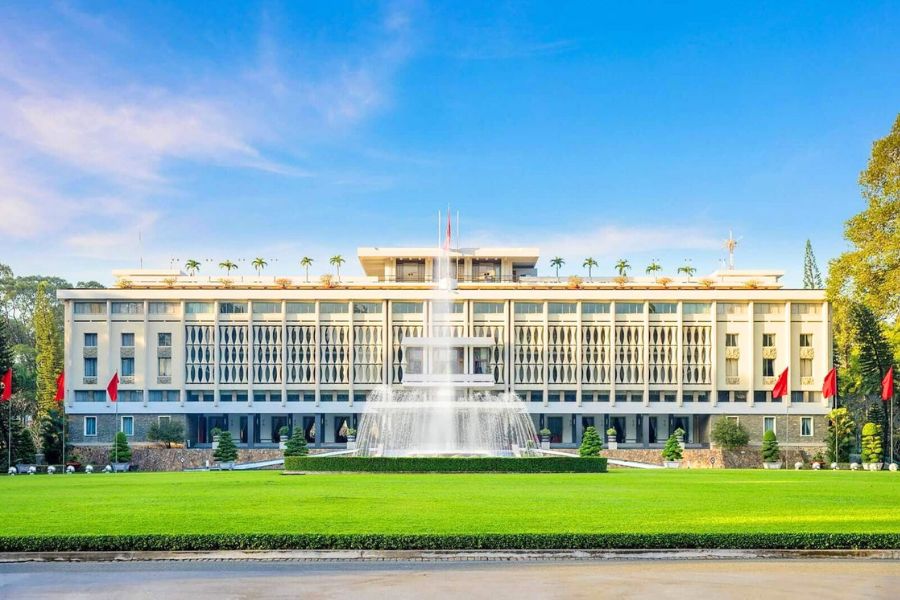
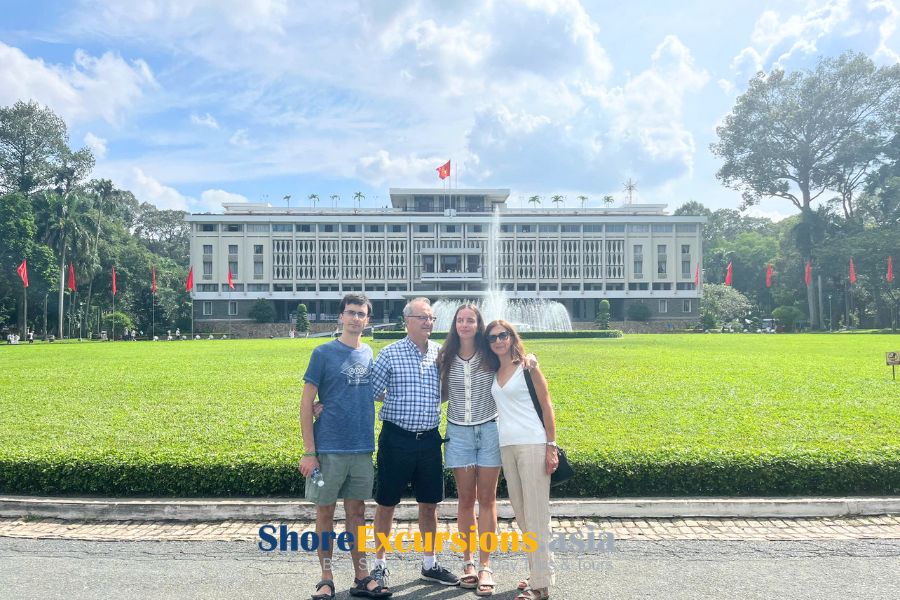
The Reunification Palace, just a short drive away, offers a different kind of history; the frozen-in-time quality of a building that has been preserved largely as it was when North Vietnamese tanks entered its grounds on 30 April 1975. Walking through it feels less like a museum visit and more like stepping into a moment.
The Ben Thanh Market area, the winding streets of the Binh Tay Market in Cholon's Chinatown district and the narrow lanes of District 3 each offer a different texture of Saigon street life. For guests who want to understand this city rather than simply photograph it, time spent walking and eating in these neighborhoods is worth more than any single monument.
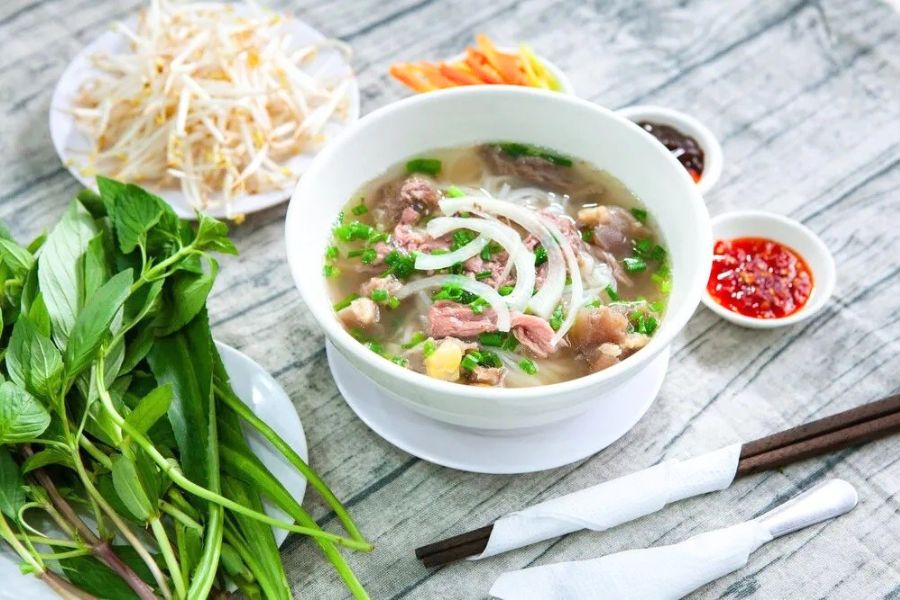
Lunch in Ho Chi Minh City deserves genuine attention. Pho, banh mi, bun bo Hue, com tam broken rice; Vietnamese food in its southern form is bright, fresh and deeply satisfying. A good guide will take you somewhere locals actually eat rather than somewhere that caters primarily to visitors. That distinction, small as it sounds, changes the meal entirely.
One practical note: Ho Chi Minh City is hot and humid for most of the year, and the streets are not always designed for comfortable walking. Lightweight clothing, comfortable shoes and a willingness to take the pace slowly will make the day considerably more enjoyable.
Vung Tau Day Trip: The Christ Statue, French Villas and a Gentler Pace
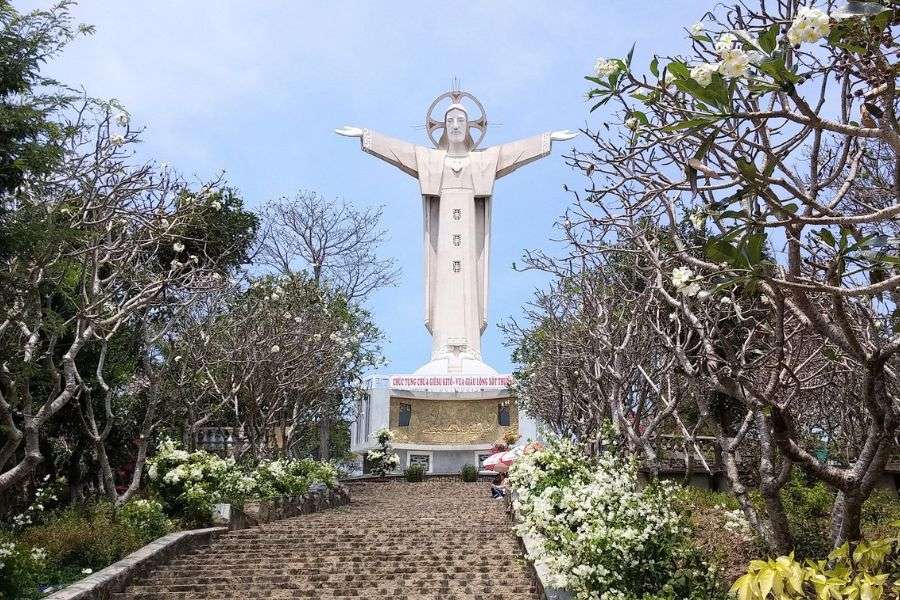
Vung Tau is a town that surprises people who have not been before. It sits on a small peninsula jutting into the South China Sea, backed by two hills and fronted by a stretch of beach that locals have been coming to for generations. It has a slightly faded, pleasantly unhurried quality; the kind of place where the rhythm of the day is set by the tide rather than the traffic.
The most striking landmark in Vung Tau is the Christ the King statue on Nho Mountain; a 32-meter figure with arms outstretched above the bay, visible from the sea as ships approach. The climb to the statue involves several hundred steps; manageable for most guests at a comfortable pace, and rewarded with views across the entire peninsula, the South China Sea and, on clear days, the coastline stretching toward the Mekong Delta.
The Villa Blanche, a beautifully preserved French colonial building that served as a summer residence for the Governor-General of Indochina and later for Ho Chi Minh himself, offers a quiet and genuinely interesting hour. The gardens are calm; the interiors give a real sense of the French presence in southern Vietnam; and the whole place has a gentleness that is easy to appreciate after the energy of Ho Chi Minh City.
Back Beach and Front Beach offer different experiences. Back Beach is the longer, more open stretch and popular with local families; Front Beach is calmer and faces the sheltered bay. Neither is a pristine tropical beach, but for sitting by the water with a cold drink and a plate of fresh seafood, Vung Tau has a particular ease that is worth experiencing.
The seafood here deserves its own mention. Vung Tau sits directly on the coast, and the fish, crab and shellfish served at the beachside restaurants are genuinely fresh. Lunch by the water in Vung Tau is one of those simple pleasures that many cruise passengers remember long after the port call is over.
Things to Do Near Phu My Port
For guests whose port call is very short, or who are traveling with family members who prefer not to venture far, the Ba Ria area close to the port has a handful of worthwhile options. The Ba Ria town market gives a low-key introduction to everyday southern Vietnamese commerce; bright, noisy and refreshingly unpolished. The Long Hai area along the coast offers beaches that are quieter than Vung Tau and a more local atmosphere.
These options are not substitutes for the full experience of Ho Chi Minh City or Vung Tau, but for a short port call or a gentle half-day outing, they offer something real and unhurried. A local guide who knows the area well can make even a two-hour excursion genuinely interesting.
Ho Chi Minh City or Vung Tau: Which Day Trip Suits Your Port Call?
The distance from Phu My shapes this decision more than almost any other factor. Ho Chi Minh City rewards guests who have the time to give it; Vung Tau rewards guests who want a satisfying day without spending three to four hours in a vehicle. Both are worthwhile. Neither is a consolation prize.
| Ho Chi Minh City | Vung Tau | |
| Best for | History enthusiasts, food lovers, first-time visitors to Vietnam | Coastal relaxation, French colonial history, seafood, comfortable pace |
| Drive from port | 90 minutes to 2 hours each way | 40 to 50 minutes each way |
| Walking involved | Moderate; urban streets and museum visits | Moderate; gentle hills and beach walks |
| Pace of the day | Energetic and stimulating | Relaxed and unhurried |
| Ideal port call length | 8 hours or more | Works well with most port schedules |
Best Choice for History, Culture and the Full Saigon Experience
Ho Chi Minh City is the right choice for guests who want to understand Vietnam at a deeper level and who have the time to let the city reveal itself properly. The history here is recent enough to feel personal; the streets carry the energy of a place that is actively, noisily becoming something new; and the food alone justifies the drive.
If this is your only stop in Vietnam, and your ship is in port for a full day, Ho Chi Minh City is difficult to pass up.
Best Choice for a Relaxed, Coastal Day Ashore
Vung Tau suits guests who want to come ashore, breathe ocean air, eat well and see something genuinely interesting without the pressure of a long drive or a packed schedule. The Christ statue is remarkable; the French colonial architecture is beautiful; and the seafood lunch by the water is the kind of simple, perfect thing that travel sometimes offers.
Guests who have already visited Ho Chi Minh City on a previous cruise, or who prefer a slower pace and a more coastal character to their port days, consistently find Vung Tau to be among the most satisfying stops on a Southeast Asia itinerary.
Best Choice When Time Is Limited
If your ship's all-aboard time is early, or if your port call is less than six hours, Vung Tau is the more sensible choice without question. It is close, it is interesting and it gives you a genuine experience of southern Vietnam without the risk of a late return that a Ho Chi Minh City visit on a tight schedule always carries.
Practical Travel Tips for Cruise Passengers at Phu My Port
Southern Vietnam in port-day conditions has its own particular set of things worth knowing before you arrive. The heat, the traffic, the etiquette around temples and a few practical details about currency and mobility can all shape how the day feels. Getting these right in advance means your attention on the day can stay where it belongs.
What to Know About the Heat and When to Visit
Phu My and the surrounding region sit in the tropical south of Vietnam, and the heat is significant for most of the year. The dry season runs from November to April, and these months are generally considered the best time for a port visit; warm and bright without the humidity and afternoon downpours that the wet season brings. That said, a well-organized day with private transport and air-conditioning built in makes even a summer port call very manageable.
Light, breathable clothing is strongly recommended regardless of season. Hats and sunscreen matter in Vung Tau, particularly if you are planning to climb to the Christ statue. In Ho Chi Minh City, the museums and larger attractions are air-conditioned, but the streets and markets are not.
Temple and Pagoda Etiquette in Southern Vietnam
Both Ho Chi Minh City and Vung Tau have Buddhist pagodas and temples that are well worth visiting. A few basic courtesies will make those visits more comfortable and more welcome. Remove shoes before entering temple buildings; covered shoulders and knees are appropriate inside; and speaking quietly and moving calmly are appreciated everywhere. Smaller neighborhood pagodas in particular are active places of worship rather than tourist sites, and treating them accordingly goes a long way.
Photography is generally permitted in most outdoor areas, but it is respectful to ask before photographing anyone engaged in prayer or ritual.
Vietnamese Dong, Cards and Practical Money Matters
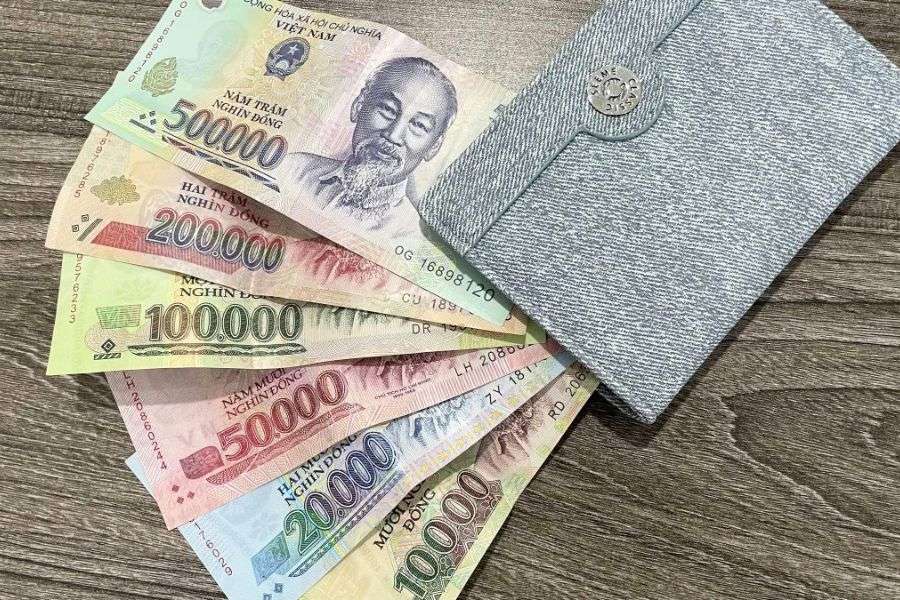
Vietnam is primarily a cash economy in day-to-day transactions, and while larger hotels and restaurants in Ho Chi Minh City accept cards, most market stalls, street food vendors and smaller establishments do not. Carrying Vietnamese dong for the day is practical and allows you to engage with the local economy in the way it actually works.
Currency exchange is available at the Phu My terminal and at banks and exchanges throughout Ho Chi Minh City and Vung Tau. ATMs are widely available in both destinations. Your guide can assist with finding a reliable exchange or ATM at the start of the day if needed.
Getting Around and Managing Mobility
Ho Chi Minh City's traffic is one of the things people remember most about it; the constant flow of motorbikes navigating the streets with a logic that is not immediately obvious to newcomers. Walking in this city is entirely manageable with a guide who knows how to cross intersections comfortably, but it does require a willingness to move with the flow rather than against it. For guests with mobility concerns, a private vehicle with the ability to stop close to each destination is strongly recommended.
Vung Tau is more straightforward. The town is compact and relatively easy to navigate on foot for short distances. The climb to the Christ statue involves steps rather than a ramp, and while it is not technically difficult, guests who prefer to avoid steep climbs can appreciate the statue and the views from a lower vantage point and still have a thoroughly enjoyable morning.
Should You Book a Private Tour from Phu My Cruise Port?
For nearly every cruise passenger arriving at Phu My, a private tour is not just the most comfortable option; it is the most sensible one. The port itself offers very little, the distances to both main destinations are significant and the consequences of misjudging the return timing are severe on a port day where the ship will not wait.
A private arrangement built around your ship's schedule means someone else is responsible for watching the clock while you are watching the world. That is a genuine relief on a day when the drive back from Ho Chi Minh City in afternoon traffic can add unpredictable time to the return journey.
Why Private Transport Is Particularly Important at Phu My
The drive to Ho Chi Minh City is long enough that the quality of the vehicle and the experience of the driver genuinely matter. A private, air-conditioned vehicle with a driver who knows the route and understands port day timing is not a luxury here; it is the practical foundation of a day that works.
Public buses and shared taxis exist but are not designed around the needs of cruise passengers. They do not operate on schedules that align with ship all-aboard times; they do not monitor traffic conditions in real time; and they do not have the flexibility to adjust the return route when conditions change. For a port where the nearest major destination is 80 kilometers away, these limitations are significant.
The Value of a Local Guide in Vietnam
Vietnam has a great deal of history that repays explanation. The War Remnants Museum in Ho Chi Minh City is more powerful with someone who can provide context beyond the placards. The colonial architecture in Vung Tau is more interesting when someone can tell you which building served which purpose and who lived there. The food is more adventurous when someone you trust knows which vendors are worth stopping for and which dishes are genuinely local rather than adjusted for visiting palates.
A good guide in Vietnam is not just a navigator. They are the difference between a day that feels like tourism and a day that feels like genuine experience.
Planning the Return with More Care Than You Think You Need
The drive back from Ho Chi Minh City to Phu My in the late afternoon is one of the few genuinely stressful elements of this port call when it is not handled properly. Traffic around the city builds from mid-afternoon onward, and the road back to the port can be slower than the morning journey by a meaningful margin.
Leaving your last activity in the city by no later than 3pm for a 6pm all-aboard gives you a comfortable buffer. Leaving later than that starts to feel uncomfortable. Your guide and driver will be monitoring conditions throughout the day, but a realistic plan built around this reality from the start makes the whole day feel easier; not just the last part of it.
Plan Your Phu My Port Day with Local Experts
Phu My is not the most immediately welcoming of cruise ports in Southeast Asia. It does not dazzle on arrival the way that Ho Chi Minh City itself does, or the way that some other Asian port cities do. But it is the gateway to one of the most fascinating cities in the region and to a coastal town with a warmth and character that consistently surprises cruise passengers who make the effort to get there.
Ho Chi Minh City rewards guests who give it time and arrive with genuine curiosity. Vung Tau rewards those who want a day that feels unhurried and coastal and unexpectedly touching in its quieter moments. Both are worth your day ashore. Both deserve to be done properly.
The key to Phu My is exactly what it is at every good port: a clear plan, a realistic schedule, trustworthy transport and someone who knows the ground well enough to make the experience feel natural rather than managed.
FAQs About Phu My Cruise Port Guide
Is Phu My the main cruise port for Ho Chi Minh City?
Yes. Phu My is the principal cruise port serving Ho Chi Minh City and the surrounding region of southern Vietnam. The port is located approximately 80 kilometers from the city center and handles the majority of cruise ship calls to this part of the country.
How far is Phu My Port from Ho Chi Minh City?
Phu My Cruise Port is approximately 80 kilometers from central Ho Chi Minh City. By private vehicle, the drive typically takes between 90 minutes and two hours depending on traffic conditions, time of day and the specific destination within the city.
How far is Phu My Port from Vung Tau?
Vung Tau is approximately 30 to 40 kilometers from Phu My Cruise Port. By private vehicle, the drive takes around 40 to 50 minutes, making it a considerably more compact option than the Ho Chi Minh City run for guests with shorter port calls.
Can I visit both Ho Chi Minh City and Vung Tau in one port day?
Combining both in a single day is not recommended. The driving time between the two destinations, on top of the travel from the port, leaves very little time for meaningful sightseeing at either place. Choosing one and giving it the time it deserves produces a far better day than attempting to cover both in a rushed loop.
Is Vung Tau worth visiting on a cruise port day?
Absolutely. Vung Tau is often underestimated by passengers who assume Ho Chi Minh City is the only worthwhile option from Phu My. The Christ the King statue, the French colonial architecture, the beachside seafood lunch and the relaxed coastal atmosphere make it a genuinely satisfying port day; particularly for guests who have already visited Ho Chi Minh City or who simply prefer a calmer pace.
What is the weather like at Phu My?
Phu My sits in tropical southern Vietnam and is warm year-round. The dry season from November to April brings pleasant, bright days with lower humidity. The wet season from May to October brings higher temperatures, afternoon rain showers and more humidity. Cruises call at the port throughout the year, and a well-organized day with private transport makes even a wet-season visit very manageable. Light clothing and sun protection are advisable regardless of season.
Should I book a private tour from Phu My Cruise Port?
For almost every cruise passenger at Phu My, yes. The distances involved, the complexity of Ho Chi Minh City's traffic and the importance of a reliable return schedule make private transport the most sensible arrangement for this port. A knowledgeable local guide adds considerable depth to both Ho Chi Minh City and Vung Tau and makes the day feel genuinely worthwhile rather than just adequately managed
Do I need Vietnamese dong for the day?
Yes, carrying some Vietnamese dong is strongly recommended. Most everyday transactions at markets, street food stalls and smaller local restaurants are cash-based. Larger restaurants and hotel venues in Ho Chi Minh City accept cards, but having local currency for the smaller, more interesting spending during the day is practical and keeps things running smoothly. Currency exchange is available at the terminal and at various points in both Ho Chi Minh City and Vung Tau


 Contact Us via Messenger
 Send Inquiry