
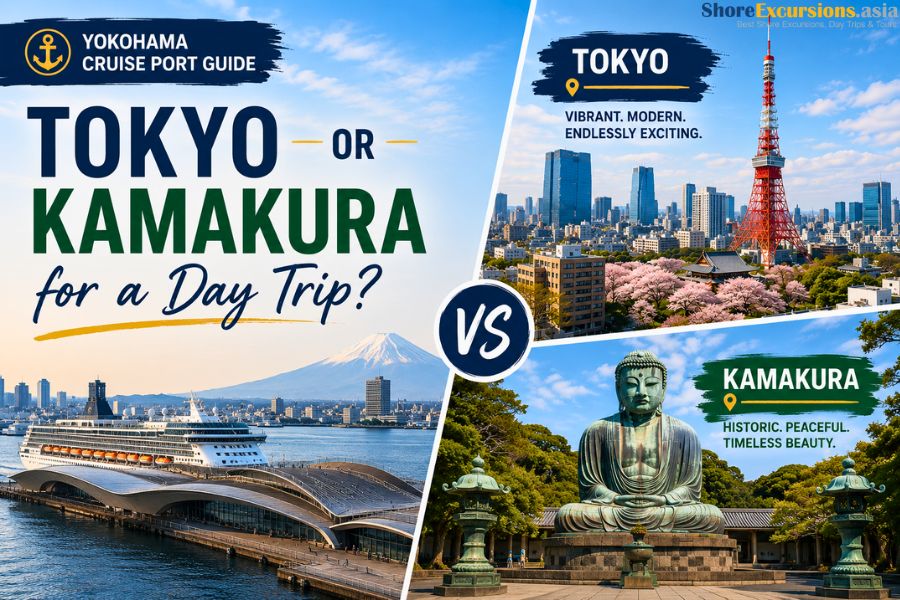
Your itinerary may say Yokohama, but the question most cruise passengers ask long before the ship docks is this: should I go to Tokyo, or is Kamakura the better choice for the day?
It is a good question, and it deserves a real answer. Both destinations are reachable from Yokohama cruise port on a single port call. Both carry their own quiet power; one is a world capital full of energy and scale, the other is a hillside town of ancient temples and a Buddha so large it stops you in your tracks. The difference comes down to what you love, how long your ship stays and how you want the day to feel when it is over.
For anyone planning Japan shore excursions along a cruise through Asia, Yokohama tends to be one of the most anticipated stops on the itinerary. Shore Excursions Asia has been helping cruise passengers make the most of this port for years, arranging private transport, knowledgeable local guides and comfortable routes built around your ship's departure time. This guide walks you through everything you need to know before you step ashore.
Yokohama Cruise Port Guide for First-Time Visitors
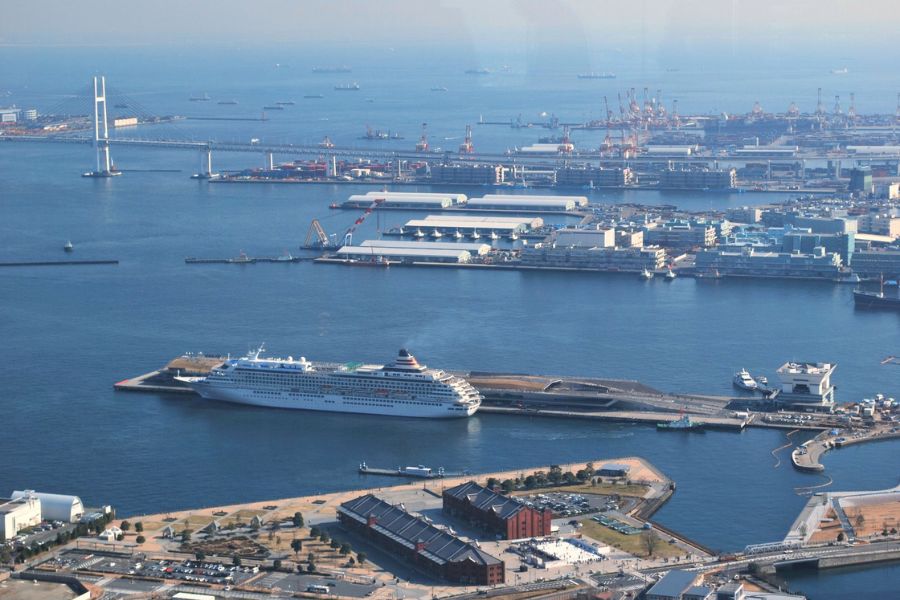
Yokohama is one of Japan's most welcoming cruise ports, with the city's waterfront sitting right at the edge of the terminal and two of the country's finest day-trip destinations within comfortable reach. Before deciding between Tokyo and Kamakura, it helps to understand where you are docking, what facilities are on hand and just how close each destination really is.
Where Is Yokohama Cruise Port?
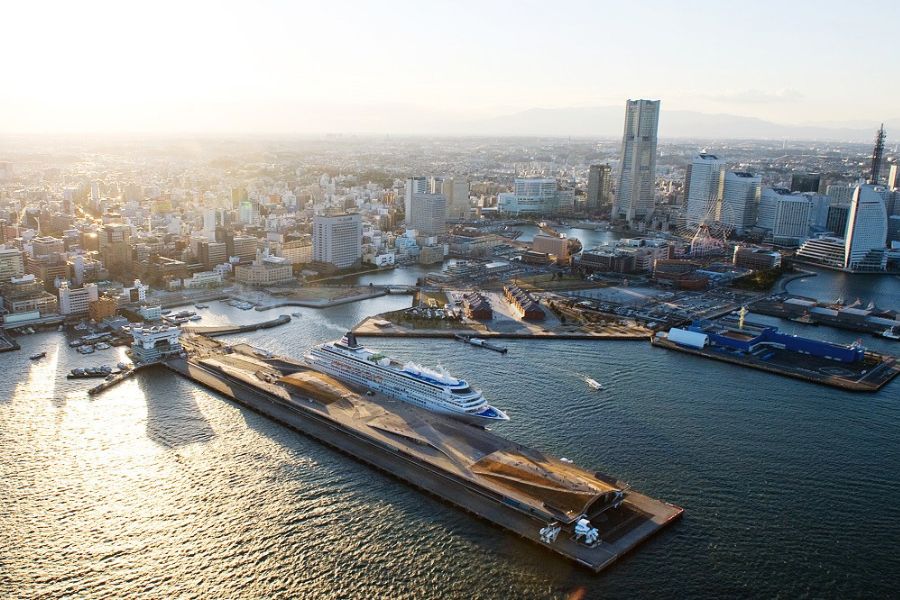
Yokohama is Japan's second largest city and one of the country's most important international ports. For cruise ships, the main terminal used is Osanbashi Pier; a striking wave-shaped structure that extends into Yokohama Bay and offers some of the most beautiful arrival views in all of Japan. Mount Fuji can appear on the horizon on a clear morning, and the city's waterfront skyline greets you as you dock.
The port sits right at the edge of central Yokohama, which means the city itself is immediately walkable from the ship. Chinatown, the waterfront park and the Minato Mirai district are all within easy reach of the terminal on foot. But most cruise passengers are not here for Yokohama alone; they are here to decide between Tokyo and Kamakura.
Osanbashi Pier serves as the primary cruise terminal, and there is also the Daikoku Pier further into the harbor, which some larger vessels use. If your ship docks at Daikoku, a short transfer will bring you to the central area. Your shore excursion pick-up will be organized from whichever terminal your ship uses.
What Are the Facilities at Yokohama Cruise Terminal?
The terminal building at Osanbashi Pier includes a comfortable lounge area, restrooms, currency exchange and small shops. The open rooftop is a public park and offers panoramic views across the harbor; it is genuinely lovely and worth a few minutes even before your guide arrives.
Taxi and transport services operate from the port, but for a full day trip to Tokyo or Kamakura, arranging a private vehicle and guide in advance is far more practical than finding transport at the pier. Japan's train system is also excellent and widely used, though navigating it with luggage or mobility concerns can add stress to a port day where timing matters.
Is Yokohama Cruise Port Close to Tokyo and Kamakura?
Yes, and this is one of the things that makes Yokohama such an appealing port call. Tokyo is approximately 30 kilometers from the terminal by road, and Kamakura is roughly 40 to 50 kilometers in the other direction along the coast. Both destinations are genuinely accessible in a single day, which is a real luxury for cruise passengers who sometimes spend more time traveling than sightseeing.
By private vehicle, the drive to central Tokyo takes roughly 45 minutes to an hour depending on traffic. Kamakura sits about an hour away by road. Neither destination requires an exhausting commitment of travel time, which means your day can focus where it belongs; on the experience itself.
Japan Shore Excursions from Yokohama: Tokyo or Kamakura?
This is the central question for almost every cruise passenger arriving in Yokohama. Understanding the character of each destination, the realistic travel time and how each fits different types of travelers will help you make a choice you feel confident about long before the ship pulls in.
Tokyo is vast, modern and endlessly stimulating. For those who have always wanted to see this city; its neighborhoods, its food, its temples tucked between towers; a port day here feels like a rare privilege. Kamakura is quieter, more intimate, shaped by centuries of spiritual life rather than commercial energy. Walking between its temples and standing before the Great Buddha is a different kind of profound.
For guests planning Yokohama shore excursions for the first time, the most useful question to ask yourself is simple: what kind of day do you want to look back on?
How Long Does It Take to Reach Tokyo from Yokohama Port?
By private vehicle, the drive from Yokohama Cruise Port to central Tokyo typically takes between 45 minutes and one hour. Traffic can vary depending on the time of day and the part of the city you are heading into, so it is wise to allow a little extra time in your planning rather than cutting it close.
The train is a popular alternative and is faster; the Minatomirai Line and connecting services can bring you into Shibuya or Shinjuku in around 30 to 40 minutes. For a port day where ship departure is non-negotiable, a private vehicle offers something the train cannot: a guide who keeps track of time, a driver who knows the roads and the ability to leave a destination exactly when you need to rather than waiting for the next train.
How Long Does It Take to Reach Kamakura from Yokohama Port?
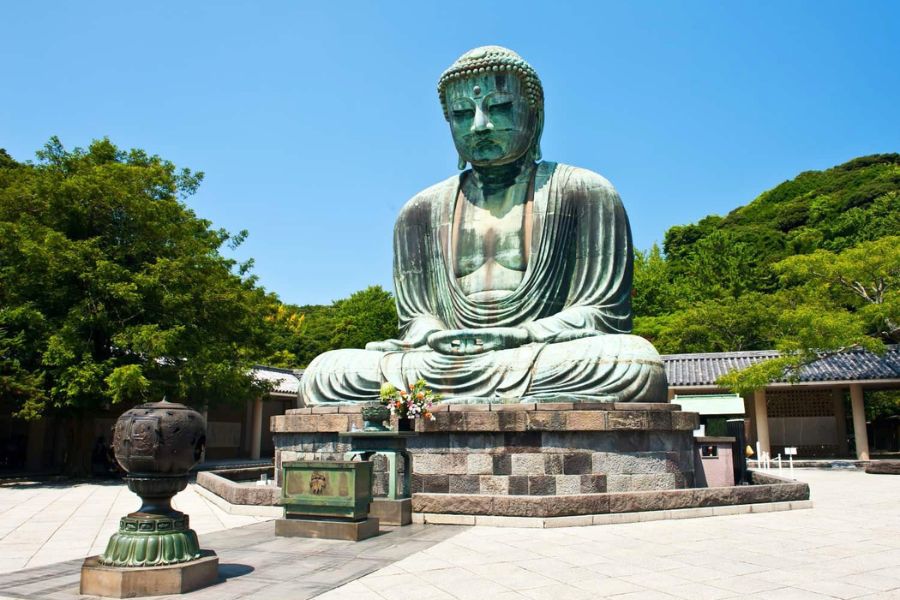
The drive to Kamakura from Yokohama Cruise Port takes approximately one hour by private vehicle. The route follows the coast and can feel pleasantly relaxed, especially compared with driving into the center of Tokyo.
Because Kamakura is more compact than the capital, a day trip here can feel less rushed even with a similar amount of total time ashore. Guests who value a calm, unhurried pace often find that Kamakura fits a port day very naturally; you see remarkable things, you walk at your own speed and the return to the ship feels comfortable rather than frantic.
How Much Time Will You Have for Sightseeing?
This depends on your ship's port schedule, and it is the first thing to check before settling on an itinerary. A full day in port from around 7am to 6pm gives you a genuinely generous window for either destination. A shorter call of five to six hours is still workable but calls for a more focused approach.
For Tokyo, a longer port call allows you to move between neighborhoods without feeling pressured. For Kamakura, even a shorter day can be deeply satisfying because the main sights are clustered together and the town does not reward rushing in any case.
Whatever your port timing, the golden rule is the same: the return needs to be built in from the start, not added as an afterthought.
Things to Do in Yokohama and Beyond: The Best Day Trip Options
Yokohama's greatest gift to cruise passengers is choice. Tokyo and Kamakura represent two genuinely different versions of Japan, and both are comfortably reachable in a single port day. For guests who prefer to stay closer to the ship, Yokohama itself has more than enough to fill a rewarding few hours. Here is what each option offers.
Tokyo Day Trips from Yokohama: What to See and Where to Go
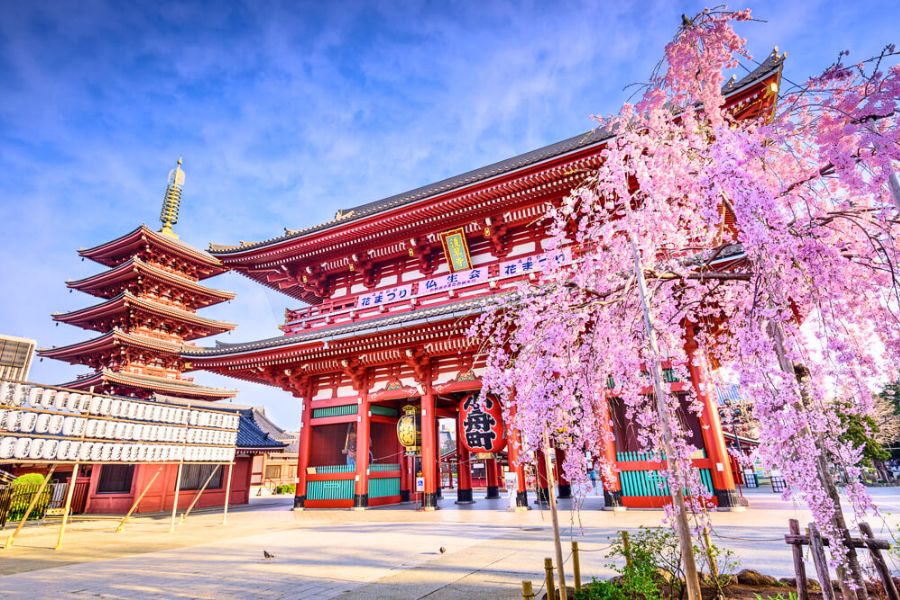 For many cruise passengers, a Tokyo shore excursions day from Yokohama is something they have looked forward to for years. This is, after all, one of the great cities of the world; and seeing it, even briefly, leaves a lasting impression.
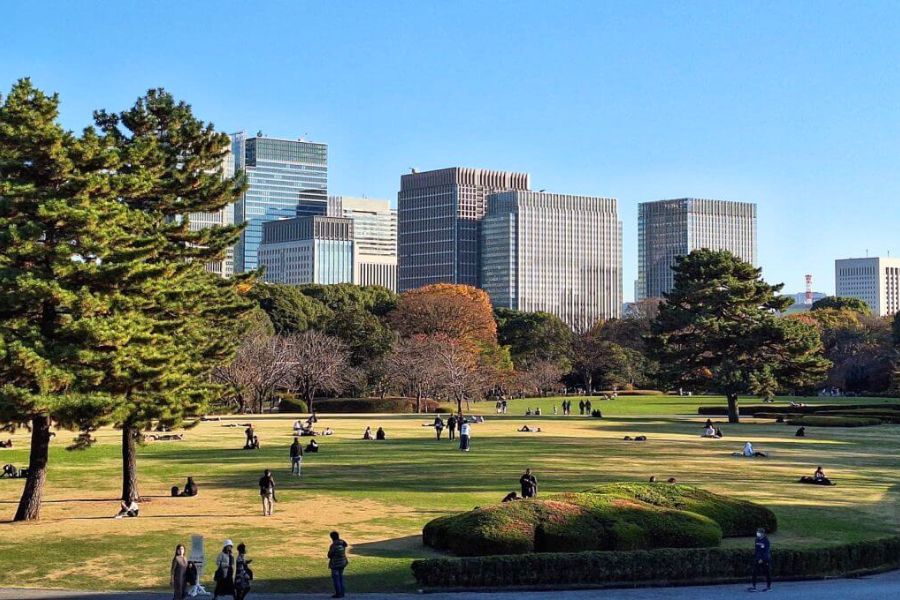
The city is enormous, and the key to a good port day in Tokyo is choosing a focused route rather than attempting to see everything. A typical itinerary from Yokohama might take you to the Senso-ji Temple in Asakusa, one of Tokyo's oldest and most beloved landmarks, before moving through the elegance of the Imperial Palace East Gardens. For those who want to feel the city's contemporary pulse, a walk through Shibuya or time in the traditional backstreets of Yanaka offers something entirely different from the famous monuments.
Lunch is worth planning carefully in Tokyo. Japanese cuisine in this city is extraordinary; a proper sit-down meal of ramen, sushi, tempura or a leisurely bento experience adds depth and pleasure to the day that no amount of sightseeing alone can match.
One thing to note: Tokyo is large, and even a well-organized private route involves meaningful walking. Guests who want to see this city comfortably should think about footwear, pace and the number of stops rather than trying to cover ground by sheer determination.
Kamakura Day Trip: Temples, the Great Buddha and a Slower Kind of Day
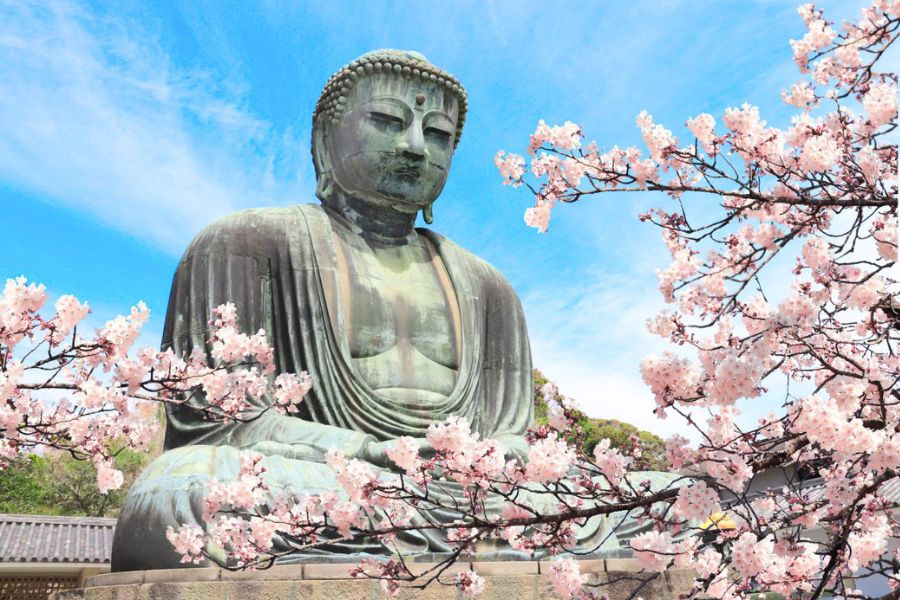
Kamakura sits on the Pacific coast about an hour from Yokohama, ringed by forested hills and shaped by more than a thousand years of Buddhist and Shinto culture. It was once Japan's de facto capital, and that history still lives in its hillside shrines, its wooded trails and its stunning collection of temples.
The Kotoku-in Temple is home to the Great Buddha, or Kotoku Daibutsu; the bronze statue stands over thirteen meters tall and has sat in the open air since its wooden shelter was destroyed by a typhoon in the fifteenth century. Standing before it has a way of quieting the mind that very few sightseeing experiences manage. You do not need to know anything about Buddhist tradition to feel it.
Beyond the Great Buddha, Kamakura rewards gentle exploration. The Tsurugaoka Hachimangu Shrine at the top of a long ceremonial avenue is one of Japan's most important Shinto sites. The Engaku-ji and Kencho-ji temples in the northern Kita-Kamakura area offer forested paths and graceful architecture. For guests who enjoy a slower pace, the Komachi-dori shopping street near the main shrine provides an excellent place to browse lacquerware, try local sweets and take a breath.
Kamakura is particularly beautiful in spring, when cherry blossoms soften the edges of temple rooftops, and in autumn, when the maple trees turn deep red and gold. But at almost any time of year, the town offers something that Tokyo, for all its wonders, does not: genuine stillness.
Things to Do in Yokohama Itself
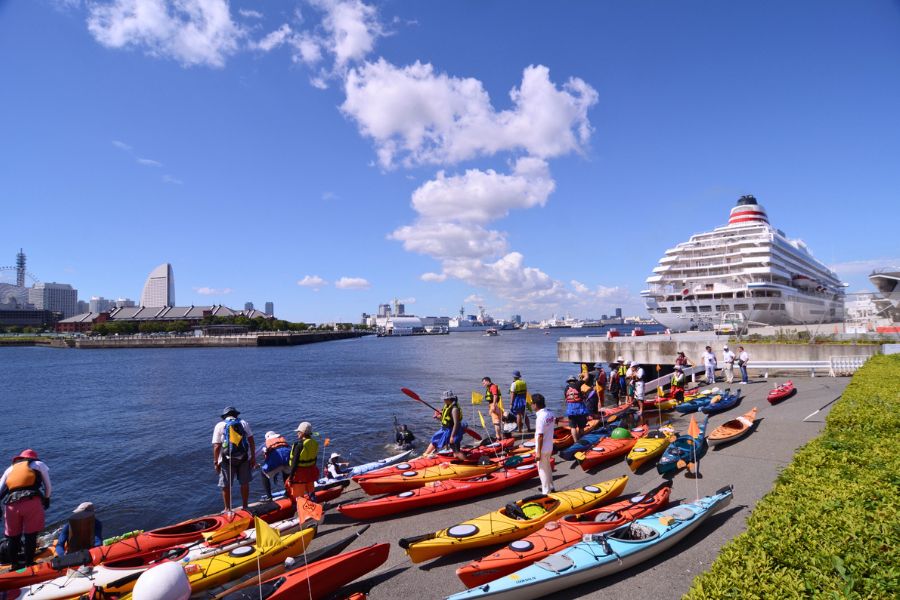
Not every cruise passenger wants to travel far on a port day, and Yokohama itself offers a genuinely rewarding few hours for those who prefer to stay close to the ship.
Yokohama Chinatown is the largest in Japan and one of the most vibrant in Asia. The streets are lined with restaurants, bakeries, dim sum shops and specialty food stalls that have been feeding locals and visitors for over 150 years. Spending an hour here; eating your way through steamed buns, roast duck and almond cookies; is its own small pleasure.
The Minato Mirai waterfront district is just a short walk from the terminal and brings together modern architecture, the landmark Cosmo Clock Ferris wheel and the beautiful red-brick Yokohama Red Brick Warehouse, now converted into shops, cafes and event spaces. The harbor views from this area are lovely, particularly on a clear morning with the skyline of the bay spread out before you.
The Sankeien Garden, a little further from the center, is a traditional Japanese landscape garden with historic buildings relocated from Kyoto and Nikko; a peaceful hour for those who love gardens and a genuine change of pace after the waterfront energy.
Tokyo or Kamakura: Which Day Trip Suits Your Port Call?
There is no universal answer to this question, and any guide that pretends otherwise is not taking you seriously as a traveler. Both destinations are genuinely special; the right choice is the one that fits your interests, your energy and your ship's schedule. This comparison is meant to help you decide honestly rather than push you in either direction.
| Tokyo | Kamakura | |
| Best for | First-time visitors to Japan, city lovers, food enthusiasts | Temple seekers, those who prefer a slower pace, nature lovers |
| Drive from port | 45 to 60 minutes | Around 60 minutes |
| Walking involved | Moderate to significant | Moderate, with gentle hills |
| Pace of the day | Energetic | Calm and unhurried |
| Ideal port call length | Longer calls work best | Works well with most port schedules |
Best Choice for Culture and Iconic Experiences
Tokyo is the stronger choice for guests who want to see Japan at its most dramatic and layered. Ancient temples sit beside glass towers; the world's finest food appears at every price point; neighborhoods shift personality every few blocks. This is a city that rewards curiosity and offers something genuinely new around every corner.
If this is your only call in Japan or your first time in the country, and your ship gives you a full day, Tokyo deserves serious consideration.
Best Choice for a Calmer, More Contemplative Day
Kamakura is the choice for guests who want Japan to feel a little more intimate. The scale is human rather than overwhelming, the pace encourages pausing, and the spiritual atmosphere of the town has a way of staying with you long after you return to the ship.
Guests who are traveling with a partner, who prefer walking in fresh air rather than city streets, or who have already seen Tokyo on a previous visit often find that Kamakura is the most memorable day of their entire cruise.
Best Choice for Guests Who Prefer Not to Travel Far
If your energy is better spent closer to the ship, Yokohama itself is more than capable of filling a port day with good food, beautiful harbor scenery and interesting history; as well as that particular pleasure of a city that has always faced outward toward the world.
Yokohama was Japan's first major international trading port, opened in 1859, and that cosmopolitan character still gives the city a slightly different feel from Tokyo. There is warmth here, and a comfortable sense of welcome.
Practical Travel Tips for Cruise Passengers at Yokohama Port
A well-planned port day in Japan feels entirely different from a hurried one. Knowing a few basics about temple etiquette, walking comfort and the importance of a clear return schedule means you can give your full attention to the sights themselves rather than worrying about the logistics as the day unfolds.
What to Know About Japanese Temple Etiquette
Most of the major sights in both Tokyo and Kamakura involve Buddhist temples or Shinto shrines. A few simple points of etiquette will make the experience more comfortable and more respectful. Remove shoes when asked before entering inner temple buildings. Wash your hands at the water pavilion (temizuya) before approaching the main hall of a Shinto shrine. Speak quietly, move calmly and avoid pointing your camera directly at worshippers who are praying. These things are easy to do and will make you feel genuinely welcomed rather than simply tolerated.
There is no requirement to dress in traditional clothing, but modest and comfortable attire is appropriate. Shorts and sleeveless tops are generally fine for outdoor temple grounds in warm weather.
Walking Comfort and Physical Considerations
Both Tokyo and Kamakura involve meaningful amounts of walking. In Kamakura, some of the temple paths include gentle slopes and uneven stone steps. In Tokyo, long distances between neighborhoods and crowded pedestrian streets can be tiring after a few hours.
Comfortable, flat shoes are strongly recommended. If you have any concerns about mobility, your guide can help adjust the route to minimize difficult terrain, reduce unnecessary distances and build in rest stops where needed. A good guide in Japan will notice when you need a moment without you having to ask.
Plan Your Return to the Ship with Care
Japan's trains are famously punctual, but port days are not the ideal time to test an unfamiliar transit system under time pressure. The surest way to ensure a comfortable return to the ship is a private vehicle with a driver who understands your schedule and monitors timing throughout the day.
Yokohama's road network is generally well organized, but traffic near the port can build in the late afternoon when ships are departing. Leaving your last sightseeing stop with a proper time buffer; ideally at least 90 minutes before the ship's all-aboard time; gives you space to breathe rather than spending the final hour of Japan in a worried silence.
Cash, Cards and Small Practical Details
Japan remains a partially cash-based society, and many smaller temples, local restaurants and market stalls do not accept international cards. Carrying some Japanese yen for the day is practical and avoids any awkward moments. Your guide can help you find a convenient ATM or currency exchange near the terminal if needed.
Japan has clear signage in English in most tourist areas, particularly in Tokyo and Kamakura. Navigation apps work well throughout the country. But in smaller local areas or at traditional establishments, a guide who speaks Japanese fluently will open doors; quite literally, at times; that would otherwise stay closed to visitors.
Should You Book a Private Tour from Yokohama Cruise Port?
For most cruise passengers visiting Tokyo or Kamakura from Yokohama, a private tour is the most comfortable and reliable way to spend the day. Public transport is efficient, but a private arrangement puts someone experienced in charge of the one thing you cannot afford to get wrong on a port day: getting back to the ship.
Beyond the practical reassurance, private touring in Japan simply changes the quality of the experience. A knowledgeable local guide brings context, language and a sense of direction that transforms a long list of famous sights into something more personal. You learn things you would not learn from a sign. You eat in places you would never find alone. You spend the day at your own pace rather than the pace of a group.
Why Private Transport Matters for Tokyo Day Trips from Yokohama
The drive to central Tokyo is not complicated, but Tokyo itself is a city where local knowledge makes a real difference. Traffic can shift quickly; certain neighborhoods are better approached from specific directions; and parking near major sights is often limited. A driver who knows the city and has done this route many times removes all of that uncertainty from your day.
On the return, your driver knows the port, knows the roads out of the city and knows exactly how long the trip back should take. That reliability is worth more than it sounds when the alternative is watching the clock from a train platform and hoping for the best.
Why a Relaxed Return Schedule Makes the Whole Day Better
There is a particular anxiety that visits cruise passengers in the final hours of a port day when they are not sure they have left enough time. It is an unpleasant feeling, and it casts a shadow backward over everything that came before it. A private arrangement built around your ship's schedule removes that anxiety from the start.
When you know the return has been planned properly, you can give yourself fully to the day. You can linger a little longer at the Great Buddha. You can order another course at lunch. You can sit on a temple step for five minutes and just take it in. Those moments; quiet and unrushed; are what you will actually remember.
Plan Your Yokohama Port Day with Local Experts
Yokohama is one of the most generously positioned cruise ports in Asia. Two of Japan's most compelling destinations sit within easy reach, and the city itself has genuine character for those who choose to stay close to the water. The hardest part of a port call here is simply deciding which way to go.
Tokyo rewards guests who want scale, history and the electric quality of one of the world's great cities. Kamakura rewards those who want stillness, temple beauty and a day that does not ask very much of you except to pay attention. Both are exceptional.
What matters is choosing based on what you actually love, building the day around a realistic schedule and trusting someone who knows Japan well to help it run smoothly from the moment you leave the terminal to the moment you walk back up the gangway.
FAQs About Yokohama Cruise Port Guide
Is Yokohama the main cruise port for Tokyo?
Yes. Most large cruise ships visiting the greater Tokyo area dock at Yokohama, primarily at Osanbashi Pier in central Yokohama. The city is well connected to Tokyo by road and rail, and Tokyo is a popular and entirely manageable day trip from the port.
How far is Yokohama Cruise Port from Tokyo?
Yokohama Cruise Port is approximately 30 kilometers from central Tokyo. By private vehicle, the drive typically takes between 45 minutes and one hour depending on traffic and the specific destination within the city.
How far is Yokohama from Kamakura?
Kamakura is approximately 40 to 50 kilometers from Yokohama Cruise Port, with a drive of roughly one hour by private vehicle. The route follows the coast and is generally comfortable.
Can I visit both Tokyo and Kamakura in one port day?
Combining both in a single day is not recommended for most cruise passengers. The driving time between the two destinations, plus the sightseeing time at each, makes a combined visit very rushed and does not do justice to either place. Choosing one and exploring it properly is almost always more satisfying.
What is better from Yokohama, Tokyo or Kamakura?
Both are genuinely rewarding, but they offer very different days. Tokyo is best for first-time visitors to Japan and those who want a city experience with remarkable scale and culture. Kamakura suits guests who prefer a calmer pace, natural surroundings and a more contemplative kind of sightseeing. Your personal preference and port schedule should guide the choice.
Is it worth spending the day in Yokohama itself?
Absolutely. Yokohama has genuine character, excellent food in its famous Chinatown, beautiful harbor scenery and interesting history. Guests who prefer to stay close to the ship or who have already visited Tokyo and Kamakura on previous cruises can have a very enjoyable port day without traveling far from the terminal.
Should I book a private tour for my Yokohama port day?
For day trips to Tokyo or Kamakura, a private tour offers the most comfortable and reliable experience. The practical benefit of having a driver monitor your return timing is significant, and a knowledgeable guide enriches both destinations considerably. For guests staying in Yokohama, private arrangements are also available and are especially useful if you want a guided experience of Chinatown, Sankeien Garden or the broader waterfront area.


 Contact Us via Messenger
 Send Inquiry