
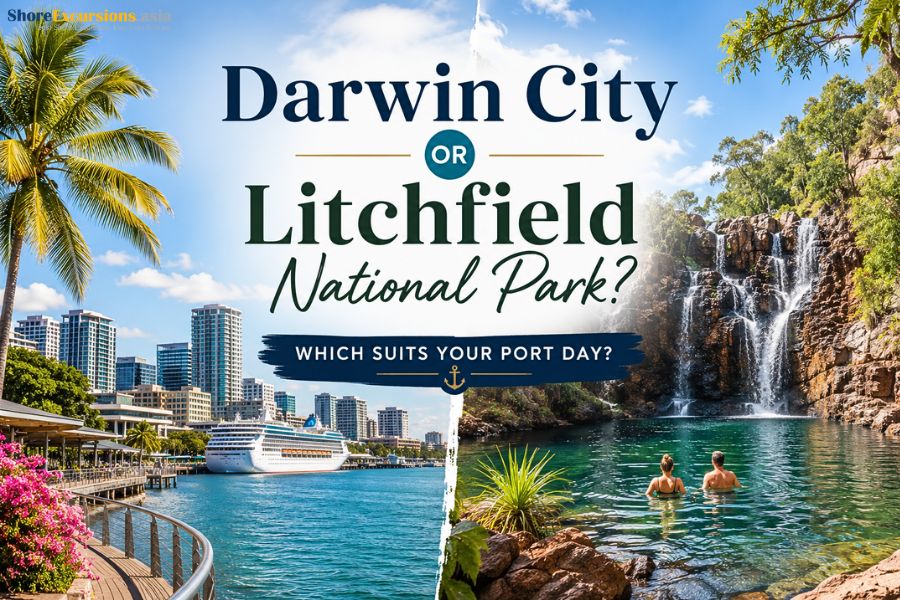
Darwin presents cruise passengers with two very different ways to spend a day ashore. One stays close to the harbour, revealing the city’s wartime history, tropical waterfront and distinctive northern character. The other travels beyond the capital into Litchfield National Park, where waterfalls, monsoon forest and immense termite mounds shape a more adventurous introduction to Australia’s Top End.
Both can be rewarding, but they are not suitable for the same cruise schedule. Choosing between Darwin City and Litchfield National Park depends on how long your ship remains in port, how much time you are comfortable spending in a vehicle, your preferred walking pace and whether history or natural scenery matters more to you.
This comparison from Shore Excursions Asia will help you understand what each experience offers before selecting from the available Darwin shore excursions.
Darwin City or Litchfield National Park: The Essential Difference
Darwin City is the more comfortable and flexible choice for a shorter port call. Most of the day is spent exploring within or close to the city, with comparatively little time required for long-distance travel. The experience can include harbour views, the Waterfront, military heritage and locations connected with the bombing of Darwin.
Litchfield National Park is a full-day journey into the natural landscapes of the Northern Territory. The park is known for waterfalls, tropical forest, sandstone formations and magnetic termite mounds. Reaching these places requires considerably more road travel, so Litchfield is best considered when the ship provides a long and reliable window ashore.
Neither option is automatically better. Darwin City offers depth without distance, while Litchfield offers a greater sense of landscape and escape. The right choice is the one that fits comfortably between disembarkation and the ship’s official all-aboard time.
Choose Darwin City for History, Harbour Views and an Easier Pace
A Darwin city visit introduces the story of a tropical capital shaped by war, cyclones and its position at Australia’s northern edge. The experience is more varied than a conventional city sightseeing tour, particularly for travellers interested in military history and the events of the Second World War.
Darwin was the target of Japanese air raids in February 1942 and became an important base for Australian and American forces. Reminders of this period remain throughout the city and its harbour, making wartime history one of the most distinctive themes of a Darwin port day.
Darwin Military Museum and the Defence of Darwin Experience
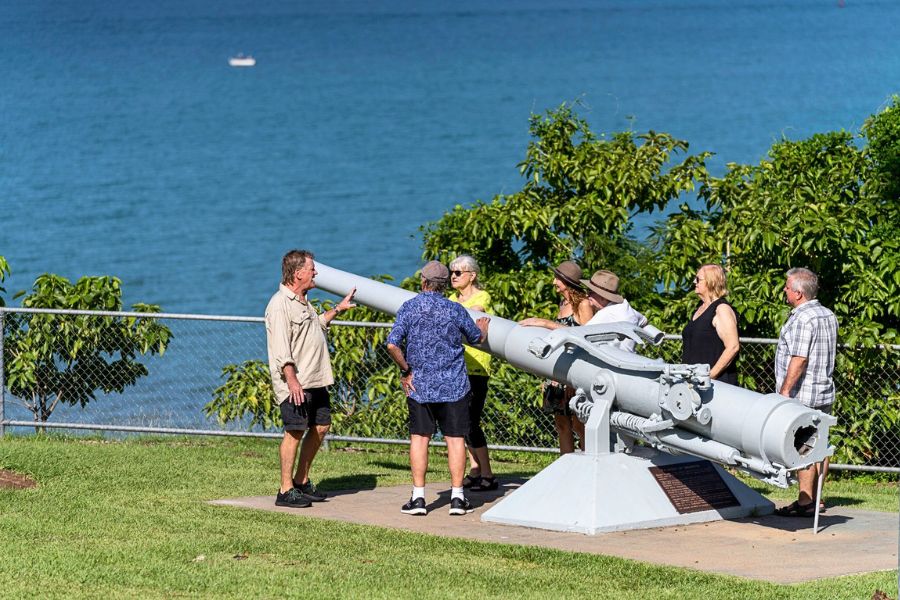
Located at East Point, the Darwin Military Museum presents the city’s role in Australia’s wartime history through artillery, vehicles, uniforms, photographs and personal stories. The adjoining Defence of Darwin Experience uses multimedia displays and historical footage to place visitors within the events surrounding the bombing of Darwin.
This is a particularly meaningful stop for passengers who prefer museums, historical interpretation and stories connected to real locations. East Point also offers coastal views, allowing history and scenery to be included within the same city route.
Darwin Waterfront and Stokes Hill Wharf
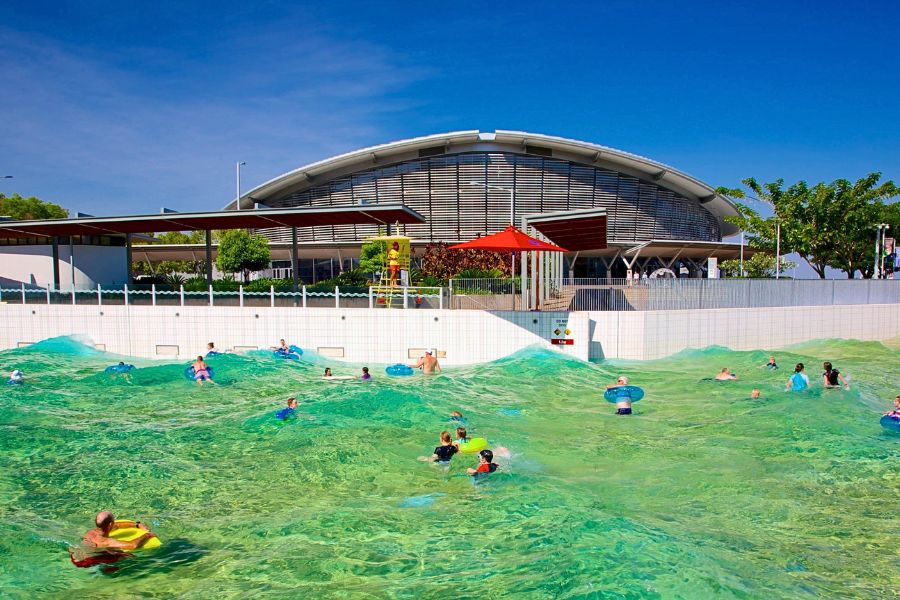
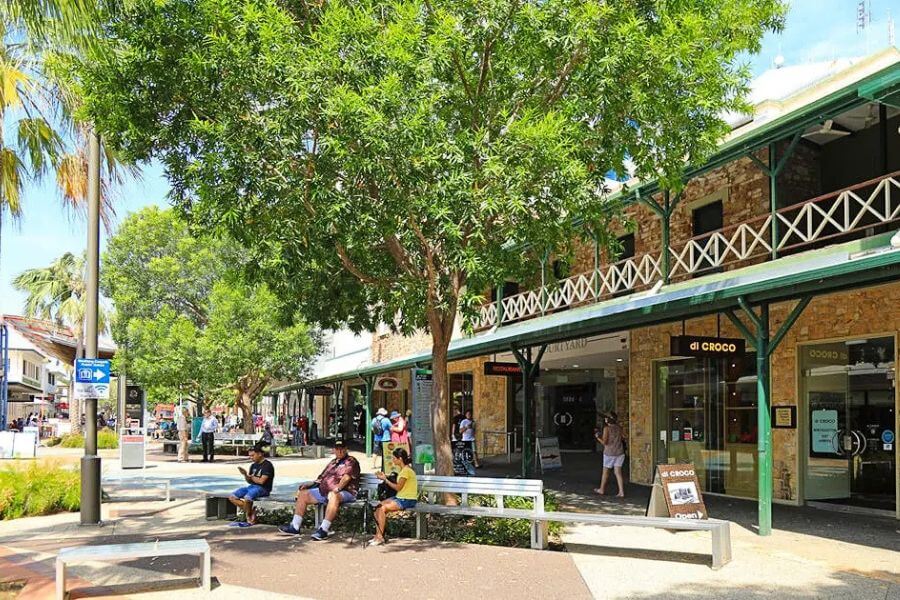
Closer to the cruise terminal, Darwin Waterfront brings the day back to the harbour. The precinct combines contemporary public spaces, waterside dining and an easy-going tropical atmosphere within convenient reach of the ship.
Nearby Stokes Hill Wharf has its own connection with Darwin’s wartime story. The Royal Flying Doctor Service Darwin Tourist Facility uses holograms, virtual reality and interactive storytelling to present both the Flying Doctor service and the bombing of Darwin Harbour.
These locations work especially well when passengers want a meaningful visit without travelling far beyond the city. They can also be adjusted more easily if the ship arrives late or the available time ashore becomes shorter than expected.
WWII Oil Storage Tunnels
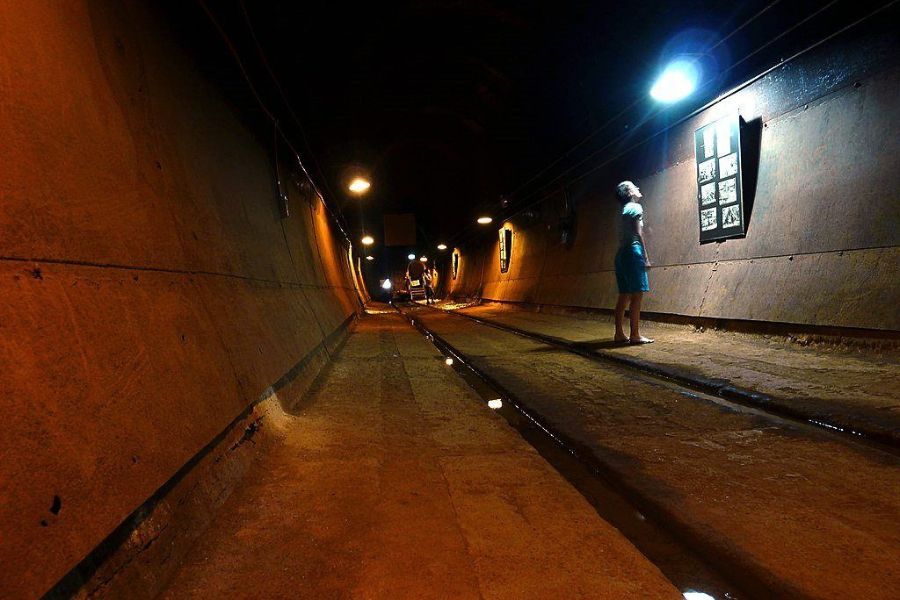
The underground oil storage tunnels near Darwin Waterfront offer another perspective on the city’s military past. They were created in response to the vulnerability of above-ground fuel storage during wartime air attacks.
The visit is more compact than the Military Museum and can be suitable for a city itinerary focused around the Waterfront. Current opening arrangements should still be checked before including the tunnels in a tightly timed independent plan.
Who Is Darwin City Most Suitable For?
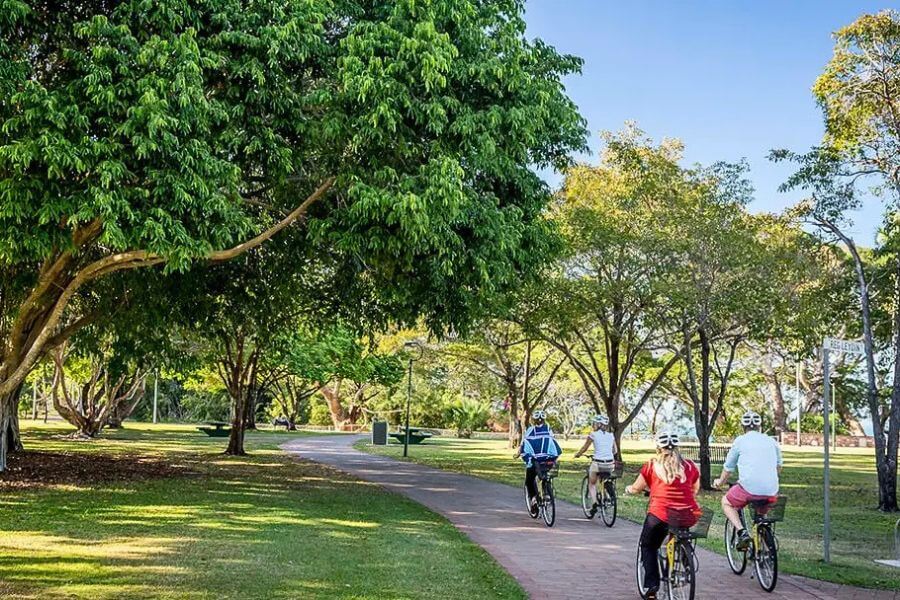
Darwin City generally suits passengers who have a shorter port call, prefer less time on the road or want greater flexibility during the day. It is also the more natural choice for travellers interested in WWII history, museums, the harbour and the development of Darwin itself.
Older cruise passengers may appreciate the ability to adjust the route according to walking comfort and weather. More of the day can be spent moving between relatively close locations, rather than completing a long outward and return drive.
The current Darwin WWII and City Highlights experience is designed around approximately four hours, leaving considerably more flexibility for ships with moderate port stays.
Choose Litchfield National Park for Waterfalls and Top End Landscapes
Litchfield National Park offers an entirely different sense of place. Beyond Darwin’s streets and harbour, the landscape opens into woodland, monsoon forest, rocky escarpments and waterfalls flowing into natural pools.
The park covers a substantial area, so a Litchfield visit is not centred on a single attraction. The experience unfolds through a series of landscapes, viewpoints and cultural stories, connected by road through the Australian bush.
Magnetic Termite Mounds
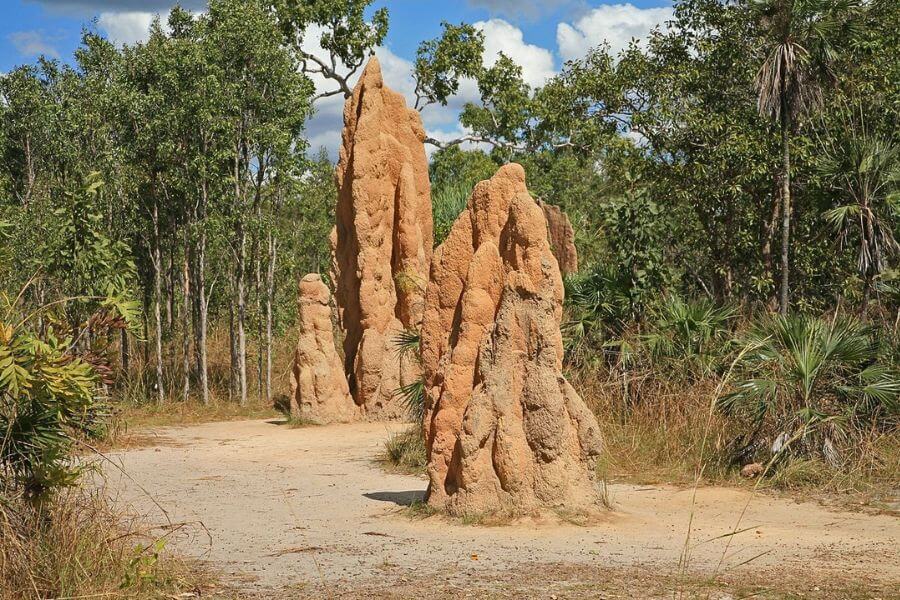
The magnetic termite mounds are among Litchfield’s most unusual sights. Their tall, narrow forms are aligned in a north-to-south direction, helping regulate the temperature inside the mound as the position of the sun changes throughout the day.
Nearby cathedral termite mounds rise in much larger, sculptural forms. Together, these structures reveal how wildlife has adapted to the heat and seasonal conditions of the Top End.
Florence Falls
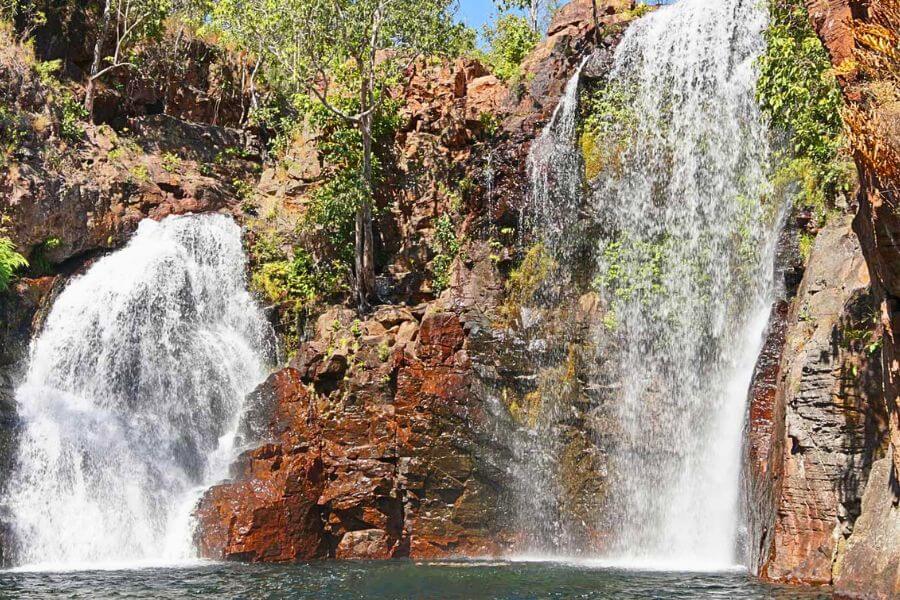
Florence Falls descends into a forested plunge pool surrounded by sandstone and monsoon vegetation. Visitors may experience the area from a lookout or continue along one of the walking routes when time, weather and mobility allow.
The official park information identifies accessible facilities at Florence Falls, although different viewing and walking routes involve different levels of effort. Cruise passengers should therefore confirm which route will be used rather than assuming the complete site is step-free.
Wangi Falls
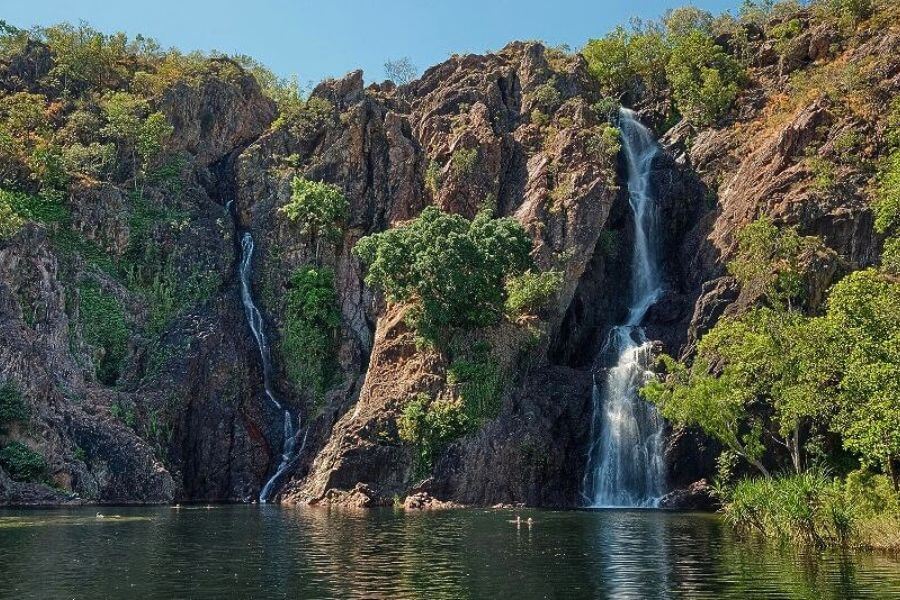
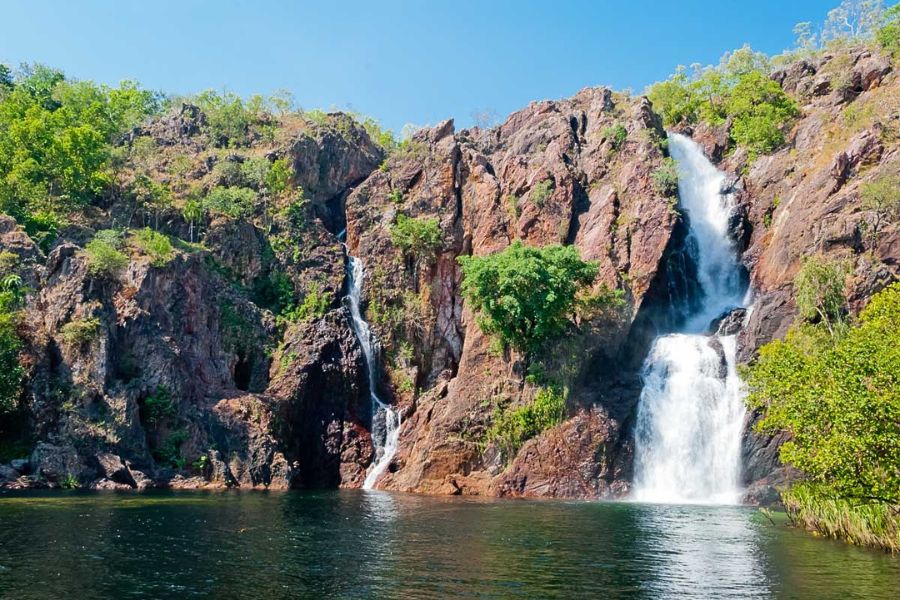
Wangi Falls is one of the park’s most recognised landscapes, where water descends over a broad rock face into a pool framed by tropical vegetation. The surrounding area provides an attractive setting for a pause during a full-day journey.
Swimming access can change according to water conditions, seasonal assessments and park management. The value of the visit should therefore rest on the scenery and atmosphere, not on an assumption that swimming will always be possible.
Tolmer Falls and Other Viewpoints
Tolmer Falls offers a dramatic viewpoint over a deep gorge, with an accessible path leading towards the viewing decks. It can be a useful inclusion for travellers who want to experience Litchfield’s scale without completing a lengthy or demanding walk.
The precise route through the park may change according to opening conditions, weather and the time available. Parks can close unexpectedly because of flooding, fire or maintenance, so responsible planning remains essential for a cruise visit.
Who Is Litchfield National Park Most Suitable For?
Litchfield suits passengers who have a long port call and place natural scenery above city sightseeing. It is especially rewarding for travellers who enjoy waterfalls, photography, native landscapes and the feeling of leaving the city behind.
The journey also requires comfort with a longer period in the vehicle. Even when individual viewpoints involve only modest walking, the overall day is fuller and less flexible than a city visit.
The Litchfield National Park Indigenous Discovery experience is currently designed as an approximately nine-hour journey from Darwin Cruise Port. It should only be selected when the ship’s arrival, disembarkation and all-aboard times provide sufficient room for a calm return.
How Much Time Do You Need in Port?
The published time between the ship’s arrival and departure is not the same as the usable time available for sightseeing. Passengers must first leave the ship and pass through the terminal. At the end of the day, they must return before the official all-aboard time, complete port security and walk back to the gangway.
A Port Call of Around Five to Six Hours
Darwin City is the more realistic choice. A focused route can introduce the Waterfront, military history and selected city landmarks without placing the return journey under unnecessary pressure.
Litchfield should not be compressed into this timeframe. Too much of the available day would be spent travelling, while even a minor delay could create an uncomfortable return.
A Port Call of Around Seven to Eight Hours
A city itinerary remains the easier and more relaxed option. It allows time to visit major historical locations while keeping a sensible margin before all-aboard.
Litchfield may still be difficult once disembarkation, road travel, park stops and the return buffer are calculated. The advertised port stay should not be treated as nine uninterrupted hours of touring.
A Long Port Call of Nine Hours or More
Litchfield becomes a more realistic possibility when the ship provides a long day ashore and the arrival time supports an early departure from the port.
The final decision must still consider how quickly guests can disembark, current road and park conditions and the amount of return time protected by the operator. A nine-hour experience cannot fit safely into a nine-hour port stay when terminal time and all-aboard requirements are included.
Passengers unfamiliar with the terminal can first read our Darwin Cruise Port Guide for information about Fort Hill Wharf, meeting points and city access.
Which Option Is More Comfortable for Older Cruise Travellers?
Darwin City will usually be the gentler option, but age alone should not determine the decision. Walking ability, balance, heat tolerance, vehicle comfort and the length of time a passenger can sit comfortably are more useful measures.
A city visit involves shorter transfers and more opportunities to adjust the itinerary. One attraction can be removed without changing the entire structure of the day, while refreshments, restrooms and shaded pauses are easier to include.
Litchfield may still suit active older travellers who are comfortable with a full-day journey. The experience becomes more manageable when the itinerary prioritises viewpoints with easier access, allows unhurried vehicle entry and exit, and avoids treating every available walking trail as essential.
Passengers using a wheelchair or walking aid should provide detailed information before booking. Some park locations have accessible facilities, but the suitability of the complete journey also depends on the vehicle, each selected stop and the passenger’s ability to transfer.
History or Nature: Which Experience Will Feel More Meaningful?
Darwin City is the stronger choice when the stories behind a place matter most. Its military sites, harbour and museums reveal how geographic isolation, war and natural disaster shaped the modern city.
Litchfield is the stronger choice when landscape is the priority. The park offers the visual scale and natural atmosphere many travellers associate with the Northern Territory, from waterfalls and woodland to termite mounds shaped by a highly specialised ecosystem.
Photography preferences may also influence the decision. Darwin City offers harbour scenes, museums, architecture and historical detail. Litchfield offers wider landscapes, flowing water, forest and distinctive natural formations.
Neither is a lesser version of the other. They tell two different parts of the Top End story.
How Weather May Affect Your Choice
Darwin City is generally less vulnerable to changes in park access. Museums, the Waterfront and central locations can usually be reorganised when rain, heat or a delayed arrival affects the original plan.
Litchfield requires closer attention to seasonal conditions. Waterfalls may appear especially powerful during and after wetter periods, but road access, walking routes and swimming conditions can change. Fire, flooding and maintenance can also lead to unexpected closures.
Before travelling, passengers or their operator should review the official Litchfield National Park information rather than relying only on photographs or older itineraries.
Our guide to the best time to visit Darwin provides further detail about the dry season, wet season and the effect of tropical weather on different port-day experiences.
Can You Visit Darwin City and Litchfield on the Same Port Day?
Trying to combine both usually weakens the experience. Litchfield already requires a substantial full-day commitment, while Darwin’s historical attractions deserve more than a rushed drive through the city.
A brief view of the Waterfront may naturally form part of the journey from or back to the port, but this is different from completing a meaningful Darwin city visit.
Cruise passengers generally gain more from choosing one clear direction. A well-paced city day leaves time to understand Darwin’s story. A well-paced Litchfield day leaves time to experience the landscapes rather than treating each stop as a photograph taken on the way back to the vehicle.
Darwin City or Litchfield National Park: Our Recommendation
Choose Darwin City when your ship has a shorter or uncertain port call, when you prefer an easier pace or when military history, museums and harbour views hold the greatest appeal.
Choose Litchfield National Park when your ship offers a genuinely long day ashore, natural scenery is your priority and you are comfortable with the road travel required to reach the park and return safely.
For travellers still undecided, the ship schedule should settle the question before personal preference does. Litchfield is only the better option when there is enough time to enjoy it without making the return to Darwin Cruise Port feel hurried.
A private journey offers additional flexibility in either setting. The route can be shaped around walking comfort, preferred interests and the amount of time safely available, without compulsory shopping stops or pressure to follow the pace of a large coach group.
Frequently Asked Questions
Is Litchfield National Park worth visiting from Darwin?
Yes, Litchfield can be one of the most memorable natural experiences near Darwin. It is most worthwhile when the ship provides enough time for the road journey, several park stops and a comfortable return before all-aboard.
How long do cruise passengers need for Litchfield National Park?
A meaningful Litchfield journey from Darwin generally requires most of the day. The Shore Excursions Asia experience is designed around approximately nine hours, so the total port call must be longer once disembarkation and reboarding time are considered.
Is Darwin City suitable for a short port call?
Darwin City is the more suitable option for a shorter port stay. Major historical and waterfront locations can be included without the long road journey required for Litchfield.
Is Litchfield National Park suitable for seniors?
It can suit active older travellers, but the answer depends on vehicle comfort, walking ability and the stops selected. Some viewpoints offer easier access, while other paths and waterfall areas involve more demanding surfaces or steps.
Can wheelchair users visit Litchfield National Park?
Some locations provide accessible facilities and viewing routes, including areas at Florence Falls and Tolmer Falls. The complete experience must still be reviewed according to the vehicle, mobility equipment and current park access.
Which option is better during wet weather?
Darwin City generally offers greater flexibility because indoor attractions and a shorter route can be rearranged more easily. Litchfield may remain accessible, but park openings, road conditions and walking routes should be checked close to the visit.
Can I combine Darwin City with Litchfield National Park?
It is not generally recommended during a cruise call. Litchfield already requires a full-day commitment, and combining both can create a rushed itinerary with too little time to appreciate either experience.
Choose a Darwin Port Day That Fits You
Darwin City and Litchfield National Park reveal two contrasting sides of the Northern Territory. One tells its story through the harbour, wartime sites and a resilient tropical capital. The other leads into a landscape shaped by water, stone, forest and thousands of years of Aboriginal connection.
The best choice is not the longest route or the one with the greatest number of stops. It is the experience that suits your interests, respects your walking comfort and returns you to the ship with time to spare.


 Send Inquiry