
A cruise port day gives you a limited window to experience somewhere new. At Shore Excursions Asia, we plan shore excursions around this simple reality every day: the time shown on your cruise itinerary is not the same as the amount of time you actually have for sightseeing.
You need time to leave the ship, meet your guide or driver, travel from the cruise terminal to the places you want to visit and return with a sensible margin before departure. In some ports, the main attractions are nearby. In others, reaching the destination you came to see may take a substantial part of the day.
A successful day ashore is therefore less about seeing the greatest number of attractions and more about choosing what fits comfortably into your port call.
Here are 10 common cruise port day mistakes that can make a day ashore more tiring, rushed or complicated than it needs to be.
1. Waiting Until You Arrive to Plan Your Port Day
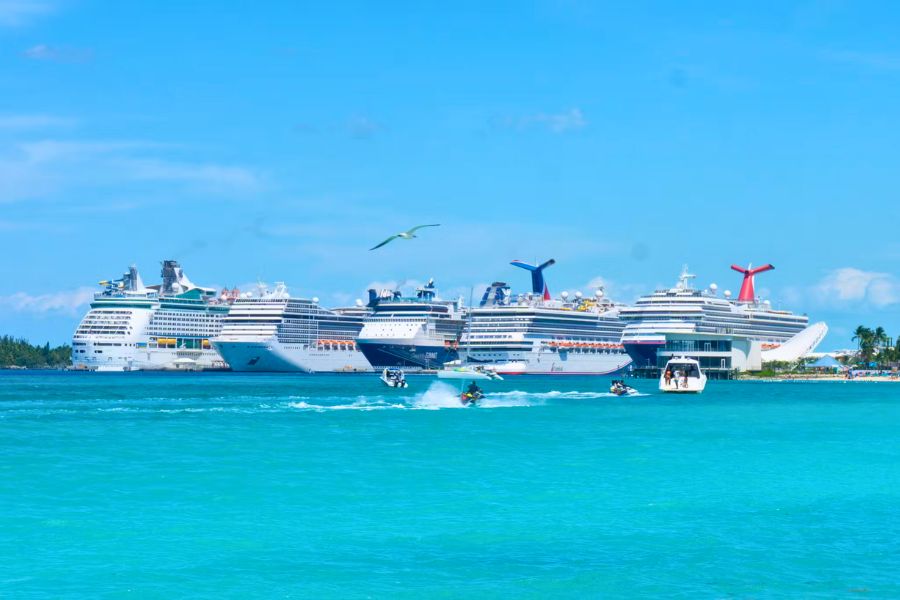
Stepping ashore without any plan can work in a compact port where the town center is close to the ship. It becomes much more difficult when the places you want to visit are some distance from the cruise terminal.
Before your cruise, find out where the ship actually docks. Then look at where the main attractions are in relation to the port.
This matters particularly in Asia because the destination shown on your itinerary is not always the place where your ship is berthed. A port call associated with Bangkok normally begins at Laem Chabang. Guests heading for Ho Chi Minh City generally travel inland from Phu My. Kyoto excursions can begin from Kobe or Osaka, while many Mount Fuji sightseeing days start from Shimizu.
Know What Kind of Port You Are Visiting
Some ports allow you to begin sightseeing almost as soon as you leave the terminal. Others require transportation before the sightseeing really starts.
Knowing this in advance helps you decide if you are comfortable exploring independently or if a private or shared shore excursion would make better use of your available time.
2. Treating Every Hour in Port as Sightseeing Time

If your itinerary shows the ship in port from 8:00 am until 6:00 pm, it is easy to think you have ten hours available for touring. In practice, your usable sightseeing time will be shorter.
Passengers need time to disembark, reach the meeting point and travel away from the terminal. More importantly, you should not plan to arrive back at the port at the exact moment the ship is due to leave.
The sightseeing itinerary needs to fit between these two parts of the day.
Plan From the Return Time Backwards
When building a port-day itinerary, start with the time you want to be back at the ship. Then allow for the return drive, traffic conditions and access to the terminal. The time that remains is your realistic touring window.
This approach may mean removing one attraction from the plan, but it usually results in a much more comfortable day.
A good shore excursion should never feel as though the final hour is a race back to the ship.
3. Trying to See Too Much in One Port Call
This is one of the most common mistakes first-time cruise passengers make.
When you may visit a destination only once, it is natural to want to include everything. A list can quickly grow from three major sights to six or seven, plus lunch, shopping and photo stops.
The result is often the opposite of what you intended. Instead of experiencing the destination, much of the day is spent getting in and out of the vehicle, checking the time and moving quickly through places that deserve longer.
Choose Priorities Rather Than a Long Checklist
Ask yourself which two or three experiences would make the port day worthwhile.
In Kyoto, that might mean concentrating on a smaller number of temples and historic areas rather than crossing the city repeatedly. In Bangkok, it may be better to explore several important sites in the same part of the city instead of adding another attraction that requires a long diversion.
For many mature travelers, this slower approach also leaves more time for restrooms, photographs, a comfortable lunch and simply enjoying where you are.
4. Ignoring the Distance Between the Cruise Port and the Main Sights
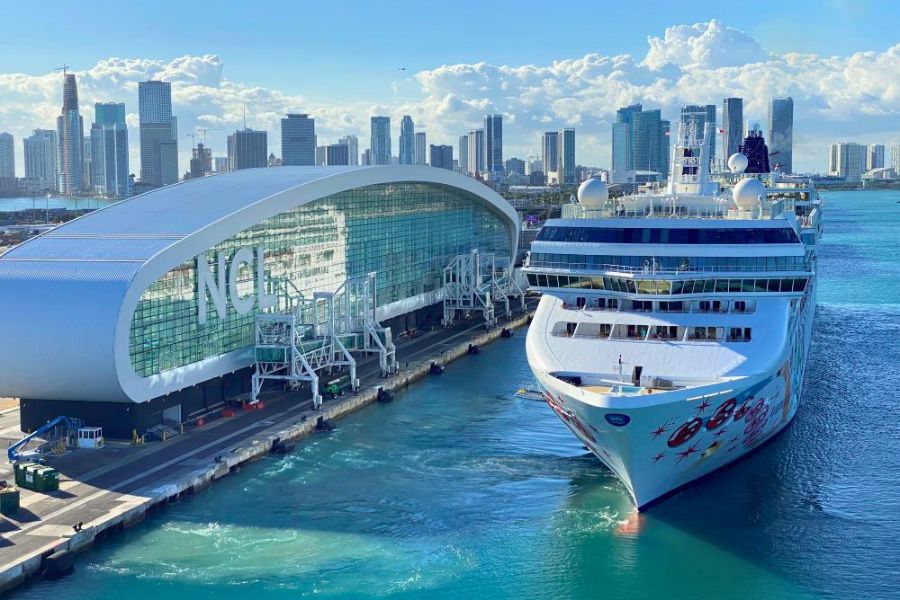
A destination can look straightforward when you read the cruise itinerary, but port geography can change the entire day.
This is particularly important for Vietnam shore excursions, where ports such as Phu My and Chan May can serve destinations well beyond the immediate terminal area. The same principle applies to Thailand shore excursions, especially when passengers dock at Laem Chabang and want to visit Bangkok.
Transfer time is not necessarily wasted time. Reaching a major city or cultural destination can easily be worth the drive. The mistake is failing to account for that drive when choosing how much sightseeing to include.
Look at the Whole Route, Not Just Individual Attractions
Two itineraries containing the same number of attractions can feel very different.
One may follow a logical route with short drives between stops. Another may cross the city several times, creating more time in traffic and less time outside the vehicle.
When comparing excursions, look at how the day flows as a whole. A carefully designed route is often more valuable than a longer list of famous names.
5. Choosing an Excursion That Does Not Match Your Walking Level

The most interesting excursion is not always the right excursion for you.
A port day can involve more walking than the itinerary description initially suggests. Temples may have steps. Historic districts may have uneven surfaces. Gardens can cover large areas. Some attractions require walking from the vehicle because buses and vans cannot stop immediately at the entrance.
Weather can make the same amount of walking feel very different too. A comfortable route in spring may be considerably more tiring during a hot and humid summer day.
Ask What “Moderate Walking” Actually Means
Labels such as easy, moderate and active are useful, but they should be accompanied by practical details when mobility is important to you.
Consider the number of steps, amount of standing, terrain and how frequently you can rest. Guests with knee, hip or back concerns may prefer an itinerary with shorter walking sections, more scenic driving and convenient vehicle access.
Our Japan shore excursions, for example, are planned with port time and group pace in mind, with private tours allowing adjustments to walking time, rest stops and sightseeing rhythm.
Choosing a slightly gentler itinerary does not mean seeing less of the destination. It often means enjoying what you do see more comfortably.
6. Planning Without Enough Time to Return to the Ship
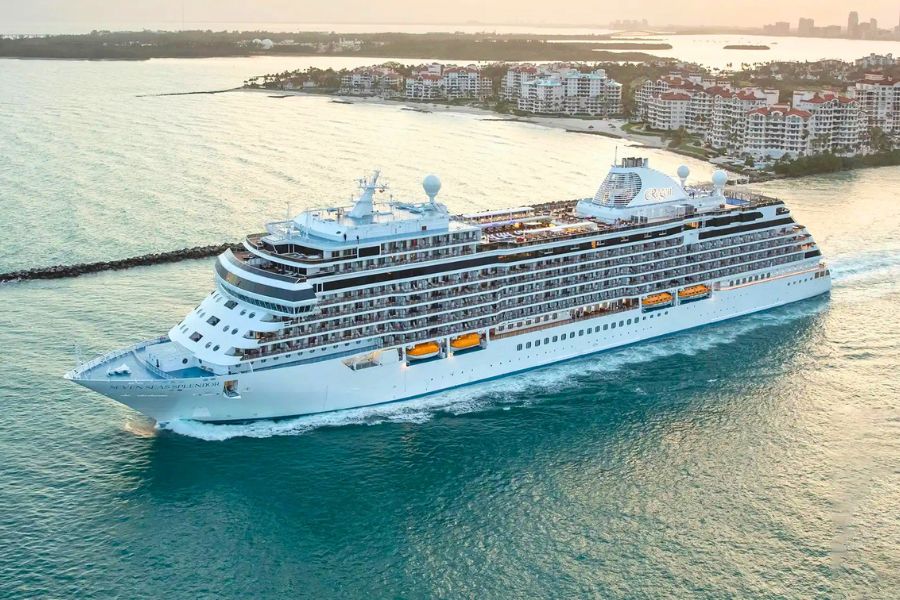
Your return to the port should be part of the itinerary from the beginning, not something considered once sightseeing is finished.
Traffic, road conditions and busy attraction areas can all affect travel time. Even if the outward drive went smoothly, that does not guarantee the return will take exactly the same amount of time.
An experienced shore excursion operator should know when the final sightseeing stop needs to end and when the vehicle needs to begin heading back toward the port.
Do Not Use Every Available Minute Ashore
It can feel wasteful to return earlier than absolutely necessary, especially in a destination you are unlikely to visit again. In reality, a sensible margin at the end of the day is one of the things that makes an excursion enjoyable.
You can spend the final attraction focusing on the experience instead of repeatedly checking your watch.
This is also why our shared excursions are timed around individual ship calls rather than using the same departure and return time for every sailing. Current small group shore excursions by cruise ship are matched to selected sailing dates and port schedules.
7. Choosing a Tour Only by the Number of Attractions
More stops do not automatically mean better value.
An excursion with eight attractions may look impressive beside one with five. But if several stops last only fifteen or twenty minutes, the day can become a sequence of quick photographs rather than a meaningful visit.
Consider what happens at each stop. Will you have enough time to enter the attraction? Is there time to hear the guide's explanation? Can you explore a market or historic area rather than simply seeing it through the vehicle window?
Quality of Time Matters More Than Quantity of Stops
A well-paced day normally combines major highlights with time to appreciate them.
This can be especially important in destinations with strong cultural and historical significance. A temple, memorial, traditional neighborhood or local market becomes more meaningful when there is enough time to understand what you are seeing.
For travelers who prefer a comfortable pace, fewer well-chosen stops are usually a better use of a limited port day than a long checklist.
8. Wearing the Wrong Shoes or Clothing for the Day
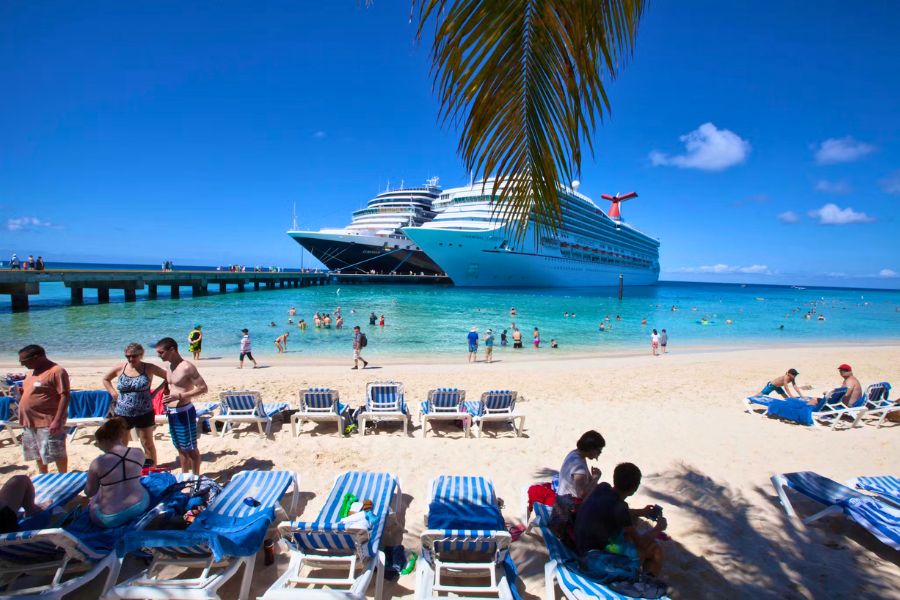
Port days can involve several different environments within a few hours. You may move from an air-conditioned vehicle to an outdoor historic site, then enter a temple or religious building before walking through a market or garden.
Comfortable walking shoes are one of the simplest ways to make the day easier. New shoes that have not been worn before the cruise are rarely a good choice for a full sightseeing day.
Clothing also deserves some thought. Weather at the destination may be very different from conditions when you look outside from the ship in the morning.
Consider Local Customs as Well as Weather
Religious and cultural sites in several Asian destinations may expect visitors to dress respectfully. Your guide can normally advise you about local requirements, but it is useful to prepare before leaving the ship.
A lightweight layer can also be helpful when moving between warm outdoor temperatures and strongly air-conditioned vehicles or buildings.
The aim is simple: once you are ashore, your clothing should help you enjoy the day rather than become something you have to think about.
9. Assuming You Need the Same Type of Excursion at Every Port
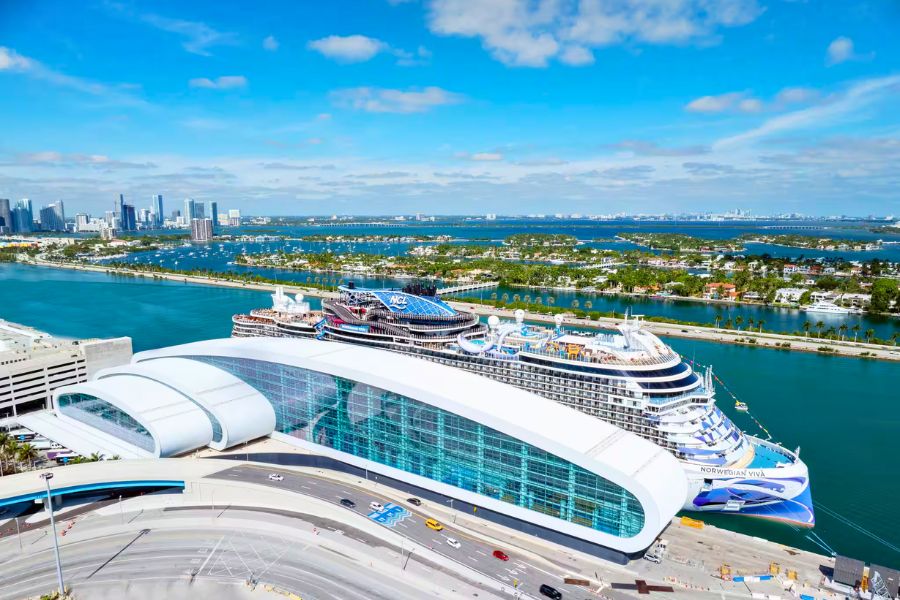
Not every cruise port requires the same approach.
Some destinations are compact and straightforward enough for independent sightseeing. In others, the attractions are spread across a large area or located far from the terminal, making organized transportation much more valuable.
You may therefore choose a private shore excursion at one port, a small-group tour at another and explore independently somewhere else.
Match the Tour Style to the Port
Private excursions work particularly well when you want to adjust the pace, concentrate on specific interests or travel with family and friends.
Small-group shared tours can provide a more affordable option while still giving cruise passengers a structured itinerary and transportation planned around the ship's schedule.
Independent exploration can be a good choice when the port itself is the destination and local logistics are simple.
The important question is not “Which type of excursion is best?” but “Which type makes the most sense at this particular port?”
10. Choosing the Cheapest Shore Excursion Without Comparing What Is Included
Price is an important consideration, especially when a cruise itinerary includes many ports. However, comparing tours only by the headline price can be misleading.
Look at the group size, vehicle type, guide service, entrance fees, meal arrangements, itinerary length and return-to-ship planning. Also check where the guide meets you and if additional transportation is needed to reach the meeting point.
A lower-priced excursion may still be excellent. The mistake is assuming that two tours with similar attraction lists provide the same experience.
Compare the Day You Will Actually Have
Think about what matters most to you.
Some passengers want a private guide and the freedom to adjust the itinerary. Others prefer the value and social atmosphere of a small group. Some want an active day covering as much as possible, while others value a slower pace and comfortable transportation.
If none of the standard excursions fits what you want, you can also design a private shore excursion around your interests, ship schedule and preferred pace.
The best value is not necessarily the lowest price. It is the excursion that gives you the kind of day ashore you actually want.
How to Plan a Better Cruise Port Day
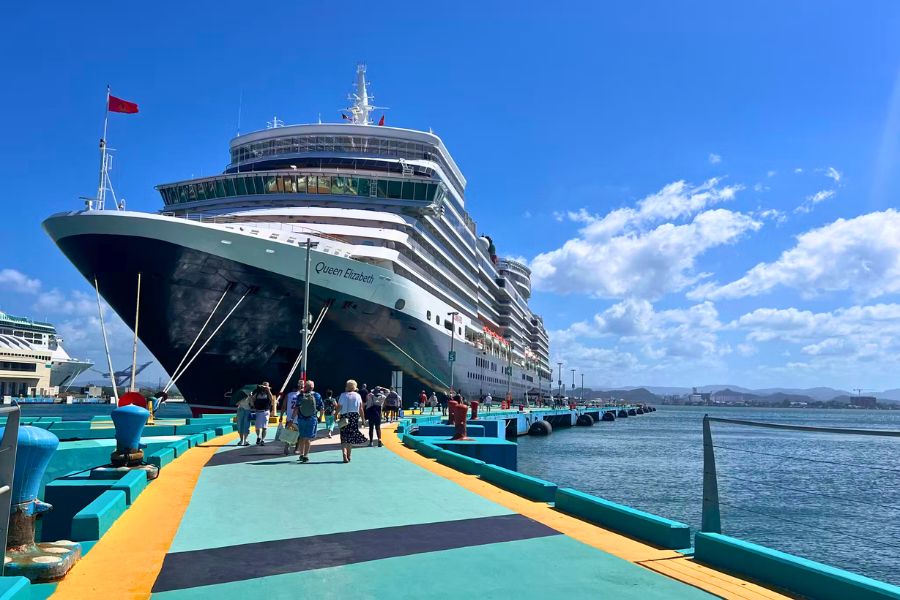
A good port day starts with three pieces of information: where the ship docks, how many usable hours you have ashore and what you most want to experience.
Once these are clear, planning becomes much easier.
If the main sights are far from the port, allow more time for transportation and choose fewer stops. If the destination is compact, you may be able to explore more slowly and include some independent time. If walking is a concern, choose attractions with easier access and build in comfortable breaks.
Most importantly, avoid planning the day right up to the ship's departure time.
Ask Yourself One Question Before Adding Another Stop
Will this attraction make the day better, or simply make the itinerary longer?
It is a useful question whenever you are tempted to add one more temple, viewpoint, market or museum.
On a land holiday, you can always stay an extra hour. On a cruise port day, you cannot. Choosing carefully is therefore more important than fitting everything in.
What Makes a Good Shore Excursion for Cruise Passengers?
A good shore excursion should feel different from an ordinary city tour.
It needs to account for the ship's arrival and departure schedule, the location of the cruise terminal, realistic traffic conditions and the time required to return comfortably.
The itinerary should also match the passengers taking it. A group of active travelers may enjoy a faster schedule with more walking, while mature passengers may prefer additional vehicle access, rest stops and a relaxed lunch.
At Shore Excursions Asia, our tours are created specifically for cruise guests rather than simply adapting standard land tours. Our current country programs include Japan shore excursions, Vietnam shore excursions, Thailand shore excursions and port-day experiences across Asia.
Make the Most of Your Day Ashore Without Rushing It
A cruise gives you the opportunity to experience several destinations within one holiday, but each port comes with a fixed amount of time.
The goal should not be to squeeze the greatest possible number of attractions into that window.
Research the port before you arrive. Understand how far you need to travel. Choose an excursion that matches your interests and walking comfort. Leave enough time for the return to the ship. Most importantly, give yourself enough time at each stop to actually enjoy being there.
A carefully planned port day may include fewer places on paper, but it will often give you a much richer experience ashore.


 Send Inquiry