

Choosing the right shore excursion can make a significant difference to how much you enjoy a day in port. At Shore Excursions Asia, we know that many mature cruise travelers are not looking for less sightseeing. They simply want to experience the destination at a comfortable pace, with realistic walking, suitable transportation and enough time to enjoy each stop.
That is what senior-friendly shore excursions should provide.
Being senior-friendly does not necessarily mean a short tour, minimal activity or spending most of the day in a vehicle. Many travelers in their 60s, 70s and beyond are active and happy to spend a full day ashore. What matters is knowing what the excursion actually involves before you book it.
Tour duration alone tells you very little. A five-hour excursion with steep steps and continuous walking can be more demanding than an eight-hour tour with comfortable transportation, shorter visits and regular opportunities to sit down.
Before choosing your next shore excursion, here are 10 things worth checking.
1. Check the Walking Level, Not Just the Tour Duration

A common mistake is assuming that a shorter shore excursion will automatically be easier.
The number of hours tells you how long you will be away from the ship, but it does not tell you how much time you will spend walking or standing. A relatively short city tour can still involve long pedestrian areas, museums, temple grounds or attractions where vehicles cannot stop close to the entrance.
Look for a clearly stated walking level and read the itinerary carefully. Try to understand how walking is distributed throughout the day rather than focusing only on the total duration.
What Does “Easy” or “Moderate” Walking Really Mean?
Walking labels are helpful, but they can mean different things to different travelers. One person may consider a 20-minute walk easy, while another may prefer shorter sections with places to sit in between.
Think about the type of walking you are comfortable with. Continuous walking, repeated steps and long periods of standing can be more tiring than the same distance broken into shorter sections.
If you have particular concerns, ask the tour operator for practical details rather than simply asking if the excursion is suitable for seniors.
2. Look at Stairs, Slopes and the Type of Ground
Distance is only one part of walking difficulty.
A flat kilometer through a city center is very different from a kilometer involving temple steps, steep garden paths or uneven historic streets.
Many of Asia's most interesting attractions were not designed with modern accessibility in mind. Historic temples, shrines, castles, old towns and traditional neighborhoods can include steps, gravel, slopes and irregular surfaces.
Terrain Can Matter More Than Distance
If you are comfortable walking but find stairs difficult, the total distance may not be the main issue. Another traveler may manage stairs comfortably but prefer not to stand for long periods.
This is why a useful shore excursion description should give you more than a simple activity label.
For example, when comparing Japan shore excursions, consider that temple complexes, gardens, castles and historic districts can each involve very different surfaces and access conditions. Selecting the right combination of stops can make the day considerably more comfortable without sacrificing the highlights you came to see.
3. Check How Close the Vehicle Can Get to Each Attraction

This is one of the most overlooked questions when choosing an excursion.
A tour may be described as having comfortable private transportation, but the vehicle cannot always stop directly beside the attraction.
Some historic districts are pedestrianized. Large buses may have designated parking areas. Religious sites and gardens can require a walk from the drop-off point to the main entrance.
Vehicle Access Can Change the Feel of the Entire Day
Imagine two tours visiting the same five attractions. On the first tour, the vehicle stops close to most entrances. On the second, passengers walk several hundred meters each time they leave the vehicle.
The attraction list may look identical, but the physical demands of the two days are very different.
This becomes even more important when an excursion involves frequent stops. Getting in and out of a vehicle ten times during the day can sometimes be more tiring than spending longer at three or four well-chosen places.
When comfort matters, ask about both the walking inside the attraction and the distance from the vehicle to the entrance.
4. Consider How Long You Will Spend in the Vehicle
Senior-friendly does not automatically mean avoiding longer transfers.
Some of Asia's most rewarding cruise destinations are simply located a considerable distance from the port. A longer drive can be worthwhile if it gives you the opportunity to experience a city or cultural site that would otherwise be difficult to reach.
The question is whether the balance works for you.
Think About the Outbound and Return Transfer
A 90-minute drive may sound reasonable when you first read the itinerary. Remember that you may make approximately the same journey again when returning to the ship.
If a tour includes several hours of transportation, consider the quality of the vehicle and how much sightseeing time remains once those transfers are taken into account.
This is particularly relevant for some Vietnam shore excursions, where major destinations can be some distance from the cruise port. A carefully planned route can still provide an excellent day, but the transfer should be understood before booking rather than discovered after you leave the ship.
5. Look for a Comfortable Sightseeing Pace

A senior-friendly itinerary should not feel like a race between attractions.
This does not mean the day has to be slow. It means there should be enough time to see each place properly, listen to your guide, take photographs and move between stops without constant pressure.
A long attraction list can be tempting when comparing excursions online, but more stops do not necessarily create a better experience.
Ask How Long You Actually Spend at Each Stop
A tour may include six major attractions, but the experience will depend on how much time is available at each one.
Fifteen minutes may be enough for a viewpoint or photo stop. It is rarely enough to appreciate a major historic site, temple complex or local neighborhood.
For many mature travelers, a better itinerary includes fewer carefully selected highlights with enough time to enjoy them comfortably.
A good pace also leaves room for small delays without immediately affecting the rest of the day.
6. Check for Restroom and Rest Opportunities
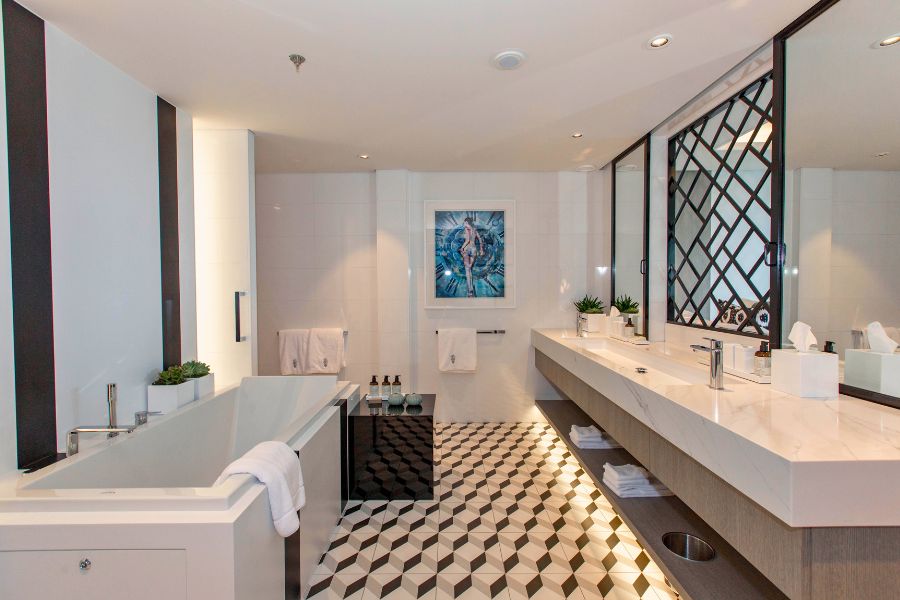
Rest stops may not be the most exciting part of an excursion description, but they can have a considerable impact on comfort during a full day ashore.
Before booking a longer excursion, consider how frequently the itinerary passes places with reliable restroom facilities and opportunities to sit down.
This becomes particularly important on routes involving long transfers or several outdoor attractions.
A Comfortable Break Does Not Have to Waste Sightseeing Time
Well-planned breaks can fit naturally into the day. A coffee stop, local lunch, market visit or scenic viewpoint can provide time to sit down without making the excursion feel interrupted.
For private tours, it may also be possible to add a short stop when needed rather than waiting until a fixed point in the itinerary.
Restroom planning is particularly worth discussing in advance if you know that frequent access is important to you.
7. Consider the Group Size

Group size can affect much more than the social atmosphere of a tour.
A large group may take longer to leave the vehicle, enter attractions and gather again after each stop. The guide also has to maintain a pace suitable for the group as a whole.
For travelers who prefer greater flexibility, a small-group or private shore excursion can make the day easier to manage.
Private and Small-Group Tours Offer Different Advantages
A small-group tour can provide good value while keeping the experience more personal than a large coach excursion. You still follow a set itinerary, but moving between attractions can be easier with fewer passengers.
A private excursion provides greater control over the pace. If your group wants to spend longer somewhere, shorten another stop or take an additional break, there is usually more flexibility to do so.
Neither format is automatically better for every senior traveler. Active passengers who enjoy meeting other cruisers may be perfectly comfortable in a shared tour. Others may value the flexibility of traveling only with family or friends.
You can compare available small-group shore excursions by cruise ship when deciding which style suits your sailing.
8. Check the Vehicle, Not Just the Itinerary
When you spend several hours touring, the vehicle becomes an important part of the experience.
Air conditioning is particularly valuable in warm destinations, but comfort involves more than temperature. Think about seat space, ease of getting in and out and how frequently you will be boarding during the day.
A vehicle that works perfectly well for one traveler may be uncomfortable for someone who has difficulty with high steps or restricted legroom.
Getting In and Out Matters on Multi-Stop Tours
A sightseeing day with many short visits can involve repeated boarding and disembarking. If this is something you find tiring, an itinerary with fewer stops and longer visits may be more suitable.
If you use a walking aid or have specific access requirements, tell the tour operator before booking so that the vehicle and itinerary can be considered together.
The best senior-friendly shore excursions take the whole day into account, not only the attractions listed on the itinerary.
9. Consider Heat, Humidity and the Season
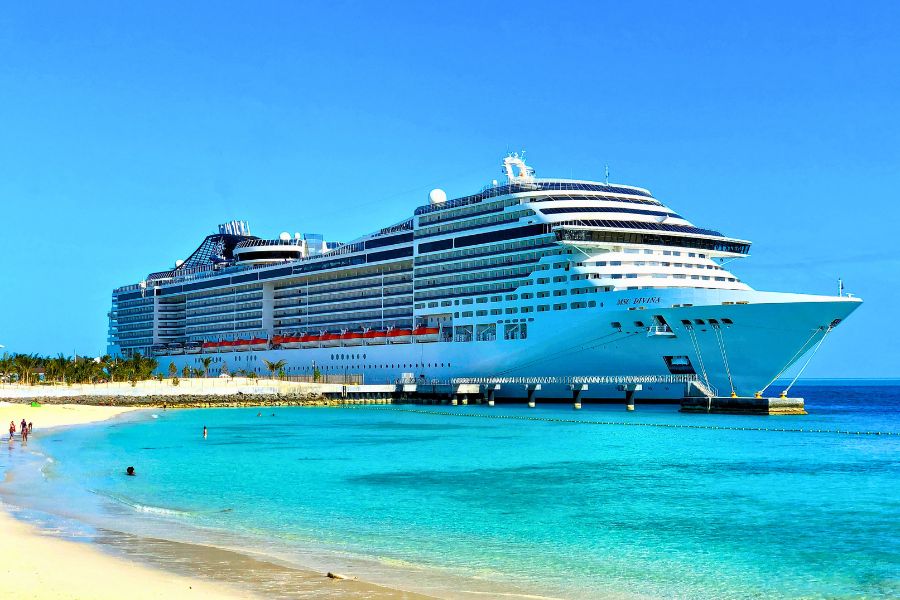
The same excursion can feel very different depending on the weather.
A moderate walking tour on a cool morning may be comfortable, while the same route in strong heat and humidity can feel considerably more demanding.
This matters throughout Asia, where conditions can vary significantly between seasons and destinations.
Walking Level Is Not Fixed Throughout the Year
If you are traveling during a warmer period, consider how much of the excursion takes place outdoors and if shade or indoor breaks are available.
Lightweight clothing, comfortable footwear, sun protection and regular water breaks can make a substantial difference.
The itinerary itself may also benefit from adjustment. Outdoor attractions can sometimes be visited earlier in the day, leaving museums, restaurants or other indoor experiences for warmer hours.
Our destination pages, including Vietnam shore excursions, can help you compare port-day options before deciding which type of sightseeing suits your travel period and preferred pace.
10. Ask How Flexible the Itinerary Can Be

This may be the most important question for travelers who want a genuinely senior-friendly experience.
You may feel perfectly comfortable when the excursion begins but become tired later in the afternoon. You might discover that one attraction involves more steps than expected or decide that you would rather spend longer at a place you particularly enjoy.
A rigid itinerary leaves little room for those decisions.
Know What Can Be Adjusted Before You Book
Ask if a stop can be shortened or removed, if extra rest time can be added and if the walking route can be changed when necessary.
Private excursions naturally provide the greatest flexibility, but even a structured tour should give you a clear idea of what is and is not adjustable.
If a standard itinerary does not match your preferred walking level or sightseeing pace, you can design a private shore excursion around your ship schedule, interests and comfort preferences.
What Does Senior-Friendly Really Mean for a Shore Excursion?
The term “senior-friendly” should not be treated as another way of saying inactive or limited.
There is no single excursion style that suits everyone over a certain age. Some travelers in their seventies are comfortable walking for several hours, while younger passengers may need a gentler itinerary because of knee, hip or back concerns.
A better definition of senior-friendly is an excursion that provides clear information and enough flexibility for you to decide if the day is right for you.
That means understanding the walking level, terrain, transportation, group size, climate, rest opportunities and sightseeing pace before you book.
Comfort and Experience Can Work Together
You should not have to choose between seeing the best of a destination and having a comfortable day.
Often, the solution is simply better planning. A logical route reduces unnecessary walking. A smaller group makes moving between stops easier. Comfortable transportation reduces fatigue. Spending longer at fewer places can create a richer experience than rushing through a long checklist.
Senior-friendly planning is therefore less about removing experiences and more about choosing the right way to experience them.
Should Senior Cruise Travelers Choose Private or Shared Shore Excursions?
Both can work well.
A shared shore excursion may be ideal if you are comfortable with the advertised walking level and prefer a more affordable tour with other cruise passengers.
A private excursion becomes more attractive when you want greater control over walking, rest time and how long you spend at each attraction. It can also be useful for couples, families or groups of friends who already know they prefer to travel together.
Rather than deciding that one type is always better, compare the demands of each individual port.
You may choose a shared tour in a compact destination and a private excursion in another port where the main attractions are farther away or the sightseeing day is more demanding.
Questions to Ask Before Booking a Senior-Friendly Shore Excursion
Before confirming a tour, make sure you can answer a few practical questions.
How much walking is involved? Are there stairs or steep areas? How close can the vehicle get to each attraction? How long are the transfers? Are restroom stops available? How large is the group? Can the pace be adjusted? What happens if you decide to skip one of the stops?
You do not need a tour with the least walking or the shortest duration. You need enough information to know that the excursion matches the way you prefer to travel.
Choose the Shore Excursion That Fits You
The best shore excursion for a senior cruise traveler is not necessarily the easiest tour available.
It is the tour that offers the right balance of sightseeing, comfort and pace for you.
Check the walking level carefully. Look beyond the number of hours and attractions. Consider terrain, transportation, rest time and weather. Think about how much flexibility you would like during the day.
With those details clear before you book, you can spend less time worrying about keeping up and more time enjoying the places your cruise has brought you to.
That is what a genuinely senior-friendly shore excursion should make possible.


 Send Inquiry