
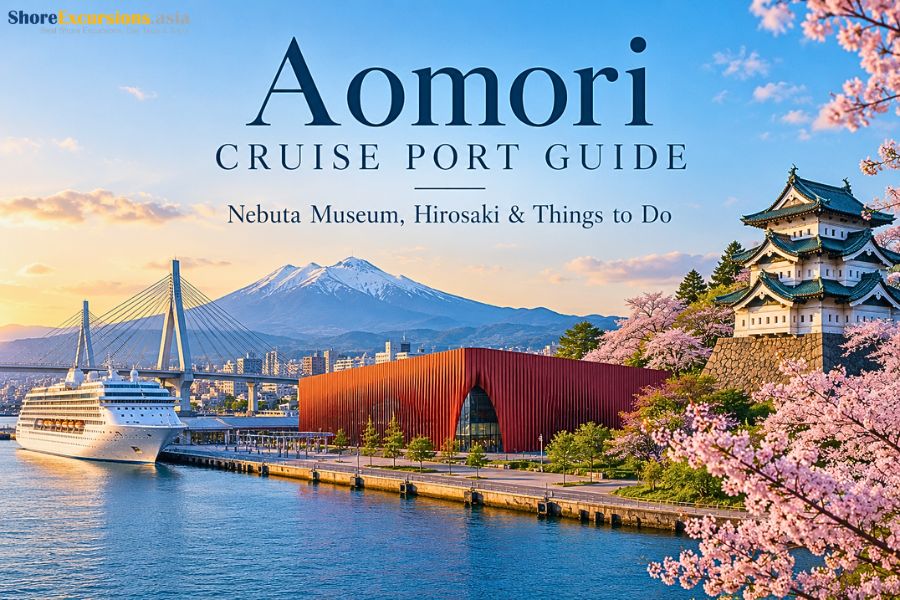
Aomori is one of northern Japan’s most convenient cruise ports for passengers who want to start exploring soon after leaving the ship. The waterfront places you close to the colorful Nebuta Museum WA RASSE, local apple products at A-FACTORY, seafood markets and central Aomori, while a longer port call opens the possibility of Hirosaki Castle, ancient Jomon history, mountain scenery or even the forests and lakes around Oirase and Towada.
That variety creates one important decision: should you stay around Aomori City or spend part of your limited port day traveling farther into the prefecture? A short call can be surprisingly rewarding close to the ship, while destinations such as Hirosaki or Lake Towada need to be treated as proper excursions rather than quick additions.
This Aomori Cruise Port Guide explains where cruise ships dock, what you can reach from the waterfront, the best things to do and which routes make sense for different port schedules. If you prefer transportation and sightseeing arranged around your ship time, Shore Excursions Asia offers private and selected small-group experiences designed for cruise passengers. Browse our Aomori shore excursions or explore more Japan shore excursions.
Where Do Cruise Ships Dock in Aomori?
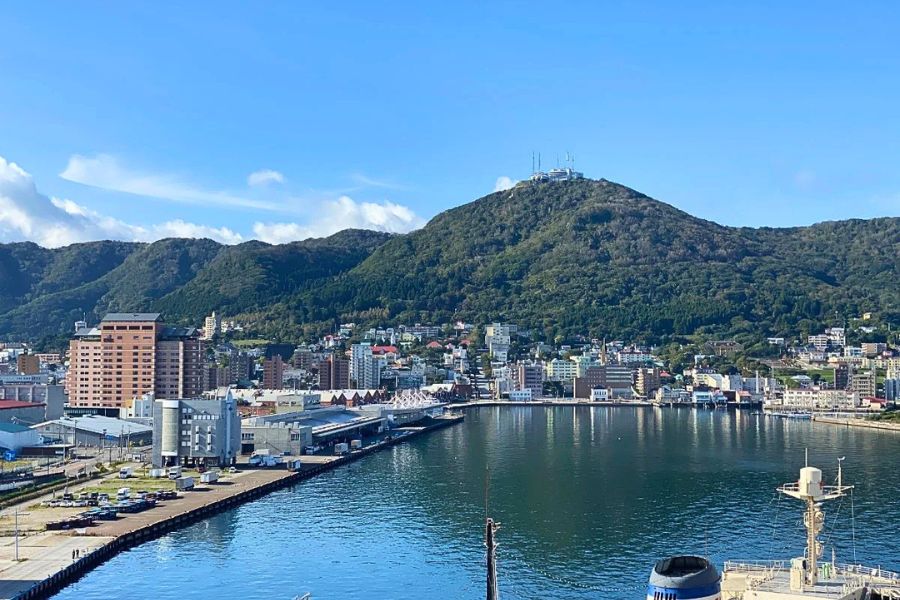
International cruise ships visiting Aomori commonly use the Shin-Chuo Wharf, where the Aomori International Cruise Terminal opened in 2019. The terminal handles customs, immigration and quarantine procedures for international cruise passengers.
Some vessels may use other port facilities such as Okidate Wharf, so passengers should always check the berth listed by their cruise line rather than assuming every ship docks at exactly the same location.
One of Aomori Port’s biggest advantages is its relationship with the city center. From Shin-Chuo Wharf, central waterfront attractions, JR Aomori Station, markets and cultural facilities are all relatively close compared with many other Japanese cruise destinations.
Aomori Cruise Port at a Glance
- Main cruise berth: Shin-Chuo Wharf
- Other possible berth: Okidate Wharf
- Main terminal: Aomori International Cruise Terminal
- Closest transport hub: JR Aomori Station
- Nearby highlights: Nebuta Museum WA RASSE, A-FACTORY, ASPAM and Furukawa Fish Market
- Major excursion destination: Hirosaki
- Long full-day options: Hakkoda, Oirase Stream and Lake Towada
- Good for independent sightseeing: Yes, particularly for central Aomori
Always reconfirm your actual berth and all-aboard time before arranging a private meeting point or independent return transport.
Can You Walk from Aomori Cruise Port to the City?
Yes. Aomori is one of the more walkable Japanese cruise ports when your ship uses Shin-Chuo Wharf.
JR Aomori Station is within walking distance, and many of the city’s easiest cruise-day attractions are concentrated around the waterfront and station area.
This means passengers with only a few hours ashore do not necessarily need to book a long excursion to have a worthwhile visit.
A compact walking day can include:
- Nebuta Museum WA RASSE
- A-FACTORY
- Aomori Bay waterfront
- ASPAM
- Furukawa Fish Market
- central shopping streets around Aomori Station
For attractions such as Sannai-Maruyama, Hirosaki, Hakkoda or Lake Towada, additional transportation is required.
Best Things to Do Near Aomori Cruise Port
Experience the Nebuta Festival at WA RASSE
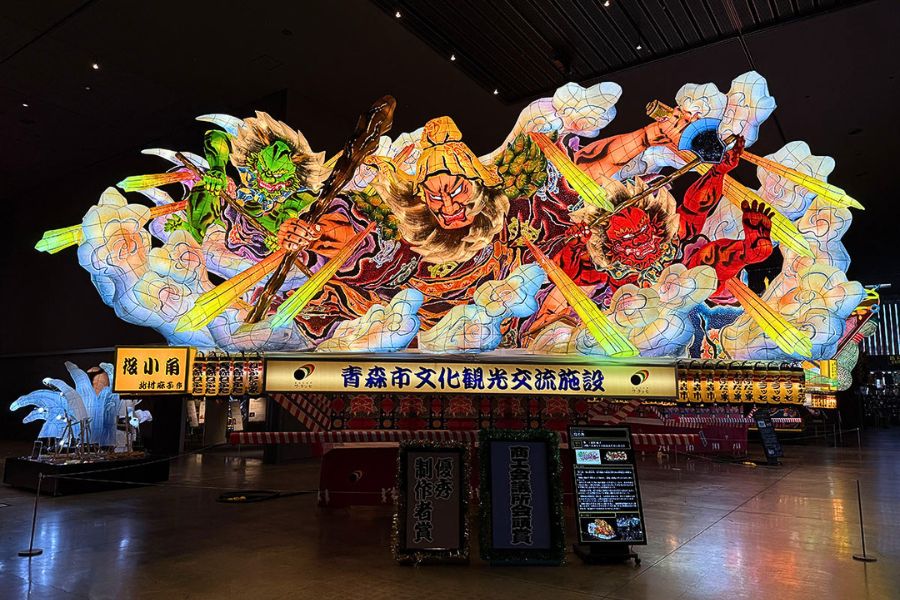
Nebuta Museum WA RASSE is one of the best first stops for cruise passengers because it introduces the cultural tradition most strongly associated with Aomori City.
Every August, enormous illuminated Nebuta floats depicting warriors, gods and dramatic scenes move through the streets during the Aomori Nebuta Festival. At WA RASSE, visitors can experience that atmosphere throughout the year.
The main Nebuta Hall displays large floats that were actually used in the festival. Exhibits also explain how the floats are created, how the festival developed and how music and dance form part of the celebration.
The museum is particularly useful for cruise passengers who do not visit during the festival season. Instead of simply reading about Nebuta, you can see the scale, color and craftsmanship of the floats at close range.
WA RASSE is also close to JR Aomori Station and the waterfront, so it works well during even a relatively short port call.
Our Aomori Heritage and Culture Experience combines WA RASSE with additional cultural and historical attractions in a route designed around cruise schedules.
Explore A-FACTORY and Aomori Apple Culture
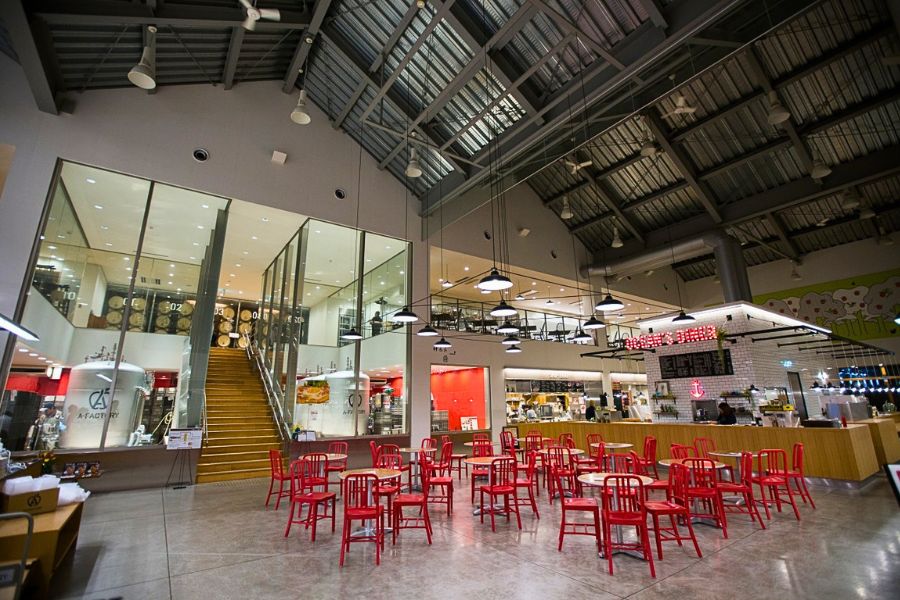
Aomori is Japan’s leading apple-producing region, and A-FACTORY provides an easy introduction to that local identity without leaving the waterfront.
The market-style complex sells regional sweets, juices, fresh produce and other Aomori products. It also includes facilities associated with cider made from locally grown apples.
This is not an attraction that needs an hour-long sightseeing slot. For most cruise passengers, it works best as a flexible stop after WA RASSE or before returning toward the ship.
You can browse local products, try an apple-based dessert or pick up regional souvenirs without adding another vehicle transfer to the day.
See Aomori Bay from ASPAM
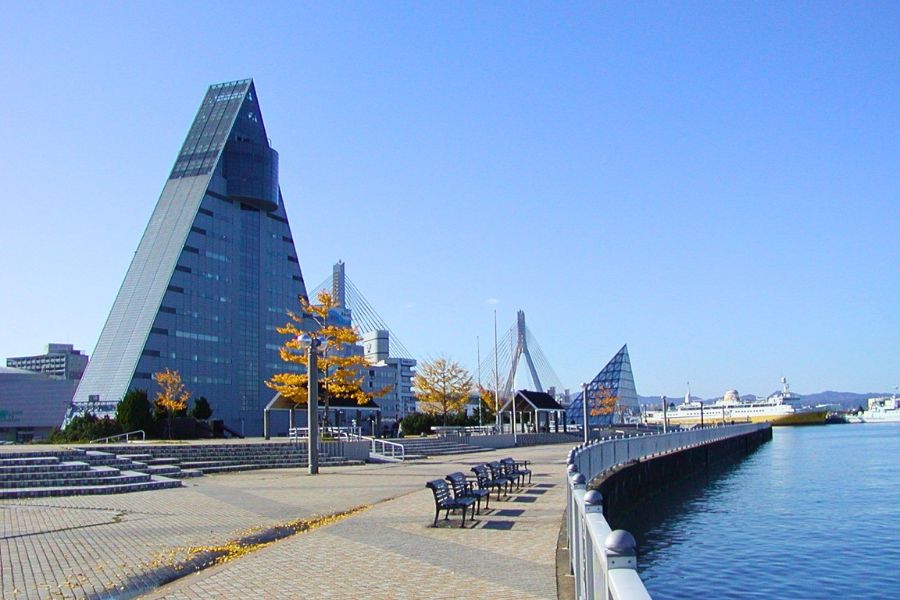
The Aomori Prefecture Tourist Center ASPAM is one of the city waterfront’s most recognizable buildings, with its triangular shape designed around the letter “A.”
Inside are shops selling Aomori products and regional foods, while the upper observation area provides views across downtown Aomori, the port and surrounding mountains.
ASPAM is especially useful as the final stop of a city-focused cruise day because passengers can combine views, shopping and local products in one location close to the waterfront.
It is also included in several of our Aomori cruise tours as a flexible sightseeing or shopping stop before returning to port.
Build Your Own Seafood Bowl at Furukawa Fish Market
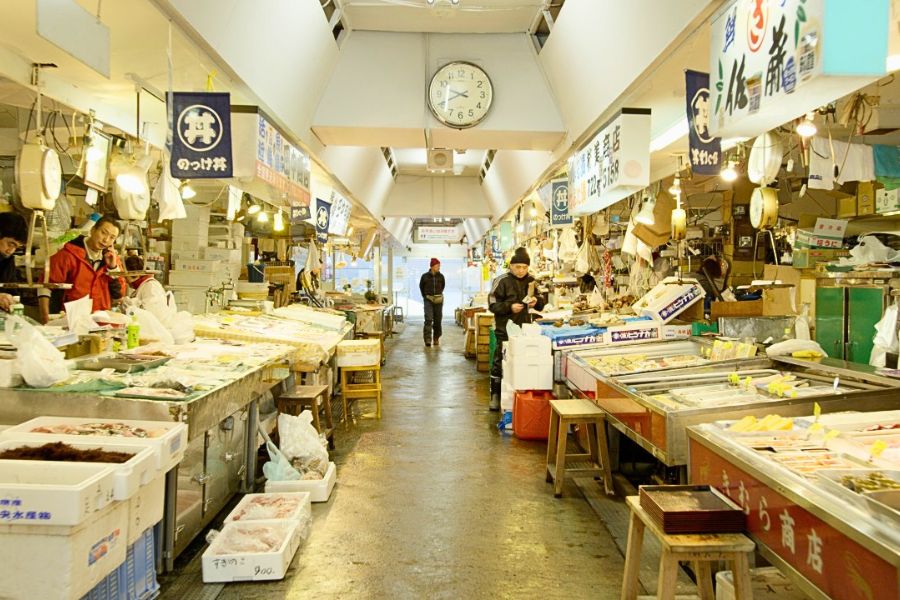
Furukawa Fish Market, also known as the Aomori Gyosai Center, is famous for Nokke-don.
Instead of ordering a fixed seafood bowl, visitors purchase tickets and exchange them at participating stalls for individual toppings. You can select rice and then add your preferred fish, seafood and side dishes from around the market.
This makes lunch part of the experience rather than a separate restaurant stop.
The market is relatively close to Aomori Port and works especially well for independent cruise passengers spending the day in central Aomori.
Because market operating hours finish earlier than many city attractions, visit during the first part of the day if seafood is a priority.
Visit Sannai-Maruyama Archaeological Site
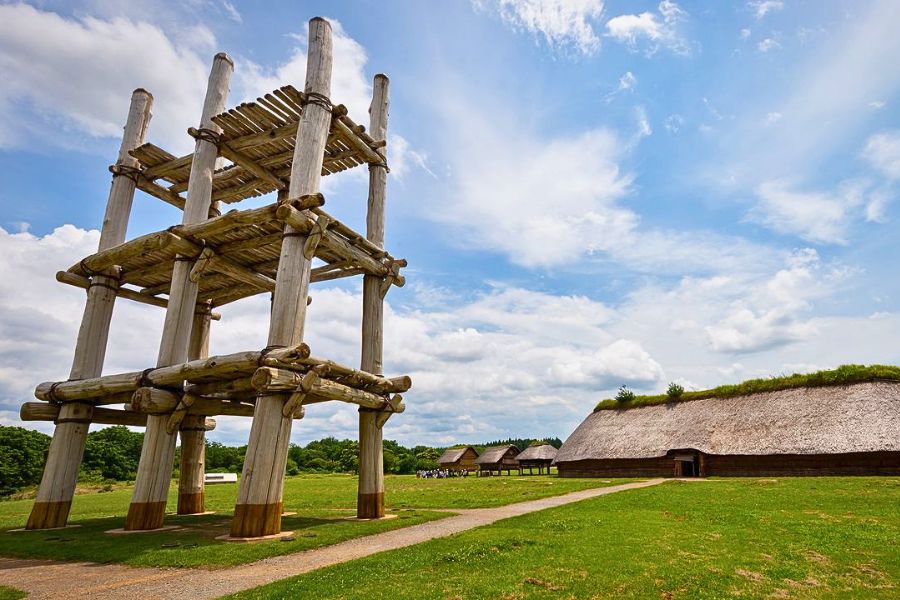
Sannai-Maruyama provides a completely different perspective on northern Japan.
The archaeological site contains the remains of a large Jomon settlement dating back thousands of years. Excavations revealed pit dwellings, raised-floor structures, storage areas and a wide range of pottery, stone tools and other artifacts.
Today, reconstructed buildings and museum exhibitions help visitors understand how Jomon communities lived long before the development of Japan’s castles, samurai towns and modern cities.
The site forms part of the UNESCO World Heritage property covering Jomon archaeological sites in Hokkaido and northern Tohoku.
Sannai-Maruyama sits outside the waterfront center, so cruise passengers should use a bus, taxi or arranged vehicle rather than trying to reach it on foot.
It combines particularly well with WA RASSE for passengers interested in both ancient and living Aomori culture.
Can You Visit Hirosaki from Aomori Cruise Port?
Yes. Hirosaki is one of the most popular longer excursions from Aomori Port.
The city lies inland from Aomori and takes roughly an hour to reach by road under normal conditions. Rail travel between Aomori and Hirosaki is also possible, but cruise passengers need to include the additional transfer between the port and station as well as local transportation after arriving in Hirosaki.
For a limited cruise day, a dedicated vehicle generally makes it easier to combine Hirosaki Castle, historic neighborhoods and additional stops without losing too much time to connections.
Hirosaki works best when treated as the main destination of the day rather than a quick side trip after several hours of sightseeing in Aomori City.
Explore Hirosaki Castle and Hirosaki Park
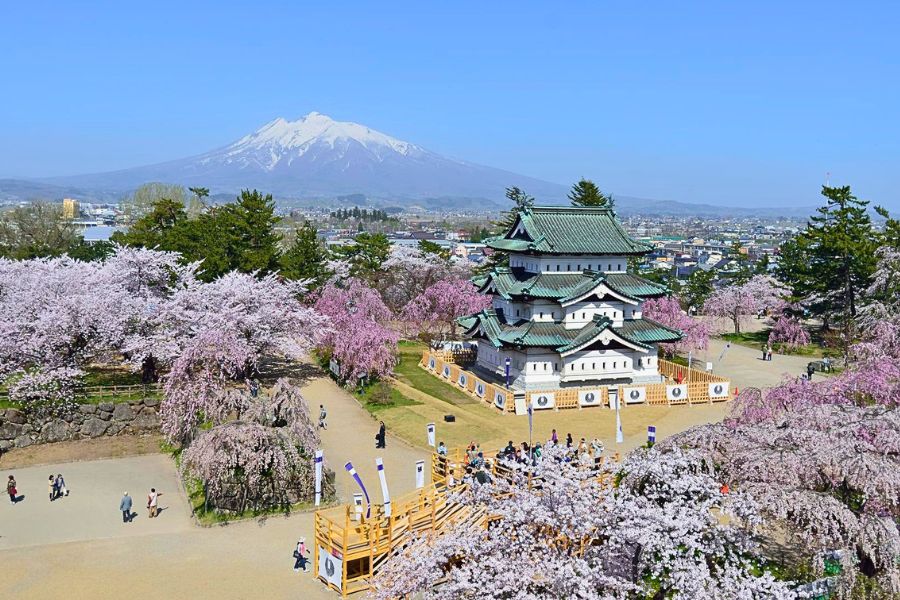
Hirosaki Castle is one of northern Japan’s most famous historic landmarks and the centerpiece of Hirosaki Park.
The former castle grounds contain moats, gates, turrets and extensive parkland associated with the Tsugaru clan, which governed the Hirosaki domain during the Edo period.
The park is particularly famous for cherry blossoms in spring, when thousands of trees transform the grounds and petals collect along the castle moats.
Autumn brings another strong seasonal experience, with maples and cherry trees changing color around the historic structures.
Important Hirosaki Castle Update for 2026
Cruise passengers visiting in 2026 should be aware that the castle keep is undergoing a major restoration phase.
The interior of the Hirosaki Castle keep has been closed to visitors since November 24, 2025 and is expected to remain closed for several years while preservation and seismic reinforcement work continues.
During 2026, the keep is also being moved back toward its original position following the completion of stone-wall repairs.
This does not mean Hirosaki Park is closed. Visitors can still explore the castle grounds, historic gates, moats and seasonal scenery, but the experience should not be described as a normal interior castle visit.
This distinction is important when planning a shore excursion specifically because you want to “enter Hirosaki Castle.”
Visit Tsugaru-han Neputa Village
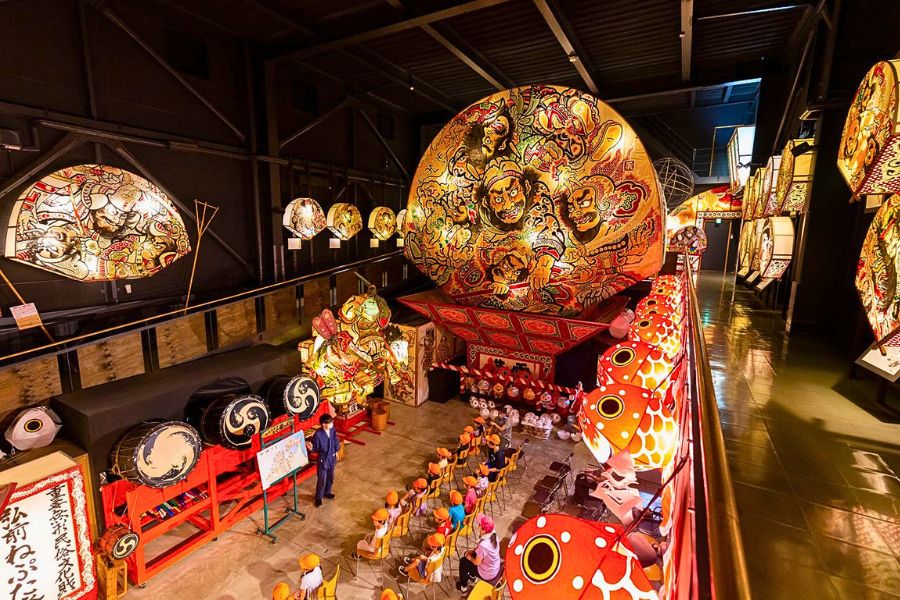
Hirosaki has its own festival tradition, known as Neputa, which differs visually from Aomori City’s Nebuta festival.
At Tsugaru-han Neputa Village, visitors can see festival floats and learn about local crafts, music and cultural traditions connected with the Tsugaru region.
Combining WA RASSE in Aomori with the Neputa experience in Hirosaki can be interesting for passengers who want to compare the two regional festival traditions rather than treating them as identical.
Our six-hour Aomori Cultural Heritage Tour combines Hirosaki Park and Castle with Tsugaru-han Neputa Village and ASPAM.
Explore Hirosaki’s Zen Temple District
Zenringai is one of Hirosaki’s quieter historical areas.
The district contains a concentration of Zen temples that were strategically arranged during the early Edo period as part of Hirosaki’s castle-town defenses.
Choshoji Temple is one of the most important sites and is closely connected with the Tsugaru clan.
For cruise passengers, this area provides a more peaceful alternative to an itinerary focused only on major tourist landmarks.
The Hirosaki & Aomori Highlights Tour combines Choshoji, Hirosaki Park, Sannai-Maruyama and WA RASSE in a seven-hour route from Aomori Port.
Aomori City or Hirosaki: Which Is Better for a Cruise Day?
Both are worthwhile, but they suit different port schedules.
Choose Aomori City if you have a shorter call, prefer minimal transportation or want a relaxed day combining Nebuta culture, seafood, apple products and the waterfront.
Choose Hirosaki if castle-town history, traditional architecture and seasonal scenery are higher priorities and you have enough time for the journey inland.
Combine Aomori and Hirosaki when you have approximately six to seven usable sightseeing hours and efficient transportation.
For many first-time cruise passengers, a strong combination is Hirosaki Park plus one or two Aomori highlights such as Sannai-Maruyama or WA RASSE rather than trying to see every attraction in both cities.
What About Mt. Hakkoda?
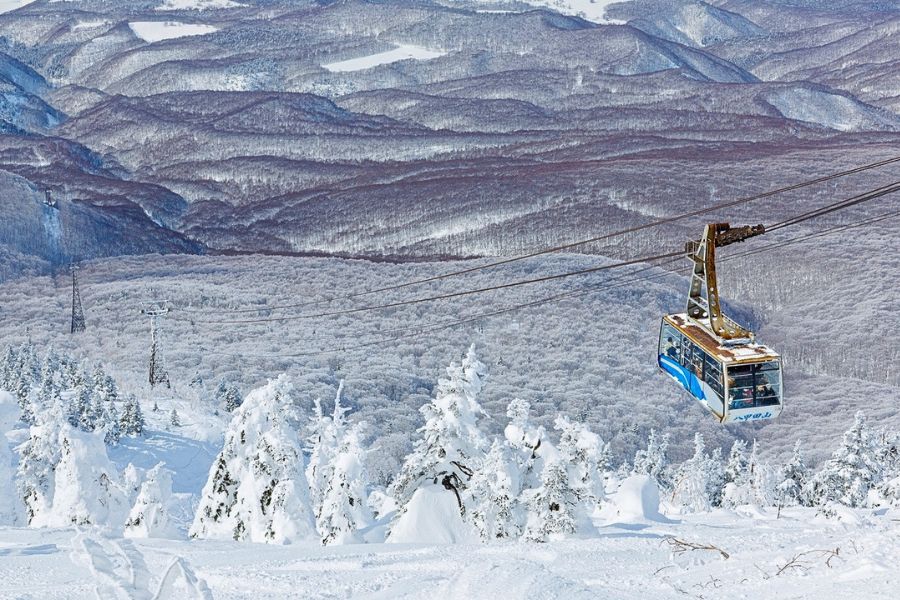
Mt. Hakkoda offers a very different cruise-day experience from Aomori City or Hirosaki.
The mountain area is known for alpine scenery, seasonal foliage and the Hakkoda Ropeway. In autumn, the surrounding mountains become one of Aomori Prefecture’s major foliage destinations.
A Hakkoda excursion is particularly appealing to passengers whose priority is nature rather than markets, castles or museums.
Weather matters more here than during a city itinerary. Visibility, wind and seasonal road conditions can affect mountain sightseeing, so a flexible alternative is useful.
Hakkoda also combines well with cultural stops such as Seiryuji Temple and Showa Daibutsu for a day balancing scenery and local culture.
Can You Visit Oirase Stream and Lake Towada from Aomori Port?
Yes, but this is a true full-day excursion.
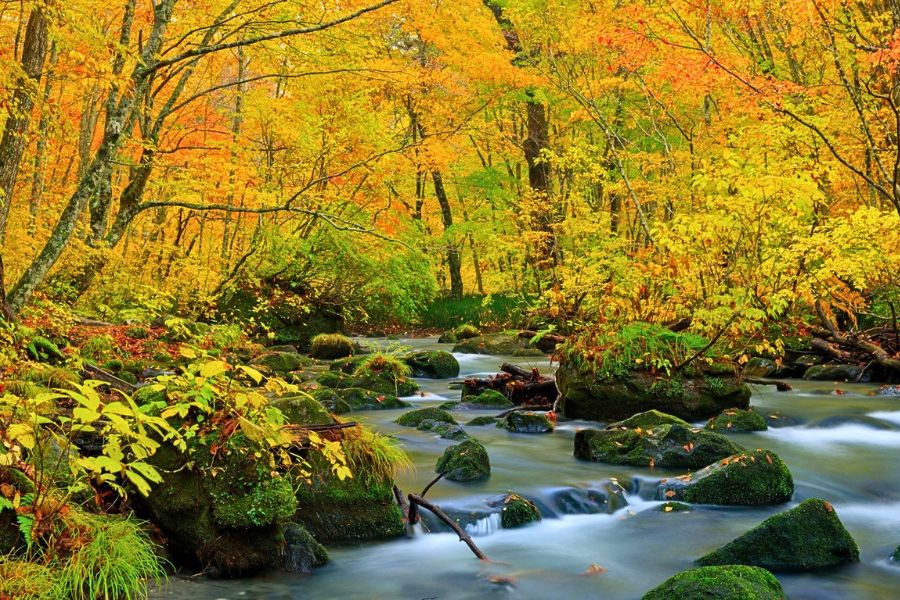
Oirase Stream and Lake Towada lie far enough from Aomori City that passengers should not treat them as something to add casually after a morning around the waterfront.
The area is known for forest scenery, waterfalls, clear streams and seasonal color. It is particularly famous during the autumn foliage season.
Because of the distance involved, an excursion here makes sense when:
- your ship has a long port call;
- nature is your main sightseeing priority;
- you have dedicated round-trip transportation;
- the route and return margin are planned around your all-aboard time.
Our Oirase Mountain Stream & Lake Towada Cruise is structured as an eight-hour excursion from Aomori Port, reflecting the amount of time this route realistically requires.
How to Spend One Day from Aomori Cruise Port
Option 1 Easy Aomori Waterfront Day
Aomori Port → WA RASSE → A-FACTORY → Furukawa Fish Market → ASPAM → Port
This is the best route for a short call or passengers who prefer to explore independently.
Very little time is lost to transfers, and the itinerary combines Nebuta culture, seafood, apple products, waterfront views and shopping.
It is also easy to shorten if disembarkation takes longer than expected.
Option 2 Aomori Culture and Jomon History
Port → Sannai-Maruyama → WA RASSE → ASPAM → Aomori Waterfront → Port
This route covers two very different periods of Aomori history.
Sannai-Maruyama introduces prehistoric Jomon life, while WA RASSE brings you into one of the region’s most vibrant living traditions.
It is particularly strong for passengers who prefer culture over long scenic drives.
The Aomori Heritage and Culture Experience uses a similar combination with additional cultural stops and cruise-port transport.
Option 3 Hirosaki and Aomori Highlights
Port → Hirosaki Park → Choshoji or Neputa Village → Sannai-Maruyama → WA RASSE → Port
This is my preferred route for first-time passengers with a longer call.
It gives you castle-town history in Hirosaki while still preserving enough time to experience Aomori’s own cultural identity before returning to the ship.
The route requires disciplined timing. Do not add multiple extra shopping or food stops simply because they appear nearby.
Option 4 Hakkoda Mountain and Cultural Aomori
Port → Mt. Hakkoda → Seiryuji Temple / Showa Daibutsu → Central Aomori → Port
This route suits passengers who want mountain scenery but do not have enough time for the much longer Oirase and Lake Towada excursion.
Weather conditions should guide the final route, particularly during shoulder seasons.
Option 5 Oirase Stream and Lake Towada
Aomori Port → Hakkoda Area → Oirase Stream → Lake Towada → Aomori Port
This should be treated as a dedicated full-day nature excursion.
Do not expect to combine a proper Oirase and Lake Towada experience with extensive Hirosaki or Aomori City sightseeing during a normal cruise call.
The long driving distances make route discipline and return-to-ship planning essential.
Getting Around from Aomori Cruise Port
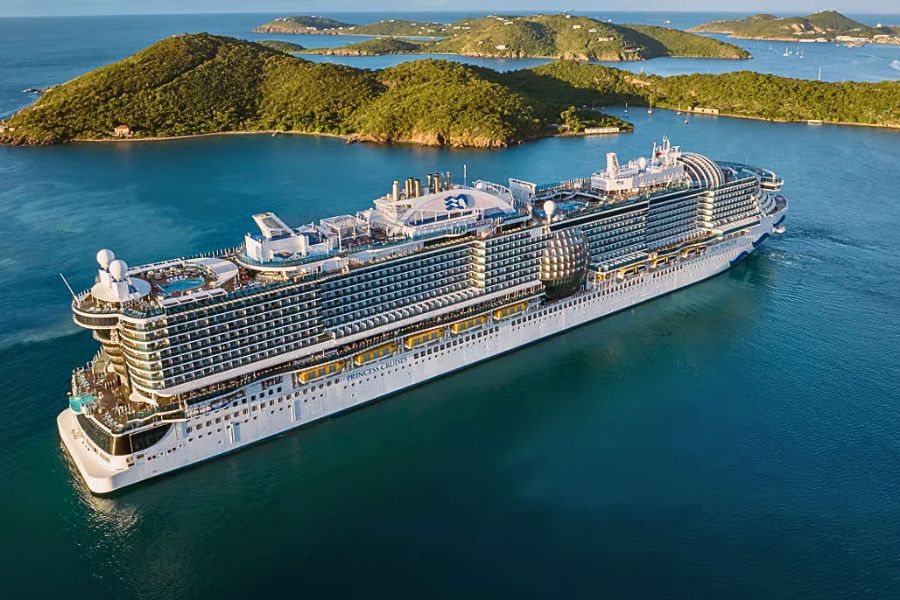
Walking
Walking is practical for the central waterfront cluster around WA RASSE, A-FACTORY, Aomori Station and ASPAM.
Furukawa Fish Market can also be reached on foot from the port area for passengers comfortable with a longer city walk.
This makes Aomori a particularly good destination for travelers who prefer not to organize transport for every port call.
Taxi
A taxi is useful when moving beyond the immediate waterfront or when the ship uses a berth farther from central attractions.
It is also practical for Sannai-Maruyama or for reducing walking between the port and station area.
If returning independently, keep your exact berth or cruise terminal details available rather than simply asking the driver for “Aomori Port.”
Train to Hirosaki
JR trains connect Aomori and Hirosaki in approximately 45 minutes, making independent travel possible.
However, cruise passengers must also include the walk or transfer from the port to Aomori Station and onward transport between Hirosaki Station and the castle area.
If your ship has a generous schedule and you are comfortable using Japanese rail services, this can work well.
For a tightly timed call or a multi-stop route, private transportation gives more control over the day.
Local and Sightseeing Buses
Buses connect Aomori Station with attractions such as Sannai-Maruyama and other parts of the city.
They can be practical for one or two destinations, but passengers should check the current timetable carefully before relying on public transport for the final return to their ship.
Private Vehicle and Guide
A private vehicle becomes particularly useful once the itinerary extends beyond Aomori City.
Hirosaki is roughly an hour away by road, while Hakkoda, Oirase and Lake Towada require progressively more travel.
Keeping the same vehicle also makes it easier to adapt the route if traffic, weather or attraction conditions change.
Can You Explore Aomori Independently?
Yes. Aomori City itself is particularly suitable for independent cruise passengers.
A walkable route around WA RASSE, A-FACTORY, the waterfront and local food markets requires relatively little planning.
Independent travel remains possible to Hirosaki by train, but the day becomes more sensitive to schedules and local connections.
A shore excursion becomes more useful when:
- you want to combine Aomori and Hirosaki in one day;
- your ship has a limited port window;
- you plan to visit Hakkoda, Oirase or Lake Towada;
- you prefer a vehicle waiting between attractions;
- you are traveling with older passengers or prefer less walking;
- you want local interpretation of Jomon, Nebuta or Tsugaru culture;
- you want the return route planned around your ship schedule.
You can compare city, Hirosaki and nature-focused options on our Aomori shore excursions page.
Walking and Mobility Considerations in Aomori
Aomori City can be very comfortable for senior cruise passengers.
The waterfront around WA RASSE, A-FACTORY and Aomori Station is relatively compact and generally easier to manage than a hillside port city.
WA RASSE and Sannai-Maruyama also provide barrier-free facilities, although the archaeological site covers a much larger area and may involve more sustained walking.
Hirosaki Park is extensive. Passengers who prefer an easier pace do not need to walk every section of the former castle grounds.
Long-distance nature excursions require a different type of consideration. Oirase Stream and mountain destinations may involve uneven paths, weather exposure and repeated boarding and exiting vehicles.
For senior travelers, select attractions according to actual walking conditions rather than assuming that a bus or vehicle-based excursion automatically means very little walking.
What to Eat During an Aomori Port Day
Nokke-don Seafood Bowl
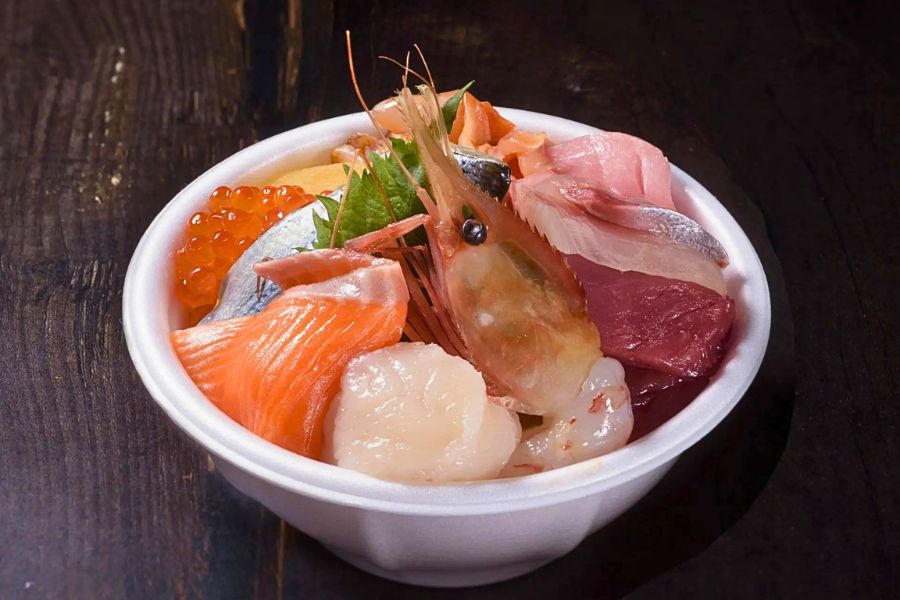
Nokke-don at Furukawa Fish Market is one of the easiest local food experiences to fit into a cruise day.
You choose individual seafood toppings and build your own rice bowl, allowing the meal to reflect exactly what you want to try.
Aomori Apples

Apples are central to the identity of Aomori Prefecture.
Depending on the season, visitors will find fresh fruit alongside juice, pastries, jams, sweets and cider products.
A-FACTORY and ASPAM are convenient places to try or buy apple products without leaving central Aomori.
Scallops and Local Seafood
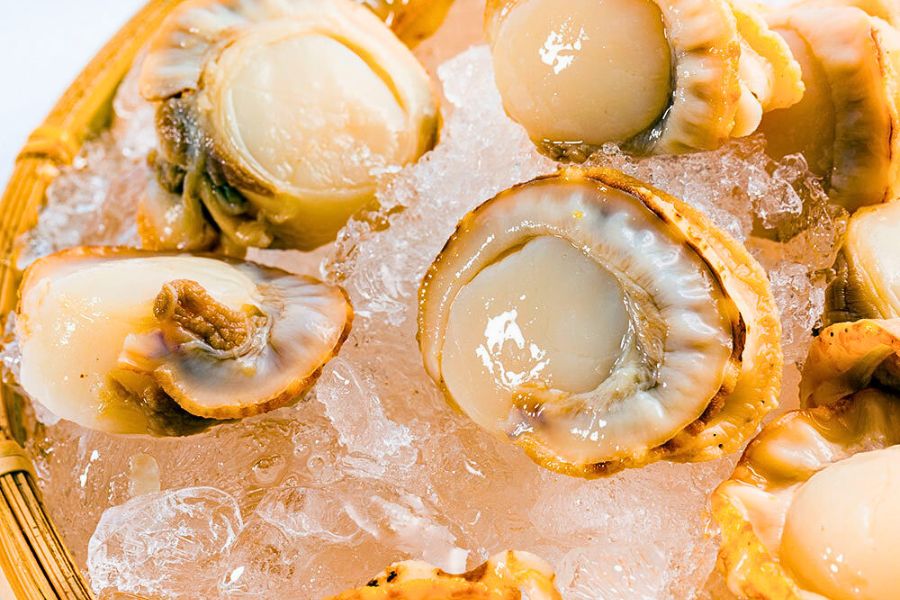
Mutsu Bay and the surrounding waters provide Aomori with a strong seafood culture.
Scallops are particularly associated with the region and appear in sushi, grilled dishes and seafood bowls.
Senbei-jiru
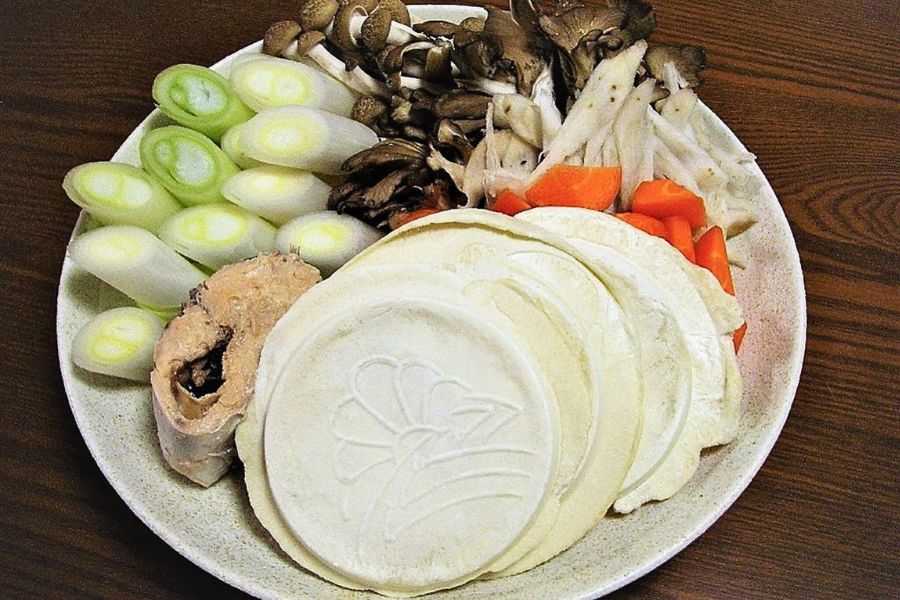
Senbei-jiru is a regional soup made using special wheat crackers cooked in broth with vegetables and other ingredients.
It originates more strongly from southeastern Aomori Prefecture, but it is one example of the broader local food traditions travelers may encounter during a regional excursion.
How Much Time Do You Need in Aomori?
Aomori works particularly well because worthwhile sightseeing begins close to the cruise port, while longer calls can be expanded into full regional excursions.
- Around 3–4 usable hours: focus on WA RASSE, A-FACTORY, the market and waterfront.
- Around 4–5 usable hours: add Sannai-Maruyama or another city cultural attraction.
- Around 5–6 usable hours: a focused Hirosaki excursion or a broader Aomori cultural route becomes practical.
- Around 6–7 usable hours: combine Hirosaki with selected Aomori highlights using efficient transportation.
- Around 8 usable hours: long nature routes such as Oirase and Lake Towada become more realistic.
These are planning examples rather than guarantees. Traffic, seasonal conditions, attraction access and your exact cruise schedule can change what fits comfortably.
Which Aomori Itinerary Is Best for Senior Cruise Passengers?
For passengers who prefer a relaxed pace, I would consider:
WA RASSE → Sannai-Maruyama → ASPAM → waterfront
or, on a longer call:
Hirosaki Park → Tsugaru-han Neputa Village → ASPAM.
Both routes combine cultural depth with vehicle transfers and can be adjusted without turning the day into a long hiking excursion.
Our Aomori Cultural Heritage Tour is currently designed as an easy-to-moderate six-hour experience with port pickup and return.
Important 2026 Note for Hirosaki Castle Visitors
If Hirosaki Castle is one of the reasons you are choosing an Aomori shore excursion, set the right expectation before your port day.
As of September 2026, the interior of the castle keep is closed to visitors for a multi-year preservation and seismic reinforcement project.
The keep is also undergoing the process of being moved back to its original position following major repairs to the stone walls.
Hirosaki Park, historic gates, moats, surrounding scenery and other parts of the castle grounds remain important attractions, so Hirosaki is still worth visiting. The experience simply differs from a normal castle visit in which passengers enter the keep.
How Early Should You Return to Aomori Cruise Port?
Always follow the all-aboard time provided by your cruise line and plan to return to the correct Aomori berth comfortably before the deadline.
A central Aomori itinerary is very flexible because you remain relatively close to the ship. Shopping or waterfront time can be shortened easily if the schedule changes.
A Hirosaki excursion needs a larger road or rail margin because you still have to travel back to Aomori.
Oirase and Lake Towada require the greatest caution because of the much longer return journey.
If the day begins running behind schedule, remove an optional final stop rather than reducing your return-to-ship buffer.
Is Aomori Worth Visiting on a Cruise?
Absolutely. Aomori offers an unusually wide range of port-day experiences without requiring every visitor to take a long excursion.
A short call can focus on Nebuta culture, seafood and apple products within central Aomori. A longer day can add prehistoric Jomon history or Hirosaki’s castle-town heritage, while a full-day call provides access to some of northern Japan’s most impressive mountain, stream and lake scenery.
For first-time visitors with around six hours ashore, I would choose between two directions: a relaxed Aomori culture day or Hirosaki combined with one or two Aomori highlights.
Trying to combine Hirosaki, Hakkoda, Lake Towada and central Aomori in the same standard port call would sacrifice too much time to road travel.
To compare the available options, browse our Aomori shore excursions for cruise passengers. If you want an itinerary based on your exact ship schedule, walking preference and interests, you can also create your own private shore excursion.
Frequently Asked Questions About Aomori Cruise Port
Where do cruise ships dock in Aomori?
Many international cruise ships use Shin-Chuo Wharf and the Aomori International Cruise Terminal. Okidate Wharf may also be used, so passengers should check their exact berth information before arrival.
Is Aomori cruise port close to the city center?
Yes. From the main Shin-Chuo cruise area, JR Aomori Station and several waterfront attractions are within walking distance. This makes Aomori one of the more convenient Japanese ports for independent city sightseeing.
Can you walk from Aomori cruise port to attractions?
Yes. Nebuta Museum WA RASSE, A-FACTORY, the waterfront, ASPAM and central market areas can all form part of a walking-focused port day. Attractions such as Sannai-Maruyama and Hirosaki require additional transport.
What are the best things to do near Aomori cruise port?
For a short call, prioritize Nebuta Museum WA RASSE, A-FACTORY, ASPAM and Furukawa Fish Market. With more time, add Sannai-Maruyama or travel to Hirosaki.
Can I visit Hirosaki Castle from Aomori cruise port?
Yes. Hirosaki is approximately one hour from Aomori City by road, while rail travel between Aomori and Hirosaki takes about 45 minutes before local transfers. A five- to seven-hour port day can make a focused Hirosaki excursion realistic.
Is Hirosaki Castle open in 2026?
Hirosaki Park and the castle grounds remain visitable, but the interior of the castle keep is closed as of September 2026 for relocation, preservation and seismic reinforcement work. The closure is expected to continue for several years.
Can I visit both Aomori and Hirosaki in one cruise day?
Yes. With around six to seven usable sightseeing hours and efficient transport, passengers can combine Hirosaki Park with selected Aomori attractions such as WA RASSE, Sannai-Maruyama or ASPAM.
Can I visit Oirase Stream and Lake Towada from Aomori cruise port?
Yes, but this requires a long port call. Oirase and Lake Towada should be treated as a dedicated full-day excursion rather than combined with extensive Hirosaki or Aomori City sightseeing.
Is Aomori good for independent cruise passengers?
Yes. Central Aomori is particularly easy to explore independently because several attractions are clustered around the waterfront and Aomori Station. Longer regional trips require more transport planning.
Is Aomori suitable for senior cruise passengers?
Yes. The central waterfront can be explored at a relaxed pace, and private vehicle transfers can make attractions such as Sannai-Maruyama and Hirosaki easier to visit. Nature excursions may involve more uneven walking and longer road transfers.
How many hours do you need in Aomori?
Three to four usable hours are enough for a strong central Aomori visit. Five to six hours allows a broader cultural route or focused Hirosaki excursion, while six to seven hours makes a combined Aomori and Hirosaki day more comfortable. Lake Towada and Oirase are better suited to an approximately eight-hour excursion.
Cruise berths, attraction access, seasonal road conditions and operating hours can change. Hirosaki Castle is currently undergoing major restoration work. Always reconfirm your ship’s Aomori berth, current attraction conditions and all-aboard time before finalizing your port-day plans.


 Contact Us via Messenger
 Send Inquiry