
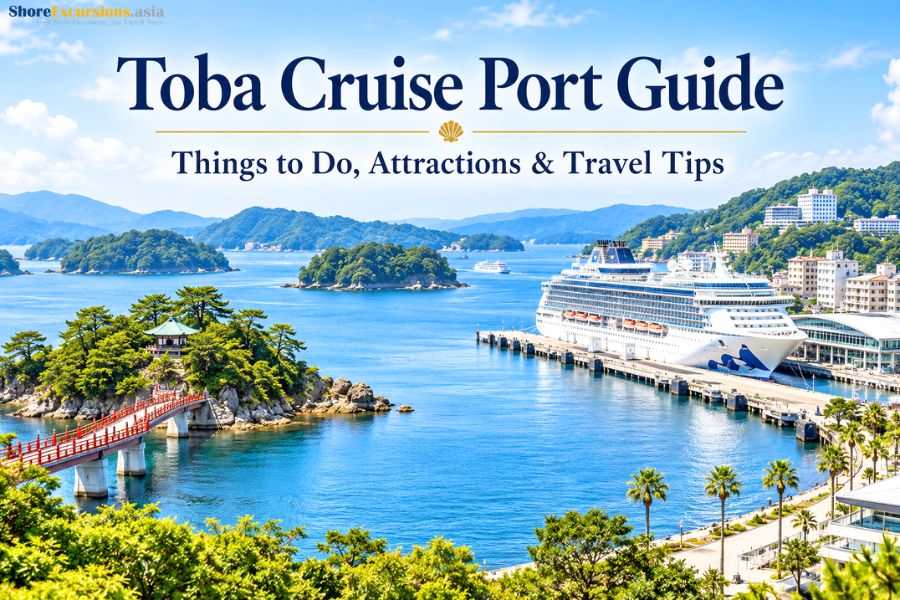
Nestled along the scenic coastline of Mie Prefecture, Toba is one of Japan's most rewarding cruise destinations for travelers seeking a blend of spiritual heritage, maritime traditions, and peaceful coastal scenery. Although smaller than Japan's major metropolitan ports, Toba offers access to extraordinary cultural landmarks, from the sacred Ise Grand Shrine to the world-famous Mikimoto Pearl Island.
For cruise passengers, the destination offers two appealing possibilities: stay close to the harbor and discover Toba's fascinating pearl-diving heritage, or venture inland to explore some of Japan's most important Shinto traditions.
This Toba Cruise Port Guide covers everything you need to plan your time ashore, including where cruise ships arrive, transportation options, the best attractions, recommended itineraries, and essential travel tips.
Travelers looking for a more personalized experience can also explore Shore Excursions Asia, which organizes private and small-group shore excursions designed around cruise ship schedules across Japan and other Asian destinations.
Where Is Toba Cruise Port Located?
Toba is a coastal city in eastern Mie Prefecture, within the beautiful Ise-Shima region of central Japan. The area is recognized for its sheltered bays, island scenery, cultured pearls, seafood traditions, and important Shinto shrines.
Unlike the busy cruise destinations of Yokohama or Kobe, Toba has a quieter atmosphere that makes it particularly appealing to visitors interested in Japanese culture beyond the major cities.
The port provides convenient access to several important attractions:
- Mikimoto Pearl Island: Famous for its pearl cultivation history.
- Toba Aquarium: One of Japan's notable marine attractions.
- Ise Grand Shrine: Among the most sacred sites in Shinto.
- Futami Okitama Shrine: Home to the remarkable Meoto Iwa rocks.
- Traditional coastal communities: Known for Japan's ama diving heritage.
Visitors can discover additional sightseeing experiences through our Toba shore excursions collection, featuring cultural highlights and excursions developed for cruise passengers.
Where Do Cruise Ships Dock in Toba?
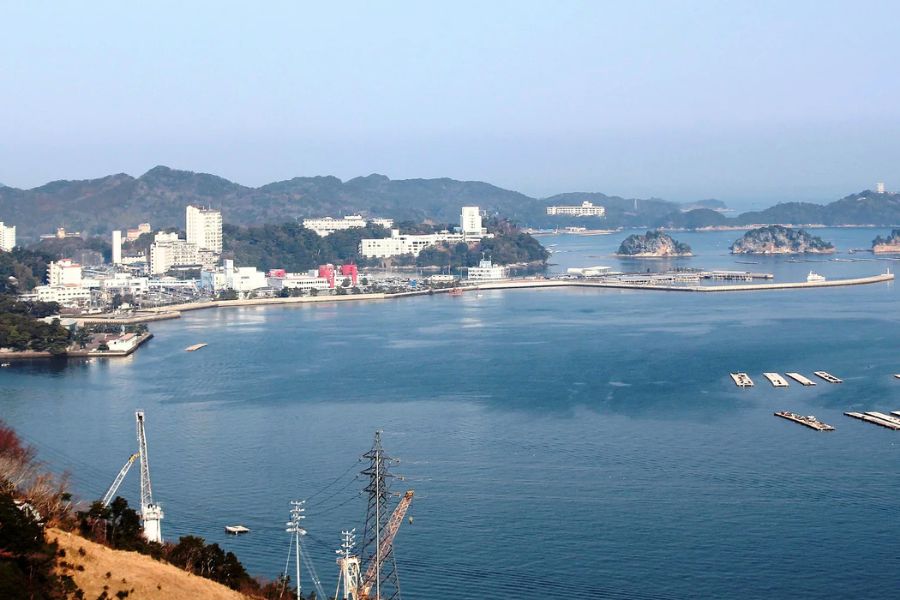
Toba generally operates as a tender cruise port, meaning larger cruise ships anchor offshore rather than dock directly at a conventional cruise berth. Passengers travel to shore aboard smaller tender boats arranged by their cruise line.
Most cruise tender services arrive at the Sadahama area near Toba Marine Terminal, although the exact landing location may vary according to the vessel and port arrangements. Some calls may use the Mikimoto Pearl Island landing instead.
What to Expect When Arriving by Tender
After your ship anchors, cruise staff coordinate passenger disembarkation according to the vessel's procedures.
Tender operations depend on weather, sea conditions, and the number of passengers waiting to go ashore. Travelers should therefore avoid planning sightseeing activities immediately after the ship's scheduled arrival.
Once ashore at Toba Marine Terminal, the town center is relatively accessible.
| Destination | Approximate Travel Time |
|---|---|
| Toba Station | 5-10 minutes walking |
| Mikimoto Pearl Island | 10-15 minutes walking |
| Toba Aquarium | 15-20 minutes walking |
| Ise Grand Shrine (Naiku) | 40-60 minutes by road or public transport, depending on connections |
| Futami Okitama Shrine | 15-25 minutes by car |
Travel times are approximate from the Sadahama landing area, excluding tender waiting times. Road traffic and transport schedules may affect actual journeys.
Important Tender Port Considerations
Toba's coastal setting means strong winds or rough seas can occasionally interfere with tender operations.
Cruise passengers should confirm their ship's tender schedule, meeting arrangements, and final boarding time before traveling away from the waterfront.
If you plan to visit Ise Grand Shrine or another attraction outside Toba, allow a generous return buffer rather than relying on the ship's published departure time.
How to Get Around from Toba Cruise Port
Transportation in Toba is relatively straightforward, especially for travelers planning to visit attractions close to the waterfront. However, reaching landmarks outside the city requires more careful planning.
Walking Around Toba
Walking is a convenient option for visitors who want to explore Mikimoto Pearl Island, nearby shops, and Toba Aquarium.
The central waterfront area is compact, and several attractions are within comfortable walking distance of the usual tender landing.
This makes Toba suitable for independent sightseeing, particularly when your ship has a relatively short port call.
Public Transportation
Toba Station provides access to regional railway services, while local buses connect the area with destinations around Ise-Shima.
Travelers visiting Ise Grand Shrine can use Kintetsu rail services and connecting buses. The CAN Bus also links major tourist destinations within the region.
Public transportation can be economical, but passengers should check departure frequencies and allow sufficient time for transfers.
Taxis and Private Transportation
Taxis can be useful for shorter transfers, while prearranged private transportation provides greater flexibility for a full sightseeing day.
For cruise passengers visiting Ise Grand Shrine, Futami Okitama Shrine, and Mikimoto Pearl Island, organized transport can simplify the journey and reduce the uncertainty of coordinating several bus connections.
Private excursions are especially worth considering for families, senior travelers, and visitors who prefer sightseeing at a comfortable pace.
Best Things to Do in Toba from the Cruise Port
Toba combines cultural history, natural scenery, and distinctive local experiences. These are the attractions worth prioritizing during your cruise stop.
1. Visit Ise Grand Shrine (Ise Jingu)
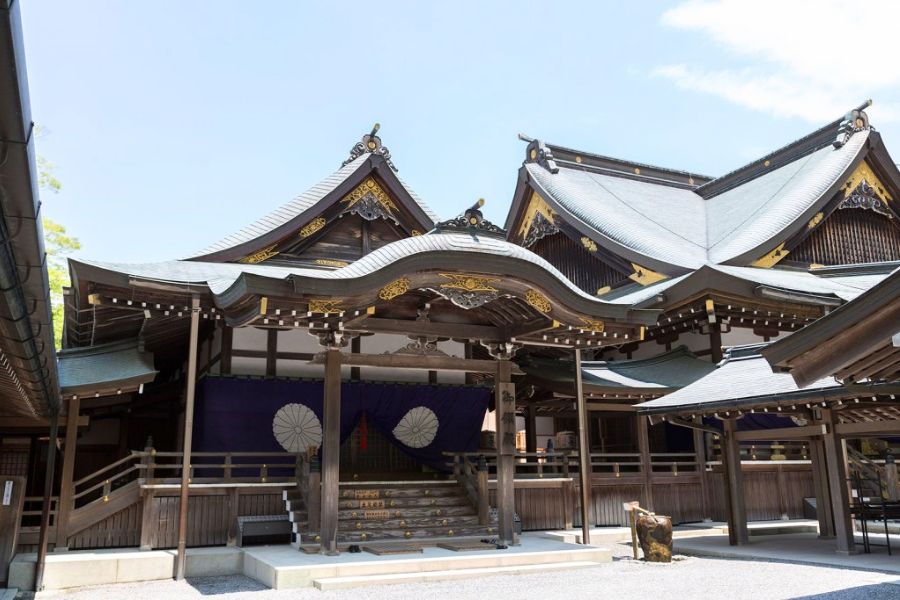
One of the most meaningful excursions from Toba is a visit to Ise Grand Shrine, often regarded as Japan's most sacred Shinto shrine complex.
Known locally as Ise Jingu, the shrine is closely associated with Japan's spiritual heritage and traditional religious practices.
The complex is centered around two principal sanctuaries:
- Naiku (Inner Shrine): Dedicated to Amaterasu Omikami, the sun goddess in Shinto tradition.
- Geku (Outer Shrine): Dedicated to Toyouke Omikami, associated with food, agriculture, and daily sustenance.
A visit to Naiku involves crossing the famous Uji Bridge and walking through a tranquil forest setting before reaching the principal worship area.
The atmosphere is markedly different from that of Japan's bustling urban attractions. Towering trees, traditional architecture, and carefully maintained pathways create an environment of quiet reflection.
For travelers with limited time, Naiku is often the priority. Those interested in a more complete pilgrimage may visit Geku first, following the traditional order recommended by the shrine.
Recommended visiting time: Approximately 60-90 minutes for Naiku, excluding transfers and shopping streets.
Best for: Cultural travelers, history enthusiasts, and visitors interested in Japanese religious traditions.
2. Explore Mikimoto Pearl Island
Located close to central Toba, Mikimoto Pearl Island is one of the city's most distinctive attractions.
The island is associated with Kokichi Mikimoto, whose pioneering work in cultured pearl production transformed the global pearl industry.
In 1893, Mikimoto successfully produced cultured blister pearls in the Toba area, marking an important milestone in the development of modern pearl cultivation.
Today, visitors can discover the history and craftsmanship behind this remarkable industry.
Highlights include the Pearl Museum, exhibitions on pearl cultivation, fine jewelry displays, and the Kokichi Mikimoto Memorial Hall.
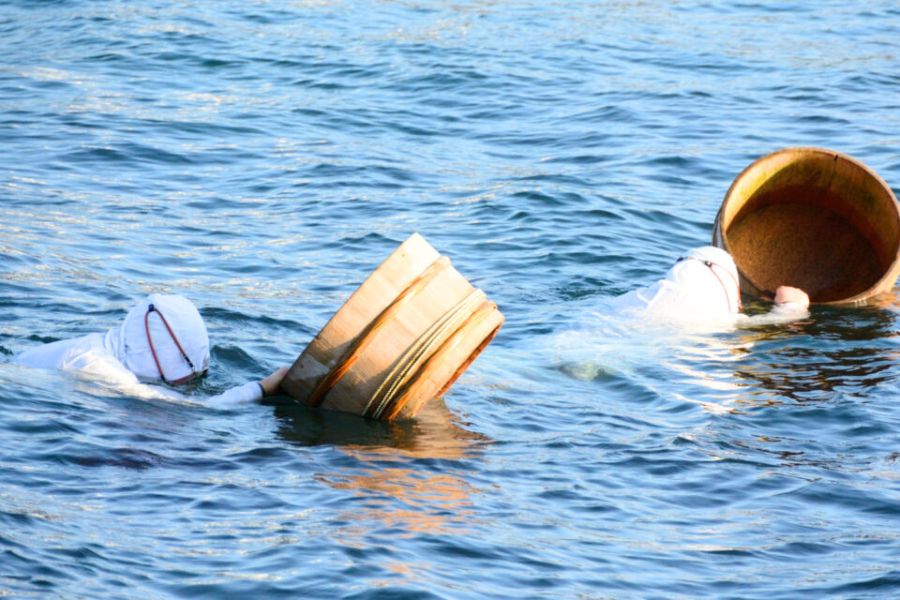
One of the island's most memorable features is its ama diving demonstration.
Ama are traditional Japanese women divers who historically collected shellfish and other marine products without scuba equipment. Their skills played an important role in the early development of pearl cultivation.
The demonstrations provide an opportunity to observe this maritime heritage and appreciate the physical skill involved in traditional diving practices.
Recommended visiting time: 60–90 minutes.
Best for: First-time visitors, families, and travelers interested in traditional Japanese culture.
Cruise tip: Demonstrations operate at scheduled times and may be affected by severe weather, so check the latest timetable before visiting.
3. Discover Toba Aquarium
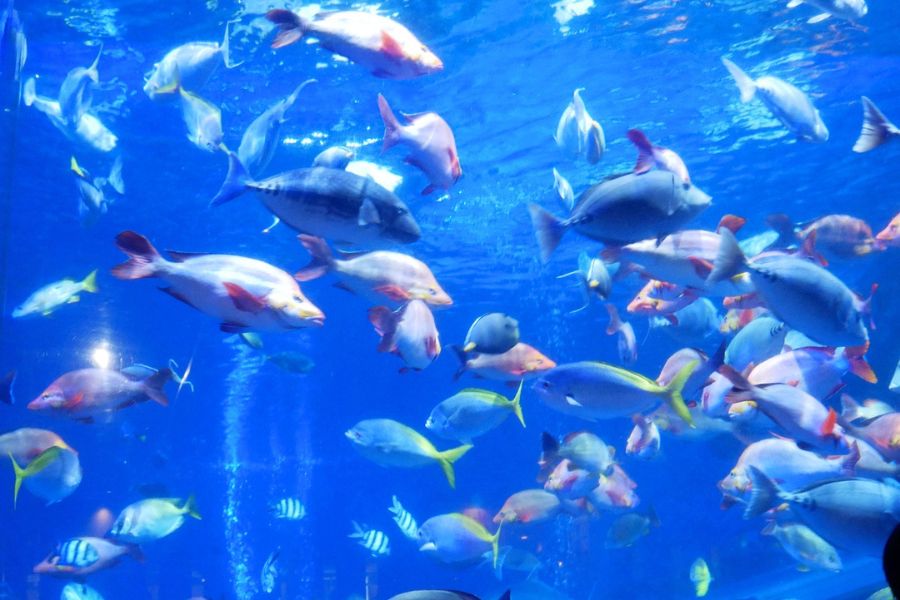
Toba Aquarium is an excellent choice for cruise passengers who prefer to remain close to the port.
The aquarium is known for its extensive collection of marine species and its focus on aquatic environments from Japan and around the world.
One of its most notable residents is the dugong, a rare marine mammal related to the manatee.
Visitors can explore exhibits featuring tropical fish, marine mammals, and creatures from coastal and freshwater ecosystems.
Unlike attractions requiring lengthy transfers, Toba Aquarium offers a relatively straightforward sightseeing option from the tender landing.
Recommended visiting time: 90 minutes to 2 hours.
Best for: Families, marine wildlife enthusiasts, and passengers with shorter port calls.
4. Visit Futami Okitama Shrine and Meoto Iwa
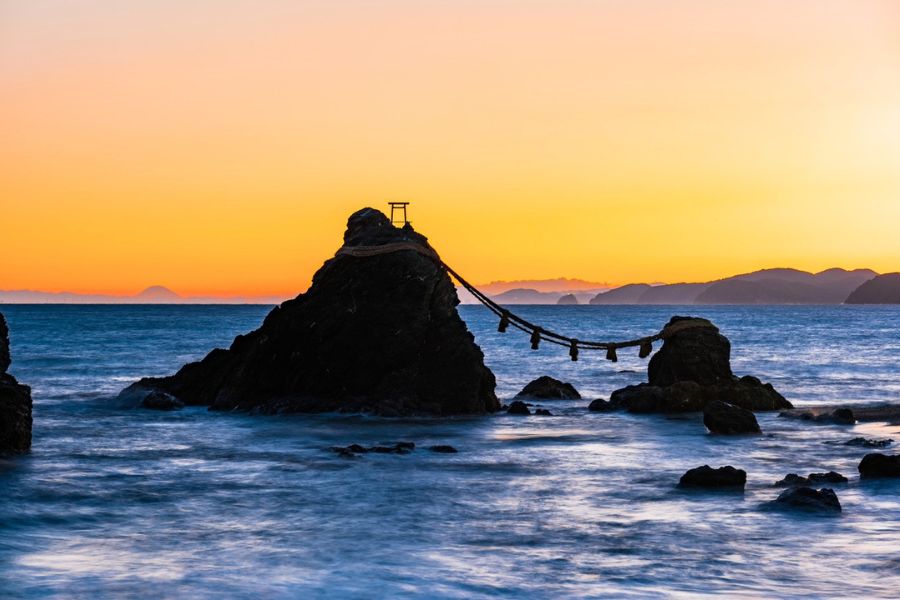
A short journey from Toba brings visitors to Futami Okitama Shrine, a coastal Shinto shrine famous for its sacred sea views.
The shrine's best-known landmark is Meoto Iwa, often called the Wedded Rocks.
These two rocks stand offshore and are connected by a sacred shimenawa rope, symbolizing a spiritual bond.
The larger and smaller rocks are traditionally associated with a married couple, making the site especially meaningful within Japanese cultural symbolism.
Visitors can enjoy coastal scenery, observe religious traditions, and photograph one of the region's most recognizable landscapes.
Futami Okitama Shrine is often combined with Ise Grand Shrine in a regional sightseeing itinerary.
Recommended visiting time: 30–45 minutes.
Best for: Photography, coastal scenery, and Japanese cultural heritage.
5. Stroll Through Okage Yokocho
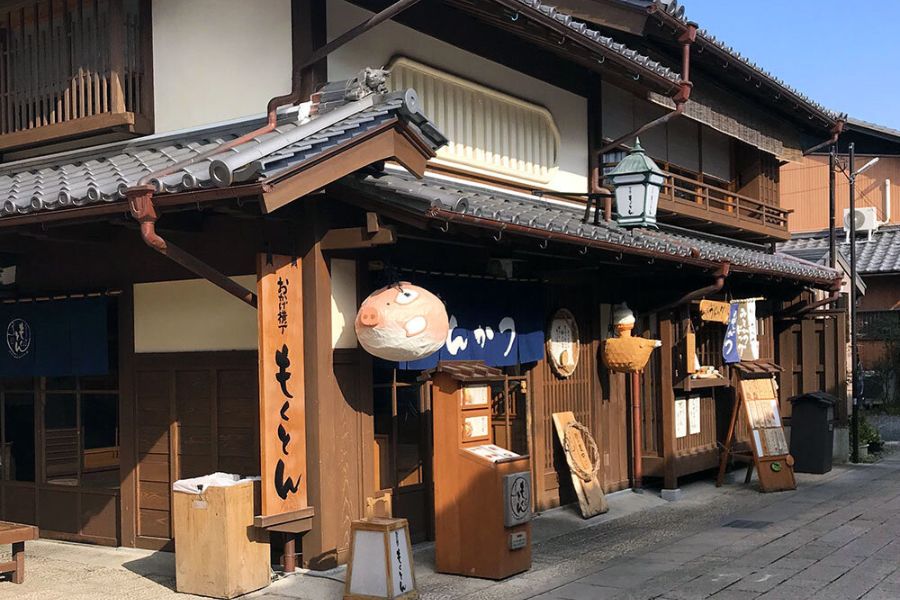
Near the entrance to Ise Grand Shrine, Okage Yokocho offers a lively contrast to the peaceful shrine grounds.
This traditional-style shopping district features wooden architecture, local food stalls, souvenir shops, and historic streetscapes inspired by earlier periods of Japanese life.
It is an enjoyable place to experience the atmosphere of the region while sampling local specialties.
Popular choices include:
- Akafuku mochi, a traditional sweet made with rice cake and red bean paste.
- Ise udon, known for its thick, soft noodles and rich sauce.
- Regional seafood dishes and seasonal snacks.
- Locally produced confectionery and traditional souvenirs.
A stroll through Okage Yokocho pairs particularly well with a visit to Naiku.
Recommended visiting time: 45–60 minutes.
Best for: Food lovers, shopping, cultural exploration, and photography.
6. Experience Toba's Ama Diving Heritage
Beyond the museum demonstrations on Mikimoto Pearl Island, the broader Toba region preserves an enduring connection to ama diving traditions.
For generations, ama divers have harvested seafood from coastal waters using techniques passed down through local communities.
Some cultural experiences in the region introduce visitors to these traditions through storytelling, demonstrations, and seafood meals in traditional ama huts.
These experiences offer a different perspective from conventional sightseeing, emphasizing the relationship between local communities and the sea.
However, many ama hut visits require advance reservations and are located outside the central cruise port area.
For this reason, they are better suited to passengers with longer port calls or prearranged transportation.
Recommended visiting time: Approximately 1–2 hours for an organized cultural experience, excluding transfers.
Best for: Cultural immersion, seafood enthusiasts, and repeat visitors to Japan.
7. Enjoy the Coastal Scenery of Ise-Shima
Toba is part of the wider Ise-Shima region, celebrated for its scenic coastline, wooded hills, and sheltered bays.
Visitors interested in landscapes rather than museums may consider a coastal excursion through parts of Ise-Shima National Park.
The region offers attractive views of the Pacific coastline, traditional fishing communities, and pearl cultivation areas.
Depending on the route and available time, travelers may visit scenic viewpoints or explore quieter villages away from central Toba.
Some destinations require longer road journeys, making them more suitable for extended cruise calls.
Best for: Nature lovers, photography enthusiasts, and travelers seeking a slower-paced day ashore.
Best Toba Shore Excursions for Cruise Passengers
Although independent sightseeing is possible, travelers wishing to experience several of Toba's major attractions in one day may benefit from an organized excursion.
The main advantage is not simply transportation. A well-planned shore excursion considers the time needed for tender disembarkation, road transfers, sightseeing, and the return journey to the cruise ship.
Through our collection of Japan shore excursions, travelers can explore sightseeing opportunities across Japan, including cultural experiences in the Ise-Shima region.
Ise Jingu & Pearl Island Shore Excursion
For visitors seeking a combination of spiritual heritage and maritime history, the Ise Jingu & Pearl Island shore excursion is a convenient option.
This approximately five-hour experience brings together three of the region's highlights:
- Ise Jingu: Discover the spiritual importance of one of Japan's most revered Shinto sites.
- Futami Okitama Shrine & Meoto Iwa: Experience traditional coastal beliefs and the famous Wedded Rocks.
- Mikimoto Pearl Island: Learn about cultured pearls and the history of Toba's ama divers.
The excursion is designed for cruise passengers, with guided sightseeing and an easy-to-moderate walking level. Availability and specific arrangements depend on the ship and sailing date.
Travelers who prefer a different itinerary can also explore the wider selection of Toba shore excursions.
Private Toba Shore Excursions
Private sightseeing arrangements may be particularly suitable for travelers who value flexibility, cultural insight, and a comfortable pace.
Depending on available time and local arrangements, an itinerary may emphasize Ise Grand Shrine, traditional coastal landmarks, or Toba's pearl industry.
A private excursion can also accommodate interests such as local cuisine, photography, and cultural heritage while taking the cruise ship's schedule into consideration.
For senior travelers or those with mobility limitations, discussing walking distances and access requirements in advance can help create a more comfortable day.
Suggested Toba Cruise Port Itineraries
Choosing the right itinerary depends largely on the length of your port call and how much of that time is genuinely available ashore.
Because Toba is a tender port, passengers should calculate their sightseeing window from their expected arrival on land, not simply the time the ship reaches the anchorage.
Half-Day Itinerary: Discover Toba's Waterfront
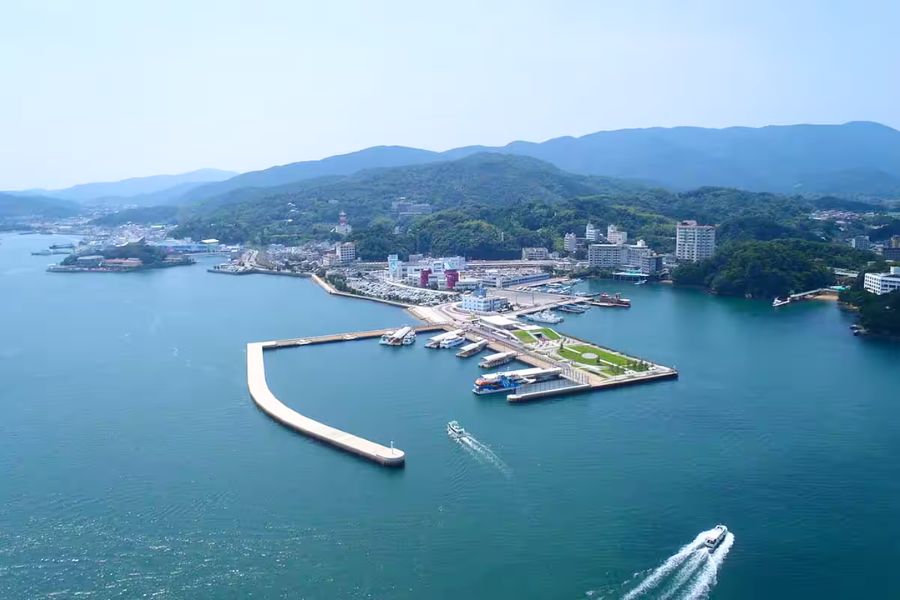
Ideal for approximately 3-4 hours of sightseeing ashore.
- Mikimoto Pearl Island:
Spend around 60-90 minutes exploring the pearl museum and watching a traditional ama diving demonstration, depending on the schedule. - Toba Aquarium:
Enjoy around 90 minutes discovering the aquarium's marine exhibits. Shorten this visit if tender operations have reduced your available time. - Toba Waterfront:
Take a short walk, browse local shops, or enjoy the harbor atmosphere before returning to the tender landing.
This itinerary minimizes lengthy transfers and offers a relaxed introduction to Toba's maritime heritage.
Full-Day Itinerary: Ise Grand Shrine & Cultural Highlights
Ideal for approximately 6–7 hours ashore, subject to confirmed transfers.
- Ise Grand Shrine:
Explore Naiku and its tranquil forest pathways, allowing approximately 60–90 minutes. - Okage Yokocho:
Enjoy local specialties, browse traditional shops, and experience the atmosphere of Ise. - Futami Okitama Shrine:
Visit the coastal shrine and its famous Meoto Iwa rocks for approximately 30–45 minutes. - Mikimoto Pearl Island:
If time and opening hours permit, finish your sightseeing with Toba's pearl heritage before returning to the port.
This is an ambitious itinerary best arranged with reliable transportation. Visitors with shorter port calls should prioritize fewer attractions rather than rushing between destinations.
What to Eat in Toba, Japan
Toba is an appealing destination for travelers who enjoy Japanese seafood and regional cuisine.
The coastal waters of Ise-Shima have long supported fishing communities, and seafood remains central to the region's culinary identity.
Ise Lobster (Ise Ebi)
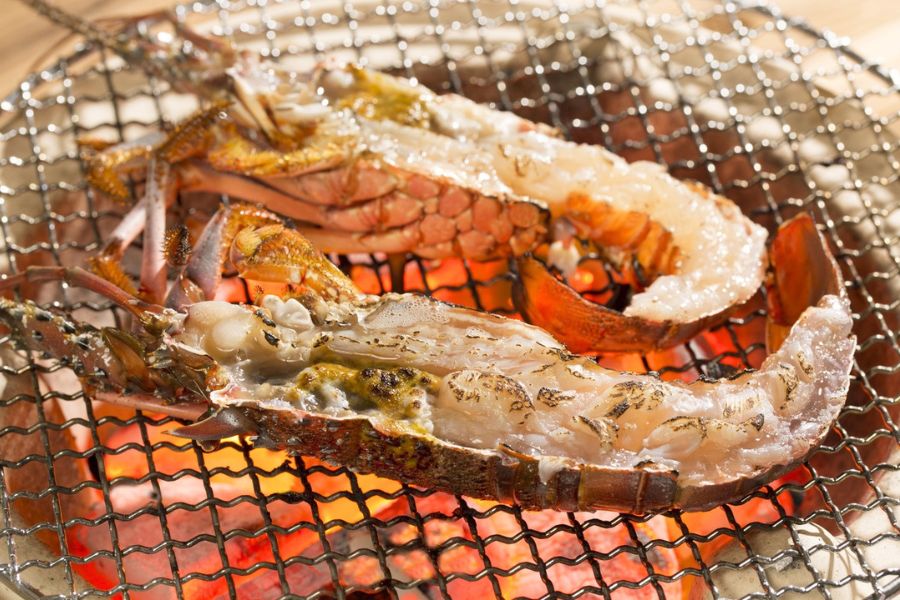
Ise ebi is one of the region's best-known delicacies. This Japanese spiny lobster is highly regarded for its firm texture and delicate flavor.
It may be served grilled, as sashimi where available, or in traditional Japanese preparations.
Availability and prices vary according to the season and restaurant.
Fresh Oysters and Seafood
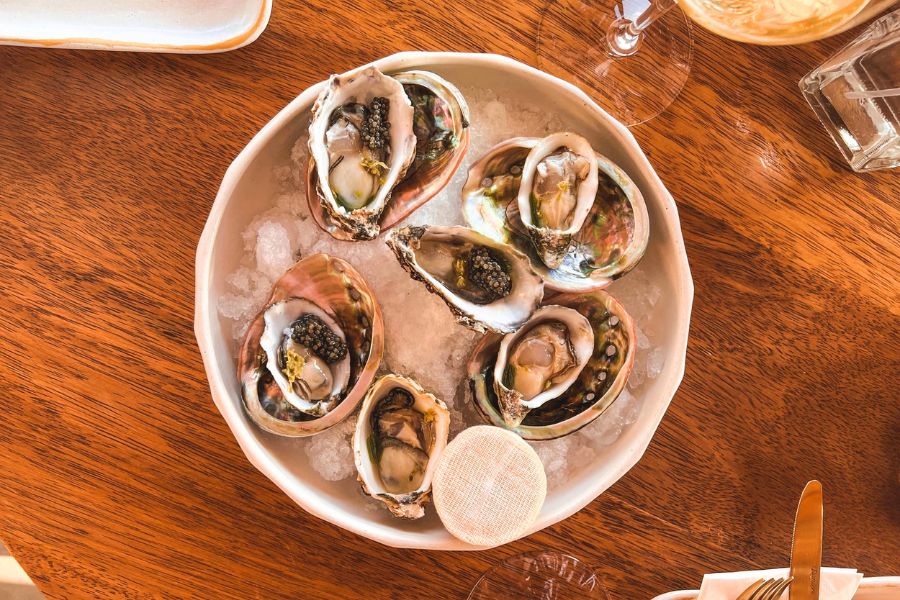
The sheltered bays around Ise-Shima support aquaculture and fishing activities.
Depending on the season, visitors may encounter oysters, shellfish, and a variety of freshly prepared seafood dishes.
Local restaurants often feature seasonal ingredients, making seafood an excellent choice for a meal ashore.
Ise Udon
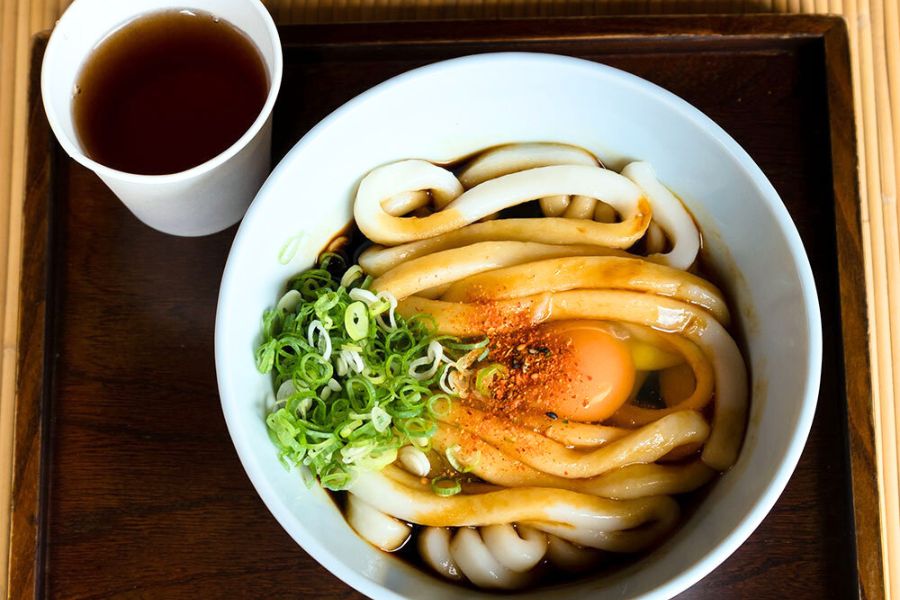
Ise udon differs considerably from many other Japanese noodle dishes.
Its thick, soft noodles are served with a small amount of concentrated, dark-colored sauce, creating a distinctive regional specialty.
Travelers visiting Okage Yokocho will find opportunities to try this traditional dish.
Akafuku Mochi
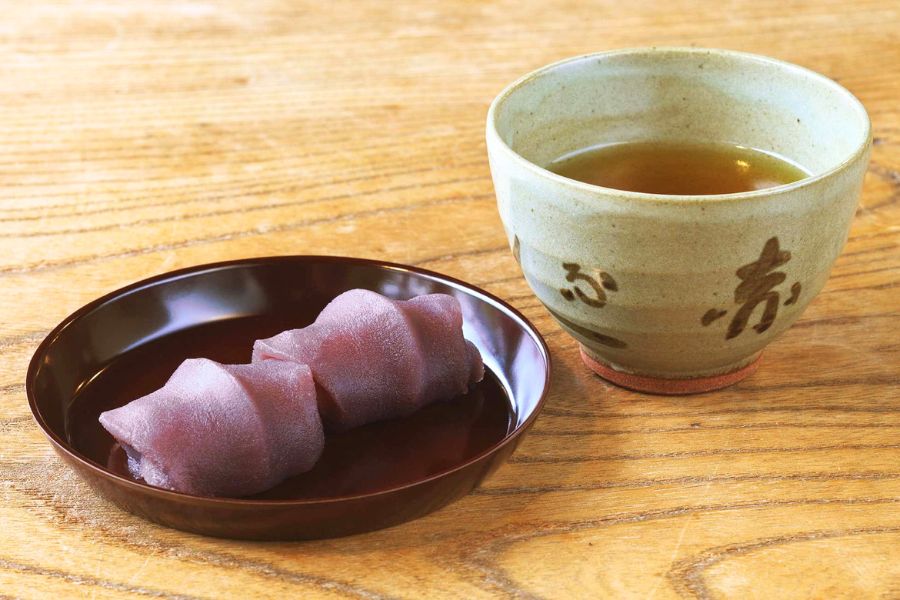
Akafuku mochi is a famous sweet associated with Ise.
Made from soft rice cakes topped with sweet red bean paste, it is a popular snack and souvenir for visitors exploring the shrine district.
Practical Travel Tips for Visiting Toba Cruise Port
A little preparation can make a significant difference when visiting Toba on a cruise.
Check the Tender Schedule Carefully
Tender operations may take longer than expected, especially when several groups of passengers are disembarking.
Always confirm the procedures provided by your cruise line and allow sufficient time to return to the ship.
Choose Attractions According to Your Port Time
For shorter port calls, Mikimoto Pearl Island and Toba Aquarium offer convenient sightseeing without lengthy transportation.
Longer calls may provide enough time to visit Ise Grand Shrine and other regional landmarks.
Bring Japanese Yen
Although credit cards are increasingly accepted, small shops, local transportation services, and traditional establishments may still require cash.
Carrying some Japanese yen is advisable.
Wear Comfortable Walking Shoes
Visiting Ise Grand Shrine involves walking along outdoor paths, including gravel sections and traditional stone surfaces.
Comfortable footwear is recommended, particularly for travelers combining several attractions.
Respect Shrine Etiquette
Ise Grand Shrine is an active religious site.
Visitors should remain respectful, follow posted photography restrictions, and avoid disturbing worshippers.
Check Seasonal Opening Hours
Opening hours for attractions such as Mikimoto Pearl Island can change throughout the year.
The scheduled ama performances are also subject to local arrangements and weather conditions. Check the official Mikimoto Pearl Island website before visiting.
Allow Extra Time for the Return Journey
Road delays, bus connections, and tender queues can affect your schedule.
Plan to reach the tender landing well before the cruise line's final boarding deadline, rather than returning at the last possible moment.
Is Toba Worth Visiting on a Japan Cruise?
Absolutely. Toba offers something different from Japan's larger cruise destinations.
Rather than focusing on skyscrapers, major shopping districts, or fast-paced city sightseeing, the region invites visitors to discover traditional spirituality, maritime history, and scenic coastal landscapes.
For first-time visitors to Japan, Ise Grand Shrine provides meaningful insight into Shinto traditions and cultural heritage.
For travelers interested in local history, Mikimoto Pearl Island introduces a remarkable chapter in Japan's contribution to the global pearl industry.
Meanwhile, Toba Aquarium and the compact waterfront make the destination accessible even when time ashore is limited.
The key is choosing an itinerary that matches your interests and available hours.
Frequently Asked Questions About Toba Cruise Port
Where do cruise ships dock in Toba, Japan?
Large cruise ships generally anchor offshore and transfer passengers to land by tender boat. Most arrivals use the Sadahama landing area near Toba Marine Terminal, although alternative landing arrangements are possible.
Is Toba Cruise Port within walking distance of attractions?
Yes. Mikimoto Pearl Island and Toba Aquarium are within walking distance of the usual tender landing. However, Ise Grand Shrine and Futami Okitama Shrine require transportation.
How far is Ise Grand Shrine from Toba Cruise Port?
Ise Grand Shrine's Inner Shrine is approximately 40–60 minutes from central Toba by road or public transportation, depending on traffic and connections. Additional time should be allowed for tender disembarkation and walking.
Can you visit Ise Grand Shrine independently from Toba?
Yes. Travelers can use regional trains and local buses to reach Ise Grand Shrine. However, independent visitors should carefully plan connections and allow sufficient time to return to their ship.
What are the best things to do in Toba during a short cruise stop?
Mikimoto Pearl Island, Toba Aquarium, and a walk along the waterfront are convenient choices for a shorter stay. They provide cultural and marine attractions without requiring lengthy transfers.
Is Toba Cruise Port suitable for senior travelers?
Toba can be suitable for senior travelers, particularly when excursions are planned at a comfortable pace. However, tender boarding, uneven shrine pathways, and walking distances should be considered when selecting activities.
What is Toba most famous for?
Toba is especially known for its cultured pearl industry, traditional ama divers, coastal scenery, seafood, and proximity to Ise Grand Shrine.
Should I book a shore excursion in advance?
Advance arrangements are recommended for travelers planning to visit multiple attractions outside central Toba or those who prefer an organized excursion. Booking early may also provide more flexibility in choosing a guide and transportation suited to your cruise schedule.
Explore Toba with Shore Excursions Asia
From the sacred forests of Ise Grand Shrine to the fascinating pearl-diving heritage of Toba, the Ise-Shima region offers an enriching glimpse into Japan's cultural traditions and coastal life.
Whether you prefer a relaxed visit to nearby attractions or a more comprehensive exploration of the region, choosing the right itinerary can help you make the most of your limited time ashore.
Shore Excursions Asia specializes in private and small-group excursions designed around cruise ship schedules, with local guides and carefully considered sightseeing arrangements.
Explore our Toba shore excursions to discover available experiences, or browse our broader collection of Japan shore excursions for inspiration across Japan's cruise destinations.
For personalized arrangements, simply share your cruise ship name, sailing date, and preferred attractions through our contact page. Our team can help you explore suitable options for your time in Toba.


 Send Inquiry