
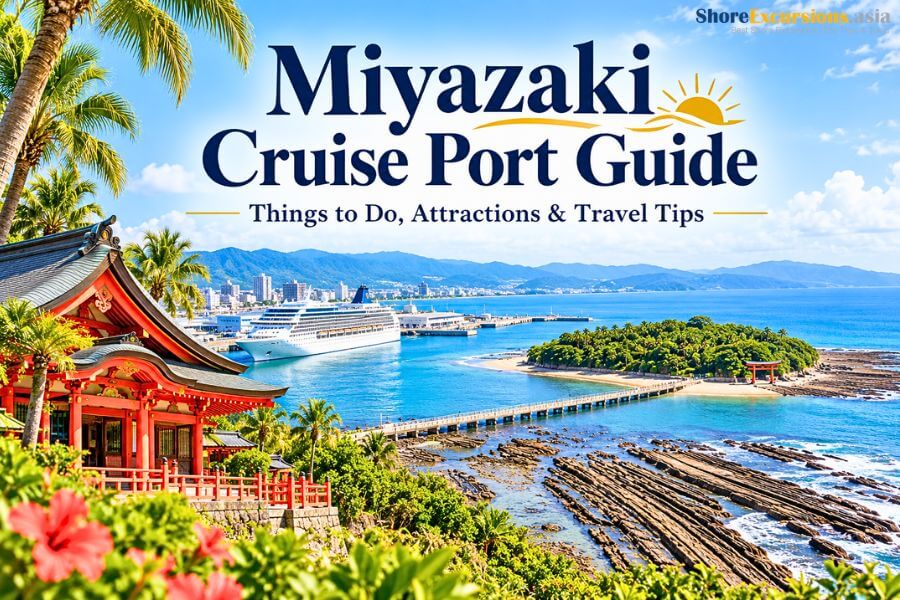
Miyazaki offers cruise passengers a very different side of Japan, with subtropical scenery, coastal landscapes, ancient mythology, traditional shrines, historic castle towns and some of Kyushu's most distinctive local food. This Miyazaki Cruise Port Guide from Shore Excursions Asia explains where cruise ships actually dock, what you can see during a port day, and how to choose an itinerary that fits your ship's schedule.
There is one important detail to understand before planning your excursion: Miyazaki Port and Aburatsu Port are two different cruise ports. Miyazaki Port is in Miyazaki City, while Aburatsu Port is in Nichinan City farther south. Your cruise itinerary may simply display Miyazaki even when the actual port is Aburatsu, so checking the port name before choosing an excursion is essential.
For travelers sailing from Miyazaki Port, our Miyazaki Shore Excursions include flexible private and small-group routes covering Aoshima, Obi, Udo Shrine, Hyuga and other regional highlights.
Miyazaki Port vs Aburatsu Port: Which Port Does Your Cruise Use?
This is the first question you should answer before planning anything in Miyazaki.
Although both ports are in Miyazaki Prefecture, they are geographically different and provide access to different sightseeing areas.
| Miyazaki Port | Aburatsu Port |
|---|---|
| Miyazaki City | Nichinan City |
| North of Aoshima | Closer to southern Miyazaki |
| About 15 minutes by road from JR Miyazaki Station | About 5 minutes by road from JR Aburatsu Station |
| Best for Aoshima, Miyazaki City and northern routes | Best for Udo Shrine, Obi and Nichinan Coast |
| International Sightseeing Ship Berth | East Area No. 9 and No. 10 |
Miyazaki Port is located at 1-18 Minato in Miyazaki City, with the International Sightseeing Ship Berth designated for cruise vessels. JR Miyazaki Station and Miyazaki Airport are both approximately 15 minutes away by car or bus under normal conditions.
Aburatsu Port is located in Nichinan City and uses the East Area No. 9 and No. 10 berths. The port is much closer to southern attractions such as Obi Castle Town and Udo Shrine.
If your cruise itinerary specifically says Miyazaki (Aburatsu), plan your day from Aburatsu rather than Miyazaki Port. Travelers using Aburatsu can also explore our Aburatsu Shore Excursions for routes designed around that port.
Why the Port Name Matters for Your Excursion
The difference between the two ports is not simply administrative.
For example, Aoshima is a natural choice from Miyazaki Port, while Udo Shrine and Obi are considerably more practical from Aburatsu Port.
Conversely, a traveler trying to visit Takachiho from either port faces a long inland journey, making it a very different type of excursion from a short coastal sightseeing route.
This is why a cruise passenger should never select an excursion based only on the destination name "Miyazaki." Always check the actual port listed on your cruise itinerary first.
Where Is Miyazaki Cruise Port?
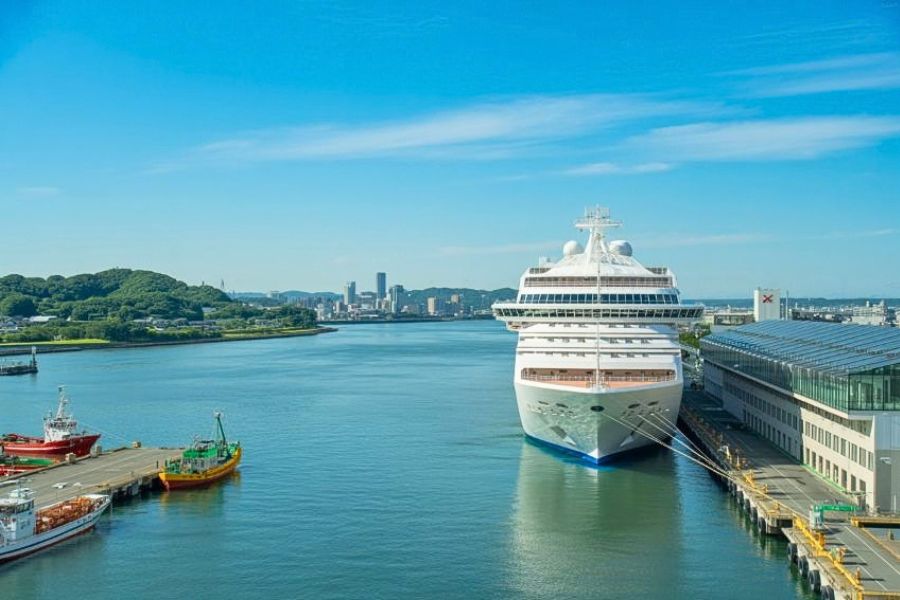
Miyazaki Port is located on the southeastern coast of Kyushu, facing the Hyuga-nada Sea.
The port is connected relatively well with Miyazaki's wider transportation network. Miyazaki Airport is approximately 15 minutes away by road, while JR Miyazaki Station is also around 15 minutes away under normal traffic conditions.
The port is not located directly in the central sightseeing district, but it is considerably more convenient for reaching Miyazaki City and the northern section of the Nichinan Coast than Aburatsu.
Miyazaki Port at a Glance
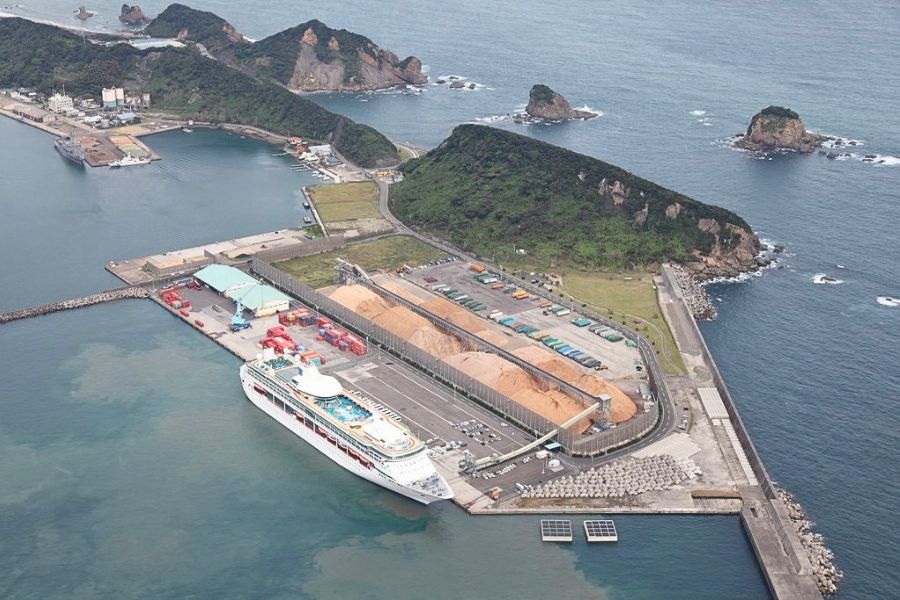
- City: Miyazaki City
- Main cruise berth: Miyazaki Port International Sightseeing Ship Berth
- JR Miyazaki Station: approximately 15 minutes by road
- Miyazaki Airport: approximately 15 minutes by road
- Aoshima: approximately 30 minutes by car from the port
- Horikiri Pass / Phoenix Roadside Station: approximately 27 minutes by car
- Main sightseeing character: coastal scenery, mythology, shrines, food and subtropical landscapes
Where Is Aburatsu Cruise Port?
Aburatsu Port is located in Nichinan City, farther south along the Miyazaki coastline.
The port's location makes it particularly convenient for exploring the southern Miyazaki area, including Udo Shrine, Obi Castle Town and the Nichinan Coast.
JR Aburatsu Station is approximately five minutes away by car, while Miyazaki Airport is around 50–60 minutes away depending on the route and traffic.
The official cruise-port specification identifies East Area No. 9 and No. 10 as the cruise berths. Unlike Miyazaki Port, Aburatsu's cruise facilities are more basic, so organized transportation is particularly useful for cruise passengers.
Best Things to Do From Miyazaki Cruise Port
Miyazaki's attractions are spread across several directions, so the best excursion depends on your port time.
The main options include:
- Aoshima Island and Aoshima Shrine;
- Horikiri Pass and Phoenix Roadside Station;
- Miyazaki Shrine;
- Miyazaki city sightseeing;
- Obi Castle Town;
- Udo Shrine;
- Sun Messe Nichinan;
- Hyuga and Cape Hyuga;
- and Takachiho for very long port calls.
If you are comparing different Japan shore excursions, Miyazaki stands out because the experience is less about a single famous monument and more about combining coastal scenery, mythology, local culture and regional food into one relaxed port day.
Aoshima Island and Aoshima Shrine
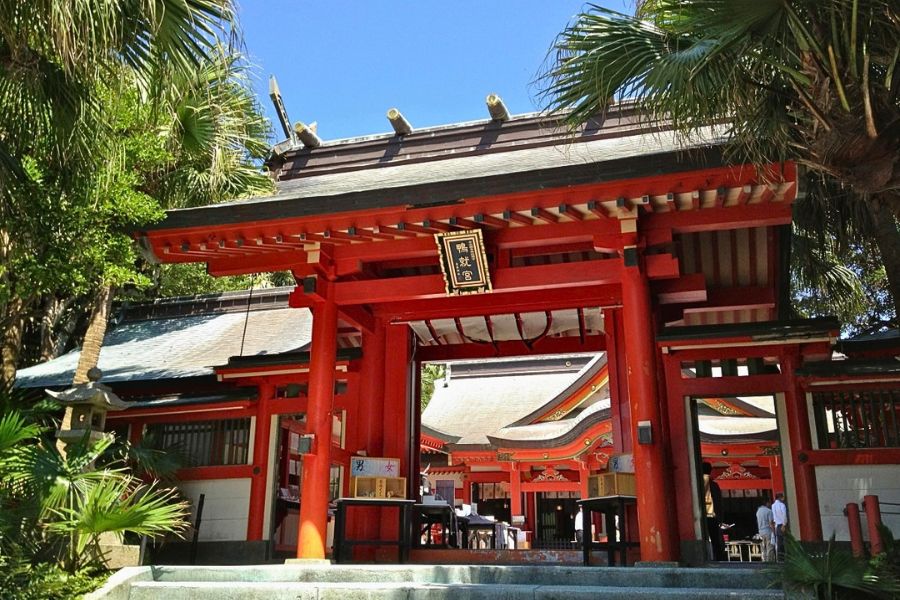
Aoshima is one of the most recognizable attractions near Miyazaki City.
The small island has a circumference of approximately 1.5 kilometers and is surrounded by the distinctive rock formation known as the Devil's Washboard, or Oni no Sentakuita.
The island's subtropical vegetation creates an atmosphere that can feel surprisingly different from the Japan many first-time visitors imagine.
At the center of the island stands Aoshima Shrine, a popular destination associated with Japanese mythology, marriage, safe childbirth and good fortune.
What Makes Aoshima Special?
Aoshima combines several experiences in one compact area:
- an island walk;
- Aoshima Shrine;
- subtropical vegetation;
- the Devil's Washboard rock formations;
- coastal scenery;
- local snacks and souvenirs;
- and a strong connection with Japanese mythology.
Because the island itself is relatively small, Aoshima can work well as the main attraction during a shorter Miyazaki port call.
Aoshima Shrine and Japanese Mythology
Aoshima Shrine is associated with the legend of Yamasachihiko and Toyotama-hime.
The shrine is particularly popular among visitors praying for marriage and relationships, but its appeal goes beyond romance. The combination of the shrine, tropical vegetation and unusual coastal landscape gives Aoshima a strong sense of place.
Visitors reach the shrine by crossing onto Aoshima Island and walking through the island's natural surroundings.
The Devil's Washboard: Aoshima's Natural Landmark
The rock formations surrounding Aoshima resemble an enormous washboard.
These unusual formations were created by geological processes and long-term erosion along the coastline.
At low tide, visitors can sometimes walk closer to the exposed rocks and see the patterns more clearly.
Because tide conditions change throughout the day, do not assume that the rock formations will always be accessible in exactly the same way during your cruise visit.
Horikiri Pass and Phoenix Roadside Station
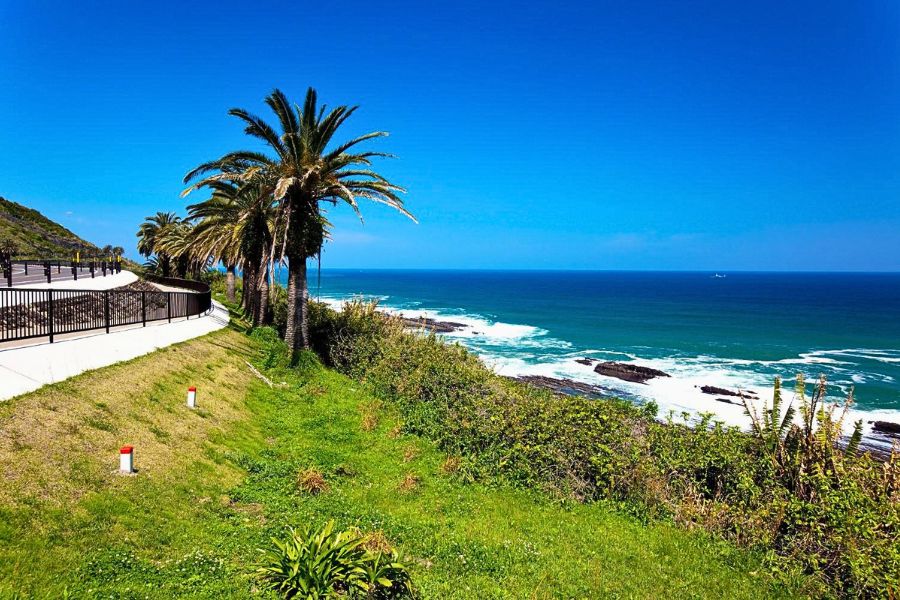
South of Aoshima, the Nichinan Coast becomes one of the most scenic driving routes in Miyazaki.
Horikiri Pass provides views across the Pacific Ocean and the distinctive coastal rock formations below.
Nearby Phoenix Roadside Station is a convenient place to stop for local products, snacks and panoramic views.
The observation area sits above the coastline and provides a broad view of the ocean and the surrounding landscape.
This is particularly useful for cruise passengers because it can be combined naturally with Aoshima without requiring a completely separate regional route.
Miyazaki Shrine
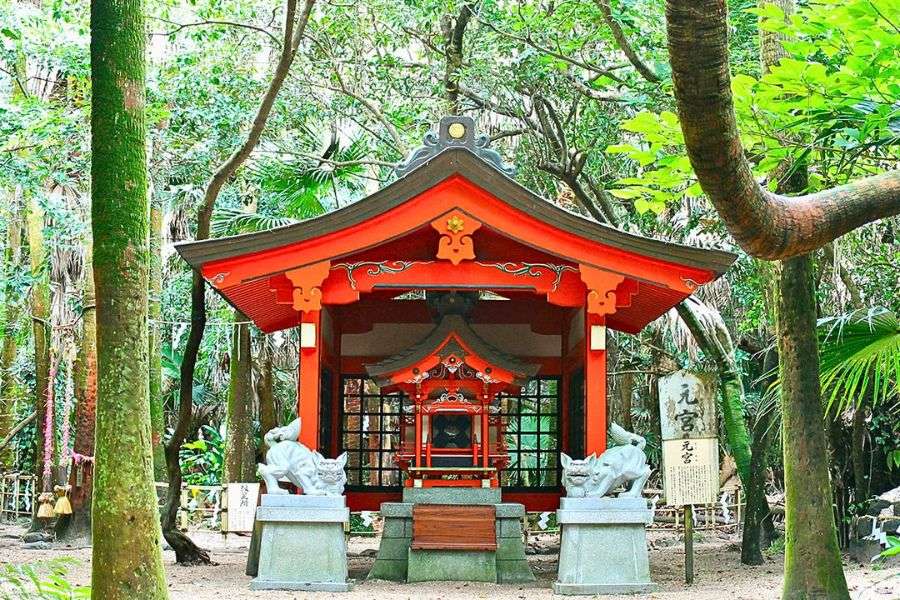
Miyazaki Shrine is one of the city's most important traditional shrines.
The shrine is dedicated to Emperor Jimmu, who is traditionally regarded in Japanese mythology as the first emperor of Japan.
The surrounding forest provides a peaceful contrast to the coastal scenery around Aoshima.
For cruise passengers staying close to Miyazaki City, the shrine can be a practical cultural stop without requiring a long transfer.
The shrine is also known for its large garden and seasonal wisteria, making it particularly attractive during spring.
Central Miyazaki and Tachibana Street
If your cruise call is short or you prefer urban sightseeing, central Miyazaki provides a more relaxed alternative to a long coastal excursion.
Tachibana Street is one of the city's main shopping and dining areas, with restaurants, retail stores and covered shopping arcades.
This is a practical option when weather is uncertain or when travelers want to combine local food with a small amount of city exploration.
However, central Miyazaki is not the strongest choice if this is your first visit and you specifically want the landscapes and cultural experiences that make the prefecture distinctive.
Obi Castle Town: A Glimpse of Old Japan
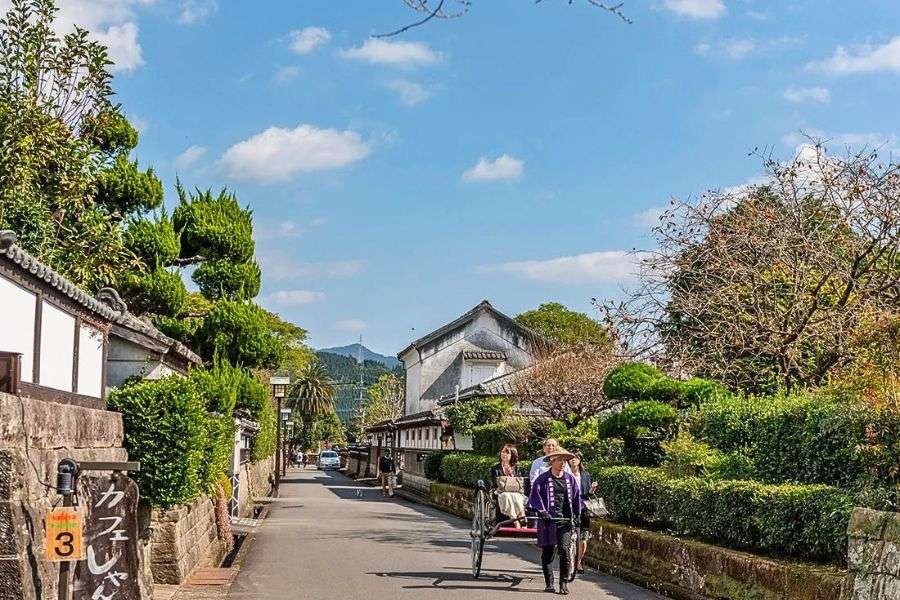
Obi Castle Town is one of the most rewarding historical destinations in southern Miyazaki.
The town flourished under the Ito clan for approximately 280 years, beginning in the late sixteenth century.
Today, stone walls, traditional residences and historic streets preserve much of the atmosphere of the former castle town.
Obi is sometimes called the "Little Kyoto of Kyushu" because of its preserved historical townscape.
What Can You See in Obi?
- Obi Castle site;
- Obi Castle History Museum;
- historic samurai residences;
- traditional stone walls;
- former castle-town streets;
- local shops;
- and regional food specialties.
Obi is particularly suitable for travelers who want to experience traditional Japanese architecture and history without the crowds of Kyoto.
What to Eat in Obi
Obi has several local specialties that make the town more than a sightseeing stop.
- Obi-Ten: a local style of fried fish cake;
- Atsuyaki-tamago: a thick sweet egg dish with a pudding-like texture;
- Obi Senbei: a local rice cracker;
- and other regional sweets and snacks.
Udo Shrine: A Shrine Inside a Coastal Cave
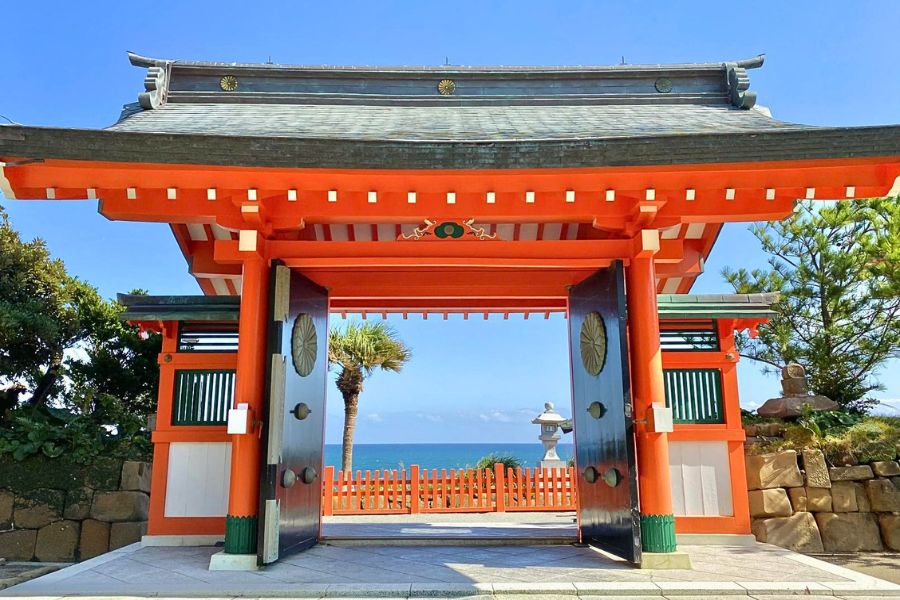
Udo Shrine is one of the most distinctive religious sites in southern Miyazaki.
The main shrine building is located inside a natural cave on a cliff facing the Hyuga-nada Sea.
The combination of a bright vermilion shrine, ocean views, cliffs and the cave creates an atmosphere unlike most traditional shrines in Japan.
Udo Shrine is traditionally associated with safe childbirth, child rearing, marriage and safe travel.
The Undama Tradition
One of the best-known customs at Udo Shrine involves throwing small clay balls called undama toward a rock known as Kameishi.
Visitors make a wish while throwing the balls, with different throwing hands traditionally used by men and women.
The custom adds an interactive element to the visit and is one reason Udo Shrine appeals to international travelers.
How Much Walking Is Involved?
Udo Shrine is not a completely flat, step-free sightseeing attraction.
Visitors need to walk along the approach to the shrine and negotiate steps and uneven sections.
Travelers with limited mobility should take this into account before including Udo Shrine in their itinerary.
Good walking shoes are recommended, particularly when the ground is wet.
Sun Messe Nichinan: Moai Statues by the Pacific
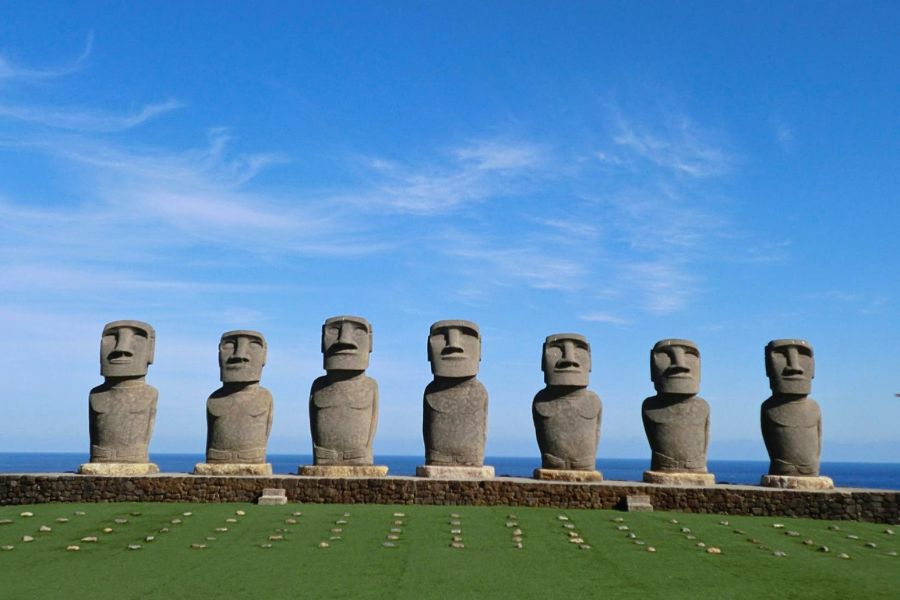
Sun Messe Nichinan is one of the most unexpected attractions along the southern Miyazaki coast.
The park is famous for its seven Moai statue replicas overlooking the Pacific Ocean.
The statues were restored with official permission from Easter Island, creating a distinctive landmark that is very different from the traditional shrines and castle towns elsewhere in Miyazaki.
The park also includes scenic viewpoints, shops, restaurants and other attractions.
Its elevated coastal position makes it particularly appealing for travelers looking for photography opportunities and ocean views.
Can Sun Messe Nichinan Be Combined With Udo Shrine?
Yes.
The two attractions are close enough to form a natural southern-coast itinerary, particularly when departing from Aburatsu Port or when a longer port call allows travel south from Miyazaki Port.
A route combining:
- Udo Shrine;
- Sun Messe Nichinan;
- and Obi Castle Town
can provide a strong combination of mythology, scenery and traditional Japanese history.
Hyuga: Northern Miyazaki's Coastal Landscape
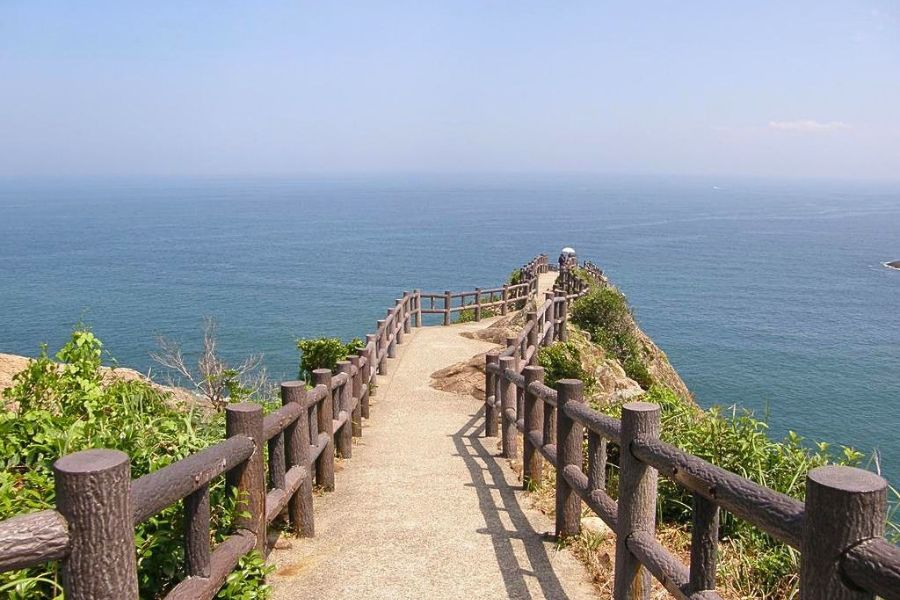
Travelers with more time can head north from Miyazaki City toward Hyuga.
Hyuga is known for dramatic coastal scenery, traditional culture and shrines connected with Japanese mythology.
One of the highlights is Omi Shrine, located on a scenic coastal site overlooking the Pacific Ocean.
The shrine is associated with Amaterasu-Omikami and is known for its dramatic setting above the sea.
Mimitsu Historic District
Mimitsu preserves a traditional townscape connected with Hyuga's history as a port settlement.
Historic buildings and streets provide a quieter cultural experience than the major sightseeing centers farther south.
For travelers who prefer regional history and scenery over famous tourist attractions, Hyuga can be an excellent choice.
Takachiho Gorge: Worth the Long Journey?
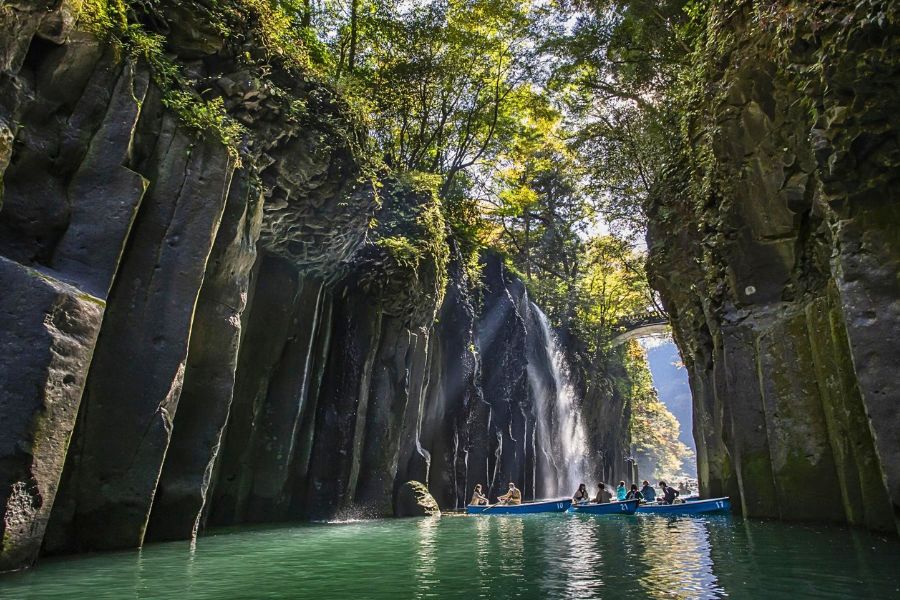
Takachiho Gorge is arguably one of Miyazaki Prefecture's most famous natural attractions.
The gorge was formed by volcanic activity associated with Mount Aso and features dramatic columnar cliffs, clear water and the famous Manai Falls.
Visitors can walk along the gorge's boardwalk or, when operating conditions permit, rent boats to see the cliffs and waterfall from below.
Is Takachiho Practical From Miyazaki Cruise Port?
This is where cruise passengers need to be realistic.
Official Miyazaki tourism information puts the drive from JR Miyazaki Station to Takachiho Gorge at approximately 2 hours 15 minutes one way.
That means a round trip from Miyazaki Port can consume a very large part of a standard cruise day before allowing meaningful sightseeing time.
For that reason, Takachiho should generally be considered only when:
- your ship has a long port call;
- your excursion uses dedicated private transportation;
- the itinerary is carefully timed;
- and you are comfortable spending substantial time on the road.
It is not an attraction I would recommend casually adding to a four- or five-hour Miyazaki port day.
What Can You See in Takachiho?
- Takachiho Gorge;
- Manai Falls;
- Takachiho Shrine;
- Kunimigaoka Observatory;
- and other mythology-related attractions.
SEA currently offers a dedicated Magic of Miyazaki itinerary built around Takachiho Gorge, Takachiho Shrine and Kunimigaoka Observatory.
Miyazaki Cruise Port Itinerary for 4 Hours
A four-hour port call requires a compact route.
Option 1: Aoshima
- Miyazaki Port;
- Aoshima Island;
- Aoshima Shrine;
- Devil's Washboard;
- return to port.
This is one of the safest choices for travelers who want to experience Miyazaki's coastal character without spending most of the day in the car.
Option 2: City and Culture
- Miyazaki Port;
- Miyazaki Shrine;
- central Miyazaki;
- local lunch;
- return to port.
This option works well when travelers prefer a slower pace or want to minimize outdoor walking.
Miyazaki Cruise Port Itinerary for 5–6 Hours
With five to six hours, a more substantial coastal route becomes possible.
Option 1: Aoshima and Nichinan Coast
- Aoshima Island;
- Aoshima Shrine;
- Devil's Washboard;
- Horikiri Pass;
- Phoenix Roadside Station;
- return to port.
Option 2: Udo Shrine and Obi
- Udo Shrine;
- Obi Castle Town;
- local snack or lunch;
- return to port.
The second route requires careful timing from Miyazaki Port but is particularly attractive for travelers interested in mythology and traditional Japanese history.
Miyazaki Cruise Port Itinerary for 7 Hours
Seven hours provides more flexibility for a southern coastal route.
Recommended Route: Obi, Aoshima and Phoenix Coast
- Miyazaki Port;
- Obi Castle Town;
- Aoshima Island and Aoshima Shrine;
- Horikiri Pass or Phoenix Roadside Station;
- return to port.
This is close to the concept of SEA's existing Nichinan Sightseeing Tour, which currently operates as a seven-hour Miyazaki Port itinerary.
Miyazaki Cruise Port Itinerary for 8-9+ Hours
A longer port call opens up more ambitious options, but it still does not mean every attraction should be combined.
Possible routes include:
- Udo Shrine + Sun Messe Nichinan + Obi;
- Obi + Aoshima + Phoenix Roadside Station;
- Hyuga + Mimitsu + Omi Shrine;
- Takachiho Gorge + Takachiho Shrine;
- or a customized regional itinerary.
The important principle is to choose attractions that lie in the same general direction.
Driving from Miyazaki Port south to Udo Shrine and then turning north toward Hyuga would consume time without adding much value to the cruise experience.
Which Attractions Are Best From Each Port?
| Attraction | Miyazaki Port | Aburatsu Port |
|---|---|---|
| Aoshima | Excellent choice | Possible, but farther north |
| Aoshima Shrine | Excellent choice | Possible |
| Horikiri Pass | Excellent choice | Possible |
| Miyazaki Shrine | Excellent choice | Longer transfer |
| Udo Shrine | Longer regional excursion | Excellent choice |
| Sun Messe Nichinan | Longer regional excursion | Excellent choice |
| Obi Castle Town | Longer regional excursion | Excellent choice |
| Hyuga | Longer northern excursion | Not practical |
| Takachiho | Very long excursion | Very long excursion |
What to Eat in Miyazaki
Food is one of the easiest ways to make a Miyazaki cruise day feel distinctly regional.
Miyazaki Beef
Miyazaki Beef is one of Japan's best-known wagyu brands and has won the Prime Minister's Award multiple times at the National Wagyu Promotion Competition.
The beef is known for its rich marbling, tenderness and delicate flavor.
For travelers looking for a special lunch during a private excursion, Miyazaki beef can be an excellent choice.
Chicken Nanban
Chicken Nanban is another Miyazaki specialty, although its origin is in Nobeoka in northern Miyazaki Prefecture.
The dish consists of fried chicken served with a sweet and sour sauce, commonly accompanied by tartar sauce.
It has become one of the prefecture's best-known comfort foods.
Charcoal-Grilled Local Chicken
Miyazaki is also known for locally raised chicken grilled over charcoal.
The intense heat creates a smoky aroma while retaining the meat's savory flavor.
This is particularly common in local restaurants and izakaya-style establishments.
Miyazaki Mango
Miyazaki's warm climate is also ideal for tropical fruit.
The prefecture is famous for high-quality mangoes, including the premium Taiyo-no-Tamago brand.
Mango sweets and fresh fruit can be an easy souvenir or snack during a coastal sightseeing day.
Hyuganatsu
Hyuganatsu is a citrus fruit associated with Miyazaki.
Unlike many citrus fruits, the white inner layer of the peel is traditionally eaten together with the fruit, creating a distinctive balance of sweetness and refreshing acidity.
Miyazaki by Season
Miyazaki in Spring
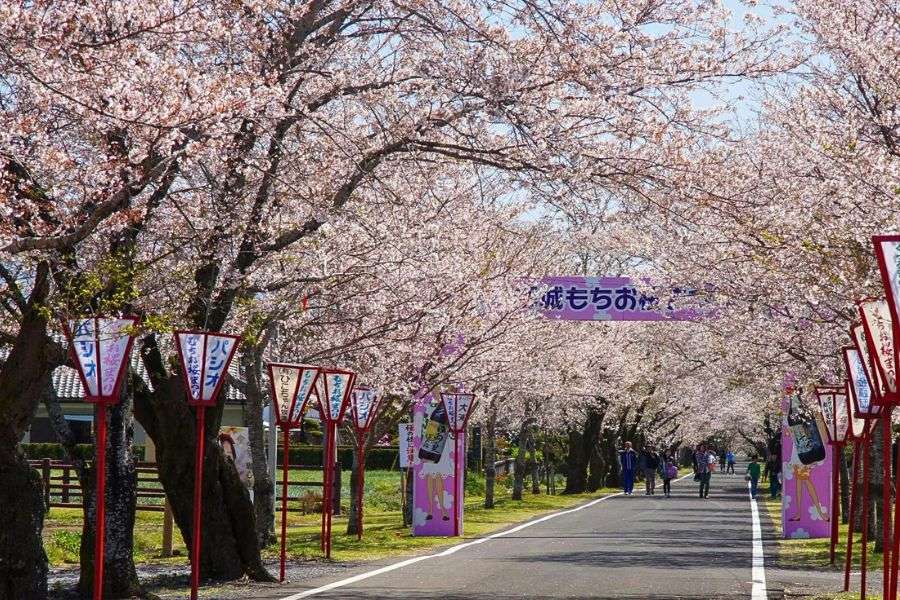
Spring is an excellent season for exploring Miyazaki's gardens, shrines and coastal landscapes.
Aoshima's subtropical vegetation is already lush, while Obi Castle Town is particularly attractive when cherry blossoms appear.
Miyazaki Shrine and other gardens also provide opportunities to see seasonal flowers.
Spring is particularly comfortable for cruise passengers because outdoor sightseeing is generally easier than during the hotter months.
Miyazaki in Summer
Summer emphasizes Miyazaki's coastal and tropical character.
Aoshima and the Nichinan Coast are especially appealing for travelers who enjoy ocean scenery, although heat and humidity should be considered when planning a walking-heavy itinerary.
Early August is also associated with major summer festivals elsewhere in the region, so travelers should check local event calendars if their cruise coincides with festival season.
Miyazaki in Autumn
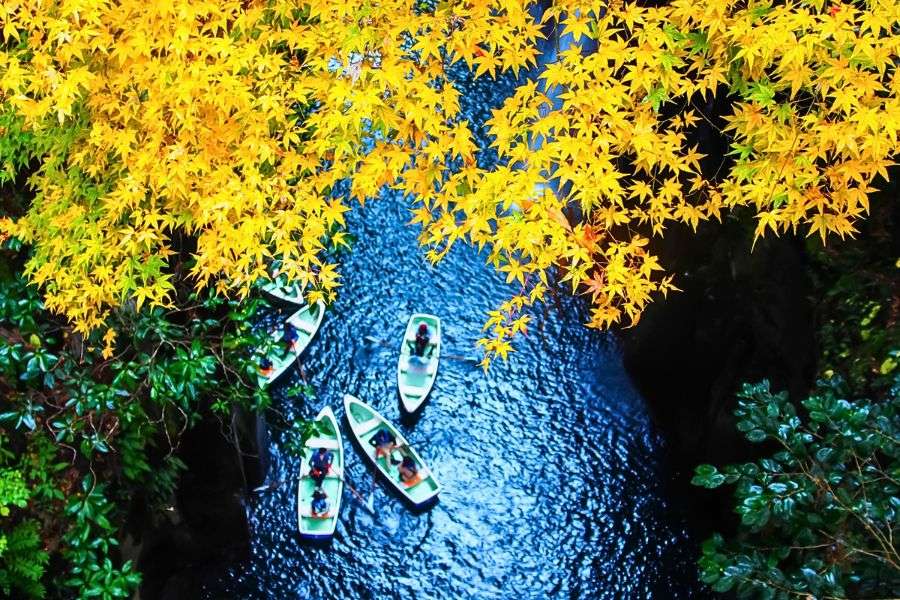
Autumn brings cooler temperatures and is an excellent time for combining coastal sightseeing with inland cultural attractions.
Obi Castle Town becomes more comfortable to explore on foot, while longer routes toward Hyuga or Takachiho can be particularly scenic.
Local seafood also becomes an appealing part of the regional food experience.
Miyazaki in Winter
Miyazaki has one of the milder coastal climates in Japan.
Snow is uncommon along the coast, although mountainous parts of the prefecture can experience colder conditions.
Winter is therefore a useful season for travelers who want to escape the harsher weather found in northern Japan while still experiencing Japanese culture and scenery.
Is Miyazaki Good for Senior Travelers?
Yes, provided the route is designed around realistic walking and transfer requirements.
The strongest senior-friendly choices include:
- Aoshima with controlled walking time;
- Miyazaki Shrine;
- scenic coastal viewpoints;
- Sun Messe Nichinan with private transportation;
- selected Obi attractions;
- and local food experiences.
Udo Shrine requires more walking and steps than some other attractions, while Takachiho involves a very long road journey from Miyazaki Port.
For senior travelers, a private vehicle can make a substantial difference because the itinerary can be adjusted according to walking ability, weather and available port time.
Is Miyazaki Cruise Port Easy to Explore Independently?
It is possible, but independent travelers need to understand the geography first.
Miyazaki City has public transportation, and destinations such as Aoshima are accessible by train and bus.
However, combining several attractions along the Nichinan Coast becomes more complicated because travel times and connections can consume a large portion of a cruise day.
For a short port call, independent travelers may be better off choosing one compact destination such as Aoshima rather than attempting a multi-stop regional itinerary.
Private transportation becomes more useful when you want to combine attractions such as Udo Shrine, Obi and Sun Messe Nichinan.
Practical Tips for a Miyazaki Cruise Port Day
1. Check Whether You Are Docking at Miyazaki or Aburatsu
This should be your first step.
Do not assume that every cruise listing using the name "Miyazaki" means Miyazaki Port.
If your itinerary specifies Aburatsu, use Aburatsu as the starting point when calculating travel time.
2. Plan Around the Ship's Actual Port Time
Scheduled arrival and departure times do not represent your actual sightseeing window.
Allow time for disembarkation, meeting your guide or vehicle and returning to the ship before all-aboard.
3. Do Not Chase Too Many Attractions
Miyazaki is geographically spread out.
A route that includes Aoshima, Udo Shrine, Obi, Hyuga and Takachiho may look impressive on a map but can become exhausting and risky during a cruise day.
Choose one main direction and build the itinerary around it.
4. Keep Long-Distance Destinations for Longer Calls
Takachiho is the clearest example.
The journey from Miyazaki Station takes approximately two hours and fifteen minutes by car, so it should not be treated as a normal half-day excursion.
5. Check Weather Before Coastal Routes
Aoshima, Udo Shrine and the Nichinan Coast are particularly enjoyable in clear weather.
Rain and strong winds can change the experience, especially at exposed coastal viewpoints.
6. Wear Comfortable Shoes
Even sightseeing routes that use private vehicles can involve walking on uneven surfaces, steps, stone paths and coastal approaches.
This is especially relevant at Udo Shrine, Aoshima and historic castle-town districts.
7. Leave a Conservative Return Buffer
Miyazaki's main attractions may look close on a map, but coastal roads, traffic and seasonal conditions can change travel times.
A private cruise excursion should always prioritize returning to the ship comfortably before the all-aboard time.
Miyazaki or Aburatsu: Which Experience Is Better?
Neither port is universally better. They simply provide access to different sides of the prefecture.
Choose Miyazaki Port If You Want:
- Aoshima;
- Aoshima Shrine;
- Miyazaki City;
- Miyazaki Shrine;
- the northern Nichinan Coast;
- or a more flexible city-and-coast itinerary.
Choose Aburatsu Port If You Want:
- Udo Shrine;
- Obi Castle Town;
- Sun Messe Nichinan;
- the southern Nichinan Coast;
- or a more focused southern Miyazaki cultural excursion.
Frequently Asked Questions About Miyazaki Cruise Port
Where do cruise ships dock in Miyazaki?
Cruise ships using Miyazaki Port dock at the Miyazaki Port International Sightseeing Ship Berth in Miyazaki City.
Is Miyazaki Port the same as Aburatsu Port?
No. Miyazaki Port is in Miyazaki City, while Aburatsu Port is in Nichinan City farther south. They are separate cruise ports with different access to regional attractions.
Why does my cruise itinerary say Miyazaki (Aburatsu)?
When an itinerary specifically identifies "Miyazaki (Aburatsu)," it refers to Aburatsu Port in Nichinan City rather than Miyazaki Port in Miyazaki City. This distinction matters when calculating travel times to attractions.
How far is Miyazaki Port from Miyazaki Station?
The official Japan Cruise Port Guide lists JR Miyazaki Station at approximately 15 minutes by car or bus from Miyazaki Port under normal conditions.
How far is Miyazaki Port from the airport?
Miyazaki Airport is approximately 15 minutes from Miyazaki Port by car or bus under normal conditions.
How far is Aoshima from Miyazaki Cruise Port?
Aoshima is approximately 30 minutes by car from Miyazaki Port under normal conditions. Traffic and road conditions can affect the actual travel time.
What are the best things to do from Miyazaki Cruise Port?
Aoshima, Aoshima Shrine, the Devil's Washboard, Horikiri Pass, Phoenix Roadside Station, Miyazaki Shrine and central Miyazaki are among the most practical options. Longer port calls can also include Obi, Udo Shrine, Sun Messe Nichinan, Hyuga or Takachiho.
Can I visit Aoshima from Miyazaki Port?
Yes. Aoshima is one of the most practical major attractions from Miyazaki Port and can work well even during a relatively short port call.
Can I visit Udo Shrine from Miyazaki Port?
Yes, but Udo Shrine is farther south and is better suited to a longer regional excursion. It is considerably more convenient when your ship docks at Aburatsu Port.
Can I visit Obi Castle Town from Miyazaki Cruise Port?
Yes. Obi can be visited from Miyazaki Port with sufficient time, but it is much more convenient from Aburatsu Port because of the port's location in southern Miyazaki.
Can I visit Sun Messe Nichinan from Miyazaki Cruise Port?
Yes. Sun Messe Nichinan can be combined with Udo Shrine and other southern coastal attractions during a longer port day. It is particularly convenient from Aburatsu Port.
Can I visit Takachiho Gorge from Miyazaki Cruise Port?
Yes, but it requires a very long excursion. Official Miyazaki tourism information puts the drive from JR Miyazaki Station to Takachiho Gorge at approximately two hours and fifteen minutes each way. A long port call and carefully planned private transportation are therefore essential.
Is Takachiho worth visiting on a cruise stop?
It can be, especially for travelers who consider Takachiho a priority and have a sufficiently long port call. However, it is not the safest choice for a short port day because of the substantial driving time.
Is Miyazaki good for senior cruise travelers?
Yes. Private transportation can make the destination comfortable for senior travelers by reducing unnecessary transfers and allowing the itinerary to be adjusted around walking ability. Udo Shrine and Takachiho require more careful consideration.
What food is Miyazaki famous for?
Miyazaki is known for Miyazaki Beef, Chicken Nanban, charcoal-grilled local chicken, mangoes, Hyuganatsu citrus and fresh seafood.
Does Miyazaki have beaches and tropical scenery?
Yes. Miyazaki's warm coastal climate supports subtropical vegetation, palm-lined roads, beaches and scenic coastal landscapes, particularly around Aoshima and the Nichinan Coast.
Is Miyazaki worth visiting on a Japan cruise?
Yes. Miyazaki provides a distinctive Kyushu experience combining mythology, coastal scenery, traditional shrines, historic castle towns and regional cuisine. It is particularly rewarding when the itinerary is planned around the actual cruise port and available time.
Plan Your Miyazaki Shore Excursion
Miyazaki is one of Japan's most rewarding cruise destinations when you understand its geography.
From Miyazaki Port, Aoshima, Aoshima Shrine, the Devil's Washboard, Horikiri Pass and Miyazaki City provide practical options for shorter port calls. Longer visits can extend south toward Obi, Udo Shrine and Sun Messe Nichinan or north toward Hyuga.
From Aburatsu Port, the southern Miyazaki experience becomes much more accessible, with Udo Shrine, Obi Castle Town and Sun Messe Nichinan forming a particularly natural combination.
Takachiho is an entirely different proposition. Its spectacular scenery and mythology make it one of Miyazaki Prefecture's most impressive destinations, but the long drive means it should only be considered when your cruise schedule provides enough time.
Explore our Miyazaki Shore Excursions for current private and small-group options designed around your cruise schedule.
For a coastal and historical experience, consider Hidden Treasure of Miyazaki. For a longer Takachiho-focused day, see Magic of Miyazaki.
If you prefer Udo Shrine and Obi, Land of Mythology provides a focused four-hour route. Travelers interested in northern Miyazaki can explore Hyuga Landscape & History.
For a longer southern route combining Obi, Aoshima and the Nichinan Coast, see our Nichinan Sightseeing Tour.
If your cruise schedule is different from the standard itineraries, request a customized private excursion built around your exact port, arrival time, departure time and preferred sightseeing pace.


 Send Inquiry