
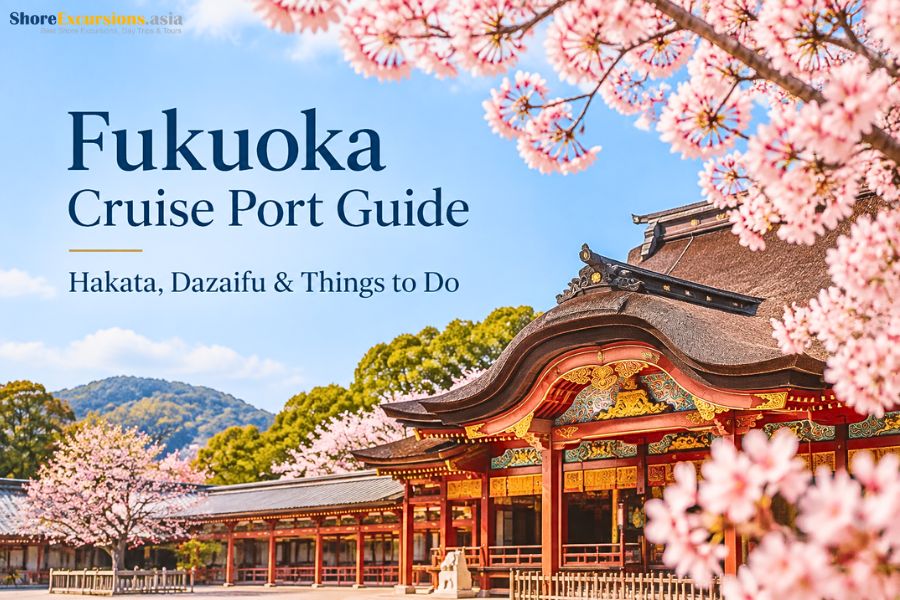
Located on Japan’s Kyushu Island, Fukuoka offers cruise passengers an ideal introduction to southern Japan with a combination of modern city life, traditional temples, regional cuisine and historic cultural sites.
As one of Kyushu’s most important gateways, Fukuoka provides an excellent balance between convenience and authentic Japanese experiences. Unlike ports where major attractions require long transfers, many of Fukuoka’s highlights are easily accessible from the cruise terminal, making it a comfortable destination for travelers with limited port time.
From the historic streets of Hakata and the famous Dazaifu Tenmangu Shrine to peaceful gardens, local food markets and vibrant shopping districts, Fukuoka offers something for every type of cruise traveler.
This Fukuoka Cruise Port Guide by Shore Excursions Asia explains where cruise ships dock, the best things to do, recommended shore excursion routes and practical tips for planning your perfect day in Fukuoka.
If Fukuoka is included in your Japan itinerary, explore our Japan shore excursions for private and small-group experiences designed around cruise schedules.
Where Do Cruise Ships Dock in Fukuoka?
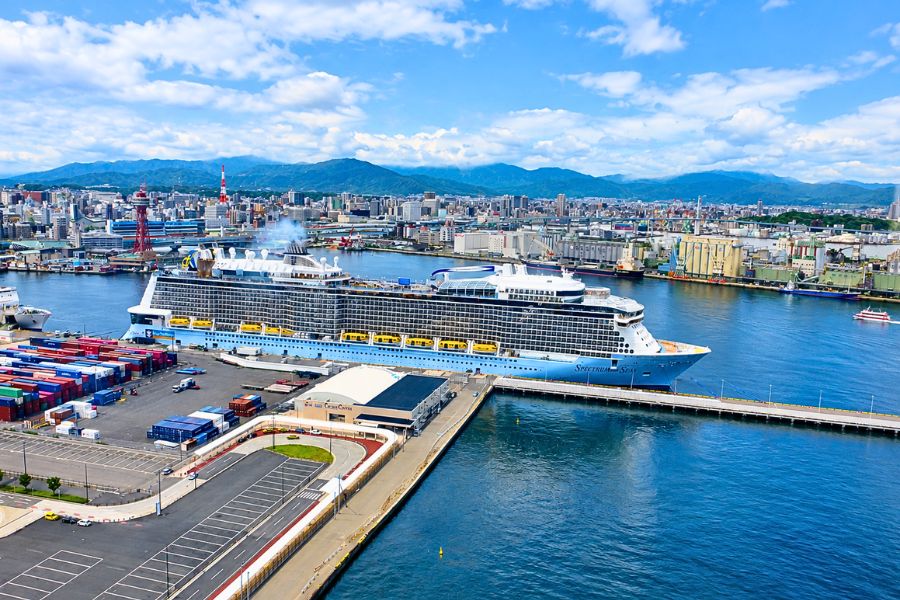
Cruise ships visiting Fukuoka usually arrive at Hakata Port, one of Japan’s busiest passenger ports.
The port is located close to central Fukuoka, which makes it one of the most convenient cruise destinations in Japan.
Approximate travel times:
- Hakata Port to Hakata Station: around 10-15 minutes;
- Hakata Port to Tenjin shopping district: around 15-20 minutes;
- Hakata Port to Dazaifu Tenmangu Shrine: around 40-60 minutes depending on traffic.
The short distances allow cruise passengers to experience both urban attractions and traditional Japanese culture within a single port day.
Why Visit Fukuoka on a Japan Cruise?
Fukuoka offers a different experience from Japan’s more famous destinations.
While Tokyo focuses on modern city life and Kyoto is known for historic temples, Fukuoka combines:
- Kyushu traditions;
- local food culture;
- historic shrines;
- modern shopping areas;
- and relaxed coastal city atmosphere.
The city is especially suitable for cruise passengers because attractions are relatively compact and the sightseeing pace can be adjusted easily.
Best Things to Do in Fukuoka From a Cruise Ship
Fukuoka offers a wide range of experiences, from ancient shrines to modern city attractions.
The most popular cruise day highlights include:
- Dazaifu Tenmangu Shrine;
- Hakata Old Town;
- Kushida Shrine;
- Ohori Park;
- Fukuoka Castle Ruins;
- Canal City Hakata;
- Fukuoka Tower;
- and local food experiences.
Dazaifu Tenmangu Shrine: Fukuoka’s Most Famous Cultural Attraction
Dazaifu Tenmangu is one of the most important shrines in Kyushu and one of the most popular cultural attractions near Fukuoka.
The shrine is dedicated to Sugawara no Michizane, a historical figure associated with scholarship and learning, making it especially popular among students and visitors seeking cultural experiences.
The approach to the shrine is part of the experience itself, with a traditional shopping street filled with:
- local sweets;
- craft shops;
- souvenirs;
- and regional snacks.
Seasonal Highlights at Dazaifu
Dazaifu is beautiful throughout the year.
Spring brings plum blossoms and cherry blossoms, while autumn creates colorful scenery around the shrine grounds.
Travelers visiting during Japan’s spring season can combine Fukuoka with our Japan in April guide.
Hakata Old Town: Discover Traditional Fukuoka
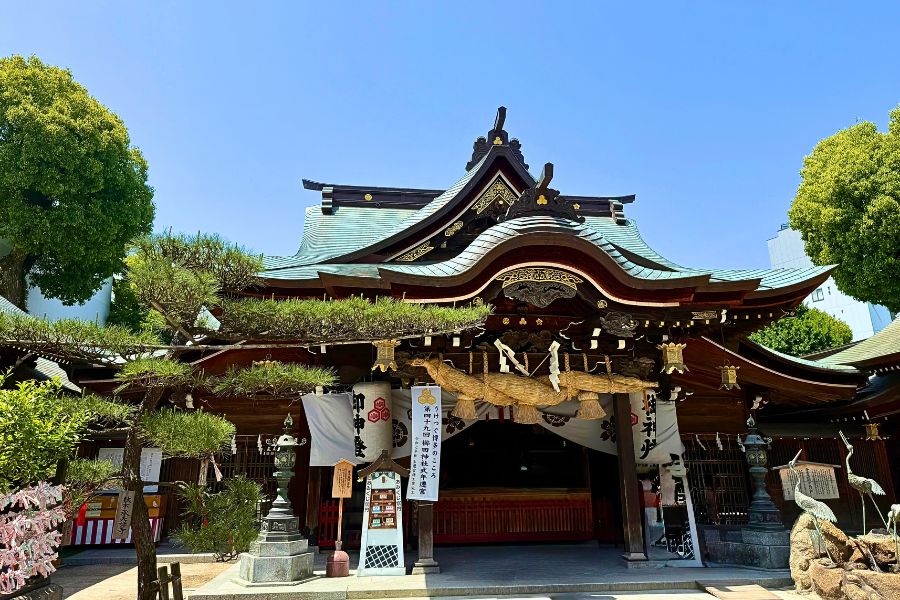
Before becoming a modern international city, Fukuoka developed around the historic Hakata area.
Today, visitors can explore a combination of temples, traditional streets and local cultural landmarks.
Highlights include:
- Kushida Shrine;
- Hakata Machiya Folk Museum;
- traditional craft shops;
- historic streets.
Hakata provides a convenient cultural experience because it is close to the port and easy to combine with other attractions.
Kushida Shrine: A Symbol of Hakata Culture
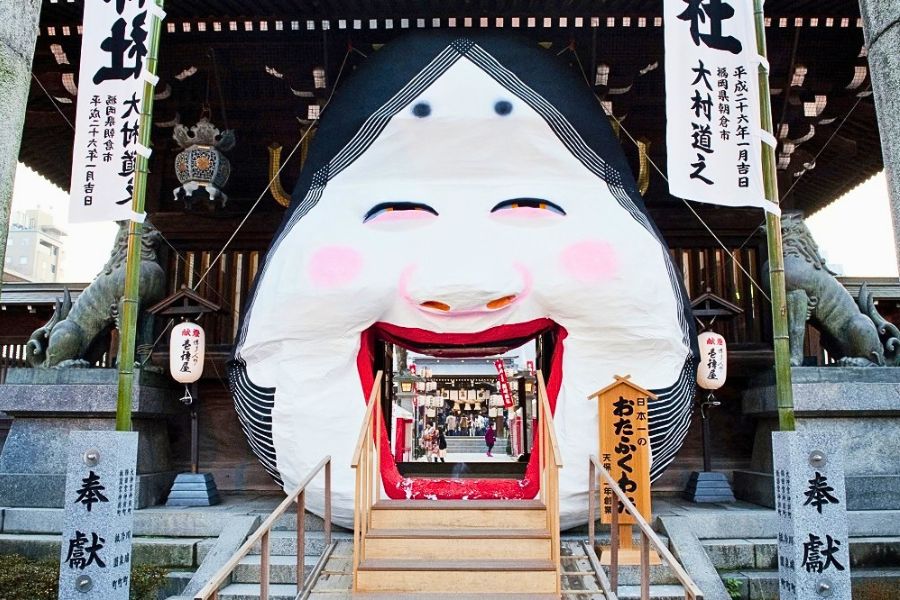
Kushida Shrine is one of Hakata’s most important religious sites.
The shrine is closely connected with the famous Hakata Gion Yamakasa festival, one of Japan’s most celebrated traditional festivals.
Visitors can experience:
- traditional architecture;
- festival decorations;
- local history;
- and a peaceful atmosphere in the middle of the city.
Ohori Park and Fukuoka Castle Ruins
For travelers looking for a relaxed sightseeing experience, Ohori Park is one of Fukuoka’s best options.
The large pond, walking paths and gardens create a peaceful contrast with the surrounding city.
Nearby, the Fukuoka Castle Ruins provide a glimpse into the city’s samurai history.
This combination works particularly well for senior travelers because it offers:
- scenic walking areas;
- historic interest;
- flexible pacing.
Canal City Hakata: Shopping and Modern Fukuoka
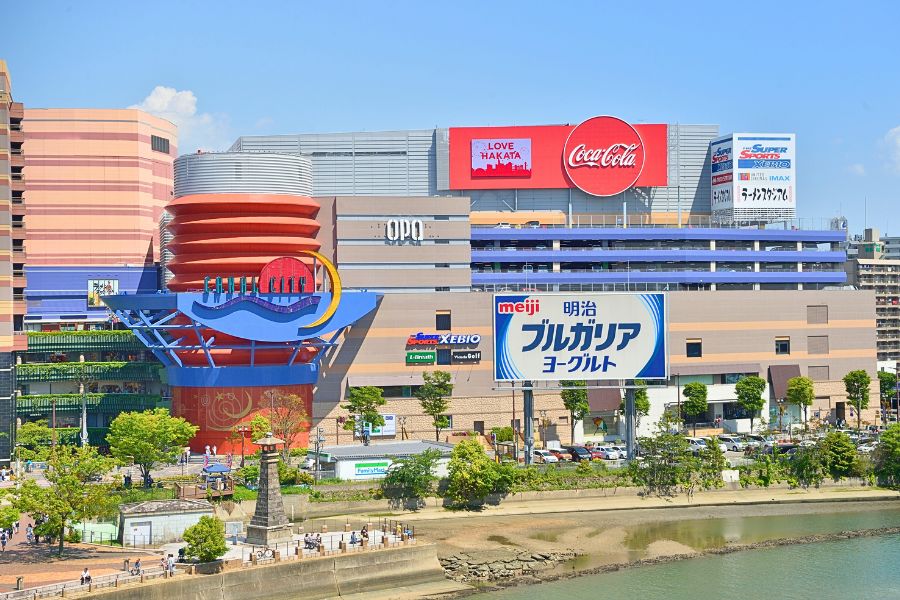
Canal City Hakata is one of Fukuoka’s most recognizable modern landmarks.
This large shopping and entertainment complex includes:
- restaurants;
- shops;
- cafes;
- entertainment facilities.
It is a practical stop for cruise passengers looking for souvenirs, local products or a comfortable break during sightseeing.
Fukuoka Food Experience: Discover Kyushu Cuisine
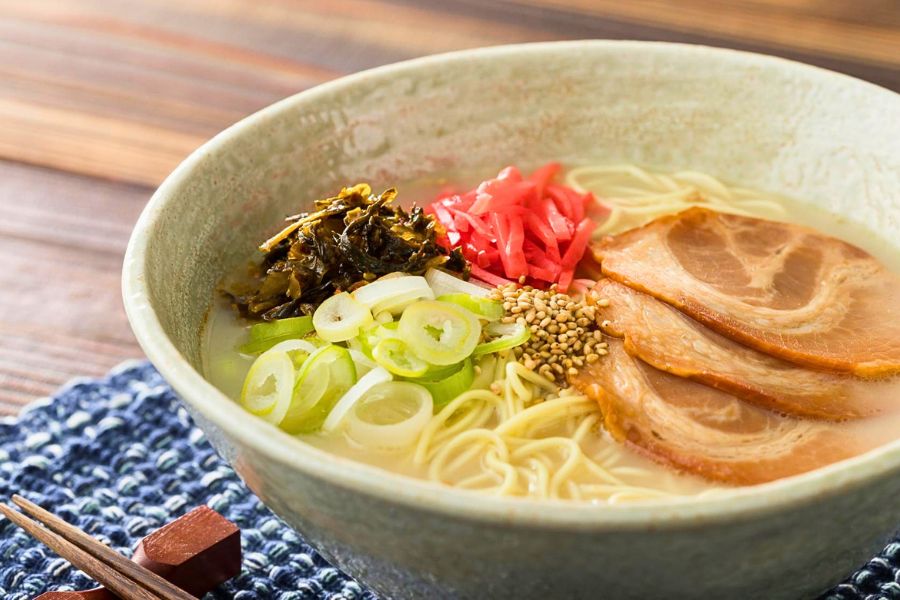
Food is one of the biggest reasons travelers enjoy Fukuoka.
The city is famous throughout Japan for its local specialties.
Popular dishes include:
- Hakata ramen;
- mentaiko (spicy cod roe);
- fresh seafood;
- mizutaki hot pot;
- and yatai street food.
The famous yatai food stalls along the streets of Fukuoka represent one of the city’s most unique culinary traditions.
Fukuoka Cruise Port Itinerary Ideas
The best Fukuoka shore excursion depends on your arrival time and travel preferences.
Because the city is compact, passengers can combine cultural attractions, gardens and food experiences without excessive driving.
Fukuoka Shore Excursion for 6 Hours
A six-hour port call is enough for a relaxed introduction to the city.
Recommended itinerary:
- Hakata Old Town;
- Kushida Shrine;
- Ohori Park;
- Fukuoka Castle Ruins;
- Canal City Hakata;
- return to port.
This route is ideal for passengers who prefer minimal travel time and a comfortable sightseeing pace.
Fukuoka Shore Excursion for 8 Hours
An eight-hour port call allows visitors to add Fukuoka’s most famous cultural attraction.
Recommended itinerary:
- Dazaifu Tenmangu Shrine;
- traditional shopping street;
- Hakata Old Town;
- Ohori Park;
- local lunch.
This is the most balanced option for first-time visitors.
Fukuoka Shore Excursion for 10 Hours
Longer port calls provide opportunities to explore beyond central Fukuoka.
Possible additions include:
- Yanagawa canal town;
- Kyushu countryside;
- additional cultural sites around Dazaifu.
A longer itinerary allows travelers to experience more of Kyushu’s traditional atmosphere.
Fukuoka by Season: When Is the Best Time to Visit?
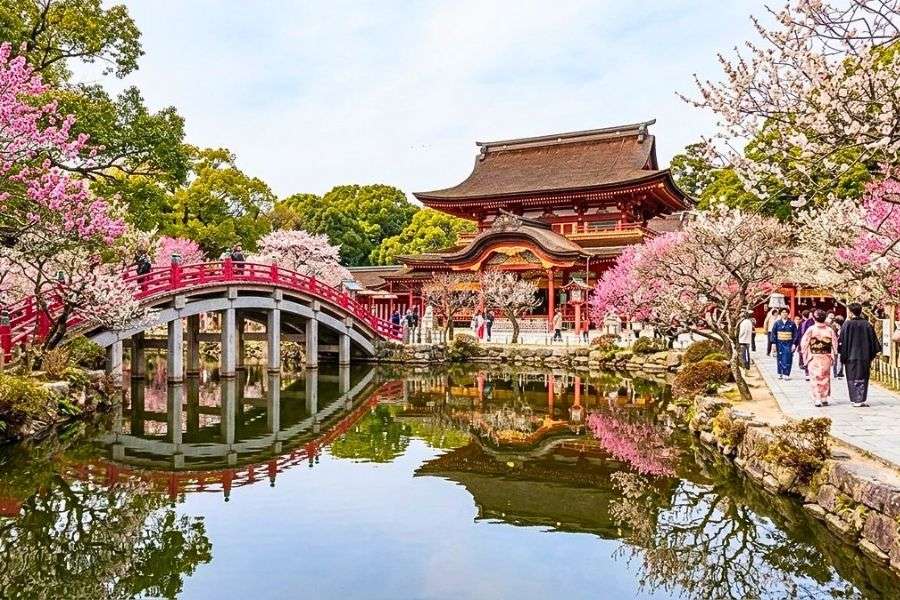
Fukuoka is a year-round cruise destination, with each season offering a different atmosphere.
Thanks to its location in southern Japan, the city generally enjoys a milder climate compared with many northern destinations, making it comfortable for sightseeing throughout the year.
Fukuoka in Spring: Cherry Blossoms and Pleasant Weather
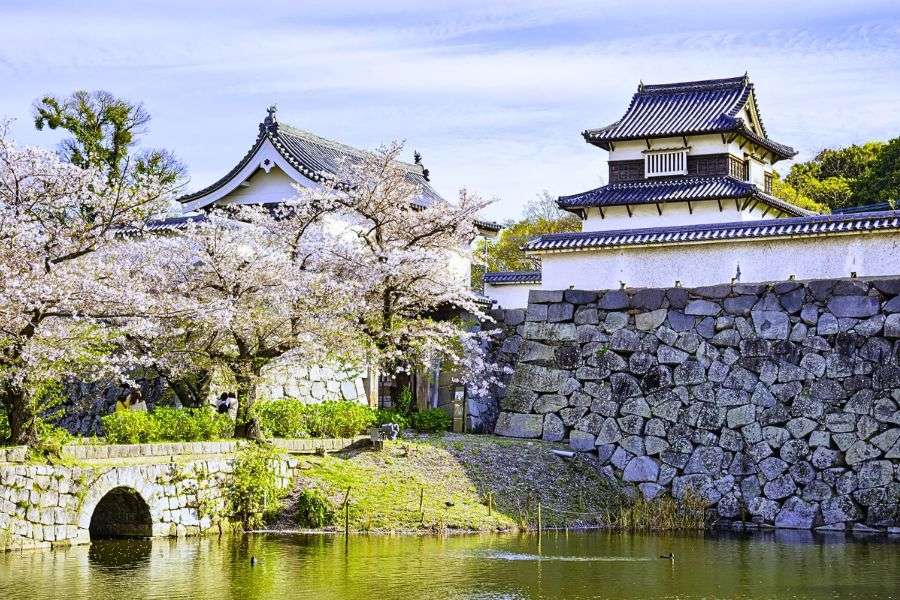
Spring is one of the most popular seasons to visit Fukuoka.
The combination of comfortable temperatures, blooming flowers and historic attractions creates an ideal environment for walking tours.
Popular spring spots include:
- Maizuru Park near Fukuoka Castle Ruins;
- Ohori Park;
- Dazaifu Tenmangu;
- temples and gardens throughout the city.
For cruise passengers visiting during spring, Fukuoka offers a good balance between cherry blossom viewing and cultural sightseeing.
Unlike destinations where the entire experience depends on peak bloom timing, attractions such as Dazaifu Tenmangu, Hakata Old Town and Fukuoka’s food culture remain rewarding throughout the season.
Travelers planning a spring Japan itinerary can combine Fukuoka with our Japan in April guide.
Fukuoka in Summer: Festivals, Food and Coastal Experiences
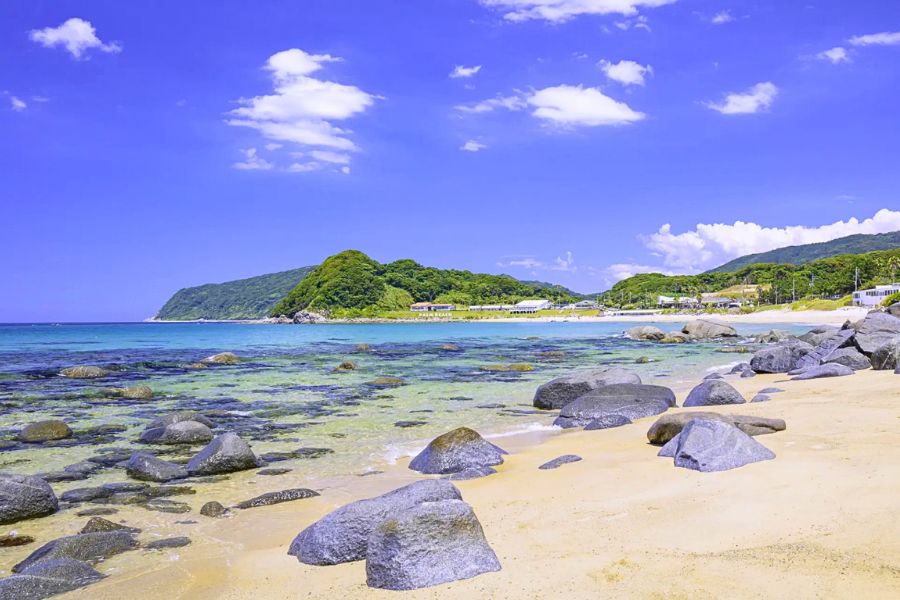
Summer brings warmer temperatures and a lively atmosphere to Fukuoka.
The city becomes especially interesting for visitors who want to experience local traditions and festivals.
Highlights include:
- Hakata Gion Yamakasa Festival;
- evening yatai food stalls;
- coastal viewpoints;
- fresh seafood experiences.
Although summer can be humid, cruise passengers can still enjoy a comfortable itinerary by combining indoor attractions, shaded gardens and shorter walking routes.
Fukuoka in Autumn: Comfortable Weather and Seasonal Scenery
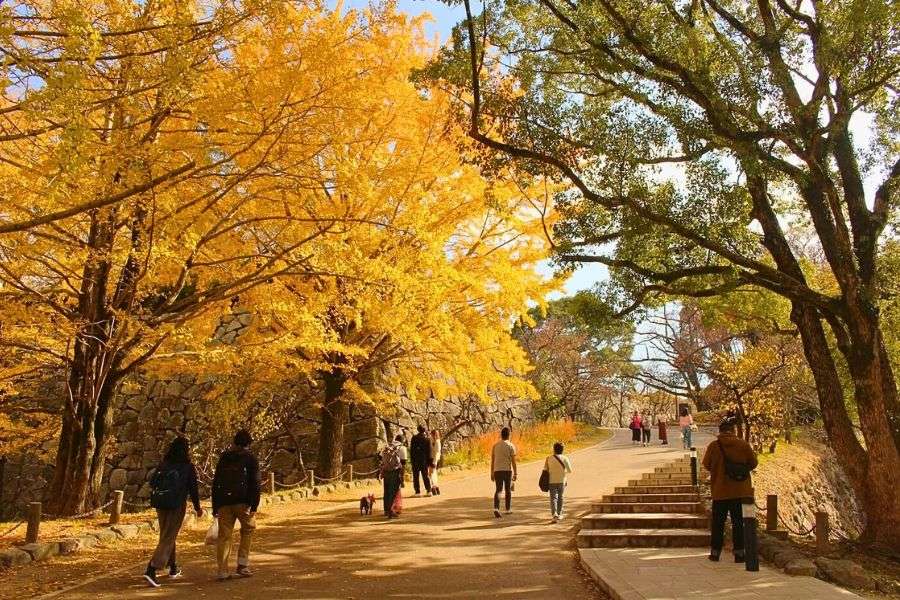
Autumn is one of the best seasons for exploring Fukuoka on foot.
Cooler temperatures make city walks more enjoyable, while parks, temples and mountain areas begin showing seasonal colors.
Recommended autumn experiences include:
- Dazaifu Tenmangu Shrine;
- Aburayama mountain area;
- parks and gardens around Fukuoka;
- nearby countryside destinations.
For travelers interested in Japan’s autumn colors, Fukuoka can be combined with our Japan autumn foliage guide.
Fukuoka in Winter: Food, Culture and Mild Weather
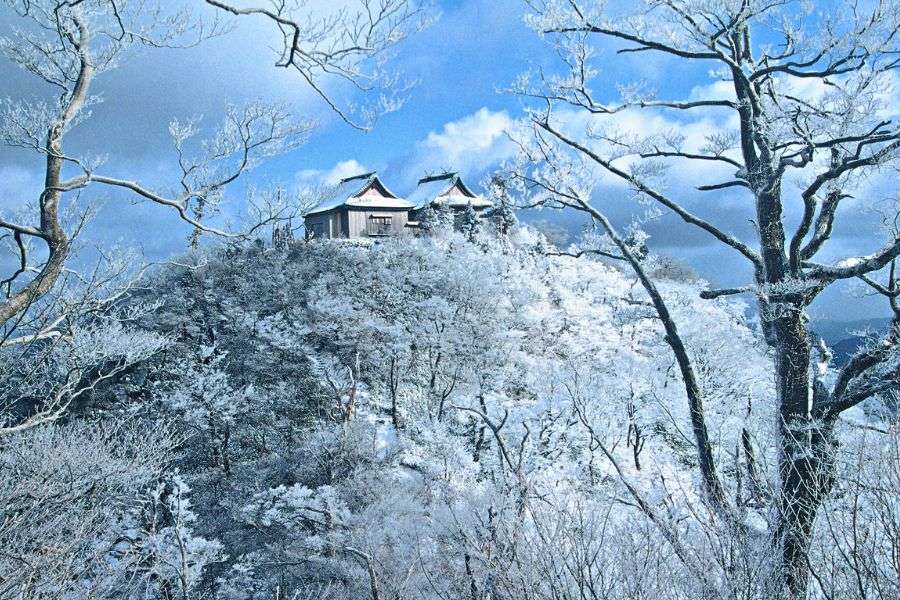
Winter is an excellent time to experience Fukuoka’s food culture.
Cooler weather makes local specialties such as Hakata ramen, hot pot dishes and warm street food especially enjoyable.
Compared with northern Japan destinations, Fukuoka offers a relatively mild winter, making it comfortable for sightseeing.
Winter visitors can focus on:
- Hakata Old Town;
- shrines and temples;
- shopping districts;
- local cuisine.
Fukuoka vs Nagasaki: Which Cruise Port Should You Visit?
Fukuoka and Nagasaki are both major Kyushu cruise destinations, but they offer very different experiences.
| Fukuoka | Nagasaki |
|---|---|
| Modern Kyushu gateway | Historic international trading port |
| Hakata culture and food | Peace history and global heritage |
| Dazaifu Tenmangu | Peace Memorial Park |
| Shopping and city sightseeing | Glover Garden and European-style heritage |
| Easy urban exploration | More historical storytelling |
Neither destination replaces the other.
Fukuoka is ideal for travelers who want a convenient combination of food, culture and city exploration, while Nagasaki is better suited for those interested in history and unique international influences.
Fukuoka Cruise Port for Senior Travelers
Fukuoka is one of the more senior-friendly cruise destinations in Japan.
The city’s advantages include:
- short transfer times;
- flat urban areas;
- many accessible attractions;
- flexible sightseeing options.
Recommended senior-friendly experiences include:
- Ohori Park;
- Fukuoka Castle Ruins viewpoints;
- Dazaifu Tenmangu;
- Canal City Hakata;
- traditional food experiences.
Things to Consider
Dazaifu involves walking along a traditional approach street and shrine grounds.
Visitors with mobility concerns may prefer a slower itinerary focusing on fewer locations rather than attempting every major attraction.
Fukuoka’s compact layout makes it easy to adjust the pace based on individual needs.
Practical Tips for Visiting Fukuoka From a Cruise Ship
1. Use the Port’s Convenient Location
One of Fukuoka’s biggest advantages is that Hakata Port is close to the city.
This means passengers can spend more time sightseeing and less time sitting in traffic.
2. Choose Between City and Culture
Fukuoka offers two main sightseeing styles:
- city experience: shopping, food and modern attractions;
- cultural experience: shrines, temples and historic districts.
The best itinerary depends on your interests.
3. Consider Traffic When Visiting Dazaifu
Dazaifu Tenmangu is one of Fukuoka’s most popular attractions.
During weekends and holidays, traffic and visitor numbers can increase significantly.
Allow enough buffer time before returning to the ship.
4. Try Local Cuisine
Food is a major part of the Fukuoka experience.
Do not leave without trying local specialties such as:
- Hakata ramen;
- mentaiko;
- seafood dishes;
- mikan products from Kyushu.
5. Keep Your Return Time Conservative
Even though Fukuoka is convenient, cruise passengers should always plan to return well before all-aboard time.
A comfortable itinerary is more valuable than adding one extra attraction at the risk of rushing.
Fukuoka Cruise Port Frequently Asked Questions
Where do cruise ships dock in Fukuoka?
Cruise ships visiting Fukuoka usually dock at Hakata Port, located close to central Fukuoka.
Is Hakata Port close to Fukuoka city?
Yes. Hakata Port is relatively close to major areas such as Hakata Station and Tenjin, making Fukuoka one of Japan’s most convenient cruise ports.
What are the best things to do in Fukuoka from a cruise ship?
The most popular attractions include Dazaifu Tenmangu Shrine, Hakata Old Town, Kushida Shrine, Ohori Park, Fukuoka Castle Ruins and local food experiences.
Is Dazaifu Tenmangu worth visiting from a cruise port?
Yes. Dazaifu provides one of the best opportunities to experience traditional Japan near Fukuoka. It is especially suitable for travelers interested in history, shrines and local culture.
How long do you need in Fukuoka?
A six- to eight-hour port call is generally enough to experience the main highlights. Longer visits allow additional countryside or cultural destinations.
Is Fukuoka suitable for senior travelers?
Yes. The city offers convenient transportation, accessible attractions and flexible sightseeing options suitable for a comfortable cruise day.
What is Fukuoka famous for?
Fukuoka is famous for Hakata ramen, Dazaifu Tenmangu, Hakata culture, yatai food stalls and its role as the gateway to Kyushu.
What is the difference between Fukuoka and Hakata?
Fukuoka is the modern city name, while Hakata is the historic district and one of the city’s most important cultural areas. Hakata is also commonly associated with the cruise port area.
Can I visit Kyoto from Fukuoka cruise port?
Kyoto is too far from Fukuoka for a typical cruise day. Travelers should focus on Kyushu attractions such as Fukuoka, Dazaifu, or nearby destinations.
Does Fukuoka have cherry blossoms?
Yes. Parks and historic areas such as Maizuru Park and Dazaifu Tenmangu are popular spring destinations.
Does Fukuoka have autumn leaves?
Yes. Temples, gardens and surrounding mountain areas offer seasonal foliage, especially during late autumn.
Plan Your Fukuoka Shore Excursion
Fukuoka is one of Japan’s most rewarding cruise ports because it combines convenience with authentic Kyushu experiences.
From the traditional streets of Hakata and the peaceful atmosphere of Dazaifu Tenmangu to the city’s famous food culture, Fukuoka offers a balanced introduction to southern Japan.
Whether you are visiting for the first time or returning to explore beyond Tokyo and Kyoto, Fukuoka provides a comfortable and memorable port experience.
Explore all Japan shore excursions with Shore Excursions Asia, or create your own private itinerary based on your cruise schedule and interests.


 Contact Us via Messenger
 Send Inquiry