
For many cruise passengers, the holiday begins several days before embarkation. At Shore Excursions Asia, we often help guests arrange the days surrounding their cruise, including airport transfers, hotel stays, private sightseeing and transportation to or from the cruise terminal. A good hotel can make these days comfortable and enjoyable, while the wrong choice can add unnecessary transfers, long walks and last-minute concerns.
This becomes even more important after a long international flight, when an easy hotel location, straightforward transfer and comfortable arrival can make a significant difference to the start of your cruise holiday.
For guests who prefer to have these arrangements coordinated together, our Pre & Post Cruise Tours in Asia combine private sightseeing with airport, hotel and cruise port transfers around your ship schedule. If you plan to arrange your own hotel, the following are 12 common mistakes worth avoiding.
1. Booking a Hotel Too Late
Flights and cruise cabins usually receive the most attention when a holiday is first booked, while the hotel before or after the cruise is left until later. This can significantly reduce your options, particularly when several ships are using the same port or when your sailing falls during a busy holiday or travel period.
Booking earlier gives you a better choice of room types, bed configurations and hotel locations. It can also be important for guests who need a walk-in shower, elevator access, twin beds, connecting rooms or a room closer to the lobby.
Book for Comfort, Not Just Availability
A hotel room may still be available close to departure, but it may not be the room that best suits you. For a short cruise stay, the goal should be a comfortable night in a practical location, not simply finding somewhere that still has vacancies.
If your plans are confirmed, it is sensible to begin researching the hotel soon after your flights and cruise dates are fixed.
2. Choosing the Cheapest Hotel Without Checking the Location
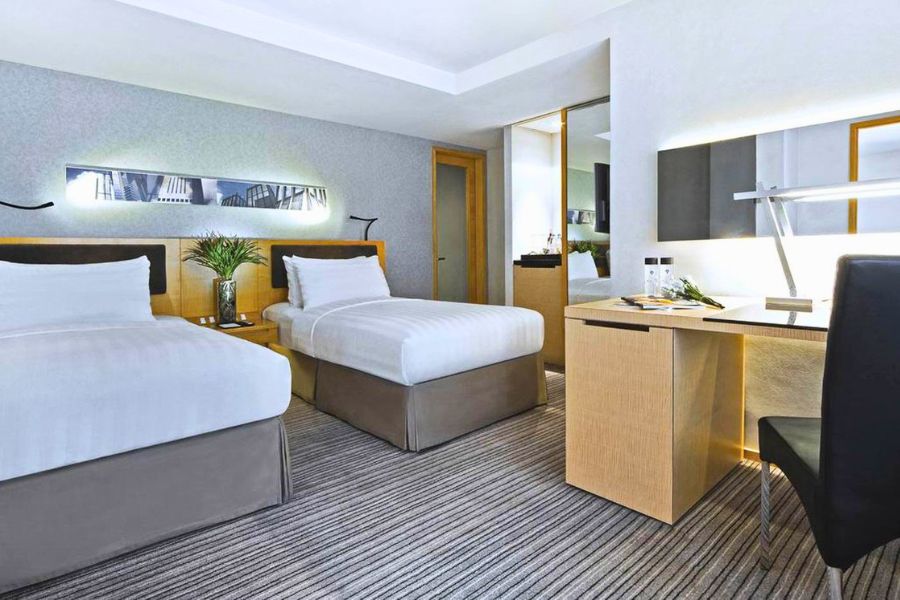
A lower room rate does not always mean a lower total cost. A hotel outside the most convenient area may require additional taxi rides, longer transfers and an earlier start on embarkation morning.
Before comparing room rates, look at the location of your airport, hotel and exact cruise terminal. These three places can be surprisingly far apart in major Asian cities.
Tokyo is a good example. International passengers may arrive at Narita or Haneda Airport, stay in central Tokyo and later need to reach a cruise terminal in Tokyo or Yokohama. A hotel should therefore be selected with the complete transfer plan in mind. Guests adding sightseeing before or after a sailing can also consider a Tokyo Pre or Post Cruise Tour that coordinates private touring with airport and port transportation.
Check Driving Time, Not Only Distance
A map may show that two places are relatively close, but actual driving time can be very different during morning traffic or busy city periods. Check realistic road travel times and allow additional time on embarkation day.
3. Assuming “Near the Cruise Port” Means Convenient
This is one of the easiest mistakes to make when reading hotel descriptions. A property may advertise itself as being close to the cruise port, but large ports can have several terminals in different locations.
Some terminals are also inside commercial port areas where walking is difficult or prohibited. A hotel that appears to be just a short distance from the ship may still require a taxi or private transfer.
Before booking, confirm the terminal used by your cruise line and check the normal driving time from the hotel to that specific terminal.
Port Location Matters More in Some Cities
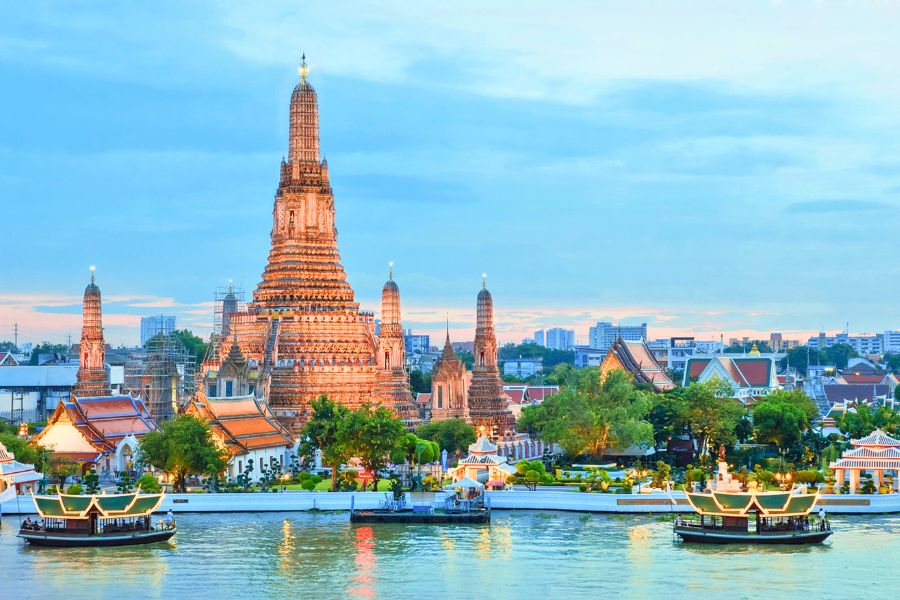
Bangkok illustrates this particularly well. Most major cruise ships use Laem Chabang, which is outside central Bangkok. Staying in Bangkok gives you much better access to the city's temples, restaurants and attractions, but it also means that transportation to the ship needs to be carefully planned.
Our Bangkok Pre or Post Cruise Tour, for example, connects Bangkok Airport, sightseeing, hotel accommodation and Laem Chabang Port within the same private arrangement. It is a useful example of why choosing a hotel should be considered together with port transportation rather than as a separate decision.
4. Relying on a Hotel Cruise Shuttle Without Checking the Details
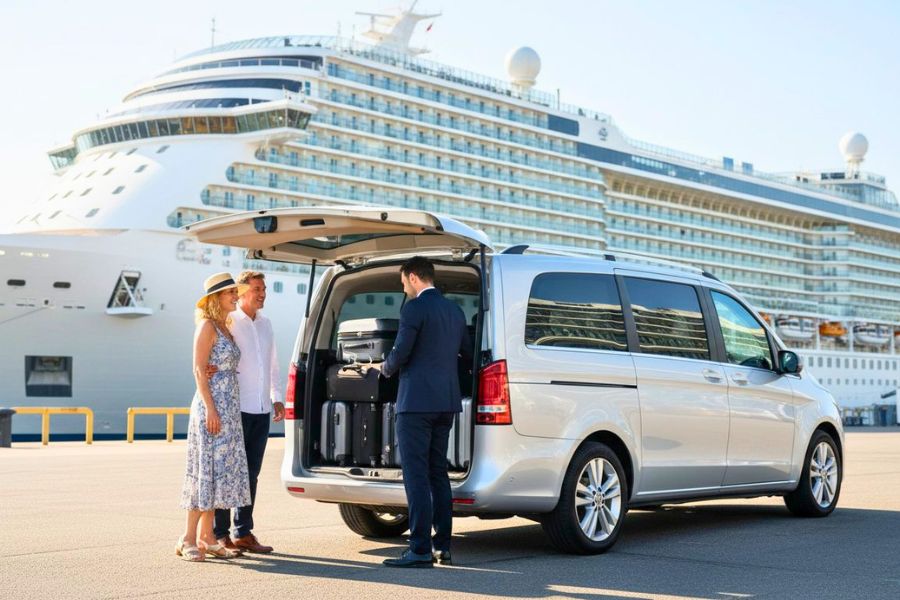
The words “cruise shuttle” can make a hotel sound like an easy choice, but the service may operate differently from what you expect.
Some hotel shuttles leave only once or twice each morning. Seats may need to be reserved in advance, and there may be restrictions on luggage. A shuttle may also serve only certain terminals or cruise lines.
Before confirming the hotel, ask where the shuttle drops passengers, how often it operates and how much luggage is allowed. If you prefer to leave at a time that suits your own ship schedule, a private transfer can provide more flexibility.
Shared Shuttle or Private Transfer
A shared shuttle can be convenient for travelers with a simple schedule. A private vehicle may be more suitable for couples, families and small groups carrying several cruise cases, or for guests who prefer not to wait for other hotel passengers.
The important point is to decide before arrival rather than assuming transportation can easily be arranged on embarkation morning.
5. Forgetting to Plan the Airport, Hotel and Cruise Port Together
Many travelers make three separate reservations: one transfer from the airport, one hotel booking and another transfer to the cruise terminal. Each arrangement can work perfectly on its own, but the connections between them sometimes create unnecessary waiting and repeated luggage handling.
It is often easier to look at the entire period before your cruise as one coordinated plan. Consider your flight arrival time, expected hotel check-in time, sightseeing plans and the time you need to reach the ship.
This becomes even more useful when the embarkation city is also somewhere you would like to explore.
Use Your Pre Cruise Days Efficiently
A well-paced stay might include airport pick-up and rest on the arrival day, a full sightseeing day after a good night's sleep, followed by private transportation to the cruise terminal on embarkation day.
In Japan's Kansai region, for example, guests can arrive at Kansai International Airport, stay in Osaka, visit Kyoto and then continue to Kobe for embarkation. Our Kobe Pre or Post Cruise Tour follows this type of arrangement, allowing the sightseeing and transfer schedule to work around the sailing rather than treating each service separately.
6. Paying Too Little Attention to Luggage
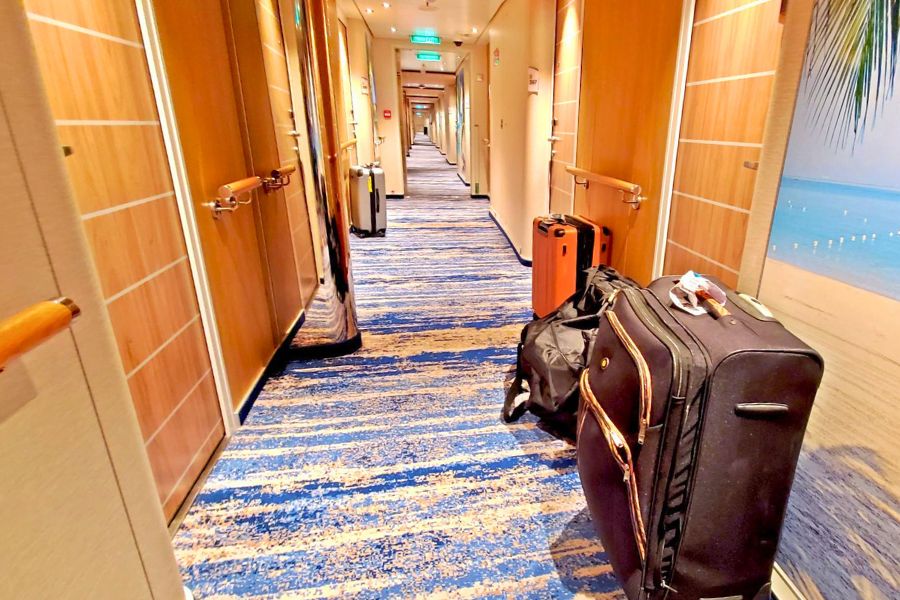
Cruise passengers often travel with considerably more luggage than someone taking a short city break. A hotel that is perfectly suitable for a weekend stay may feel much less convenient when you arrive with two large suitcases, carry-on bags and personal items.
Check that the hotel has an elevator and that a taxi or private vehicle can stop close to the entrance. It is also useful to confirm luggage storage if you expect to arrive before the official check-in time or leave several hours after check-out.
Post Cruise Luggage Needs Extra Planning
Luggage can be particularly inconvenient after disembarkation. Cruise passengers often leave the ship in the morning, while hotel rooms may not be ready until mid-afternoon.
If you plan to sightsee during those hours, arrange your luggage in advance. Depending on the city, this might mean hotel storage, a luggage service or keeping the cases in a private touring vehicle.
This simple detail can make the difference between enjoying your final day and spending several hours moving bags from one place to another.
7. Ignoring Mobility and Accessibility
A hotel described as being “within walking distance” may not be equally convenient for every traveler. Ten minutes on a flat pavement is very different from ten minutes involving stairs, steep streets, uneven surfaces or busy road crossings.
For older cruise passengers and guests with knee, hip or back discomfort, look carefully at the area surrounding the hotel. Convenient taxi access can sometimes be more useful than being a few blocks closer to a tourist attraction.
The room itself should also suit your needs. If bathroom access is important, confirm the actual configuration instead of relying only on a general room description. A walk-in shower may be much easier to use than a shower positioned above a bathtub.
Ask the Hotel Specific Questions
Hotel staff can usually provide much more useful information when the question is specific. Instead of asking if a property is “accessible,” ask about the entrance, elevator, bathroom, steps and distance from the lobby to the room.
These details are particularly valuable after a long international flight or a full day of sightseeing.
8. Choosing a Hotel With Inconvenient Dining
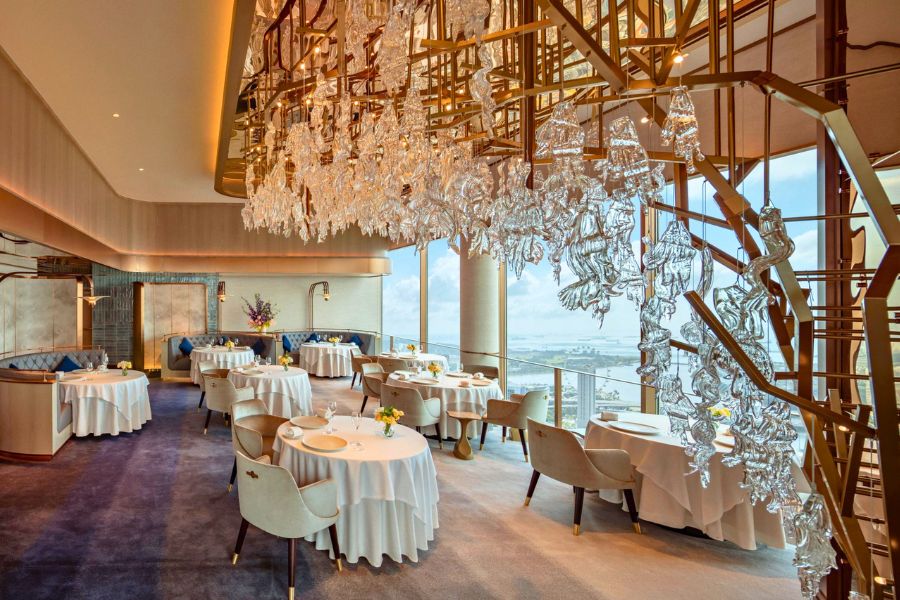
Dining can be easy to overlook when choosing a hotel, but it often becomes important on the first evening.
After a long flight and a time-zone change, many travelers prefer a simple dinner close to their room. A hotel with an onsite restaurant, room service or several reliable restaurants nearby can make the arrival evening much easier.
Check restaurant opening hours before arrival. Some hotel restaurants close earlier than expected, have limited service on certain days or require reservations.
Keep the First Evening Simple
There is little benefit in filling every hour immediately after a long-haul flight. A comfortable meal, time to unpack and a good night's sleep can leave you in a much better position to enjoy sightseeing the following morning.
For many guests, this is more valuable than adding another attraction to an already tiring travel day.
9. Looking Only at the Advertised Room Rate
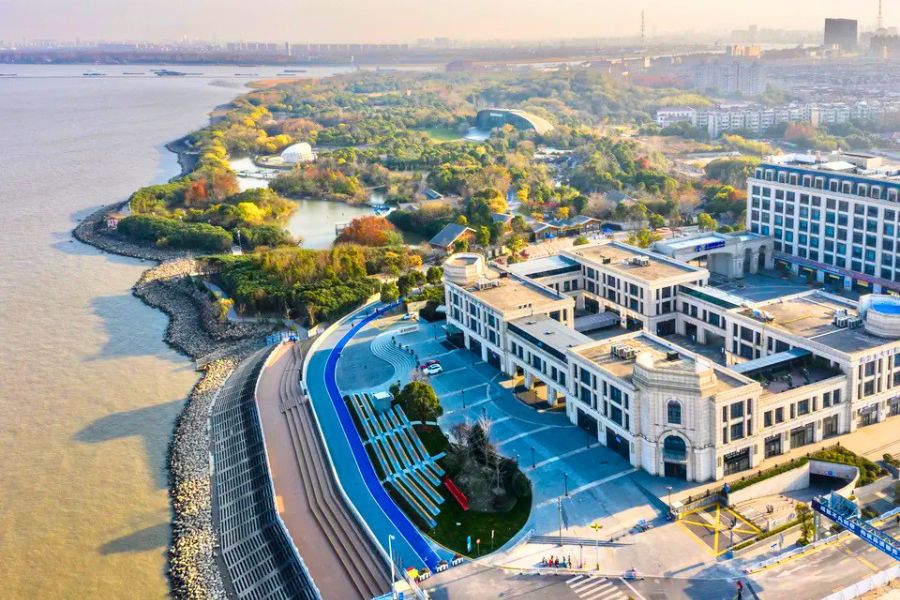
When comparing hotels, always look at the final cost of the stay rather than the first rate shown in search results.
Taxes, service charges, breakfast, local fees, additional guest charges and transportation can all change the real price. A slightly more expensive hotel may offer better value if breakfast is included and the location reduces the need for additional taxis.
This matters even more when the hotel is being used for only one night before embarkation. Extensive resort facilities have limited value if you arrive late in the afternoon and leave for the ship the next morning.
Pay for What You Will Actually Use
For a short cruise stay, practical features often matter more than a long list of hotel amenities. A comfortable room, reliable breakfast, good access for luggage and straightforward transportation can provide more value than facilities you will not have time to use.
10. Booking a Non Refundable Rate Too Quickly
Non refundable rates can be tempting because they are often cheaper, but cruise holidays involve several bookings that depend on each other.
International flights can change, cruise schedules can be adjusted and personal circumstances may affect travel plans. Before choosing the lowest rate, compare the saving with the amount you could lose if the booking has to be changed.
A flexible cancellation policy can be particularly worthwhile when the hotel is booked many months ahead.
Read the Cancellation Deadline Carefully
Check the exact date and local time by which the room can be cancelled without penalty. Keep this information with your other cruise documents so it is easy to find if your plans change.
Paying slightly more for flexibility can sometimes be a sensible part of planning a major international holiday.
11. Planning Too Much Sightseeing Before Embarkation
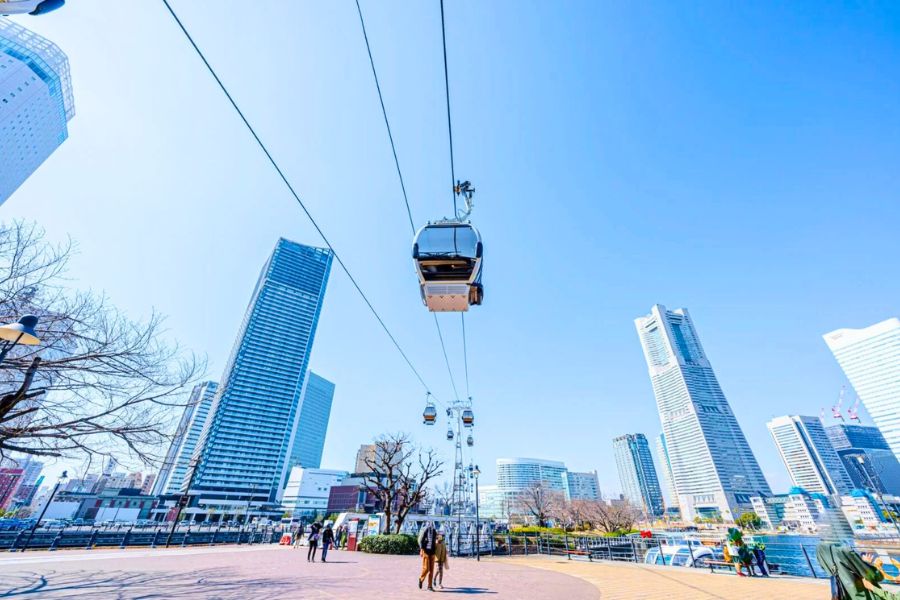
Arriving before the cruise is an excellent opportunity to explore the departure city, but there is no need to fill every available hour.
Guests arriving from North America, the UK or Australia may be dealing with a substantial time difference in addition to a long flight. Immigration, baggage collection and the transfer into the city can make the arrival day longer than expected.
For many travelers, a light first day followed by sightseeing after a full night's rest is much more enjoyable.
Let Embarkation Time Set the Pace
On the day the ship departs, sightseeing should be secondary to reaching the cruise terminal comfortably. Plan backwards from the ship's check-in time and allow additional time for traffic, port entry, luggage unloading and terminal procedures.
If a sightseeing stop creates a tight schedule, save it for another day. Starting the cruise relaxed is usually more valuable than fitting in one final attraction.
12. Treating a Post Cruise Stay Like a Pre Cruise Stay
The practical priorities change once the cruise has finished. Before embarkation, the main goal is reaching the ship comfortably and on time. After disembarkation, the main questions are usually luggage, hotel check-in and the timing of your return flight.
A late flight can leave many useful hours after leaving the ship. Instead of going directly to the airport or waiting in a hotel lobby, those hours can sometimes be used for a private city tour, lunch or another local experience.
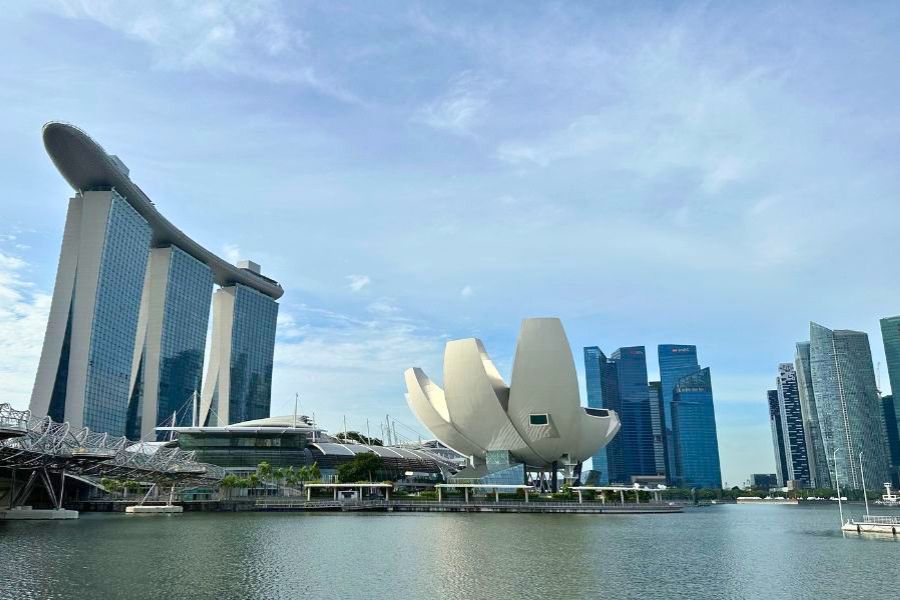
Singapore works particularly well for this type of arrangement because a shorter extension can connect sightseeing with the cruise terminal and Changi Airport. Our Singapore Pre or Post Cruise Tour is designed for guests who want to make use of a shorter stay before embarkation or after leaving the ship.
Plan Around Your Flight Time
If your flight departs in the evening, ask how much sightseeing is realistic while still allowing enough time for airport check-in. If you are staying overnight, consider storing luggage with your hotel or arranging a vehicle that can remain with your bags during the tour.
With a little advance planning, the final day does not have to feel like a day spent waiting for transportation.
How Many Nights Should You Stay Before a Cruise?
For international travelers, arriving in the embarkation city on the same day as the cruise leaves little room for flight disruption or baggage delays. Staying at least one night before departure provides additional time and generally creates a calmer start to the holiday.
Two or three nights can be worthwhile for long-haul travelers who would like time to adjust to the local time zone and explore the city before boarding. More time can also help guests who prefer a slower pace or do not want to combine a full sightseeing day with embarkation.
One Night Before the Cruise
One night is suitable when the main purpose is to arrive early, rest and reach the ship the following day. In this case, hotel location and easy transportation should be the main priorities.
Two or Three Nights Before the Cruise
A longer stay makes more sense when the departure city is an important part of your holiday. Tokyo, Bangkok, Seoul, Taipei, Hong Kong and other major Asian cities offer far more than can comfortably be seen between an international flight and embarkation.
Adding extra nights allows sightseeing to be spread across shorter, more comfortable days.
What Should You Check Before Booking a Pre or Post Cruise Hotel?
Before confirming a hotel, take a final look at the complete plan. Check the actual driving time to your cruise terminal, airport transfer arrangements, luggage storage, elevator access, bathroom configuration, breakfast and dinner options, cancellation terms and the time you need to leave for the ship.
For a post cruise hotel, also check the official check-in time and decide where your luggage will stay after disembarkation.
You do not need the most luxurious property in the city. You need a hotel that makes the days around your cruise easier.
Make Your Pre or Post Cruise Stay Part of the Holiday
A hotel before or after a cruise should be more than somewhere to sleep between two transfers. With the right location and sensible timing, those extra days can give you time to recover from a long flight, explore a city properly and begin or finish your cruise at a comfortable pace.
If you prefer not to coordinate hotels, private guides, sightseeing and transfers separately, explore our Pre & Post Cruise Tours in Asia. Each itinerary can be adjusted around your cruise ship, sailing date, flight schedule, party size and preferred pace.
Good planning does not mean adding more to the schedule. It means removing the parts that create unnecessary pressure, so you can spend more of your time enjoying the destination.


 Send Inquiry