
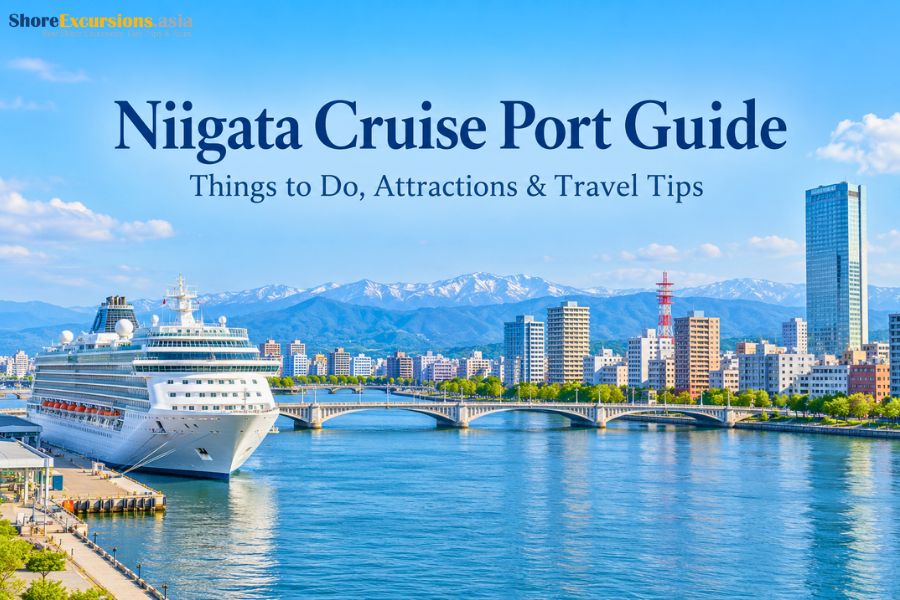
Niigata offers cruise passengers a different side of Japan, combining sake and rice culture, historic port-city traditions, fresh seafood, traditional shrines and access to the distinctive landscapes of Sado Island.
Located on the Sea of Japan coast, Niigata is one of Japan's major regional gateways. It is less associated with the country's classic first-time destinations than Tokyo, Kyoto or Osaka, but that is part of its appeal. A day in Niigata can focus on local culture and cuisine rather than crowded international tourist landmarks.
The city is particularly known for its relationship with rice and sake, while nearby destinations such as Yahiko and Shibata offer traditional architecture, gardens, shrines and castle-town history. Sado Island adds another dimension, with its gold-mining heritage, coastal scenery and distinctive island culture.
This Niigata Cruise Port Guide from Shore Excursions Asia explains where cruise ships may dock, what you can realistically see during a port call, the best things to do in Niigata, when Sado Island makes sense, and how to build a comfortable cruise-day itinerary.
If Niigata is part of your Japan cruise itinerary, browse our Japan shore excursions for private and small-group experiences planned around your ship's schedule.
Where Do Cruise Ships Dock in Niigata?
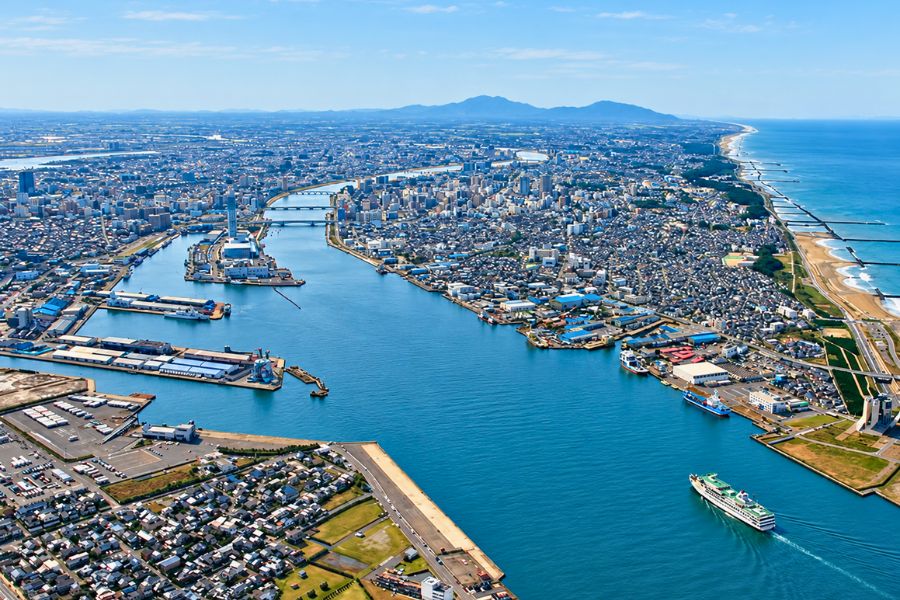
Niigata is unusual because cruise ships can use different areas of the port rather than a single universal cruise terminal.
The Port of Niigata is divided into West Port and East Port, and official cruise information lists several possible berths for cruise calls.
This means passengers should always check the confirmed berth for their specific ship and sailing date before planning transportation.
The distinction matters because the travel time into central Niigata can vary depending on where your ship docks.
- West Port: closer to central Niigata and the Toki Messe area.
- East Port: farther from central Niigata and potentially requiring more transfer time.
- Exact berth: should be confirmed against the cruise schedule rather than assumed from the name "Niigata Port."
For cruise passengers, this is one of the most important practical details to understand before booking an excursion.
How Far Is Niigata Port From the City?
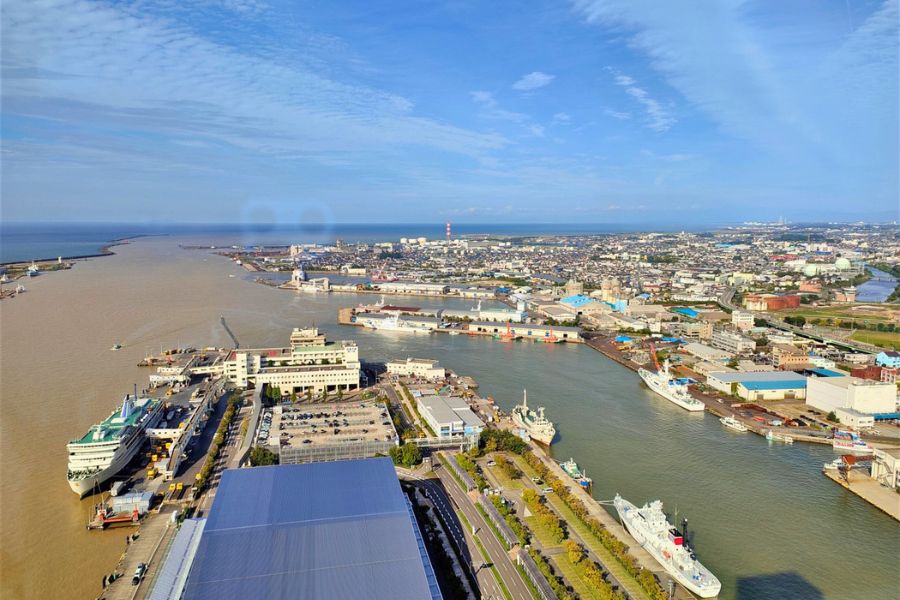
The distance depends on the berth used by your ship.
Official access information places JR Niigata Station approximately 15 minutes by car from the West Port area, while the East Port area can take around 40 minutes by car from the station.
Road conditions and the actual cruise berth can affect these times, so a private shore excursion should always build a reasonable buffer into the schedule.
Niigata's city attractions are therefore much more practical when the itinerary is planned around the confirmed docking location rather than simply using a generic "Niigata Port to city" travel time.
Why Visit Niigata on a Japan Cruise?
Niigata is not primarily about ticking off Japan's most famous landmarks.
Its appeal comes from experiencing a region where food, water, agriculture, trade and traditional culture are closely connected.
A Niigata cruise day can introduce travelers to:
- Japanese sake and rice culture;
- historic port-city traditions;
- traditional geisha culture in Furumachi;
- fresh seafood from the Sea of Japan;
- Japanese gardens and historic residences;
- Shinto traditions at Yahiko Shrine;
- castle-town heritage around Shibata;
- and the unique history of Sado Island.
This makes Niigata particularly interesting for travelers who have already visited Japan's major tourist cities and want to experience a less conventional regional destination.
Best Things to Do in Niigata From a Cruise Ship
The right Niigata shore excursion depends on your port time and interests.
For a standard cruise call, the most practical choices are concentrated around Niigata City and nearby inland destinations. Longer port calls can open up more ambitious routes.
Popular experiences include:
- Ponshukan and Niigata's sake culture;
- Furumachi historic district;
- Bandai Bridge;
- Pier Bandai seafood market;
- Yahiko Shrine;
- Shibata Castle and Shimizuen;
- Niigata's traditional gardens and cultural sites;
- and Sado Island for suitably long and carefully timed visits.
Ponshukan: Discover Niigata's Sake Culture
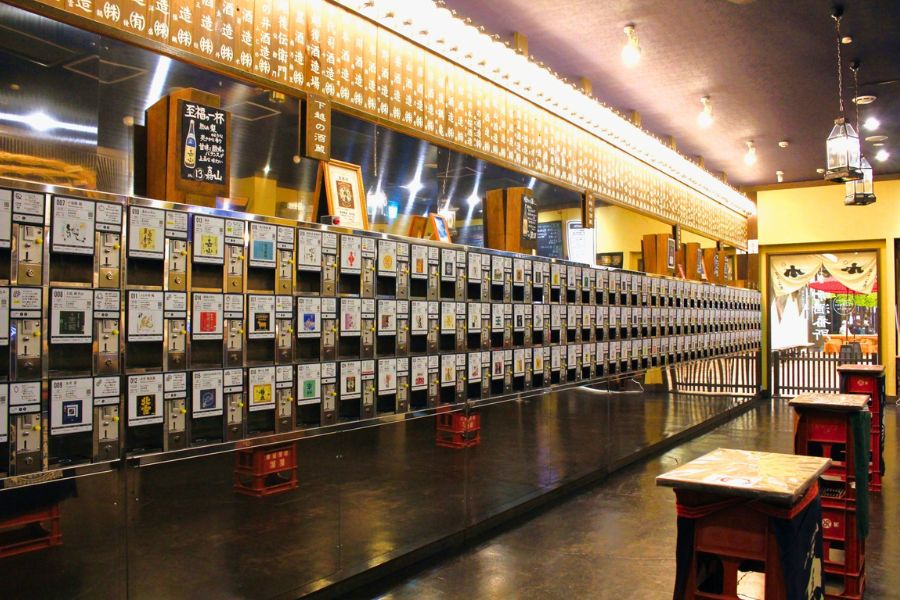
Niigata is one of Japan's most important sake-producing regions, and Ponshukan provides one of the easiest introductions to that culture for visitors.
The Niigata branch of Ponshukan is located near Niigata Station and features sake tasting from breweries across the prefecture.
Visitors can sample a wide variety of local sake in one place rather than traveling to individual breweries throughout the region.
For cruise passengers, this makes Ponshukan particularly practical when combined with a city sightseeing itinerary.
What Makes Niigata Sake Special?
Niigata's sake culture is closely connected with the region's rice-growing traditions and abundant water.
The prefecture is particularly famous for high-quality rice, including Koshihikari, and for a large number of local breweries.
The experience is not only about drinking sake. It provides an introduction to the agricultural and culinary culture that has shaped Niigata for generations.
For adult travelers, a sake-focused excursion can be combined with:
- local seafood;
- rice-based cuisine;
- traditional neighborhoods;
- and historic brewery districts.
Travelers who do not drink alcohol can still visit the surrounding food and cultural attractions, while any alcohol tasting should of course be limited to guests of legal drinking age.
Furumachi: Niigata's Historic Port-City Culture
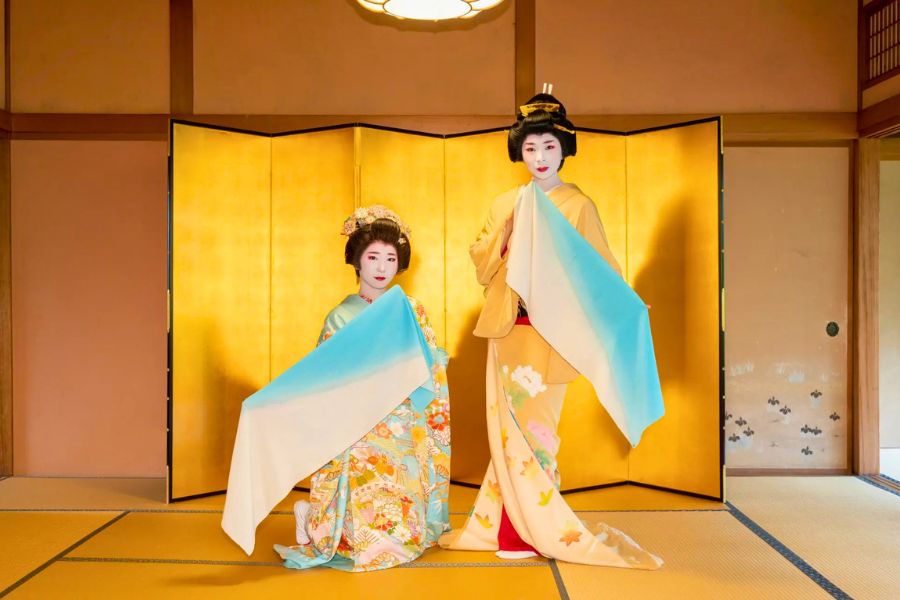
Furumachi is one of the most distinctive cultural areas in central Niigata.
The district developed alongside Niigata's history as an important port and commercial center on the Sea of Japan.
Furumachi is particularly associated with geigi, Niigata's traditional geisha culture, as well as refined Japanese dining and historic entertainment traditions.
The area offers a different perspective from the temple-heavy sightseeing found in Kyoto.
Instead of focusing primarily on monumental architecture, Furumachi helps visitors understand the social and commercial culture that developed around a historic Japanese port.
Why Include Furumachi in a Cruise Excursion?
Furumachi works particularly well for passengers who want:
- traditional Japanese culture;
- historic streets;
- local food;
- geigi heritage;
- and an experience closely connected to Niigata itself.
Because it is within the city, Furumachi can also be combined with Bandai Bridge, Pier Bandai or other central attractions.
Bandai Bridge: A Niigata Landmark
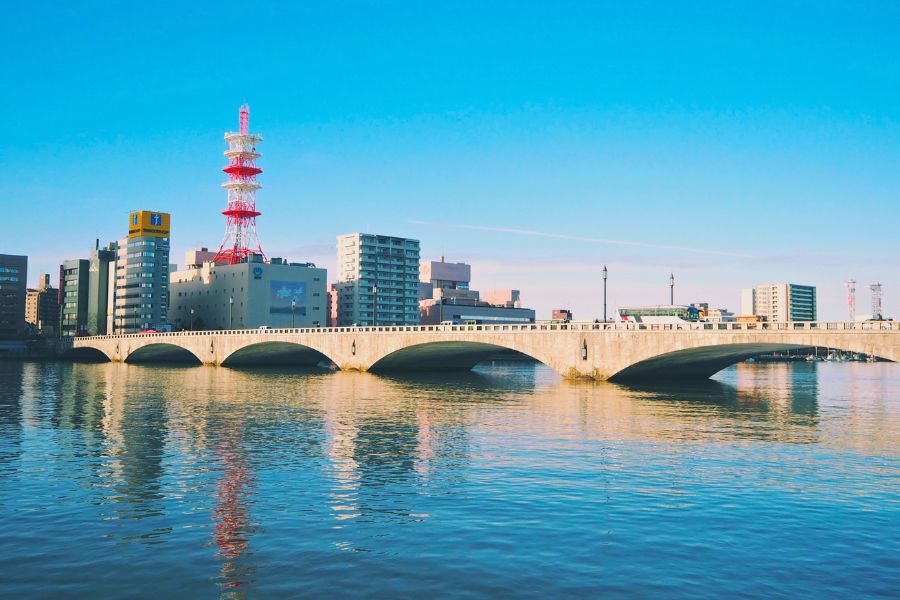
Bandai Bridge is one of Niigata's most recognizable landmarks.
The current bridge was completed in 1929 and spans the Shinano River with a series of distinctive stone arches.
It has been designated an Important Cultural Property of Japan and is closely associated with the development of modern Niigata.
The bridge is particularly easy to include in a city sightseeing itinerary because it is close to central attractions and offers views of the Shinano River and surrounding city.
Best Way to Experience Bandai Bridge
Bandai Bridge works best as part of a wider city route rather than as a standalone destination.
A practical combination could include:
- Bandai Bridge;
- Furumachi;
- Pier Bandai;
- and Niigata Station or Ponshukan.
This creates a relaxed city-focused shore excursion without requiring long-distance transfers.
Pier Bandai: Seafood and Local Specialties
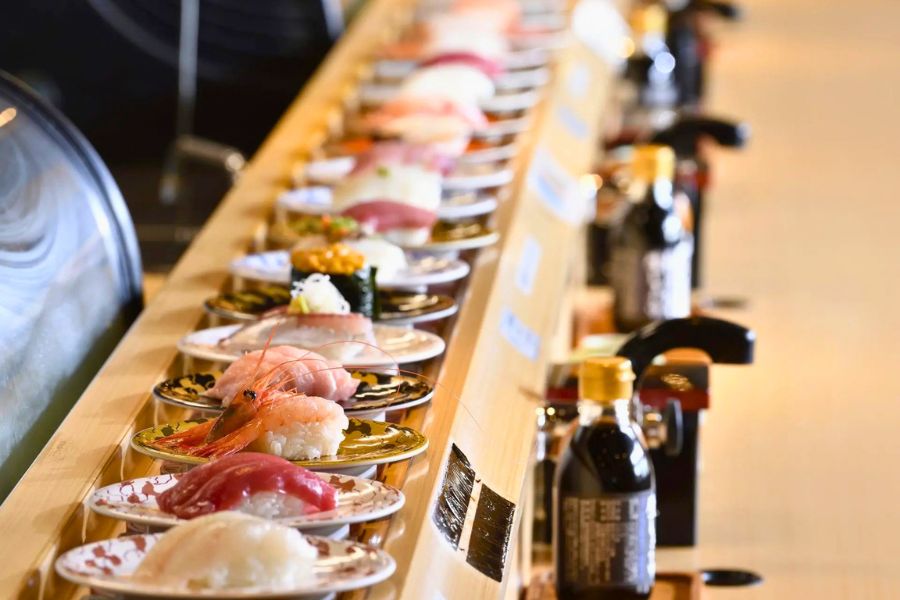
For travelers who want to experience Niigata through food, Pier Bandai is one of the most convenient stops.
This large waterfront market brings together seafood, local produce, rice, sake, meat, souvenirs and restaurants.
Visitors can find fresh seafood from the Sea of Japan as well as local specialties from Niigata Prefecture.
Restaurants in the complex include sushi and seafood options, making it an easy place to build a local lunch into a cruise-day itinerary.
What to Try at Pier Bandai
- fresh local sushi;
- seafood rice bowls;
- seasonal fish;
- Niigata rice products;
- local sake;
- regional snacks and souvenirs.
Pier Bandai is especially useful when travelers want a food-focused excursion without spending most of the day traveling outside Niigata City.
Yahiko Shrine: Traditional Japan Near Niigata
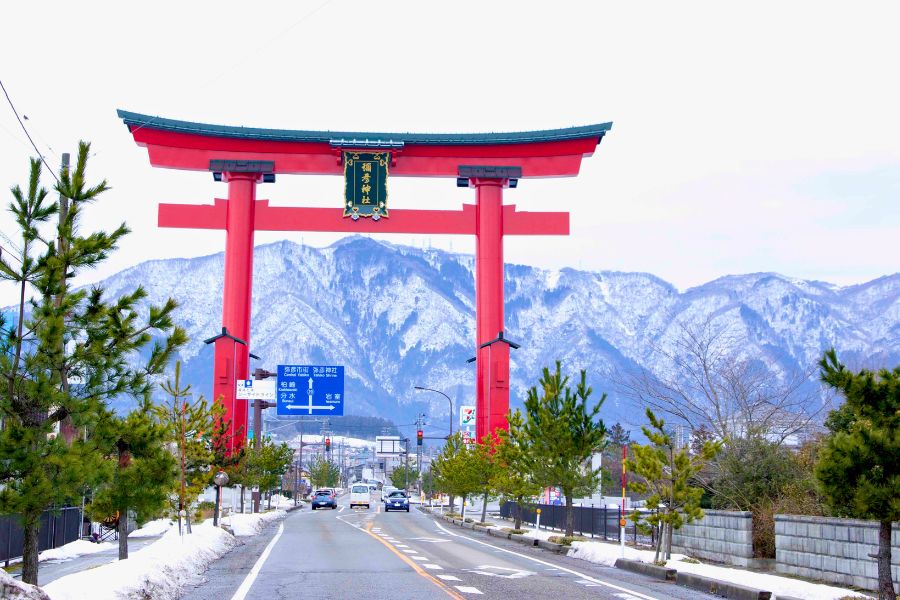
For travelers who want a stronger traditional Japanese atmosphere, Yahiko Shrine is one of the most interesting excursions from Niigata.
Located at the foot of Mount Yahiko, the shrine has been an important spiritual destination for centuries and is one of the most prominent shrines in Niigata Prefecture.
The surrounding Yahiko area combines:
- Shinto culture;
- mountain scenery;
- traditional streets;
- seasonal flowers;
- and hot spring culture.
Yahiko in Spring
Spring is particularly attractive around Yahiko.
The area has numerous varieties of cherry trees, with blossoms appearing across a longer period than in a single-bloom destination.
This can make Yahiko an interesting alternative for cruise passengers whose arrival does not perfectly coincide with peak cherry blossoms in Tokyo or Kyoto.
For broader spring planning, see our Japan in April guide.
Yahiko in Autumn
Autumn brings a different atmosphere, with mountain scenery and seasonal foliage surrounding the shrine area.
Travelers interested in Japan's fall colors can connect a Yahiko excursion with our Japan autumn foliage guide.
Shibata Castle and Shimizuen
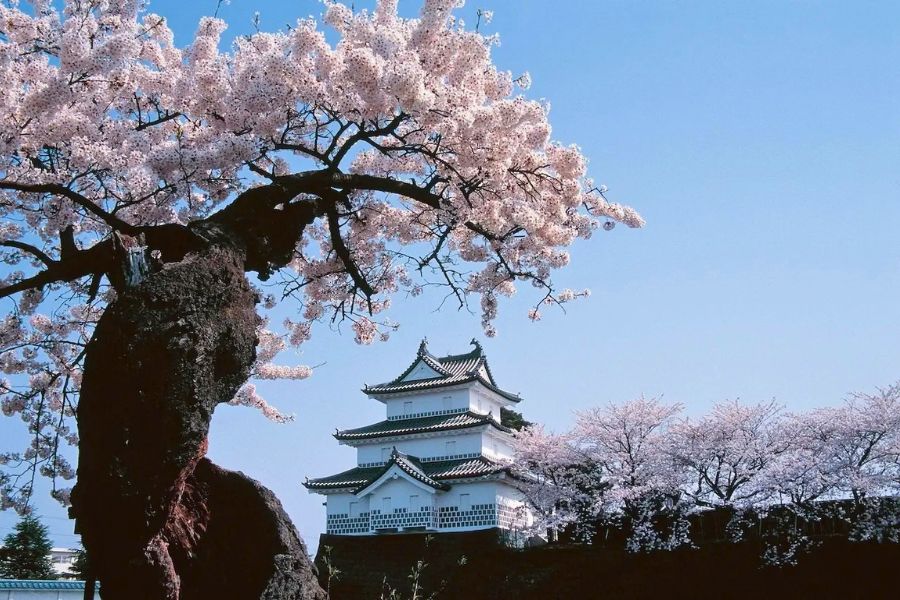
Travelers who prefer historic Japan can head inland toward Shibata, a former castle town with samurai-era heritage.
Shibata Castle is recognized as one of Japan's 100 Best Castles and is designated a National Important Cultural Property.
The castle is particularly distinctive for its unusual roof design and black-and-white exterior details.
Nearby Shimizuen provides a contrasting experience with a traditional Japanese landscape garden associated with the former Shibata domain.
The combination creates a strong half-day cultural excursion:
- castle history;
- Japanese garden design;
- samurai-era heritage;
- and local sake culture.
Shore Excursions Asia already offers a Niigata experience combining Shibata Castle, a traditional garden and local cultural stops. You can view the Niigata Highlights Tour or the Niigata - Land of Old Culture itinerary.
Sado Island: Is It Possible From Niigata Cruise Port?
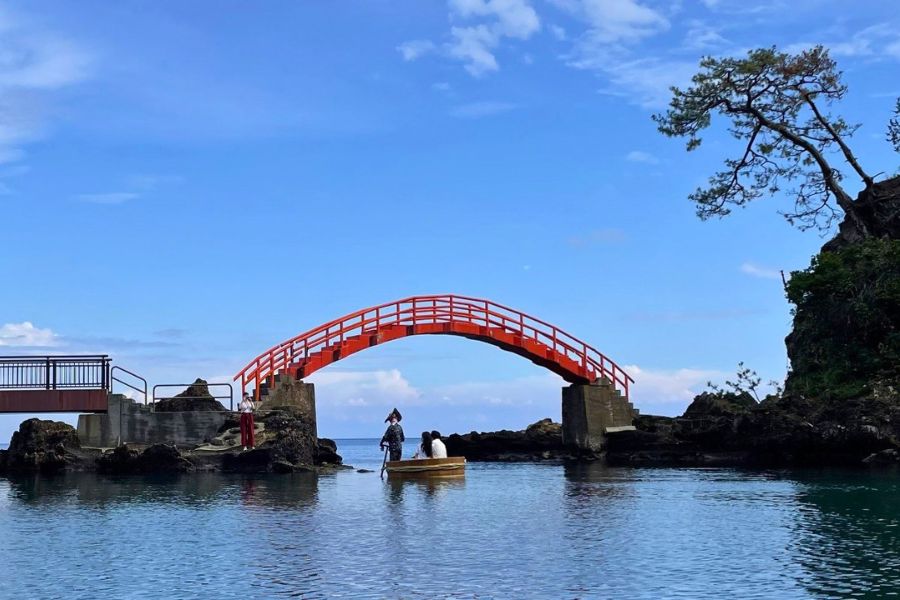
Sado Island is one of the most distinctive destinations associated with Niigata, but it needs to be treated differently from a normal city excursion.
The island is reached from Niigata by ferry, with the fastest jetfoil service taking around 67 minutes from Niigata Port to Ryotsu Port. The car ferry takes considerably longer.
Once on Sado, additional travel is required to reach many of the island's major attractions.
For that reason, Sado Island should not automatically be added to a standard six-hour cruise excursion.
What Is Sado Island Famous For?
Sado is known for its distinctive history, island culture and natural scenery.
Major experiences include:
- Sado Island Gold Mines;
- Kitazawa Flotation Plant;
- traditional coastal settlements;
- tarai-bune tub boat experiences;
- local sake;
- and the island's traditional performing arts.
The Sado Island Gold Mines were inscribed on the UNESCO World Heritage List in 2024, adding further significance to the destination.
When Does Sado Make Sense for Cruise Passengers?
Sado is more realistic when:
- the ship has a particularly long port stay;
- the ferry schedule aligns well with the cruise schedule;
- transportation on Sado is arranged in advance;
- and sufficient buffer time is maintained for the return journey.
For many standard cruise calls, a Niigata city or mainland Niigata itinerary is more practical.
Sado can also make much more sense as a pre-cruise or post-cruise extension, when travelers are not constrained by an all-aboard time.
Sado Island or Niigata City?
| Niigata City | Sado Island |
|---|---|
| Shorter transfers | Ferry required |
| Sake and food culture | Island history and nature |
| Furumachi and Bandai Bridge | Sado Gold Mines |
| Pier Bandai seafood market | Traditional coastal villages |
| Suitable for shorter port calls | Better for longer or pre/post-cruise stays |
For a typical cruise passenger with limited time, Niigata City offers a much easier way to experience the character of the region.
Niigata Cruise Port Itinerary Ideas
The best itinerary depends on your confirmed port time and berth.
Because Niigata has several possible cruise berths, travel times should always be confirmed before finalizing the route.
Niigata Shore Excursion for 5-6 Hours
A shorter port call should stay relatively close to the city.
A practical route could include:
- Niigata Port;
- Bandai Bridge;
- Furumachi;
- Pier Bandai;
- Ponshukan;
- return to the ship.
This itinerary focuses on Niigata's strongest combination of food, history and local culture without spending most of the day on the road.
Niigata Shore Excursion for 7-8 Hours
With more time, travelers can choose between a deeper city experience and a nearby cultural excursion.
Option 1: City and Food
- Furumachi;
- Bandai Bridge;
- Pier Bandai;
- Ponshukan;
- local lunch.
Option 2: Shibata Heritage
- Shibata Castle;
- Shimizuen;
- local sake experience;
- return to Niigata Port.
The Shibata route is particularly attractive for travelers who have already experienced major Japanese cities and want a more regional view of the country.
Niigata Shore Excursion for 9+ Hours
A longer port call creates more possibilities, but the itinerary should still be built around one main region.
Potential routes include:
- Yahiko Shrine and the Yahiko area;
- Shibata Castle and Shimizuen;
- extended Niigata city and food experiences;
- or, if the ship schedule and ferry timetable genuinely allow it, a carefully planned Sado Island visit.
A long port call does not automatically make Sado practical. Ferry schedules, island transportation and the ship's departure time all need to align.
Niigata in Spring
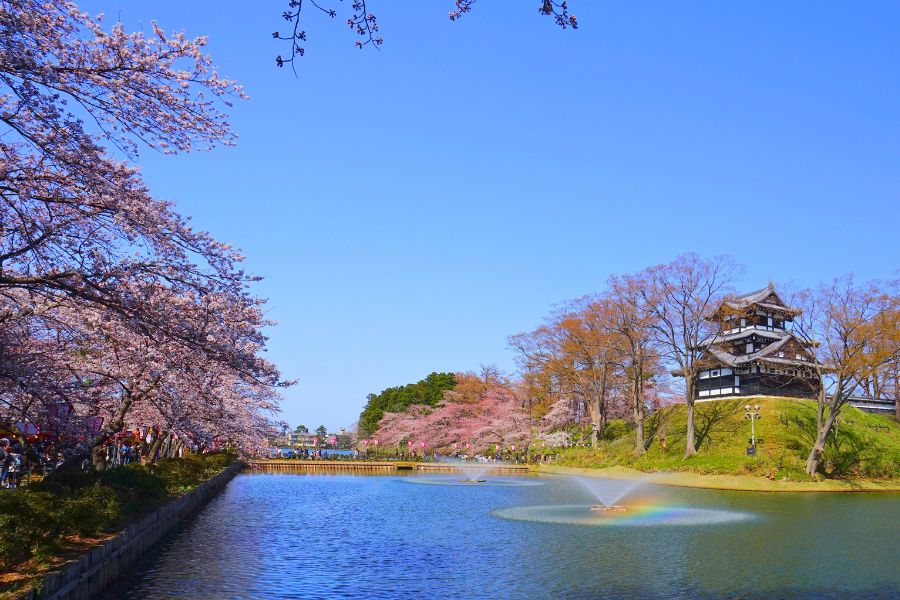
Spring is an excellent season for exploring Niigata's gardens, shrines and historic sites.
Yahiko is particularly attractive because cherry blossoms and other spring flowers appear across the area, while Shibata Castle also becomes a seasonal sightseeing destination.
Spring is also an interesting time for travelers following the cherry blossom season northward through Japan.
For a wider look at seasonal planning, read our Japan in April: Weather, Cherry Blossoms & Best Places to Visit.
Niigata in Summer
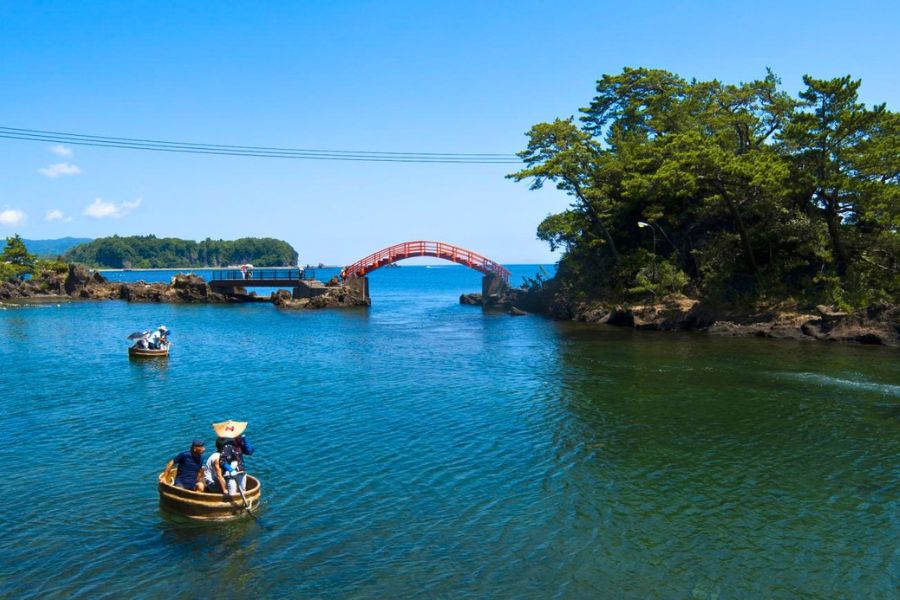
Summer brings warmer weather and longer daylight hours, making it easier to include outdoor and coastal experiences.
Travelers can combine:
- city sightseeing;
- seafood markets;
- river and waterfront scenery;
- Yahiko;
- and regional food experiences.
Because temperatures can be warm and humid, cruise passengers should avoid packing too many walking-heavy attractions into one day.
Niigata in Autumn
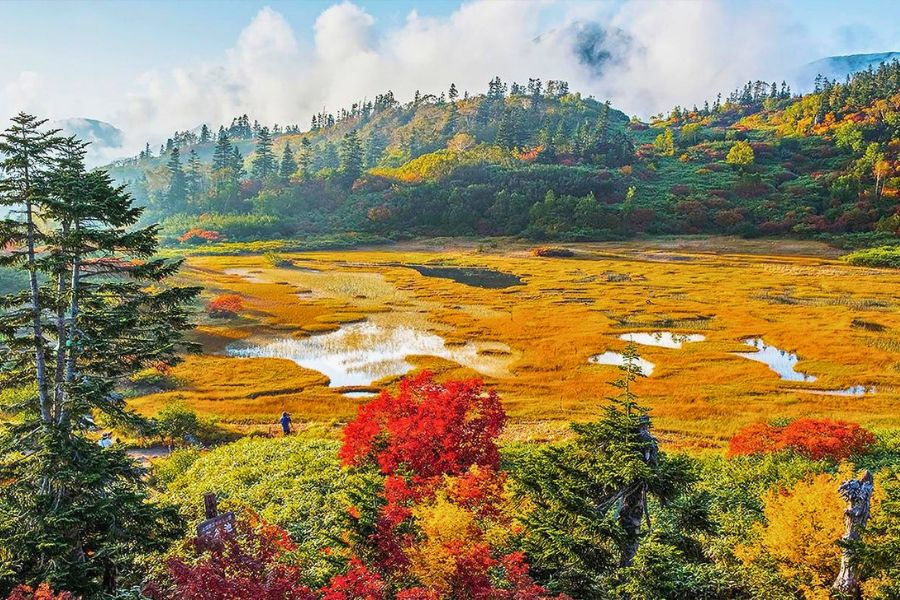
Autumn is particularly appealing for travelers interested in seasonal scenery and local food.
Mountain areas around Yahiko and other inland destinations begin changing color, while the cooler weather makes walking through historic districts more comfortable.
Shibata also works well during autumn because its castle and traditional garden provide a combination of history and seasonal scenery.
For a broader guide to Japan's autumn colors, see our Japan Fall Foliage Guide.
Niigata in Winter
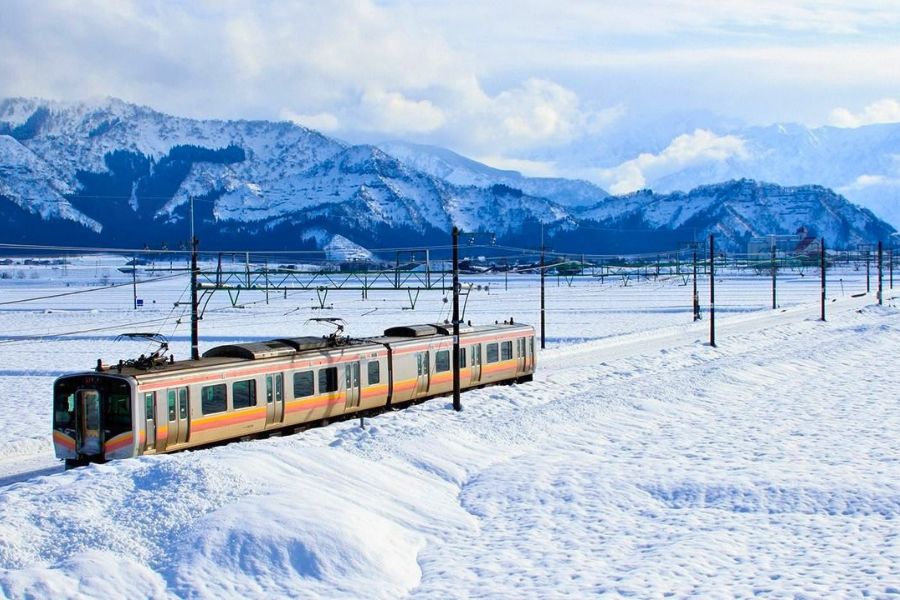
Winter gives Niigata a completely different character.
The region is known for heavy snowfall, winter food culture and landscapes shaped by the Sea of Japan climate.
For a short cruise port call, however, winter itineraries should remain relatively flexible.
Snow and road conditions can affect travel times, especially when heading inland toward Shibata, Yahiko or other destinations outside the city.
Niigata for Senior Travelers
Niigata can work very well for senior cruise travelers when the itinerary is designed around realistic transfer times and moderate walking.
Comfortable options include:
- Bandai Bridge;
- Pier Bandai;
- Furumachi;
- Ponshukan;
- Shibata Castle area;
- and selected garden visits.
Yahiko can also work well when transportation is arranged by private vehicle, allowing passengers to minimize unnecessary transfers.
What Requires More Planning?
Sado Island requires the most careful planning because of ferry schedules.
Long walking routes, multiple transfers and winter mountain travel can also be less comfortable for passengers with limited mobility.
A private vehicle and flexible itinerary can make a significant difference for groups that prefer a slower pace.
Niigata vs Toyama: Which Port Experience Is Different?
| Niigata | Toyama |
|---|---|
| Sake and rice culture | Alpine scenery |
| Furumachi and port-city history | Tateyama Kurobe Alpine Route |
| Sado Island | Kurobe Gorge |
| Seafood and local markets | Mountain landscapes |
| Yahiko and Shibata | Gokayama and traditional mountain villages |
Niigata is a strong choice for travelers interested in food, local culture and regional history, while Toyama is more focused on dramatic mountain scenery and alpine experiences.
If both ports appear on the same cruise itinerary, they can therefore provide two very different perspectives on regional Japan.
Niigata vs Sakaiminato: Two Sea of Japan Cruise Ports
Niigata and Sakaiminato both sit on Japan's Sea of Japan side, but their shore excursion experiences are quite different.
| Niigata | Sakaiminato |
|---|---|
| Sake, rice and seafood culture | Manga and regional heritage |
| Furumachi and Bandai Bridge | Mizuki Shigeru Road |
| Sado Island access | Matsue and Tottori options |
| Yahiko and Shibata | Matsue Castle and surrounding destinations |
Niigata is particularly interesting for travelers looking for food and regional Japanese culture, while Sakaiminato provides stronger access to manga-related attractions and western Honshu experiences.
Practical Tips for a Niigata Cruise Port Call
1. Confirm Your Berth
Do not plan your transportation from the generic term "Niigata Port" alone.
Check the confirmed berth for your ship because Niigata has multiple port areas and possible cruise berths.
2. Keep the Itinerary Regional
Niigata is large enough that trying to cover the city, Yahiko, Shibata and Sado Island in one day can quickly become unrealistic.
Choose one main geographical direction.
3. Build in a Return Buffer
Road conditions, seasonal weather and port operations can affect travel times.
Cruise passengers should never plan to arrive back at the berth at the last possible minute.
4. Check Sado Ferry Times Carefully
If Sado Island is part of your plan, check the actual ferry timetable for your date and allow enough time for the return journey.
The ferry is not simply another local sightseeing transfer. Missing the appropriate return sailing can make a cruise-day itinerary unworkable.
5. Consider the Season
Spring is ideal for flowers and cherry blossoms, autumn for foliage and comfortable walking, summer for longer daylight and coastal experiences, while winter requires greater attention to snow and road conditions.
6. Choose the Right Pace
A Niigata port day works best when the itinerary has enough time for each stop rather than trying to collect as many attractions as possible.
Frequently Asked Questions About Niigata Cruise Port
Where do cruise ships dock in Niigata?
Cruise ships can use different berths within Niigata Port's West and East Port areas. The exact berth depends on the ship and sailing date, so passengers should confirm the assigned berth before arranging transportation.
How far is Niigata Port from the city center?
The distance varies depending on the berth. The West Port area is relatively close to central Niigata, while the East Port area can require a longer transfer.
What is Niigata famous for?
Niigata is particularly known for high-quality rice, sake, seafood, historic port-city culture and regional destinations such as Yahiko and Sado Island.
What are the best things to do in Niigata from a cruise ship?
Popular options include Ponshukan, Furumachi, Bandai Bridge, Pier Bandai, Yahiko Shrine, Shibata Castle and Shimizuen. Sado Island is another major attraction but requires substantially more planning.
Is Niigata worth visiting on a Japan cruise?
Niigata offers a distinctive regional experience focused on food, sake, local culture and historic port traditions rather than the major city landmarks found in Tokyo or Kyoto.
Can I visit Sado Island from Niigata cruise port?
It can be possible on a sufficiently long and carefully timed port call, but Sado should not be treated as a standard short excursion. The fastest jetfoil from Niigata to Ryotsu takes around 67 minutes, and additional time is required to travel around the island.
Is Sado Island suitable for a six-hour cruise stop?
Generally, a six-hour port call leaves very little practical margin for a Sado Island excursion. Niigata City or nearby mainland destinations are usually more realistic for a short port day.
What is Niigata's connection with sake?
Niigata is one of Japan's major sake-producing regions, supported by its rice-growing culture and abundant water. Ponshukan provides an easy introduction to sake from breweries across the prefecture.
What is Furumachi known for?
Furumachi is known for its historic port-city culture, traditional dining and geigi heritage. It offers a more local cultural experience than the major tourist districts of Tokyo or Kyoto.
Is Niigata good for autumn foliage?
Yes. Inland areas such as Yahiko and Shibata can provide seasonal autumn scenery, while the cooler weather makes walking and cultural sightseeing more comfortable.
Does Niigata have cherry blossoms?
Yes. Yahiko and Shibata are among the regional destinations where spring blossoms can be combined with traditional Japanese cultural attractions.
Is Niigata suitable for senior travelers?
Yes. City-based routes around food, culture and historic landmarks can be adapted to a slower pace. Private transportation is particularly useful when visiting destinations outside central Niigata.
How much time do I need in Niigata?
A five- to six-hour port call is enough for a focused city or nearby cultural itinerary. Seven to eight hours allows more flexibility, while longer port calls can open up destinations such as Yahiko or carefully planned Sado Island excursions.
Plan Your Niigata Shore Excursion
Niigata offers a side of Japan that many first-time visitors never encounter.
Its appeal lies in the combination of rice and sake culture, fresh seafood, historic port traditions, traditional shrines and regional landscapes.
For a shorter cruise call, stay close to the city and explore Furumachi, Bandai Bridge, Pier Bandai and Ponshukan. With more time, consider Yahiko or the historic castle town of Shibata.
Sado Island is the most ambitious option and one of the region's most distinctive destinations, but it should only be considered when the cruise schedule, ferry timetable and return buffer genuinely make it workable.
Explore our Japan shore excursions for current Niigata and other Japan port options, including the Niigata Highlights Tour and Niigata - Land of Old Culture.
If your ship's berth, arrival time or interests are different from the standard routes above, you can also request a private itinerary built around your exact cruise schedule.


 Contact Us via Messenger
 Send Inquiry