
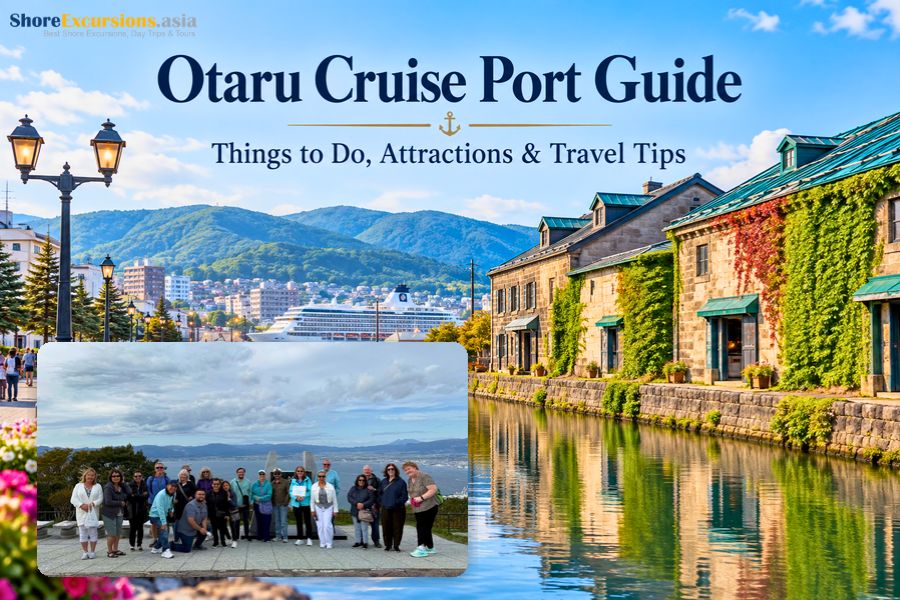
Otaru is one of Hokkaido's most atmospheric cruise destinations, offering a rare combination of historic port scenery, traditional Japanese architecture, local food, glass craftsmanship and easy access to the wider region.
For cruise passengers, Otaru has another major advantage: unlike many Japanese ports where the most famous attractions require a long transfer, the city's historic core can be reached relatively easily from the port. Depending on where your ship docks, you may be able to combine the Otaru Canal, Sakaimachi Street, local shops and cultural attractions within a relaxed port day.
At the same time, Otaru is also a gateway to other parts of Hokkaido. Passengers with a longer port stay may consider traveling to Sapporo, visiting the Nikka Whisky Distillery in nearby Yoichi, or exploring scenic areas outside the city.
This Otaru Cruise Port Guide from Shore Excursions Asia explains where cruise ships dock, what you can realistically see during a port call, the best attractions in Otaru, when it makes sense to visit Sapporo or Yoichi, and how to plan your day around your ship's departure time.
If you are looking for a cruise-day tour in the area, explore our Otaru Shore Excursions for private and small-group options designed around your cruise schedule.
Where Do Cruise Ships Dock in Otaru?
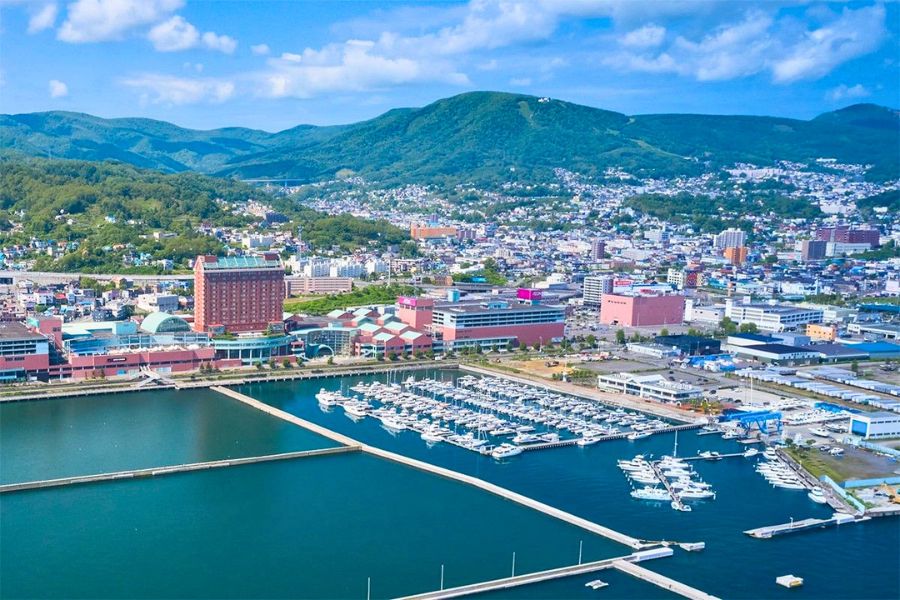
Otaru Port has two main areas used for cruise ship calls: No. 3 Pier and Katsunai Pier.
This is important when planning a shore excursion because the distance to the city center and major attractions depends on the berth assigned to your ship.
No. 3 Pier
No. 3 Pier is located in central Otaru, next to the historic waterfront and close to Otaru Canal.
The pier is also relatively close to JR Otaru Station. Otaru City lists the station at approximately a 15-minute walk from the No. 3 Pier area.
The location makes No. 3 Pier particularly convenient for cruise passengers who want to explore Otaru itself rather than travel immediately to another city.
Katsunai Pier
Katsunai Pier is located farther east of the central waterfront.
It can also accommodate large cruise ships, but passengers should allow additional transfer time when planning a city sightseeing itinerary.
JR Otaru-Chikko Station is approximately a 20-minute walk from the Katsunai Pier area.
Because cruise berths can differ by sailing, always confirm where your ship will dock before deciding whether to walk, use public transportation or arrange private transportation.
Is Otaru Cruise Port Close to the City?
For many cruise passengers, one of Otaru's biggest advantages is its proximity to the historic city center.
When a ship uses No. 3 Pier, the waterfront and Otaru Canal are particularly close. The city center can therefore be explored without spending a large part of the port day on transportation.
This makes Otaru different from cruise ports where passengers must travel an hour or more simply to reach the main sightseeing district.
However, the situation is different if your ship uses Katsunai Pier or if you decide to travel outside Otaru. In those cases, transportation planning becomes more important.
Why Visit Otaru on a Japan Cruise?
Otaru developed as an important commercial and trading port during Hokkaido's period of rapid development in the late 19th and early 20th centuries.
That history remains visible throughout the city.
Historic warehouses, stone buildings, former commercial properties and the Otaru Canal create a townscape that feels very different from modern Japanese cities such as Tokyo or Osaka.
Otaru is especially appealing for travelers interested in:
- historic port cities;
- traditional Japanese architecture;
- glass craftsmanship;
- music boxes and local handicrafts;
- fresh seafood and sushi;
- scenic viewpoints;
- and relaxed walking experiences.
It is also one of the few cruise ports where a passenger can spend an entire port day within the city and still experience a strong sense of place.
Best Things to Do in Otaru From a Cruise Ship
Otaru offers enough attractions for several different types of cruise-day itineraries.
For a first visit, the most practical combination is usually the historic waterfront, Otaru Canal and Sakaimachi Street. Travelers with more time can add Mt. Tengu, the former residences of wealthy herring merchants, a local brewery or a trip toward Yoichi.
The main options include:
- Otaru Canal;
- Sakaimachi Street;
- Otaru Art and glass attractions;
- Otaru Music Box culture;
- Former Aoyama Villa and Herring Mansion;
- Mt. Tengu Observatory;
- local seafood and sushi;
- Tanaka Sake Brewery;
- Nikka Whisky Yoichi Distillery;
- and Sapporo as a longer regional excursion.
Otaru Canal: The City's Signature Attraction
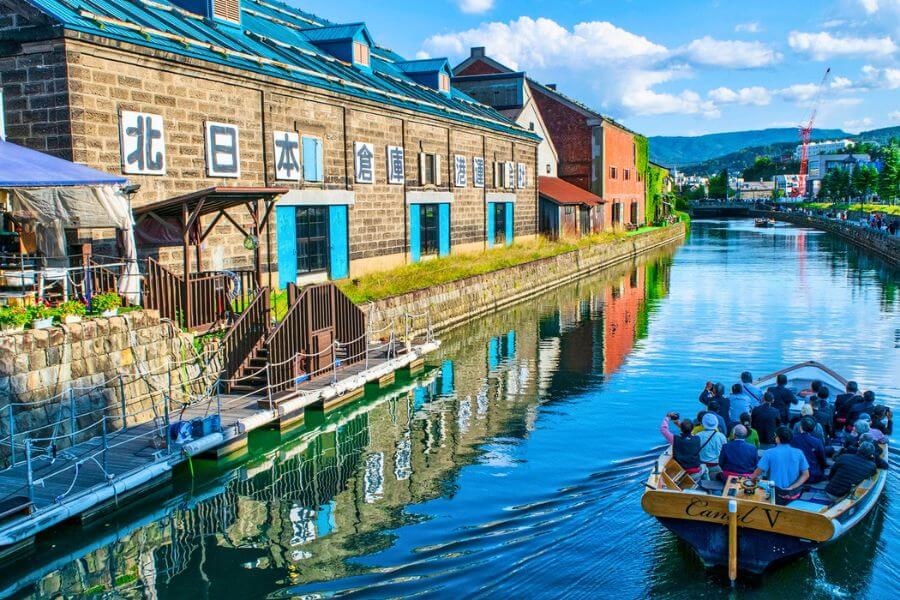
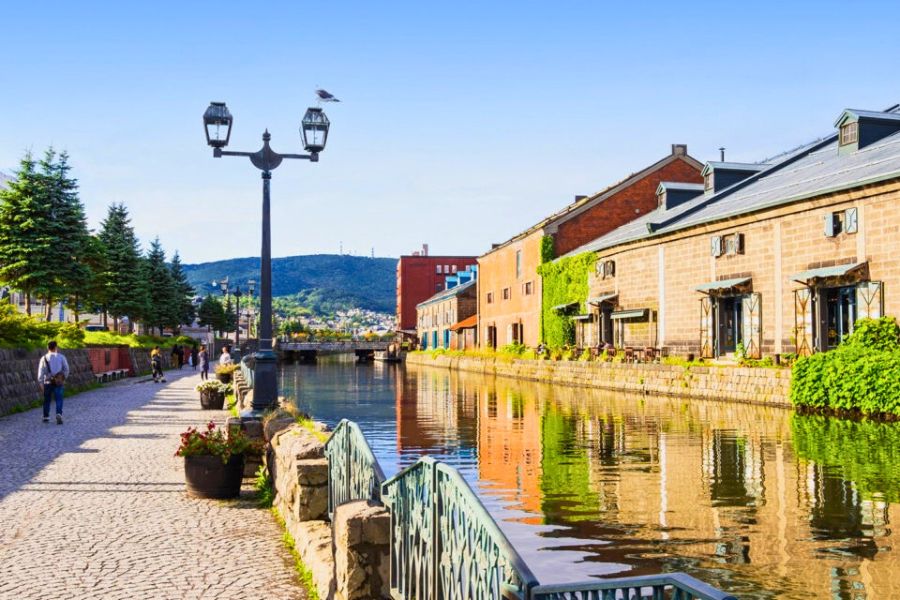
The Otaru Canal is the landmark most closely associated with the city.
Unlike a conventional canal dug inland, the waterway was created by reclaiming part of the coastline and was completed in 1923. It was designed to improve the movement of cargo between larger ships offshore and warehouses along the waterfront.
As Otaru's port infrastructure developed, the canal eventually lost its original commercial role. Part of the canal was later preserved and transformed into the waterfront promenade visitors see today.
Historic warehouses line the canal, while the promenade provides an easy route for walking and photography.
What Makes Otaru Canal Special?
The canal is particularly atmospheric because its historic commercial buildings remain closely connected to the water.
During the day, visitors can appreciate the stone warehouses and waterfront architecture. After dark, the historic gas lamps and illuminated buildings create a very different atmosphere.
For cruise passengers, the canal is especially valuable because it can be visited without committing several hours to transportation.
How Much Time Do You Need at Otaru Canal?
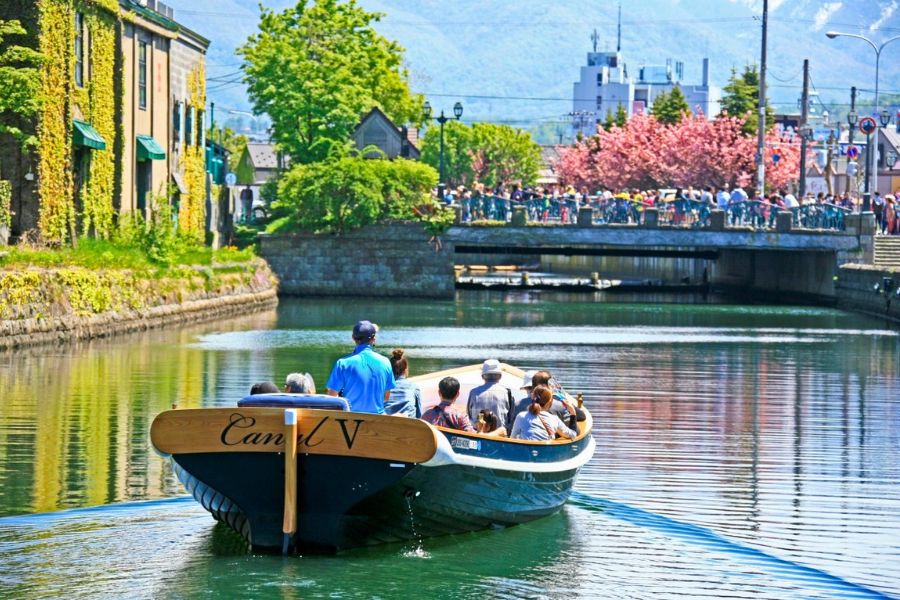
A quick visit can take around 30–45 minutes, while travelers who want to walk further along the waterfront, take photographs or visit nearby museums and shops can easily spend one to two hours in the area.
The canal is therefore easy to combine with Sakaimachi Street and other central attractions.
Sakaimachi Street: Glass, Music Boxes and Local Shopping
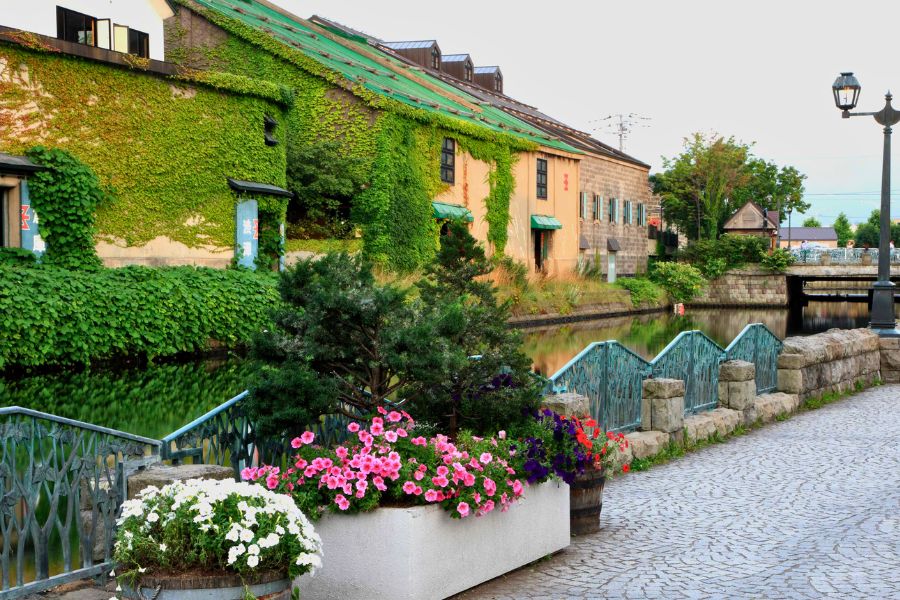
Sakaimachi Street is one of Otaru's most popular shopping and sightseeing areas.
The approximately 1.2-kilometer area combines historic buildings with shops, cafes, glass studios, confectionery stores and traditional craft businesses.
It is one of the best places to experience Otaru's distinctive craft culture without traveling far from the central waterfront.
What Can You Find on Sakaimachi Street?
- Otaru-made glassware;
- music boxes;
- Japanese sweets;
- seafood restaurants;
- local souvenirs;
- craft shops;
- cafes and dessert shops.
For cruise passengers, the area is also useful when the weather changes because many attractions are located inside shops and historic buildings rather than requiring continuous outdoor sightseeing.
Otaru's Glass Craft Tradition
Otaru is strongly associated with glass craftsmanship, and visitors can find glass workshops, galleries and stores throughout the historic district.
Glassware is one of the city's most popular souvenirs, ranging from decorative pieces to practical tableware.
Several historic buildings have been adapted into craft shops and galleries, allowing travelers to combine shopping with architecture and local history.
For visitors who prefer cultural experiences rather than major monuments, Otaru's glass tradition provides one of the city's most distinctive experiences.
Otaru Music Box Culture
Music boxes are another recognizable part of Otaru's visitor experience.
The historic shopping streets contain specialist stores where travelers can browse traditional and contemporary music boxes in many different designs.
Some stores also offer music-box making experiences, although availability and reservation requirements can vary.
This is a particularly easy addition to a cruise itinerary because the main shopping areas are concentrated around the historic center.
Otaru Art and Historic Buildings
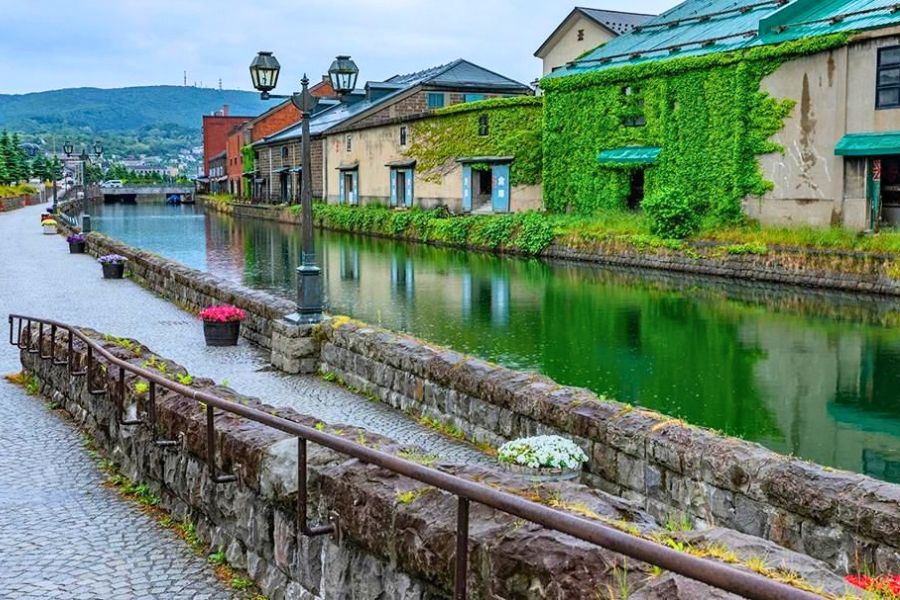
Otaru's historic commercial success left behind a collection of stone and Western-influenced buildings that now form an important part of the city's cultural landscape.
Visitors interested in architecture can explore museums and historic properties around the canal and former commercial district.
Otaru Art Village, for example, brings together several museums housed in historic buildings near the waterfront, including the Stained Glass Museum and other collections.
These attractions are useful alternatives when weather conditions make outdoor sightseeing less comfortable.
Former Aoyama Villa and Otaru's Herring-Fishing Heritage
Otaru's prosperity was closely connected with the herring fishing industry, which played an important role in the development of the region.
The Old Aoyama Villa, also known as Otaru Kihinkan, provides an example of the wealth accumulated by successful herring-fishing families.
The villa combines elaborate traditional Japanese architecture with materials and craftsmanship associated with the period.
Nearby attractions can also introduce visitors to the history of the herring industry and the people who helped shape Otaru.
This makes the area a useful addition for travelers who want to understand the history behind Otaru's impressive historic buildings rather than simply photographing them.
Mt. Tengu Observatory: Otaru From Above
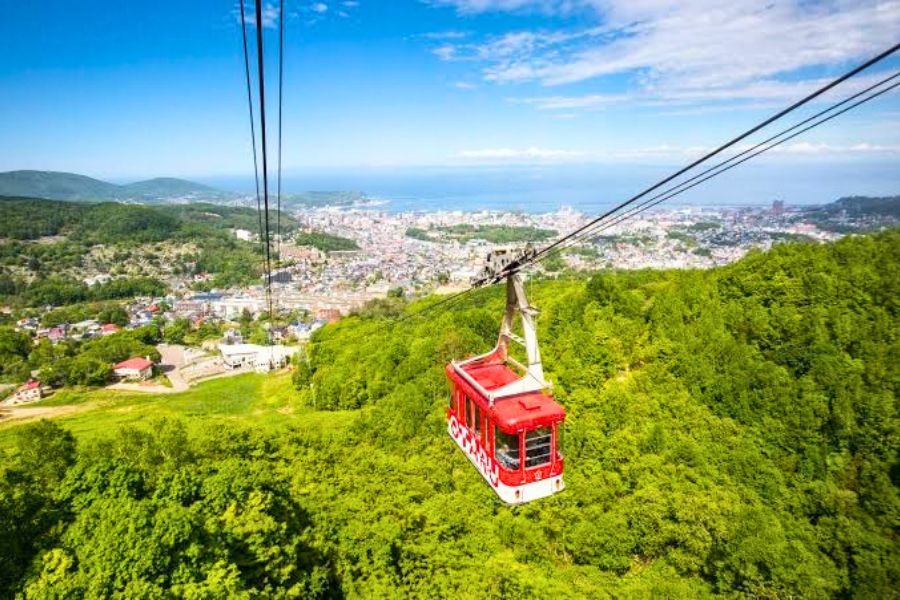
For panoramic views, Mt. Tengu is one of Otaru's most popular destinations.
The mountain rises above the city and provides views across Otaru, Ishikari Bay and the surrounding landscape.
A ropeway provides access toward the summit, making the attraction practical for visitors who want a scenic viewpoint without a long mountain hike.
Mt. Tengu is particularly attractive for photographers because it provides a completely different perspective of Otaru's waterfront.
When Is Mt. Tengu Worth Adding?
Mt. Tengu works best when your cruise call provides enough time for transportation beyond the central sightseeing area.
It is particularly useful for travelers who have already seen the Otaru Canal and want a more scenic experience.
Weather is important, however. Cloud, rain or poor visibility can reduce the value of the panoramic viewpoint.
Otaru Seafood and Sushi
Otaru's location on the Sea of Japan side of Hokkaido makes seafood an important part of the local food culture.
The city is known for fresh sushi and seafood dishes, and travelers can find restaurants throughout the central area.
Popular choices include:
- sushi;
- seafood rice bowls;
- grilled seafood;
- seasonal fish;
- and local Hokkaido ingredients.
A seafood lunch can easily be incorporated into a central Otaru itinerary without requiring a separate excursion.
Tanaka Sake Brewery: Local Brewing Tradition
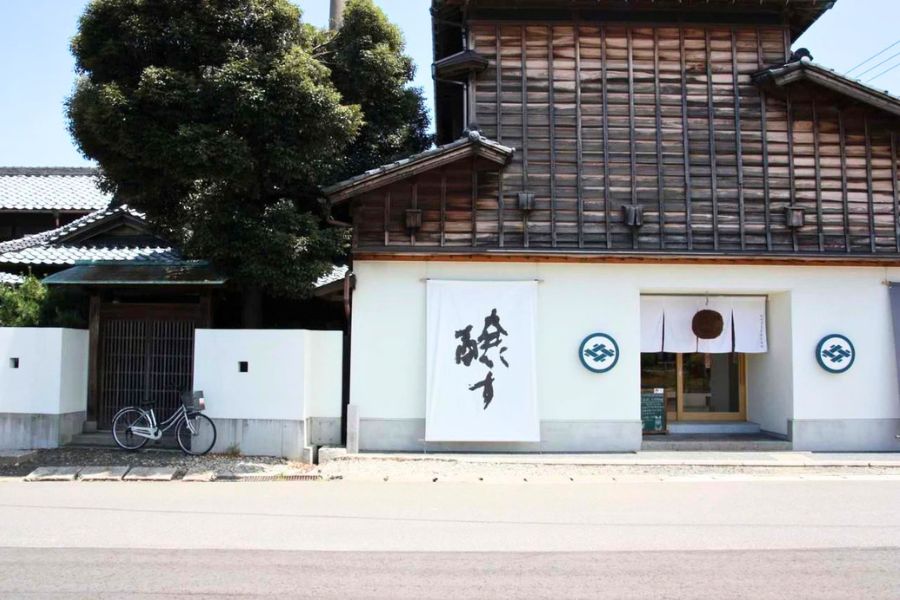
Travelers interested in Japanese alcohol culture can also explore Otaru's local sake tradition.
Tanaka Sake Brewery is one of the city's established breweries and provides an opportunity to learn more about sake production in Hokkaido.
A brewery visit works particularly well when combined with the canal, Sakaimachi Street and other historic attractions.
Guests who do not drink alcohol can simply focus on the cultural and production aspects of the experience.
Can You Visit Sapporo From Otaru Cruise Port?
Yes, but whether you should do so depends heavily on your cruise schedule.
Sapporo is relatively close to Otaru. A rapid train from Sapporo Station to Otaru takes approximately 30–35 minutes under normal conditions.
However, a cruise passenger is not starting from Sapporo Station. You first need to disembark, reach the appropriate transport point from the cruise berth, travel to Sapporo and then return to Otaru with enough time before all-aboard.
For this reason, a Sapporo excursion is more appropriate for longer port calls than for short visits.
Otaru or Sapporo: Which Should You Choose?
| Stay in Otaru | Visit Sapporo |
|---|---|
| Historic canal and waterfront | Large modern Hokkaido city |
| Glass and music boxes | Major urban landmarks |
| Seafood and local atmosphere | Shopping and city culture |
| Shorter transfers | More travel time |
| Better for shorter port calls | More suitable for longer port calls |
For first-time cruise passengers with a normal port call, staying in Otaru allows more time to experience the destination itself.
Sapporo becomes more attractive when you have a long port window, have already visited Otaru, or specifically want to see Hokkaido's largest city.
Can You Visit Yoichi From Otaru Cruise Port?
Yoichi is another option for passengers interested in Hokkaido's food and whisky heritage.
The town is home to the Nikka Whisky Yoichi Distillery, established in 1934 by Masataka Taketsuru.
The distillery is close to Yoichi Station and can be reached by train or car.
However, cruise passengers should pay close attention to the distillery's current visiting arrangements. Guided tours require reservations, are conducted in Japanese, and group arrangements can differ from normal individual visits.
For a cruise day, private transportation and advance planning are therefore preferable if Yoichi is a major part of the itinerary.
Otaru Cruise Port Itinerary for 4–5 Hours
A shorter port call should stay within central Otaru.
A practical route could be:
- Otaru Port;
- Otaru Canal;
- historic waterfront;
- Sakaimachi Street;
- glass and music-box shops;
- local seafood lunch;
- return to port.
This itinerary minimizes transportation and leaves enough flexibility for walking, shopping and photography.
Otaru Cruise Port Itinerary for 6 Hours
Six hours provides enough time to add one attraction outside the immediate canal area.
Possible route:
- Otaru Port;
- Otaru Canal;
- Sakaimachi Street;
- Mt. Tengu Observatory;
- former herring-fishing heritage site or Aoyama Villa;
- local lunch;
- return to port.
This route works particularly well for travelers who want a combination of city atmosphere, panoramic scenery and local history.
Otaru Cruise Port Itinerary for 7-8 Hours
A longer port call allows more flexibility.
One option is to focus entirely on Otaru:
- Otaru Canal;
- Sakaimachi Street;
- Otaru Art Village;
- Mt. Tengu;
- Aoyama Villa;
- local seafood or sake experience.
Another option is to make a regional excursion toward Yoichi, provided the ship's port schedule gives sufficient time and the required attractions are operating on your visit date.
Otaru Cruise Port Itinerary for 9-10+ Hours
A longer stay creates more possibilities, including a carefully planned trip to Sapporo.
Potential routes include:
- Otaru highlights with additional cultural stops;
- Otaru plus Yoichi;
- Otaru plus Sapporo;
- or a longer private Hokkaido itinerary.
Even with a long port call, it is better to choose one clear regional direction rather than attempting Otaru, Sapporo and Yoichi in the same day.
Otaru by Season
Otaru changes significantly throughout the year. The same cruise port can provide completely different experiences depending on your sailing date.
Otaru in Spring
Spring brings gradually warmer temperatures and the return of greenery and seasonal flowers.
It is a comfortable period for exploring the canal, historic streets and shopping districts on foot.
Travelers visiting Japan during cherry blossom season can also look beyond the country's major southern destinations for later seasonal blooms as they move north.
For broader seasonal planning, see our Japan in April: Weather, Cherry Blossoms & Best Places to Visit.
Otaru in Summer
Summer is one of the easiest seasons for exploring Otaru outdoors.
Longer daylight hours make it possible to combine the canal, historic streets, Mt. Tengu and coastal viewpoints in one day.
Summer is also a good period for seafood and coastal experiences around the city.
Because summer temperatures can still be warm, cruise passengers should balance outdoor walking with indoor attractions such as museums, glass galleries and shops.
Otaru in Autumn
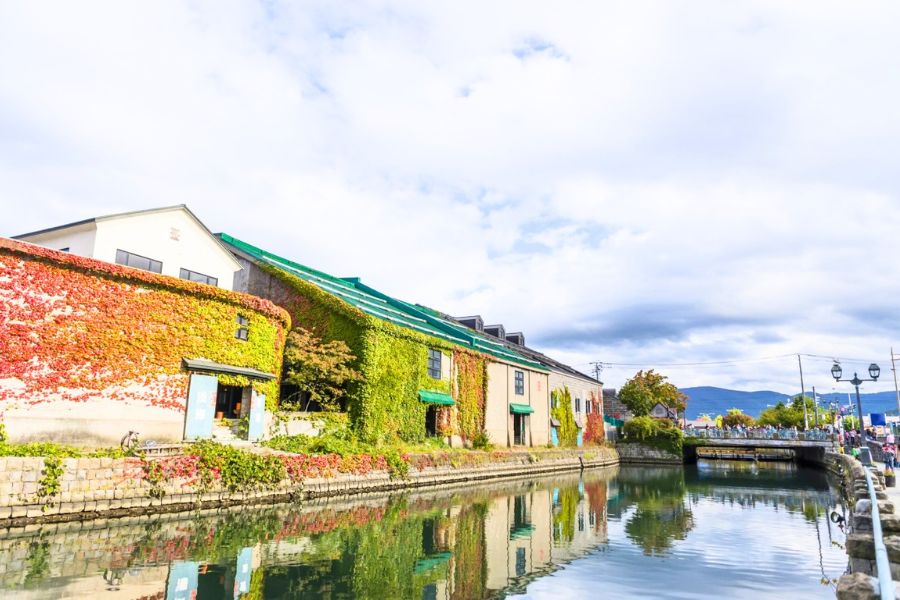
Autumn brings cooler weather and seasonal color to Hokkaido.
Mt. Tengu and surrounding elevated areas can provide attractive views of changing foliage, while the historic center remains comfortable for walking.
Autumn is also a strong season for combining Otaru's scenery with local food and craft experiences.
For a wider overview of seasonal foliage in Japan, visit our Japan Fall Foliage Guide.
Otaru in Winter
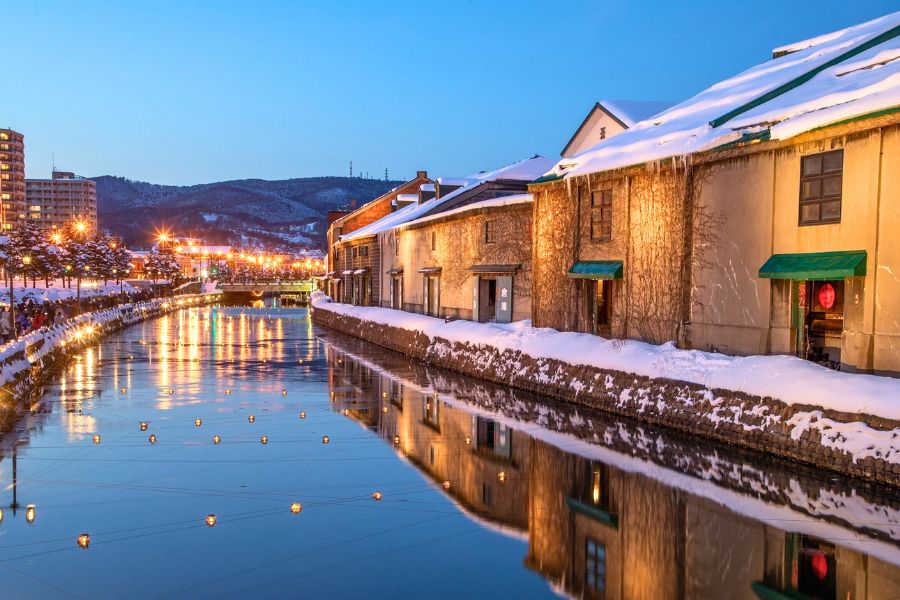
Winter transforms Otaru into one of Hokkaido's most atmospheric snowy destinations.
The historic canal, warehouses and surrounding streets can become especially scenic under snow.
One of the city's best-known winter events is Otaru Snow Light Path, held annually in February. The event uses candles and snow installations to create illuminated scenes around the canal and other historic areas.
Winter cruise planning requires more attention to weather and walking conditions, however. Snow and ice can make outdoor routes slower than they appear on a map.
Otaru for Senior Travelers
Otaru can be a comfortable cruise destination for senior travelers when the itinerary is kept focused and transportation is planned carefully.
The historic center offers several attractions that can be combined without long-distance transfers.
Comfortable options include:
- Otaru Canal;
- historic waterfront architecture;
- Sakaimachi Street;
- glass galleries and shops;
- music-box stores;
- seafood restaurants;
- and selected museums.
What About Mt. Tengu?
Mt. Tengu can also work well for senior travelers because the ropeway reduces the need for a long uphill walk.
However, weather conditions and walking surfaces should be considered, particularly during winter.
What About Sapporo?
A Sapporo excursion involves more transportation and therefore less flexibility than staying in Otaru.
For senior groups, a private vehicle can make it easier to control the pace, minimize unnecessary transfers and adjust the itinerary if the group needs additional rest time.
Otaru vs Other Hokkaido Cruise Ports
| Port | Main Experience |
|---|---|
| Otaru | Historic canal, crafts, seafood and access to Sapporo |
| Hakodate | Historic districts, mountain views and southern Hokkaido culture |
| Aomori | Northern heritage, Nebuta culture and access to Hirosaki |
| Kushiro | Nature, wetlands and eastern Hokkaido landscapes |
Otaru stands out because the historic city itself is close to the cruise port while Sapporo provides an additional regional option.
Practical Tips for Visiting Otaru From a Cruise Ship
1. Confirm Your Cruise Berth
Otaru uses more than one cruise berth.
Check your cruise line's port information and the latest port schedule before planning the exact transportation route.
2. Do Not Automatically Choose Sapporo
Sapporo is close to Otaru, but proximity on a map does not mean the trip is automatically the best use of a cruise day.
If you have never visited Otaru, the city itself offers enough attractions for a satisfying port call.
3. Allow More Time in Winter
Snow and icy surfaces can slow walking and road travel.
Winter itineraries should therefore be less tightly packed than summer itineraries.
4. Book Special Experiences in Advance
Distillery tours, workshops and certain cultural experiences may have limited capacity or reservation requirements.
Check the latest operating information before building your entire cruise day around one attraction.
5. Keep a Return Buffer
Regardless of whether you stay in Otaru or travel to Sapporo or Yoichi, always leave a conservative buffer before your ship's all-aboard time.
6. Plan Around Your Walking Level
The central Otaru sightseeing area is manageable, but the combination of uneven surfaces, slopes and winter snow can increase the physical demand of a walking itinerary.
Choose fewer attractions if necessary and prioritize comfortable transportation between areas.
Otaru Cruise Port Frequently Asked Questions
Where do cruise ships dock in Otaru?
Cruise ships can use No. 3 Pier or Katsunai Pier. No. 3 Pier is close to Otaru Canal and the central city, while Katsunai Pier is farther east.
Is Otaru Cruise Port close to Otaru Canal?
When a ship uses No. 3 Pier, the cruise berth is located close to Otaru Canal and the historic waterfront. This makes the canal particularly convenient for a cruise-day visit.
What are the best things to do in Otaru from a cruise ship?
The most popular choices include Otaru Canal, Sakaimachi Street, glass and music-box shops, Mt. Tengu Observatory, historic herring-fishing properties, local seafood and sake experiences.
Can I walk from Otaru Cruise Port to the city?
It depends on the berth. No. 3 Pier is located close to the central city and Otaru Station, while Katsunai Pier requires a longer transfer to the historic center.
How long do I need in Otaru?
A four- to five-hour port call can cover the main historic center. Six to eight hours provides more flexibility for Mt. Tengu, additional cultural sites or a longer meal and shopping stop.
Can I visit Sapporo from Otaru Cruise Port?
Yes. Sapporo is connected to Otaru by rapid train services, with the train journey between Sapporo Station and Otaru taking roughly 30–35 minutes. Cruise passengers must also allow time to travel between the ship and station and maintain a safe return buffer.
Should I visit Otaru or Sapporo during a cruise stop?
Otaru is generally more convenient for a shorter port call because the historic attractions are concentrated near the port. Sapporo becomes more practical when the ship stays longer or when the traveler specifically wants a major-city experience.
Can I visit Yoichi from Otaru Cruise Port?
Yes, with sufficient port time and careful planning. Yoichi is home to the Nikka Whisky Yoichi Distillery, but visitors should check current tour schedules and reservation requirements before including it in a cruise-day itinerary.
What is Otaru famous for?
Otaru is famous for its historic canal, former trading-port architecture, glass craftsmanship, music boxes, seafood, sushi and connections to Hokkaido's herring-fishing history.
Is Otaru good for senior travelers?
Yes. The city has many attractions that can be visited at a relaxed pace, particularly around the canal and historic center. Private transportation is useful when adding Mt. Tengu or destinations farther from the port.
When is the best time to visit Otaru?
Spring, summer and autumn are comfortable for walking and sightseeing, while winter offers snow-covered scenery and seasonal events such as Otaru Snow Light Path in February.
Does Otaru have autumn foliage?
Yes. Mt. Tengu and surrounding elevated areas can provide autumn scenery, while the cooler weather makes the historic center comfortable for walking.
Does Otaru have cherry blossoms?
Yes. Spring brings cherry blossoms and other seasonal flowers to parts of Otaru and surrounding Hokkaido, although bloom timing is later than in many destinations farther south in Japan.
Is Otaru worth visiting on a Japan cruise?
Otaru offers a particularly convenient combination of historic port scenery, local food, traditional crafts and nearby Hokkaido destinations. It can therefore work well for both short and longer cruise calls.
Plan Your Otaru Shore Excursion
Otaru offers something that many cruise ports struggle to provide: a destination where the port, historic waterfront and major sightseeing district can be connected within a relatively compact cruise day.
For a shorter visit, focus on the Otaru Canal, Sakaimachi Street, glass shops, music boxes and local seafood. With more time, add Mt. Tengu, the city's herring-fishing heritage or other cultural attractions.
If your ship has a particularly long port call, you can look beyond Otaru toward Yoichi or Sapporo. The key is to choose one clear route and leave enough time to return to the ship comfortably.
Browse our Otaru Shore Excursions to see available Otaru tours, including the Otaru Sightseeing Tour and Otaru Highlight Tour.
For travelers looking for a longer scenic route, our Mt. Tengu Observatory and Aoyama Villa experience combines the canal, panoramic views, historic herring-fishing heritage, local sake and Sakaimachi Street.
You can also explore our wider Japan Shore Excursions collection or request a private itinerary built around your cruise ship's exact arrival and departure times.


 Contact Us via Messenger
 Send Inquiry