

Beppu is one of Japan's most distinctive cruise destinations, where steaming hot springs, volcanic landscapes, traditional bathhouses and local food create an experience unlike most other ports in Japan.
Located in Oita Prefecture on Kyushu Island, Beppu is best known for its extraordinary hot spring culture. Steam rises through the streets, geothermal activity shapes the surrounding landscape, and the city's eight major hot spring areas offer everything from historic public baths to dramatic geothermal attractions.
For cruise passengers, Beppu is especially appealing because the port provides access to a wide range of experiences within a single day. You can explore the famous Beppu Jigoku, discover traditional onsen culture, enjoy a sand bath, visit Mount Tsurumi or combine the city with nearby destinations such as Yufuin.
This Beppu Cruise Port Guide from Shore Excursions Asia explains where cruise ships dock, the best things to do from Beppu Port, which attractions realistically fit different port times, and how to choose between Beppu, Yufuin and other nearby destinations.
If you are looking for a private or small-group cruise-day experience, explore our Beppu Shore Excursions for itineraries designed around your ship's schedule and return time.
Where Do Cruise Ships Dock in Beppu?
Cruise ships visiting Beppu use Beppu International Tourist Port No. 4 Pier.
The cruise pier is located in the Ishigaki area on the northern side of Beppu and was developed specifically to accommodate cruise ships. The berth is approximately 280 meters long and can accommodate large passenger vessels.
The port is separate from the nearby ferry facilities used for services to Osaka, so cruise passengers should not assume that the ferry terminal is their cruise terminal.
For current cruise schedules, the assigned berth should still be checked against your sailing date. Port operations and cruise schedules can change because of weather or operational circumstances.
Is Beppu Cruise Port Close to the City?
Beppu Port is not directly in the middle of the main sightseeing district, so cruise passengers should plan transportation rather than assuming that the most famous attractions are immediately outside the ship.
However, the port's location makes the major Beppu attractions accessible by private vehicle, taxi or local transportation.
The main sightseeing areas can broadly be divided into:
- Central Beppu: Takegawara Onsen, Beppu Station and downtown attractions;
- Kannawa: the main cluster of Beppu's famous hells and traditional hot spring streets;
- Myoban: mountain-side hot springs, Yunohana huts and scenic views;
- Mt. Tsurumi: panoramic scenery reached by the Beppu Ropeway;
- Takasakiyama: Japanese macaques and natural scenery near the coast.
This geography is important when planning a cruise day. Trying to cover every area can quickly turn a relaxed excursion into a day dominated by transfers.
Why Visit Beppu on a Japan Cruise?
Beppu offers a side of Japan that is difficult to reproduce anywhere else.
The city is not primarily about castles, shopping districts or large temples. Its identity comes from the relationship between people, nature and hot springs.
Beppu is particularly known for:
- hot spring culture;
- the Seven Hells of Beppu;
- traditional bathhouses;
- sand baths;
- geothermal steam;
- Yunohana mineral deposits;
- local food prepared with hot spring steam;
- mountain scenery;
- and traditional onsen neighborhoods.
For travelers who have already visited Tokyo, Kyoto or Osaka, Beppu can provide a much more regional experience of Japan.
Best Things to Do in Beppu From a Cruise Ship
The best Beppu shore excursion depends on how long your ship stays in port and whether you want to focus on geothermal attractions, traditional onsen culture, nature or regional scenery.
The main choices include:
- Beppu Jigoku Meguri;
- Kannawa Onsen area;
- Takegawara Onsen and its sand bath;
- Myoban Onsen and Yunohana huts;
- Beppu Ropeway and Mount Tsurumi;
- Takasakiyama Natural Zoological Garden;
- Yukemuri Observatory;
- local food and Jigoku Mushi experiences;
- and longer excursions to Yufuin.
Beppu Jigoku Meguri: The City's Signature Attraction
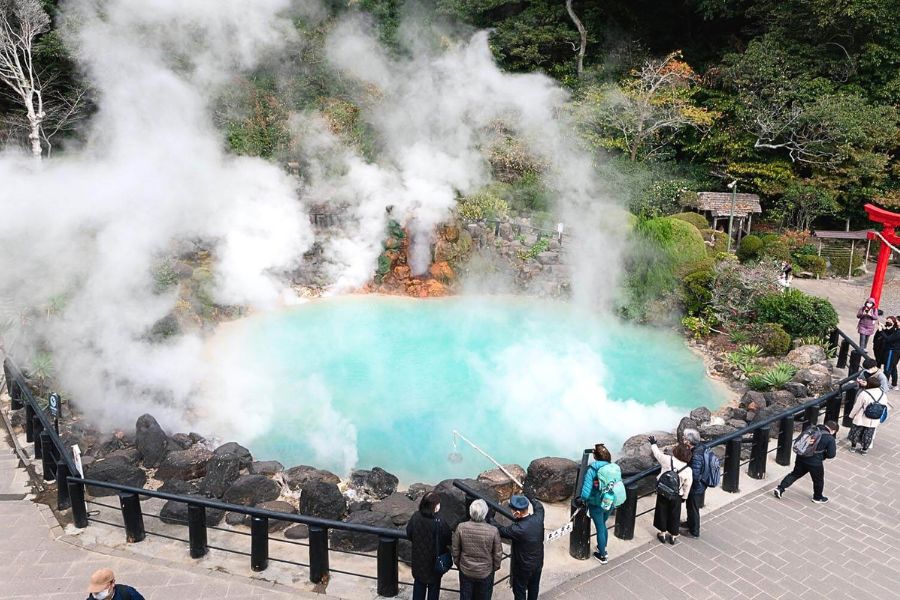
For most first-time visitors, the Beppu Jigoku Meguri is the most recognizable experience in the city.
The word jigoku means "hell," referring to the dramatic geothermal springs that are too hot for ordinary bathing. Instead of being traditional hot springs for visitors to enter, these sites showcase boiling water, steam, mud and striking natural colors.
There are seven hells in the Beppu Jigoku Meguri:
- Umi Jigoku;
- Oniishibozu Jigoku;
- Kamado Jigoku;
- Oniyama Jigoku;
- Shiraike Jigoku;
- Chinoike Jigoku;
- Tatsumaki Jigoku.
The first five are concentrated around Kannawa, while Chinoike Jigoku and Tatsumaki Jigoku are farther away.
The official Beppu tourism guide estimates that visiting all seven takes approximately two hours, although cruise passengers do not necessarily need to visit every one.
Which Hells Are Best for a Cruise Port Day?
If your time is limited, the Kannawa cluster is usually the most efficient starting point.
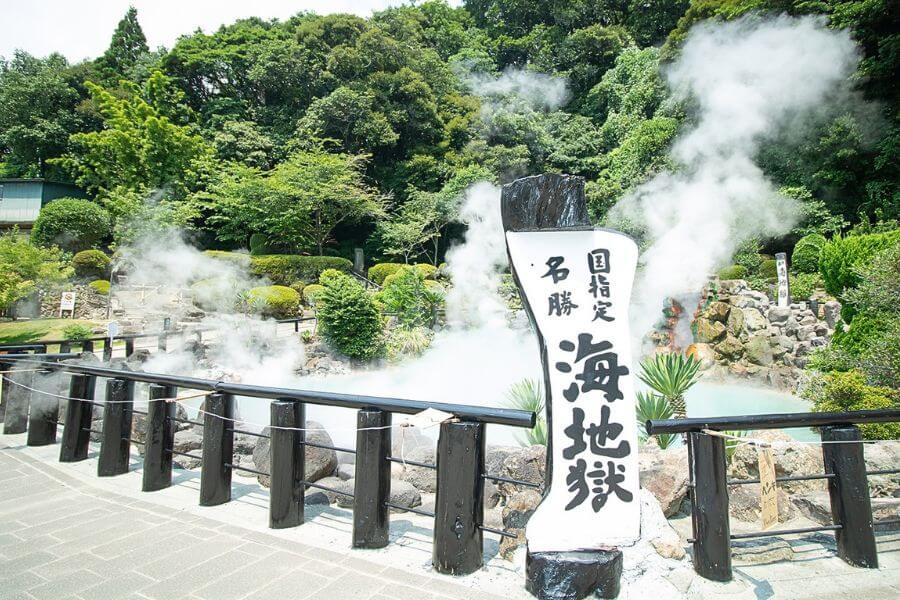
Umi Jigoku is particularly famous for its cobalt-blue water and landscaped surroundings.
Oniishibozu Jigoku features bubbling gray mud that resembles the shaved heads of Buddhist monks.
Kamado Jigoku offers several geothermal features in one location.
Oniyama Jigoku is known for its powerful steam and crocodile enclosure.
Shiraike Jigoku has a pale blue-white appearance and a quieter atmosphere.
For travelers with more time, Chinoike Jigoku and Tatsumaki Jigoku provide a different experience farther south.
Kannawa Onsen: The Atmosphere Behind the Hells
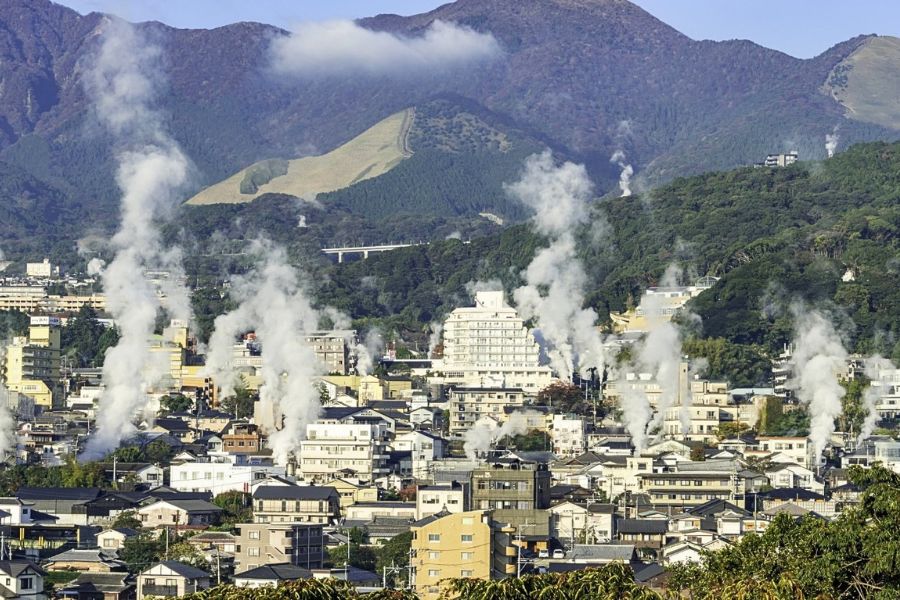
Do not treat Beppu's hells as isolated sightseeing attractions.
The surrounding Kannawa Onsen district is an important part of the experience.
Steam rises through narrow streets, traditional buildings and small local establishments, creating the atmosphere that makes Beppu immediately recognizable.
The area is ideal for travelers who want to experience the culture behind Beppu's geothermal landscape rather than simply photograph the boiling pools.
You can combine a visit to the hells with:
- a local lunch;
- Jigoku Mushi food;
- a foot bath;
- traditional streets;
- local sweets;
- and small souvenir shops.
Jigoku Mushi: Eat Food Cooked With Hot Spring Steam
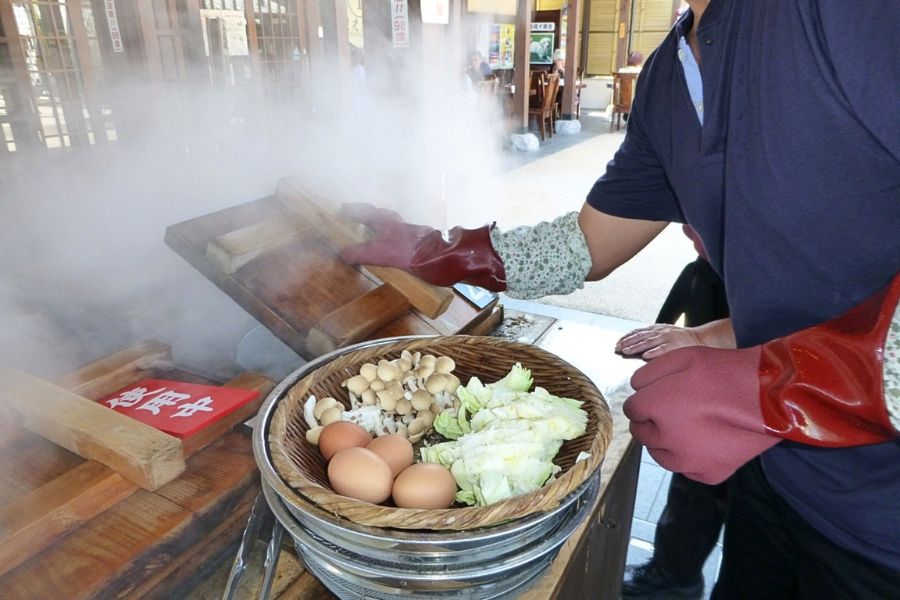
One of Beppu's most distinctive culinary experiences is Jigoku Mushi, a traditional style of cooking that uses geothermal steam.
Ingredients such as vegetables, seafood, meat and eggs can be cooked inside special steamers using the natural heat produced by Beppu's hot springs.
The experience is particularly interesting for cruise passengers because it connects food directly with the city's geothermal identity.
Rather than simply having a conventional Japanese lunch, travelers can experience one of the ways Beppu's hot spring resources have become part of everyday life.
The Kannawa area is one of the best places to combine the hells with this style of local cuisine.
Takegawara Onsen: A Historic Beppu Experience
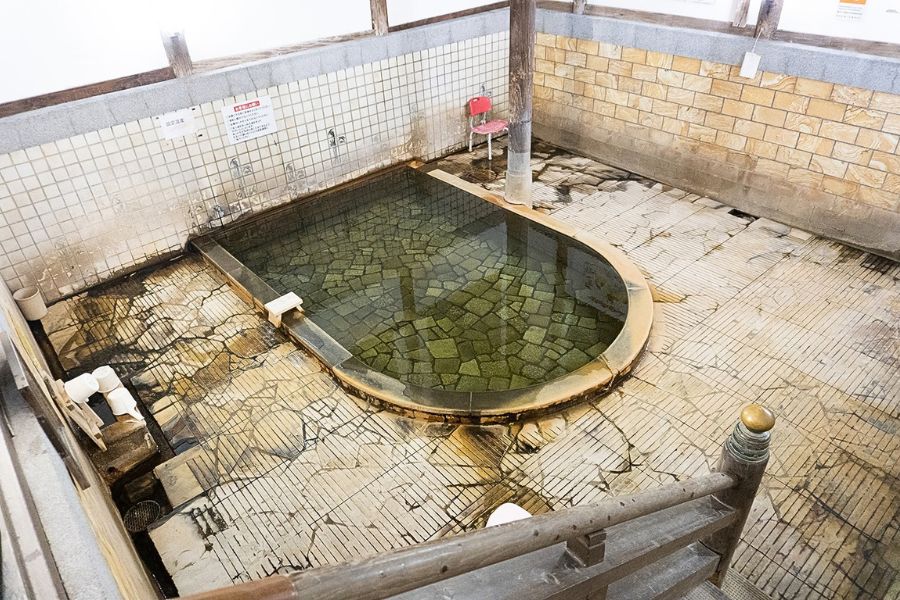
Takegawara Onsen is one of Beppu's most recognizable traditional bathhouses.
Founded in 1879, the present building dates from 1938 and retains a distinctive traditional architectural character.
The facility is particularly famous for its sand bath, where visitors lie down wearing a yukata while warm sand heated by the hot spring is placed over the body.
This is a very different experience from a conventional hot spring bath.
Should Cruise Passengers Take a Sand Bath?
It can be a memorable option, particularly for travelers who want to experience something that feels uniquely Beppu.
However, it requires more time than simply visiting a sightseeing attraction.
Guests may need to allow time for changing, waiting and the experience itself, so it is better suited to a deliberately paced itinerary rather than a schedule packed with multiple distant attractions.
Travelers who prefer not to bathe can still appreciate Takegawara's historic exterior and surrounding downtown atmosphere.
Myoban Onsen and Yunohana
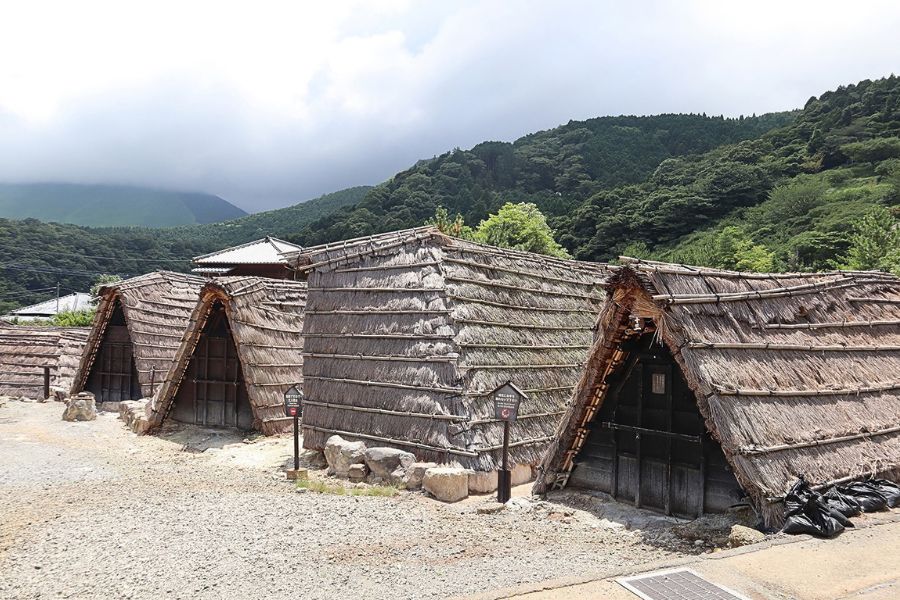
Myoban is located higher in the hills above Beppu and offers a different atmosphere from the central city.
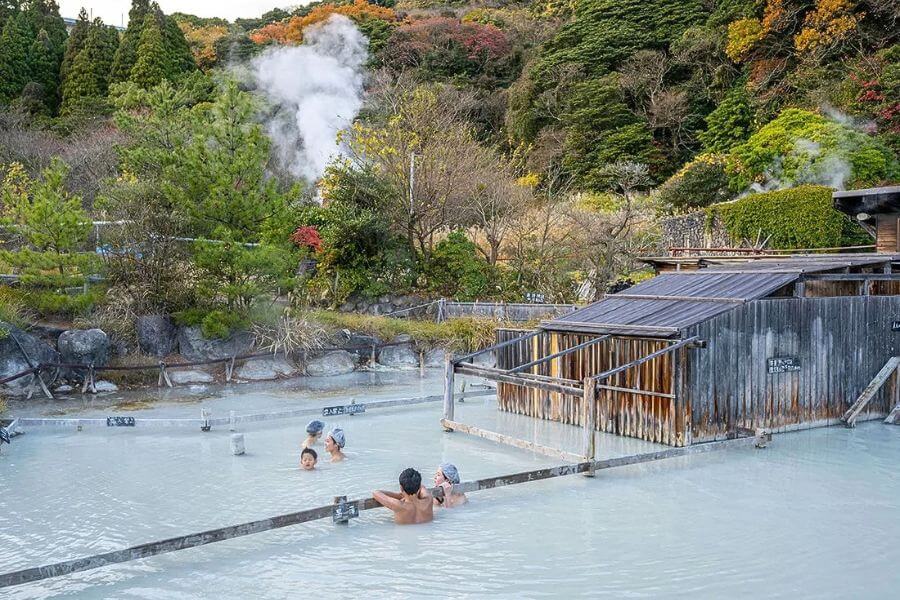
The area is famous for its Yunohana huts, where mineral deposits are traditionally produced using geothermal steam.
The technique has been passed down for centuries and forms an important part of Beppu's intangible cultural heritage.
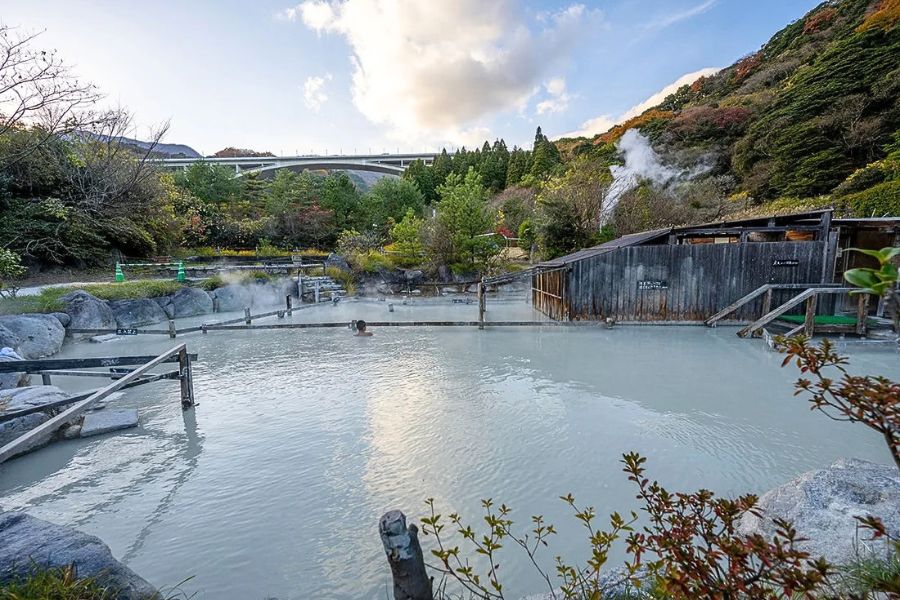
Myoban Yunosato also offers large outdoor baths with views toward the surrounding mountains and city.
For travelers interested in traditional Japanese hot spring culture, Myoban provides a deeper experience than simply visiting the famous hells.
Why Add Myoban to a Cruise Excursion?
Myoban works particularly well as a second major stop after the Jigoku Meguri.
A route combining:
- Beppu Jigoku;
- Kannawa;
- Myoban;
- and a scenic viewpoint
creates a more complete picture of Beppu's geothermal landscape.
Beppu Ropeway and Mount Tsurumi
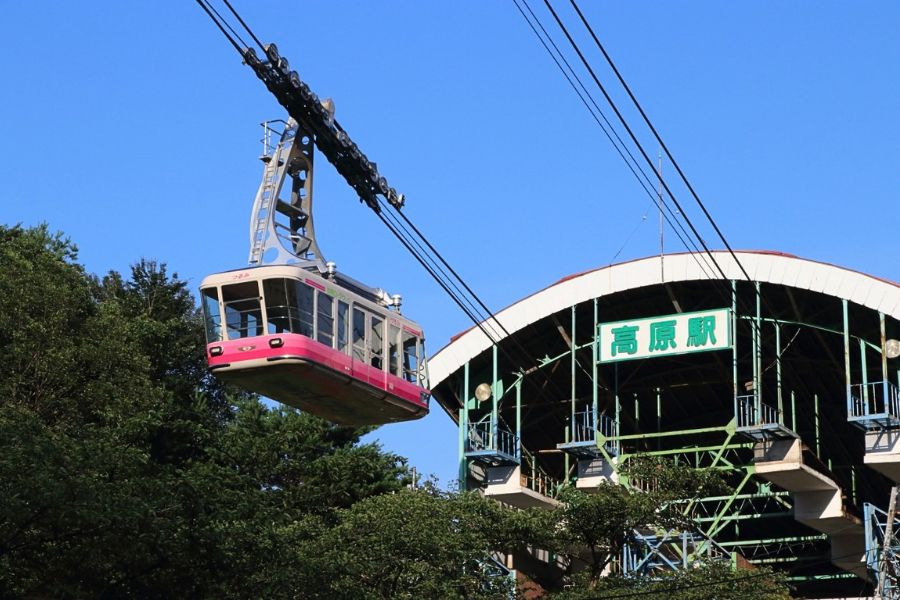
For panoramic scenery, the Beppu Ropeway provides access to Mount Tsurumi.
Mount Tsurumi rises to approximately 1,375 meters and offers views across Beppu, Mount Yufu and the surrounding mountains.
The ropeway takes approximately ten minutes to reach the upper station, making it possible to experience mountain scenery without committing to a long hike.
Mount Tsurumi also changes dramatically by season, with cherry blossoms and other spring flowers, cooler summer temperatures, autumn foliage and winter frost.
When Is the Beppu Ropeway a Good Choice?
The ropeway is particularly attractive for travelers who want scenery rather than another hot spring attraction.
It also works well for passengers who have already seen the Jigoku Meguri on a previous visit.
Weather is important, however. Cloud, rain or strong winds can reduce visibility or affect ropeway operations.
Takasakiyama Natural Zoological Garden
Takasakiyama Natural Zoological Garden offers a completely different experience from Beppu's hot springs.
The mountain is home to around 1,000 wild Japanese macaques that gather in groups around the feeding area.
Visitors can observe the animals interacting naturally, including grooming, resting and caring for their young.
The attraction is particularly interesting for travelers who enjoy wildlife and nature rather than traditional sightseeing.
It is also one of the attractions currently featured in Shore Excursions Asia's Beppu itineraries.
A Note About the Monkeys
Japanese macaques are sometimes incorrectly described online as "snow monkeys."
Takasakiyama's monkeys are Japanese macaques. The term "snow monkey" is more strongly associated with the Japanese macaques observed around the hot springs of Jigokudani in Nagano Prefecture.
Yukemuri Observatory
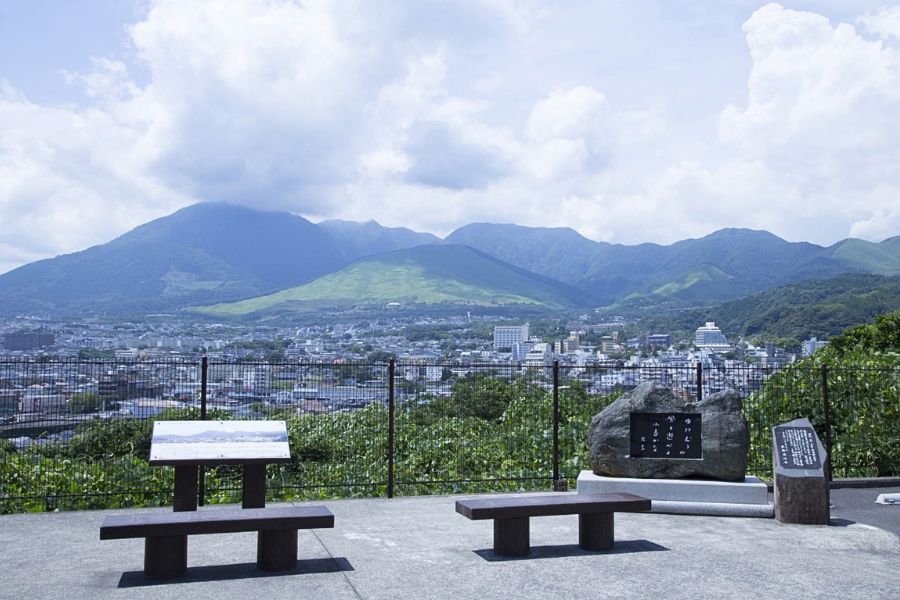
For a quick scenic stop, Yukemuri Observatory provides one of the most recognizable views of Beppu.
From the viewpoint, visitors can see the city with steam rising from its hot spring areas, backed by the surrounding mountains.
This can be a useful addition to a private cruise itinerary because it provides a strong visual introduction to Beppu without requiring a long visit.
Can You Visit Yufuin From Beppu Cruise Port?
Yes, but Yufuin should be treated as a longer regional excursion rather than an automatic addition to a standard Beppu port day.
Yufuin is a popular hot spring resort town surrounded by mountain scenery and is known for its relaxed streets, cafes, galleries and views toward Mount Yufu.
The challenge for cruise passengers is not whether Yufuin is worth visiting. The challenge is whether there is enough time to travel there, explore the town and return to Beppu with a comfortable buffer before the ship departs.
Beppu or Yufuin: Which Is Better for a Cruise Day?
| Beppu | Yufuin |
|---|---|
| Closer to the cruise port | Requires additional travel |
| Famous for geothermal hells | Famous for resort-town atmosphere |
| Traditional bathhouses | Cafes, galleries and scenic streets |
| Jigoku Meguri | Mount Yufu scenery |
| Better for shorter port calls | Better for longer port calls |
For a first-time cruise passenger with a standard port stay, Beppu itself is usually the safer choice.
Yufuin becomes more attractive when the ship remains in port for a longer period and private transportation is arranged around the cruise schedule.
Beppu Cruise Port Itinerary for 4-5 Hours
A shorter port call should focus on one compact area.
A strong option is:
- Beppu Port;
- Kannawa area;
- selected Beppu Hells;
- local lunch or Jigoku Mushi;
- return to the ship.
This route prioritizes Beppu's most recognizable attraction while minimizing unnecessary transfers.
Another option is a more relaxed city experience featuring Takegawara Onsen and central Beppu.
Beppu Cruise Port Itinerary for 6 Hours
Six hours provides enough time to combine geothermal attractions with another major experience.
Option 1: Hells and Myoban
- Beppu Port;
- Kannawa and selected Jigoku;
- Jigoku Mushi lunch;
- Myoban Onsen;
- Yunohana huts;
- return to port.
Option 2: Nature and Hot Springs
- Takasakiyama Natural Zoological Garden;
- selected Beppu Hells;
- Myoban Onsen;
- return to port.
The second option is particularly suitable for travelers who want a mixture of wildlife, geothermal scenery and traditional hot spring culture.
Beppu Cruise Port Itinerary for 7-8 Hours
With seven to eight hours, you can create a more comprehensive Beppu experience without needing to leave the city.
A possible route is:
- Beppu Port;
- Beppu Jigoku Meguri;
- Kannawa Onsen town;
- Jigoku Mushi lunch;
- Myoban area;
- Yunohana huts;
- Yukemuri Observatory;
- return to port.
This is one of the strongest itineraries for first-time visitors because it focuses almost entirely on what makes Beppu unique.
Beppu Cruise Port Itinerary for 9+ Hours
A longer port call opens up more ambitious options.
You could consider:
- Beppu Jigoku Meguri plus Mount Tsurumi;
- Beppu plus Yufuin;
- Beppu plus Takasakiyama and Myoban;
- or a more extensive private tour of the Oita region.
Even with a long port call, avoid trying to combine every major attraction in one day.
A well-paced itinerary with three or four meaningful stops is usually more enjoyable than spending the entire day traveling between six or seven locations.
Beppu by Season
Beppu is a year-round destination, but seasonal conditions can change the experience considerably.
Beppu in Spring
Spring is one of the most attractive seasons for exploring Beppu's mountains and hot spring areas.
Mount Tsurumi is particularly interesting in spring, when cherry blossoms and other seasonal flowers appear around the mountain.
The combination of geothermal scenery, mountain landscapes and comfortable sightseeing weather makes spring a strong season for a Beppu cruise excursion.
If Beppu is part of a wider spring itinerary, see our Japan in April guide for broader cherry blossom planning.
Beppu in Summer
Summer brings warmer weather to the city, while Mount Tsurumi can provide cooler conditions at higher elevations.
Longer daylight hours allow more flexibility for cruise passengers, but itineraries should still include enough breaks from the heat.
Indoor or shaded experiences can be combined with shorter outdoor sightseeing stops.
Beppu in Autumn
Autumn is particularly attractive for travelers who want to combine hot spring culture with seasonal mountain scenery.
Mount Tsurumi is one of the area's highlights for autumn colors, while the traditional hot spring districts remain enjoyable in cooler weather.
Travelers planning a wider autumn trip through Japan can also explore our Japan Fall Foliage Guide.
Beppu in Winter
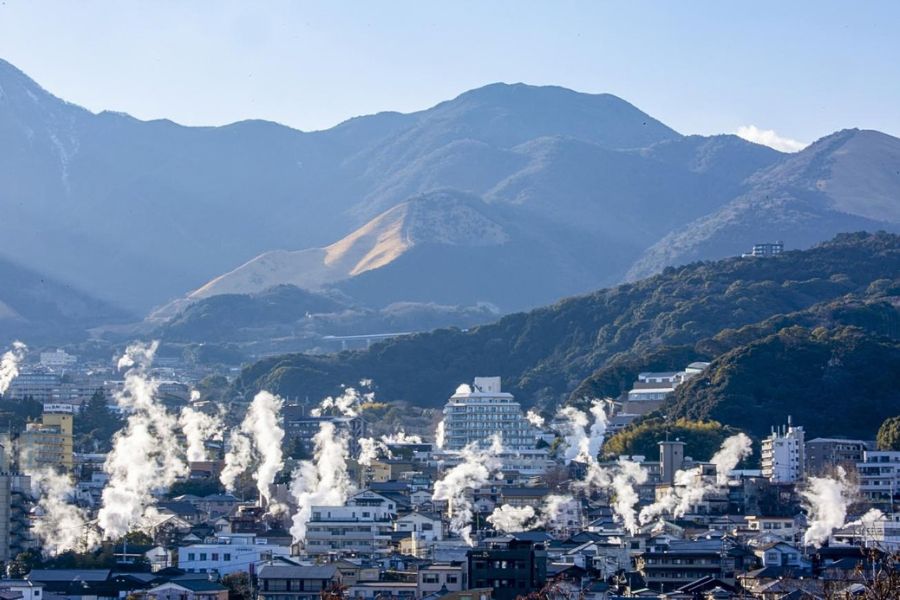
Winter can be one of the most atmospheric seasons for experiencing Beppu's hot spring culture.
Steam rising from the streets and the contrast between cold air and warm geothermal activity create a distinctly Japanese winter experience.
Higher elevations around Mount Tsurumi can experience frost and colder conditions, so travelers should allow extra time for weather-related changes.
Beppu for Senior Travelers
Beppu can be an excellent cruise destination for senior travelers because the itinerary can be adapted to different walking levels.
For a comfortable port day, prioritize:
- private vehicle transportation;
- fewer major attractions;
- shorter walking distances;
- scenic viewpoints;
- comfortable lunch stops;
- and generous return buffers.
Myoban Yunosato, selected Jigoku attractions and Yukemuri Observatory can provide a strong experience without requiring a full-day walking itinerary.
What About Takegawara Onsen?
Takegawara Onsen can be memorable, but the historic building and traditional bathing environment may require more physical effort than a simple sightseeing stop.
Passengers should consider their mobility, comfort with traditional bathing facilities and available time before including a sand bath.
What About the Beppu Ropeway?
The ropeway is useful for travelers who want panoramic scenery without hiking up Mount Tsurumi.
However, weather conditions can affect visibility and operations, so it is best treated as a flexible option rather than the only attraction in the itinerary.
Beppu vs Fukuoka: Which Cruise Port Offers More?
| Beppu | Fukuoka |
|---|---|
| Hot springs and geothermal landscapes | Modern city and Hakata culture |
| Beppu Jigoku | Dazaifu Tenmangu |
| Onsen experiences | Food and shopping |
| Mount Tsurumi | Ohori Park and Fukuoka Castle |
| Relaxed regional atmosphere | Major Kyushu urban gateway |
Beppu is the stronger choice for travelers interested in hot springs, nature and geothermal culture.
Fukuoka is better suited to travelers looking for city sightseeing, food, shopping and traditional Hakata culture.
Beppu vs Kagoshima: Two Different Kyushu Experiences
| Beppu | Kagoshima |
|---|---|
| Hot springs and geothermal culture | Volcanic scenery and Sakurajima |
| Beppu Hells | Sakurajima |
| Onsen towns | Volcanic coastline |
| Mount Tsurumi | Sengan-en and Kagoshima city |
| Traditional hot spring culture | Southern Kyushu history |
Both ports provide a strong introduction to Kyushu, but their core experiences are very different. Beppu is centered on hot springs and geothermal culture, while Kagoshima is more closely associated with Sakurajima and volcanic landscapes.
Practical Tips for Visiting Beppu From a Cruise Ship
1. Start With Your Ship's Actual Port Time
Do not plan a Beppu excursion based only on the number of hours between the ship's scheduled arrival and departure.
Allow time for disembarkation and maintain a conservative buffer before all-aboard.
2. Choose One Main Direction
Beppu's attractions are spread across several areas.
A route combining Kannawa, Myoban and Mount Tsurumi can work well with private transportation, but adding Yufuin or another distant destination requires more careful planning.
3. Do Not Try to Visit All Seven Hells on Every Port Call
The complete Jigoku Meguri is rewarding, but cruise passengers do not always need to see every site.
For shorter calls, selecting the most accessible hells around Kannawa can create a more relaxed experience.
4. Check Seasonal Conditions
Mountain weather can change quickly, particularly around Mount Tsurumi.
Keep an alternative attraction available if a ropeway or mountain viewpoint becomes unsuitable.
5. Allow Extra Time for Traditional Experiences
Sand baths, onsen visits and hands-on food experiences require more time than simply taking photographs at an attraction.
Choose one or two experiential activities rather than trying to fit several into a short port call.
6. Carry Suitable Clothing
Hot spring areas can be humid and warm, while mountain destinations may be considerably cooler.
Layered clothing and comfortable walking shoes are useful throughout the year.
7. Private Transportation Can Make a Major Difference
A private vehicle is particularly useful in Beppu because it allows passengers to connect the different hot spring areas without relying entirely on local bus schedules.
It also makes it easier to adjust the itinerary when weather, mobility or cruise timing changes.
Beppu Cruise Port Frequently Asked Questions
Where do cruise ships dock in Beppu?
Cruise ships visiting Beppu use Beppu International Tourist Port No. 4 Pier. The pier was developed specifically for cruise ships and is located north of central Beppu.
What is Beppu famous for?
Beppu is famous for its hot springs, geothermal landscapes, the Seven Hells of Beppu, traditional bathhouses, sand baths and steam-cooked local food.
What are the best things to do in Beppu from a cruise ship?
The most popular options include Beppu Jigoku Meguri, Kannawa Onsen, Takegawara Onsen, Myoban Onsen, Mount Tsurumi, the Beppu Ropeway and Takasakiyama Natural Zoological Garden.
How long do I need in Beppu?
A four- to five-hour port call can cover selected Beppu Hells and a nearby experience. Six to eight hours allows a more complete combination of geothermal attractions, hot spring culture and scenic areas.
Can I visit all Seven Hells of Beppu from a cruise ship?
Yes, with enough time. The seven hells are divided into two main areas, and the complete circuit generally takes around two hours before allowing for transportation between the port and the attractions.
Is Beppu Jigoku the same as a hot spring?
The Jigoku are geothermal attractions rather than ordinary bathing facilities. Their extremely hot water, steam and mud are primarily viewed rather than used for bathing.
Can I take a sand bath in Beppu during a cruise stop?
Yes, Takegawara Onsen offers a famous sand bath experience. However, it requires more time than a normal sightseeing stop, so it should be included only when the port schedule allows a relaxed visit.
Can I visit Yufuin from Beppu Cruise Port?
Yes, but Yufuin is better suited to a longer port call or a private itinerary with dedicated transportation. Travelers should allow enough time for the journey, sightseeing and return to the ship.
Is Yufuin or Beppu better for a cruise excursion?
Beppu is generally more practical for shorter port calls because its major attractions are closer to the cruise port. Yufuin is more suitable when travelers have additional time and specifically want a mountain resort-town experience.
Is Beppu suitable for senior travelers?
Yes. A private vehicle and carefully paced itinerary can reduce walking and transfers. Scenic viewpoints, selected Jigoku attractions and Myoban can be combined without creating an excessively demanding day.
Is the Beppu Ropeway worth visiting?
It can be an excellent choice for travelers who want panoramic views of Beppu and the surrounding mountains. Weather and visibility should be considered before making it the centerpiece of a port day.
What are the monkeys at Takasakiyama?
Takasakiyama is home to wild Japanese macaques. They are not the same famous "snow monkeys" associated with Jigokudani in Nagano.
Does Beppu have cherry blossoms?
Yes. Mount Tsurumi and other parts of the Beppu area offer spring flowers and cherry blossoms. The mountain's higher elevations can have a different flowering schedule from the city.
Does Beppu have autumn foliage?
Yes. Mount Tsurumi and surrounding mountain areas offer autumn colors, making fall a particularly attractive season for combining hot spring culture with scenic sightseeing.
Is Beppu worth visiting on a Japan cruise?
Yes. Beppu offers a distinctive regional experience centered on geothermal activity, traditional hot spring culture, local food and mountain scenery, making it very different from Japan's major urban ports.
Plan Your Beppu Shore Excursion
Beppu is one of the most distinctive cruise ports in Japan because the destination is defined by something visitors can see, smell and experience throughout the city: geothermal activity.
For a shorter port call, the Beppu Hells and Kannawa area provide the clearest introduction to the city. With more time, travelers can add Myoban, Takegawara Onsen, Mount Tsurumi or Takasakiyama.
Yufuin is also possible for longer port calls, but it should be treated as a dedicated regional excursion rather than an attraction to add casually to an already full Beppu itinerary.
Explore our Beppu Shore Excursions for current cruise-day options, including the Amazing Beppu experience, the Beppu Highlight Tour, A Glimpse of Beppu and Explore the Hot Spring Hells of Beppu.
You can also browse our wider Japan shore excursions collection or request a private itinerary built around your ship's arrival, departure and preferred sightseeing pace.


 Send Inquiry