
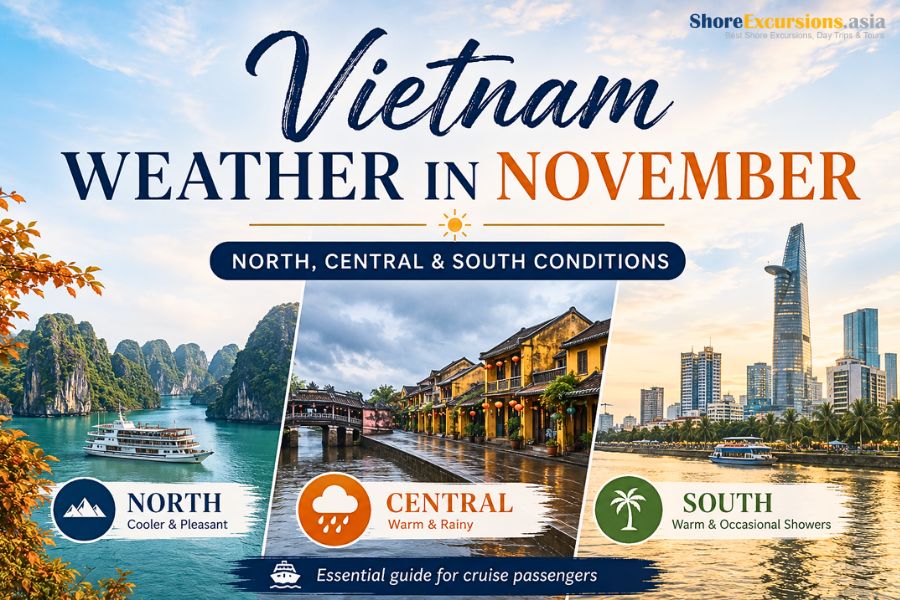
Vietnam weather in November can feel like three different seasons within one country. Northern Vietnam becomes cooler and generally drier, the central coast may still experience prolonged rain, while southern destinations remain warm with a mixture of sunshine and tropical showers.
This regional contrast matters for every traveller, but it is especially important for cruise passengers. A clear day in Ha Long may suit a scenic bay cruise, while the same date can bring heavy rain around Da Nang or warm, humid conditions in Ho Chi Minh City.
For guests with only one day ashore, monthly averages are not enough. The practical decision is whether the weather suits the planned transfer, outdoor walking, boat journey and return schedule from the correct cruise port.
This guide from Shore Excursions Asia explains what to expect across northern, central and southern Vietnam in November, with particular attention to Hanoi, Ha Long, Da Nang, Nha Trang and Ho Chi Minh City.
Cruise visitors can also explore our Vietnam shore excursions, arranged around each ship’s port, arrival time, walking level and official all-aboard schedule.
Vietnam Weather in November at a Glance

November is one of Vietnam’s clearest examples of why the country should not be treated as having one nationwide climate.
In the north, daytime temperatures commonly feel mild rather than hot. Hanoi and Ha Long often experience pleasant conditions for city sightseeing, heritage visits and outdoor scenery, although mornings and evenings can feel noticeably cooler.
Central Vietnam presents a different picture. Da Nang, Hoi An and Hue enter one of their wetter periods, when longer spells of rain, low cloud and changing road conditions may influence the port-day itinerary.
Farther south along the central coast, Nha Trang and Cam Ranh remain warm, but November still falls within the local rainy season. City and cultural visits are often easier to protect than island trips or activities that depend on calm seas.
Southern Vietnam stays warm throughout the month. Ho Chi Minh City and Phu My may still receive afternoon showers, but November also begins the gradual transition towards the drier part of the year.
Why Does Vietnam Weather Vary So Much in November?
Vietnam stretches for more than 1,600 kilometres from north to south. Mountains, monsoon winds and a long coastline create separate weather patterns across the country.
Northern Vietnam has a more distinct cool season. By November, the heat and heavy humidity of summer have normally eased, making outdoor exploration more comfortable.
Central Vietnam receives much of its rain later in the year. Moisture arriving from the sea, combined with regional terrain, can bring persistent rain and unsettled conditions during October and November.
Southern Vietnam remains tropical throughout the year. Temperatures change less dramatically, while the main difference is whether the day falls within the wetter or drier seasonal pattern.
This means that a broad forecast labelled only “Vietnam” provides limited value. Cruise passengers should always check the forecast for the actual port and destination rather than using conditions reported in another part of the country.
North Vietnam Weather in November
Northern Vietnam generally offers some of the country’s most comfortable November weather.
Humidity is lower than during summer, rain is usually less dominant and temperatures become mild. Travellers arriving from a colder climate may still find the afternoons pleasantly warm, but mornings near the coast or in Hanoi can feel fresh.
Light cloud is common, and the sky may not remain completely blue throughout the day. However, the softer temperatures often make November well suited to walking, sightseeing and longer journeys by road.
Hanoi Weather in November
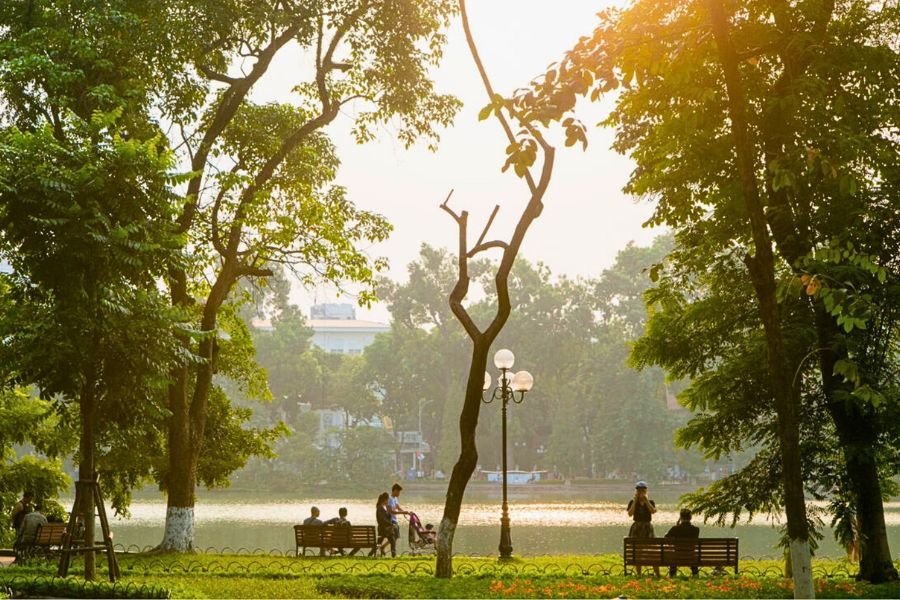
Hanoi in November normally feels mild, relatively dry and comfortable for city exploration.
Typical daytime conditions sit around the low to mid-20s Celsius, while early mornings and evenings may feel cooler. A light jacket or thin layer can be useful, particularly for passengers beginning the journey from Ha Long early in the day.
The lower humidity makes the Old Quarter, Hoan Kiem Lake, Temple of Literature and other open-air landmarks more comfortable than during the summer months.
Light drizzle or overcast periods can still occur. These conditions rarely prevent a city visit, but they may soften visibility and make stone surfaces slippery.
Passengers travelling to Hanoi from Ha Long International Cruise Port should remember that the road transfer takes a substantial part of the day. November weather may be comfortable, but the excursion still needs realistic departure and return timing.
Our Hanoi shore excursions are planned around the available port window, with private transport and carefully selected stops rather than an overloaded city route.
Ha Long Weather in November
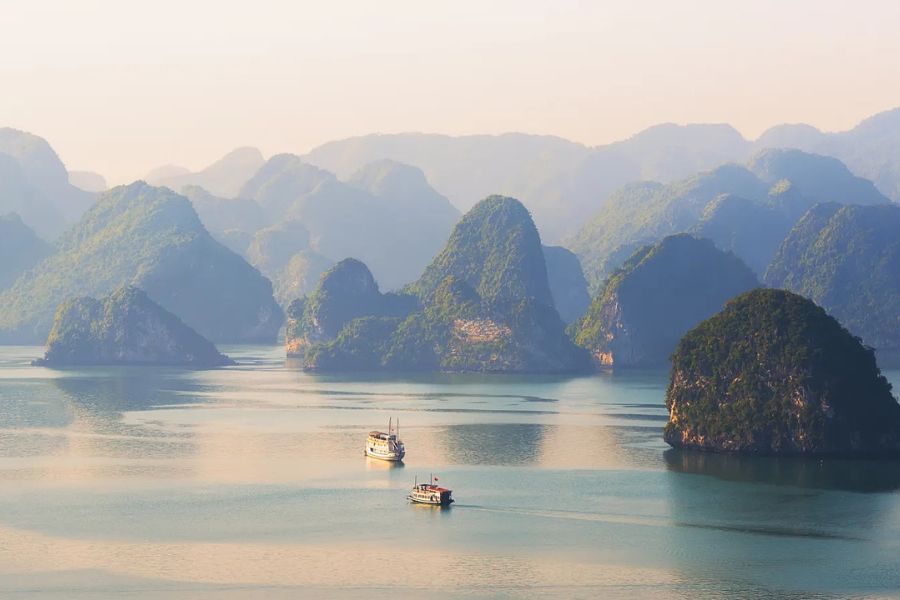
Ha Long can be particularly attractive in November. The summer heat has usually eased, and a mixture of sun, soft cloud and cooler air can create comfortable conditions on the water.
The limestone islands may appear sharp beneath a clear sky or more atmospheric when light mist and cloud settle around the karsts.
Passengers should still bring a light layer for the boat deck. The temperature may feel cooler once the vessel moves across the bay, especially during the morning or late afternoon.
November is generally more stable than the summer storm period, but visibility and marine conditions should always be checked on the day. The local authorities and cruise operator control whether bay activities can proceed.
A short bay cruise, cave visit or cultural route can work well during a November call. Guests can compare our Ha Long Bay shore excursions or read the Ha Long International Cruise Port Guide for more detailed port information.
Central Vietnam Weather in November
Central Vietnam requires the greatest weather awareness in November.
Temperatures remain warm, often within the mid-to-upper 20s Celsius, but rainfall becomes the more important factor. Showers may be brief, but longer spells of rain can also occur.
Cloud, wet roads and reduced visibility may influence mountain routes, coastal viewpoints and journeys between Chan May Port, Hue, Da Nang and Hoi An.
This does not mean every November port call will be lost to rain. It means the itinerary should have a clear priority, a flexible route and an alternative when an outdoor stop becomes uncomfortable.
Da Nang Weather in November
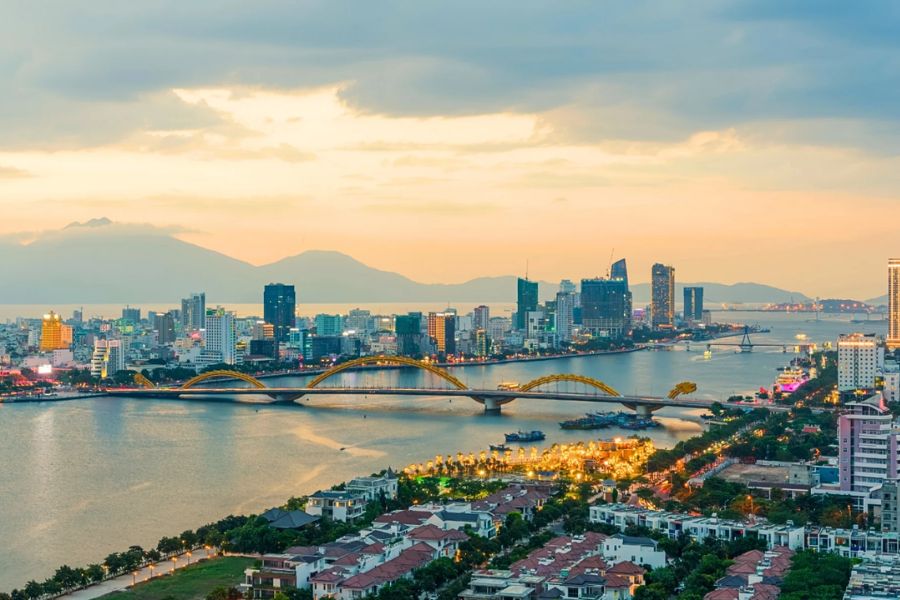
Da Nang enters its rainy period in November. Days can remain warm, but the sky is often more changeable than during the drier months.
Rain may arrive as a passing shower or continue for a longer part of the day. Sea conditions may also become less suitable for beach activities or small-boat experiences.
My Khe Beach can still provide an attractive coastal stop when conditions are calm, but passengers should not build the entire port day around beach time.
Cultural and city landmarks such as the Museum of Cham Sculpture, Linh Ung Pagoda and selected parts of Marble Mountains can provide a more adaptable route.
Marble Mountains includes stone steps and outdoor paths that may become slippery after rain. Older travellers should confirm whether the elevator and shorter walking route are suitable for the day.
Hoi An and Hue in November
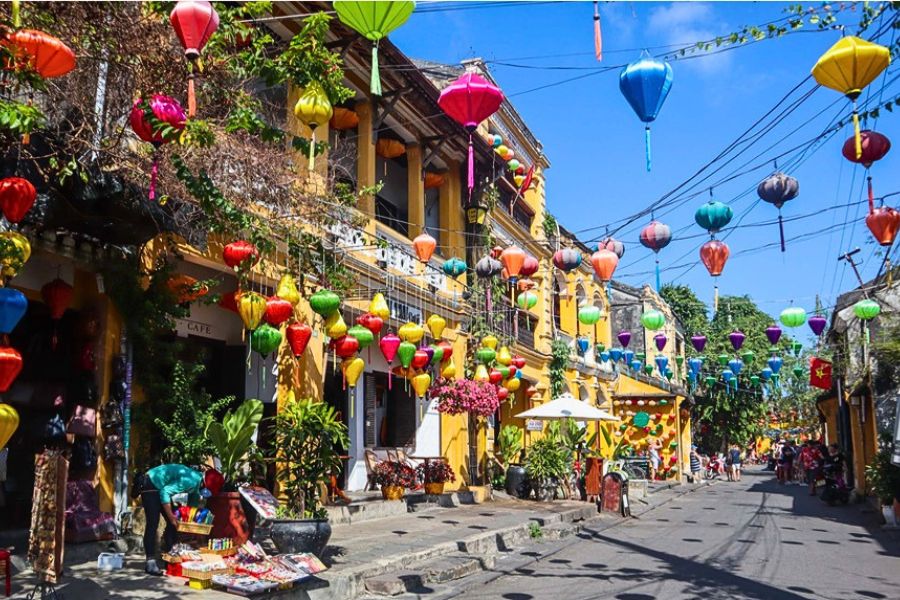
Hoi An and Hue can remain rewarding in November, but rain changes the pace and character of the visit.
Hoi An Ancient Town has flat streets and many sheltered heritage buildings, making it easier to adjust than a beach or mountain itinerary. Heavy rain can still create puddles, slippery paving and occasional local flooding. When conditions are suitable, a basket boat ride through the Cam Thanh coconut waterways can also be included, although heavy rain may affect comfort and operating arrangements.

Hue’s Imperial City, royal tombs and pagodas involve a mixture of covered and open-air areas. An umbrella and lightweight rain layer are useful, but the guide may need to shorten long outdoor walks.
For ships arriving at Chan May Port, the choice between Hue, Da Nang and Hoi An should reflect current road and weather conditions rather than following a fixed itinerary regardless of the forecast.
Our Hoi An and Da Nang shore excursions can be adjusted around rainfall, port timing and the walking comfort of the group.
What Happens If It Rains during a Central Vietnam Port Call?
Light or intermittent rain does not normally require cancelling the entire day.
A guide may change the order of attractions, begin with a museum or covered heritage site, and return to outdoor stops when the weather improves.
During prolonged heavy rain, mountain viewpoints, exposed coastal areas and long walking routes may become less suitable.
Passengers should resist the temptation to add distant replacement stops at the last minute. A shorter, comfortable route with a reliable return is preferable to crossing the region in search of better weather.
Nha Trang Weather in November
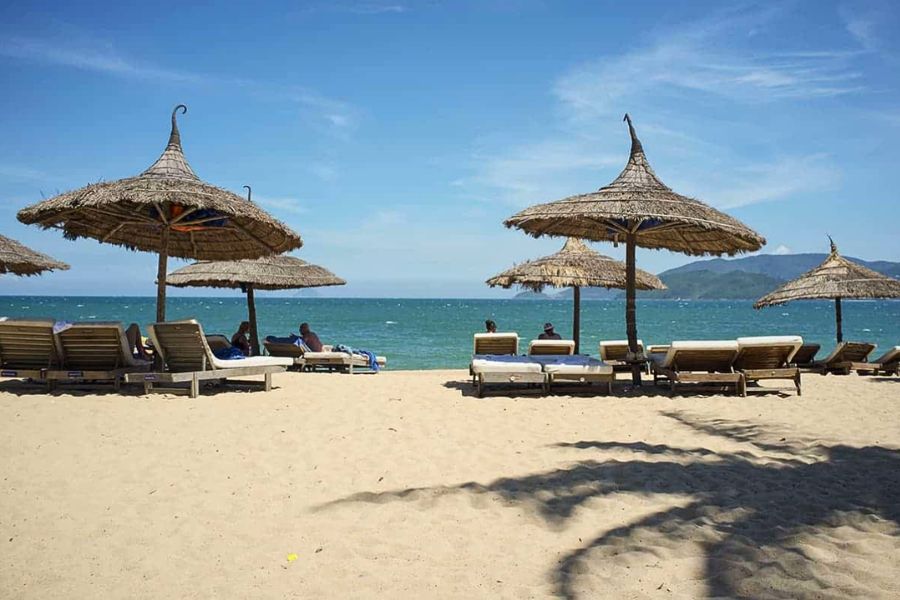
Nha Trang remains warm in November, but the month falls within the city’s September-to-December rainy period.
Temperatures commonly feel tropical, with warm afternoons and humid conditions. Sunshine may appear between showers, so a rainy forecast does not always mean continuous rain throughout the day.
November is less predictable for island hopping, snorkeling and small-boat journeys. Wind, waves and visibility matter more than rainfall alone when deciding whether a marine activity can operate.
Cultural visits are easier to adjust. Po Nagar Cham Towers, Long Son Pagoda, local craft villages and a city route can often continue with shorter outdoor periods.

Nha Trang Port is currently closed for maintenance, and cruise ships are using Cam Ranh Cruise Port, approximately 60 kilometres south of Nha Trang City. This longer transfer needs to be considered together with November traffic and weather conditions.
Passengers can explore our Nha Trang shore excursions from Cam Ranh Cruise Port, with routes selected around the ship’s docking time and the conditions on the day.
South Vietnam Weather in November
Southern Vietnam remains warm and tropical in November.
Daytime conditions are often close to 30°C, and humidity remains noticeable. Rain is still possible because November sits near the end of the southern wet season.
Showers often develop later in the day and may be followed by brighter conditions. Longer rain periods can occur, but the weather is generally easier to work around than a prolonged central-coast system.
Lightweight clothing, sun protection and drinking water remain necessary, even when showers are expected.
Ho Chi Minh City Weather in November
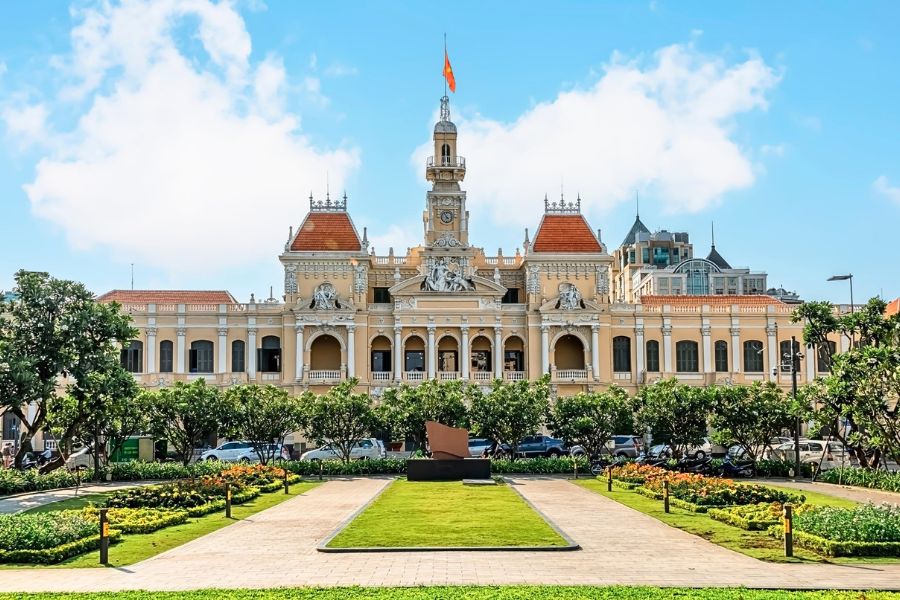
Ho Chi Minh City in November is usually warm, humid and active, with a mixture of sunshine, cloud and occasional tropical rain.
The temperature changes little between seasons, so passengers should prepare for heat rather than cool autumn weather.
A shower may briefly slow traffic or require an indoor stop, but city sightseeing can usually continue. Reunification Palace, the War Remnants Museum, Central Post Office and local cafés provide useful covered sections within the day.
The greatest planning concern is not usually the weather inside the city. Most cruise ships use Phu My Port, which lies around 1.5 to 2 hours from central Ho Chi Minh City under normal conditions.
Rain and traffic can extend the return journey, so the guide should protect the port buffer rather than using every available minute for sightseeing.
Our Phu My shore excursions and Ho Chi Minh City tours include private port pickup and realistic return timing.
Phu My Port Conditions in November
Phu My remains warm throughout November. Passengers should expect exposed outdoor areas around the port and vehicle pickup point.
A compact umbrella or lightweight rain layer can be useful, but heavy waterproof clothing is uncomfortable in the tropical humidity.
During a wet afternoon, road traffic may move more slowly between Ho Chi Minh City and the port.
Passengers should not treat the ship’s published departure time as the deadline for leaving the city. The vehicle must reach Phu My with enough time for port access, security and boarding before all-aboard.
Phu Quoc in November
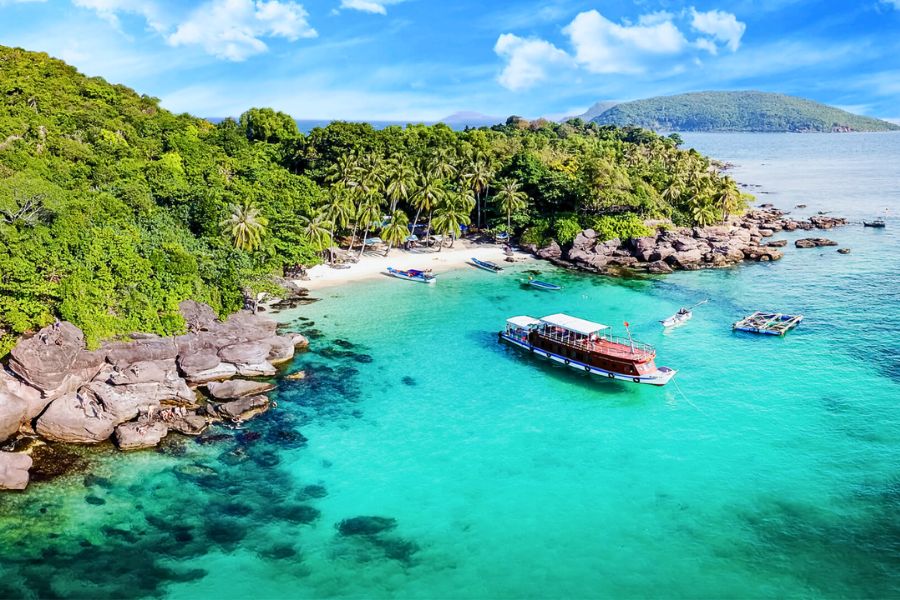
Phu Quoc begins moving towards its drier and sunnier travel period in November.
Warm temperatures continue, while the likelihood of extended rain generally begins to ease compared with the preceding wetter months.
Beach and island experiences may become more appealing, but sea conditions and local operating advice still determine whether smaller vessels can depart safely.
Is November a Good Time to Visit Vietnam?
November can be an excellent month to visit Vietnam, provided that the itinerary reflects the region.
Northern Vietnam generally offers the most comfortable combination of mild temperatures and lower humidity. Hanoi, Ha Long and nearby cultural destinations are particularly suitable for sightseeing.
Southern Vietnam remains warm and can support city, cultural and Mekong experiences with occasional adjustments for showers.
Central Vietnam is the least predictable. Da Nang, Hoi An, Hue and Nha Trang can still deliver rewarding port days, but travellers should prepare for rain and avoid itineraries that depend entirely on beaches, viewpoints or small boats.
There is no single answer to whether Vietnam in November is dry, wet, warm or cool. The correct answer depends on the port.
Which Vietnam Port Days Are Most Comfortable in November?
Ha Long for bay scenery and cooler conditions
November often suits a relaxed cruise among the limestone islands, with cooler air than the summer months.
A light jacket and weather check are still recommended, particularly for an early departure.
Hanoi for city heritage and walking
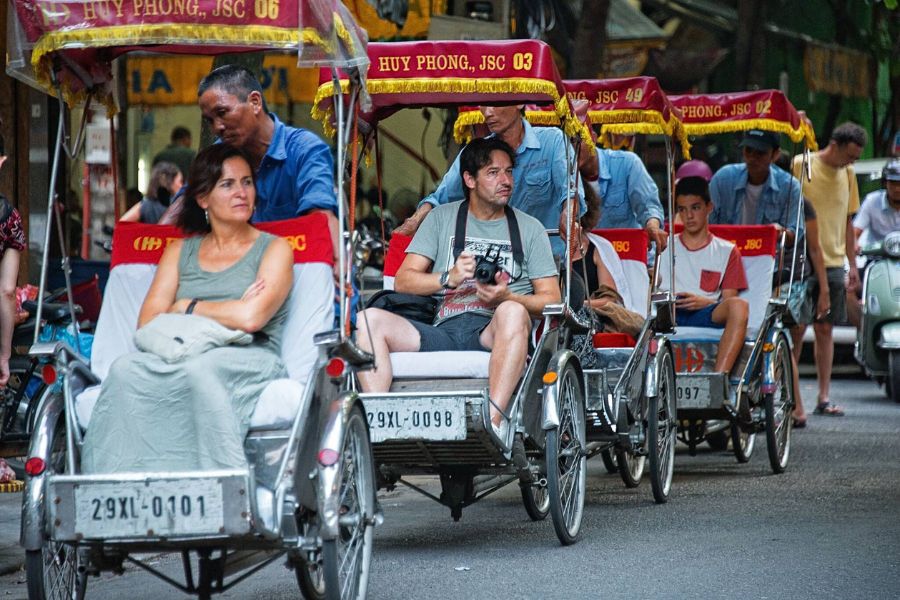
Mild temperatures and lower humidity can make Hanoi more comfortable for temples, museums, lakes and Old Quarter streets.
The long transfer from Ha Long remains the main limitation for cruise passengers.
Central Vietnam for flexible cultural routes
Hue, Da Nang and Hoi An should be planned with indoor or sheltered alternatives.
A cultural route is generally easier to adapt than a beach-focused or mountain-heavy day.
Nha Trang for city culture rather than guaranteed island weather
Po Nagar Cham Towers, Long Son Pagoda and local villages remain practical choices when sea conditions are unsettled.
Island trips should be confirmed close to arrival rather than treated as guaranteed November activities.
Ho Chi Minh City for a warm full-day excursion
City sightseeing remains suitable, but the long journey from Phu My Port requires a strong return margin.
A private vehicle and a selective route are more useful than trying to include every major attraction.
What to Wear in Vietnam in November
Packing for Vietnam in November requires more than one type of clothing because the regional conditions differ.
For Hanoi and Ha Long, bring a light jacket, cardigan or thin outer layer for the morning, evening and boat deck.
For central and southern Vietnam, lightweight and breathable clothing remains appropriate. A compact umbrella or light rain layer is useful.
Comfortable footwear with a secure sole is important in every region. Temple courtyards, stone paths and cruise terminals may become slippery after rain.
Shoulders and knees should be covered when visiting temples, pagodas and religious sites.
Sun protection remains necessary across Vietnam, even during a cloudy day. Bring sunscreen, sunglasses, a hat and drinking water.
November Weather Tips for Older Cruise Travellers
Older travellers should assess the full port day, not only the temperature shown in the forecast.
In Ha Long, consider the breeze and steps involved in boarding a local boat or entering a cave.
In central Vietnam, wet paving, temple steps and Marble Mountains can become more demanding after rain.
At Cam Ranh and Phu My, the long road transfer may be more tiring than the sightseeing itself.
A private air-conditioned vehicle, regular seated pauses and fewer well-chosen stops usually create a more rewarding day than a crowded itinerary.
Tell the operator in advance about walking aids, mobility concerns, motion sensitivity and the need for nearby restrooms.
How Weather Can Affect a Vietnam Cruise Itinerary
Cruise schedules may change when local weather, sea conditions or port operations make the original plan unsuitable.
A port call may begin later, use a different berth or require an adjusted passenger-release process.
At Ha Long and Nha Trang, marine activities are more sensitive to wind and sea movement. In central Vietnam, heavy rain can affect road conditions and outdoor walking. In southern Vietnam, tropical showers may slow traffic.
Passengers should check the ship’s daily programme before disembarking and share any revised arrival or all-aboard time with the local operator.
A responsible shore excursion may remove the final stop when delays occur. Protecting the return to the ship is more important than completing the original itinerary exactly as written.
Frequently Asked Questions about Vietnam Weather in November
What is Vietnam weather like in November?
Vietnam weather in November varies by region. Northern Vietnam is generally mild and drier, central Vietnam can be wet and unsettled, while southern Vietnam remains warm with occasional tropical showers.
What is the temperature in Vietnam in November?
Northern destinations often feel mild, with daytime temperatures around the low to mid-20s Celsius. Central Vietnam remains warmer, generally in the mid-to-upper 20s, while southern Vietnam commonly feels close to 30°C.
Is Vietnam rainy in November?
Parts of Vietnam are rainy in November, particularly the central coast. Northern Vietnam is normally drier, while southern Vietnam may still receive showers near the end of its wet season.
What is Hanoi weather in November?
Hanoi is usually mild, less humid and relatively dry. Mornings and evenings can feel cool, so a light layer is useful.
What is Ha Long weather like in November?
Ha Long often experiences a mixture of sun and cloud with warm-to-cool temperatures. Conditions can be comfortable for bay cruising, although visibility and marine safety should be checked locally.
What is Da Nang weather in November?
November marks the beginning of Da Nang’s rainier period. Warm temperatures continue, but longer rain spells and cloudy conditions are possible.
Does it rain in Hoi An in November?
Yes, November can bring substantial rainfall to Hoi An. The Ancient Town can still be visited, but routes may need adjustment during heavy rain or local flooding.
What is Nha Trang weather in November?
Nha Trang remains warm, but November falls within its rainy season. City visits often remain practical, while island and boat activities depend more heavily on wind and sea conditions.
What is Ho Chi Minh City weather in November?
Ho Chi Minh City remains hot and humid. Sunshine is common, although afternoon showers may still occur as the city approaches the end of its rainy season.
Is November suitable for a Vietnam cruise?
Yes. November can be particularly comfortable in northern and southern Vietnam. Central port calls require more weather flexibility and alternative sightseeing options.
What should cruise passengers pack for Vietnam in November?
Bring lightweight clothing, sun protection, secure walking shoes and a compact rain layer. Add a light jacket for Hanoi, Ha Long and cooler mornings in the north.
Which part of Vietnam has the most comfortable November weather?
Northern Vietnam often provides the most comfortable conditions, with lower humidity and mild temperatures. The southern region remains warm, while central Vietnam usually has the greatest chance of prolonged rain.
Plan Your November Port Day by Region
Vietnam in November offers cooler northern cities, atmospheric central heritage and warm southern energy, but these experiences do not share the same weather pattern.
A successful cruise day begins by identifying the correct region, port and transfer distance. Ha Long may call for a light layer, central Vietnam may require a flexible rain plan, while Phu My demands careful road timing in warm tropical conditions.
Shore Excursions Asia arranges private and selected small-group Vietnam experiences with licensed guides, air-conditioned transport, personal pacing, no compulsory shopping and return timing planned around the ship.


 Send Inquiry