
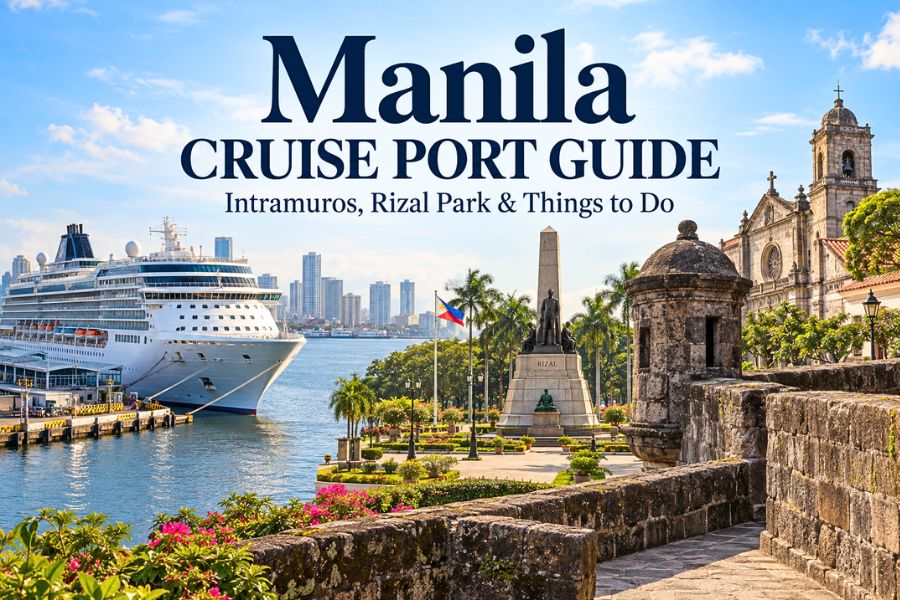
Manila gives cruise passengers an unusually concentrated introduction to Philippine history. Within a relatively small part of the capital, you can walk through the Spanish-era walls of Intramuros, enter Fort Santiago, see the UNESCO-listed San Agustin Church, visit the Rizal Monument and explore the National Museum complex.
The challenge is not finding enough to see. It is deciding how much of Metro Manila to attempt during one port call. Historic Manila sits relatively close to the cruise terminal, while districts such as Makati and Bonifacio Global City require additional road travel. In a city where traffic conditions can change quickly, a geographically focused itinerary is usually much more rewarding than trying to cross the metropolis repeatedly.
This Manila Cruise Port Guide explains where cruise ships dock, what is closest to the port, the best things to do and which routes make sense for different schedules. If you prefer transportation and sightseeing arranged around your ship time, Shore Excursions Asia offers private and selected small-group experiences designed for cruise passengers. Browse our Manila shore excursions or explore more Philippines shore excursions.
Where Do Cruise Ships Dock in Manila?
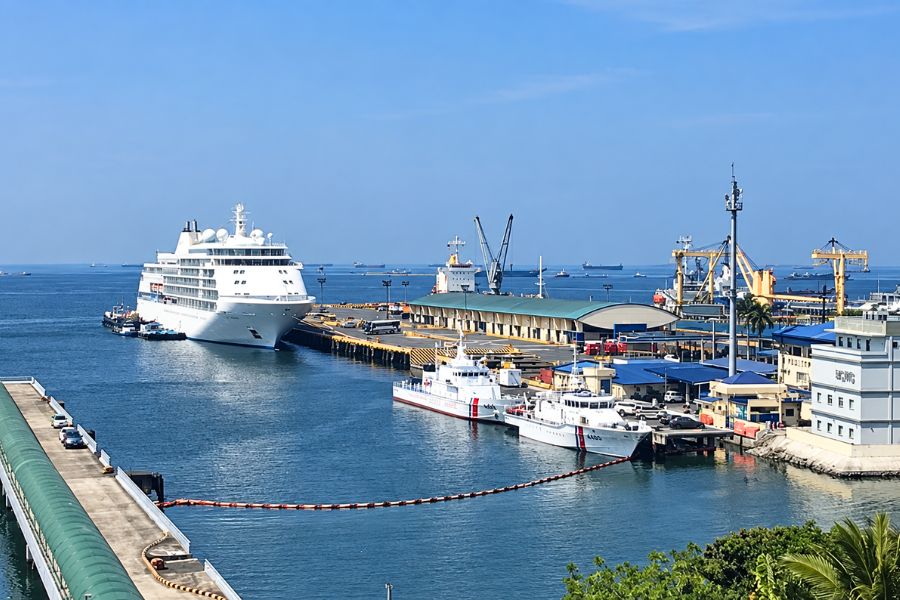
International cruise ships commonly dock at Pier 15 in Manila South Harbor, on the western edge of central Manila beside Manila Bay.
Pier 15 is particularly convenient for sightseeing because the historic district of Intramuros lies relatively close to the port. Unlike cruise destinations where passengers must spend an hour or more traveling before reaching the main attractions, Manila allows many visitors to begin with Old Manila soon after leaving the terminal.
The exact operational arrangements can still vary by ship, so passengers should always follow the berth, meeting-point and disembarkation information supplied onboard.
Manila Cruise Port at a Glance
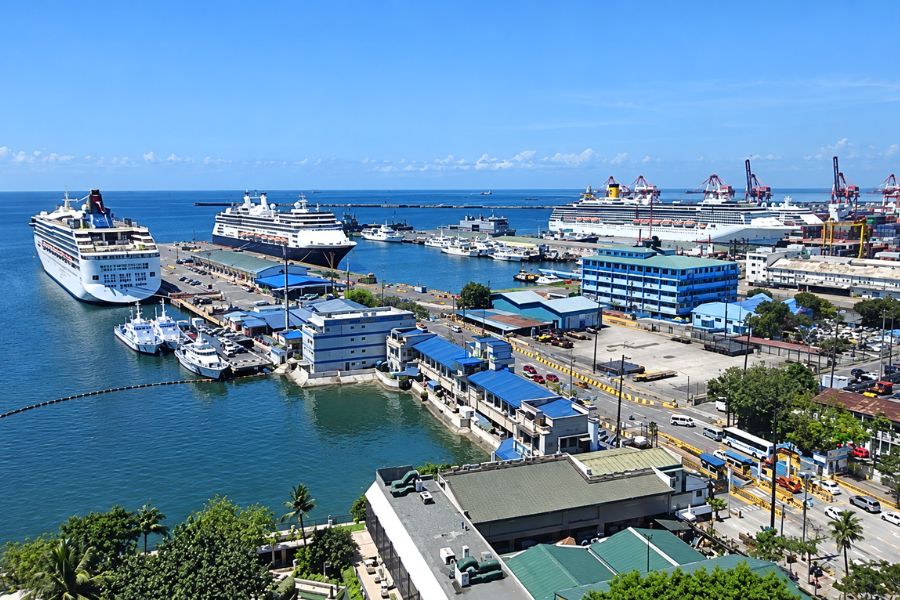
- Main cruise berth: Pier 15, Manila South Harbor
- Location: Port Area, beside Manila Bay
- Closest major sightseeing district: Intramuros
- Main historic highlights: Fort Santiago, San Agustin Church, Manila Cathedral and Casa Manila
- Nearby national landmark: Rizal Park
- Major museums: National Museum complex
- Useful transport: Taxi, ride-hailing services, private vehicle and organized excursion
- Best strategy: Keep the core itinerary around Old Manila before considering more distant districts
Is Manila Cruise Port Close to Intramuros?
Yes. Intramuros is one of the most practical major sightseeing areas from Manila South Harbor.
The walled district lies immediately inland from the Port Area, making it the natural starting point for most first-time cruise passengers.
This is an important advantage in Manila. You do not need to cross Metro Manila to begin seeing historically significant places.
A compact Old Manila day can include:
- Fort Santiago
- Manila Cathedral
- San Agustin Church
- Casa Manila
- Intramuros streets and walls
- Rizal Park
- one National Museum building
Attempting all of those plus Makati, BGC and distant attractions is a very different proposition because road travel begins to take a much larger share of the day.
Can You Walk from Manila Cruise Port to the Attractions?
Although Intramuros is geographically close to South Harbor, using a vehicle from the port is generally more practical than building the entire day around walking from the pier.
Port access, heat, humidity and traffic conditions around the harbor can make the first section less pleasant than walking once you are inside Intramuros.
A good approach is to travel from Pier 15 to the historic district, then explore selected parts of Intramuros on foot.
Within the walls, several major attractions sit close enough together to create an efficient walking route.
Passengers with limited mobility can reduce the walking further by keeping a vehicle available between the main stops.
Best Things to Do from Manila Cruise Port
Explore Intramuros
Intramuros is the historic core of Manila and the most important area to understand during a first cruise visit.
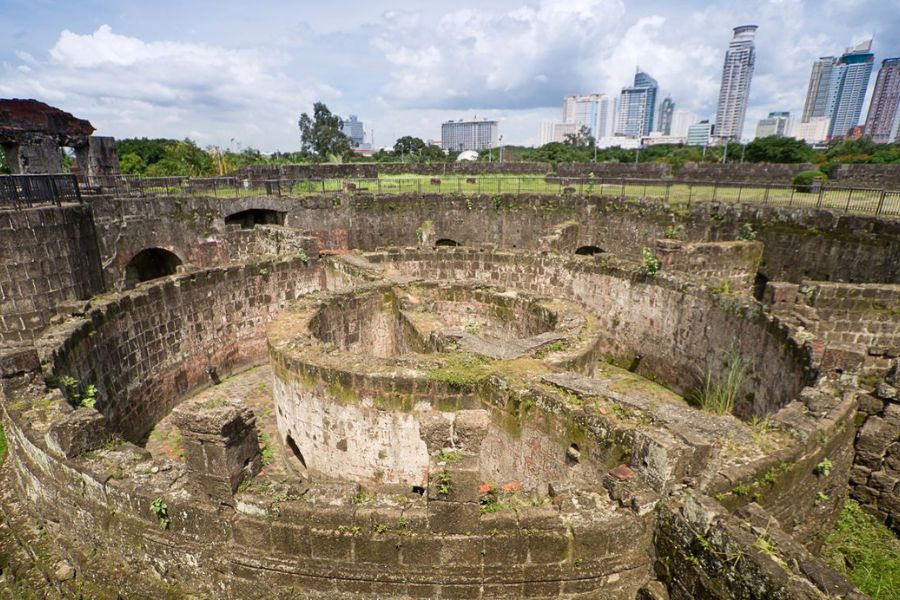
Its name means “within the walls,” referring to the fortified city developed under Spanish colonial rule. For centuries, this was the administrative, religious and commercial center of colonial Manila.
Wars, earthquakes and particularly the destruction of World War II dramatically altered the district, but surviving monuments and reconstructed areas still reveal important layers of Philippine history.
Rather than viewing Intramuros as one attraction, think of it as a historic district containing several sites that can be linked into one route.
Our Full Day Manila City Tour places Intramuros at the center of a seven- to eight-hour shore excursion and combines it with Rizal Park and selected areas of modern Manila.
Visit Fort Santiago
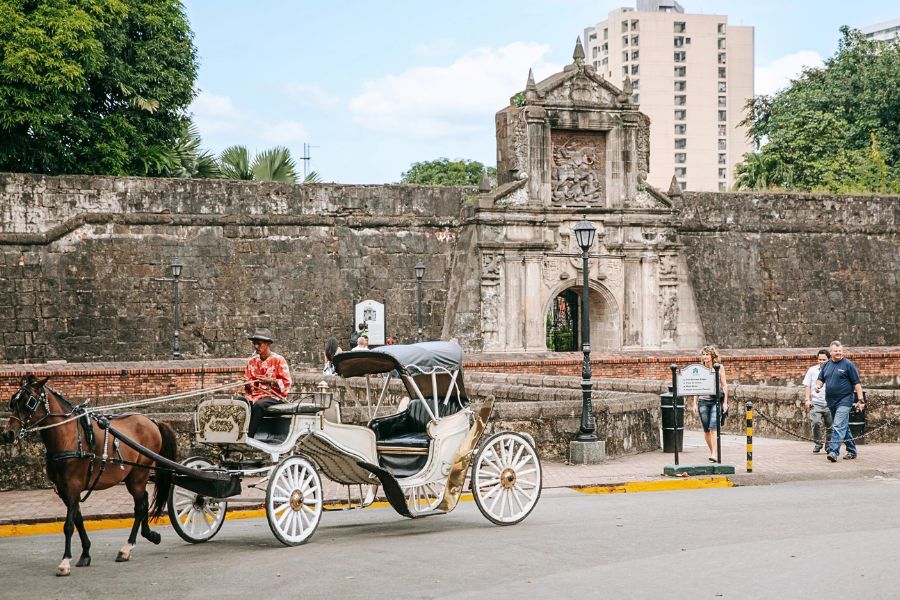
Fort Santiago is one of the most significant historical sites inside Intramuros.
The fortress developed at the mouth of the Pasig River as part of Manila’s defenses during the Spanish colonial period. Over the centuries it served military, administrative and prison functions and later became closely associated with the Philippine national hero José Rizal.
Rizal was imprisoned here before his execution in 1896.
Today visitors can walk through the main gate, plazas and surviving defensive structures while learning about the fort’s colonial, revolutionary and wartime history.
Fort Santiago deserves more than a quick photograph because it provides essential context for both Intramuros and Rizal Park later in the day.
See Manila Cathedral
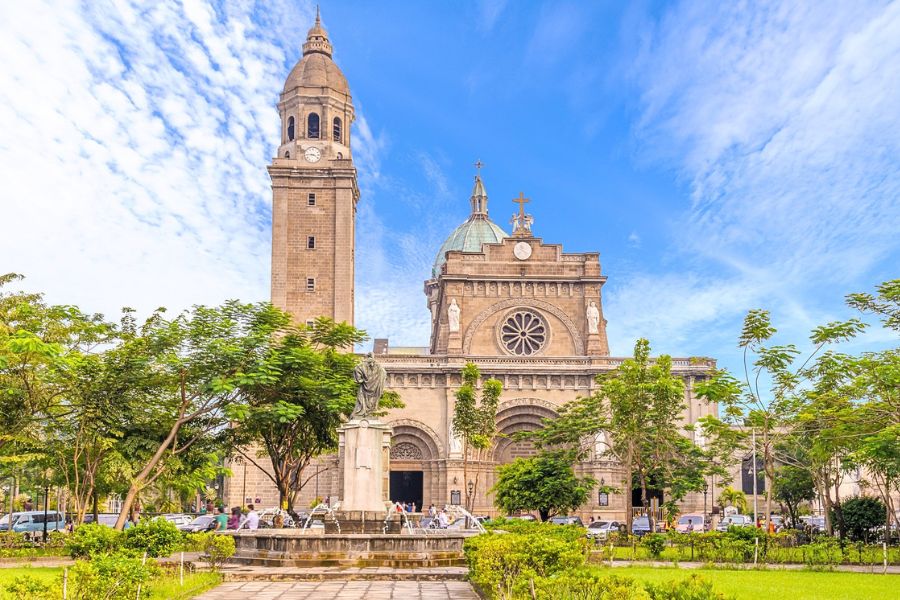
Manila Cathedral stands at Plaza de Roma in the heart of Intramuros.
The church seen today represents the latest in a series of cathedral buildings that have occupied the site, earlier structures having been damaged or destroyed by earthquakes, fires and war.
Its location makes it easy to combine with Fort Santiago and the surrounding historic streets.
Even passengers who do not spend a long time inside can appreciate the cathedral as part of a wider walk through the old walled city.
Visit San Agustin Church
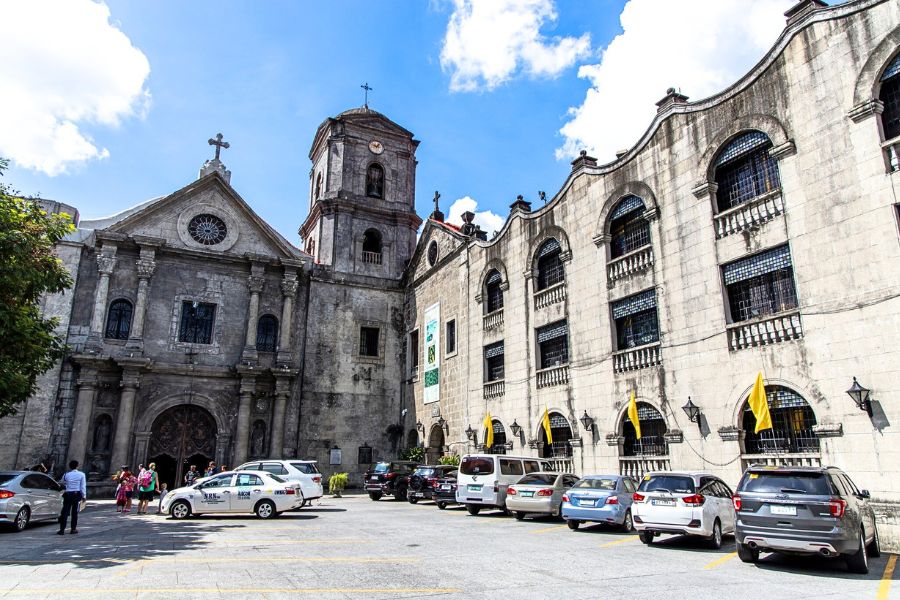
San Agustin Church is one of the most historically important religious buildings in the Philippines.
The stone church survived the destruction that affected much of Intramuros during World War II and is part of the UNESCO World Heritage property covering the Baroque Churches of the Philippines.
Its interior, religious artworks and adjoining museum provide a different experience from Manila Cathedral.
If your port call allows only one historic church interior, San Agustin is generally the stronger choice for passengers interested in heritage and architecture.
Our Glimpse of Manila itinerary combines Fort Santiago, Casa Manila, San Agustin and the National Museum for passengers who want to concentrate primarily on the city’s history and culture.
Step Inside Casa Manila
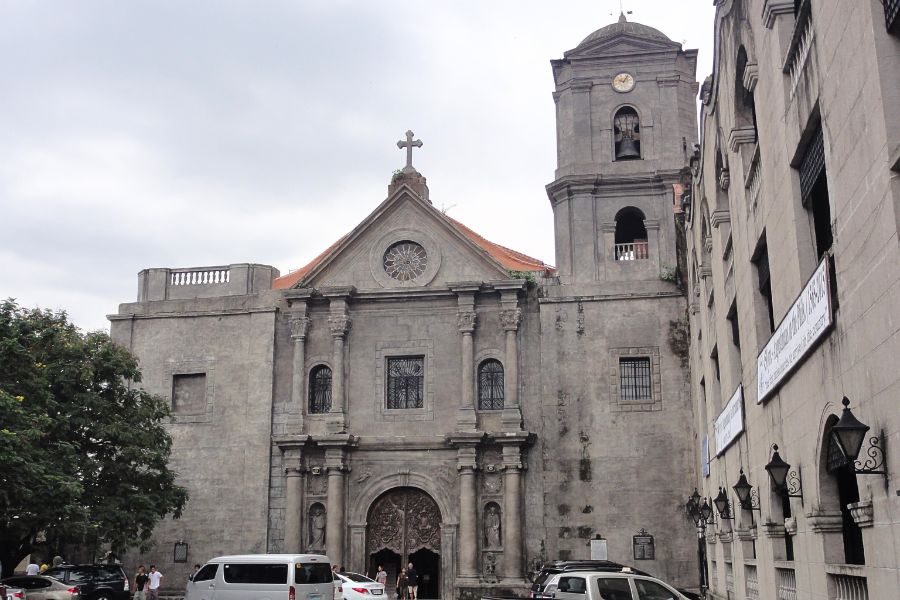
Casa Manila recreates the domestic environment of an affluent nineteenth-century Filipino household during the Spanish colonial period.
Furniture, rooms and household objects help visitors imagine everyday life behind the stone façades of old Manila.
The museum provides useful contrast to forts and churches because it focuses on residential life rather than political or religious institutions.
Casa Manila is particularly convenient because it sits opposite San Agustin Church, allowing both to be visited without another vehicle transfer.
Keep in mind that Casa Manila is normally closed on Mondays, so itineraries should have an alternative when the ship calls at the beginning of the week.
Visit Rizal Park
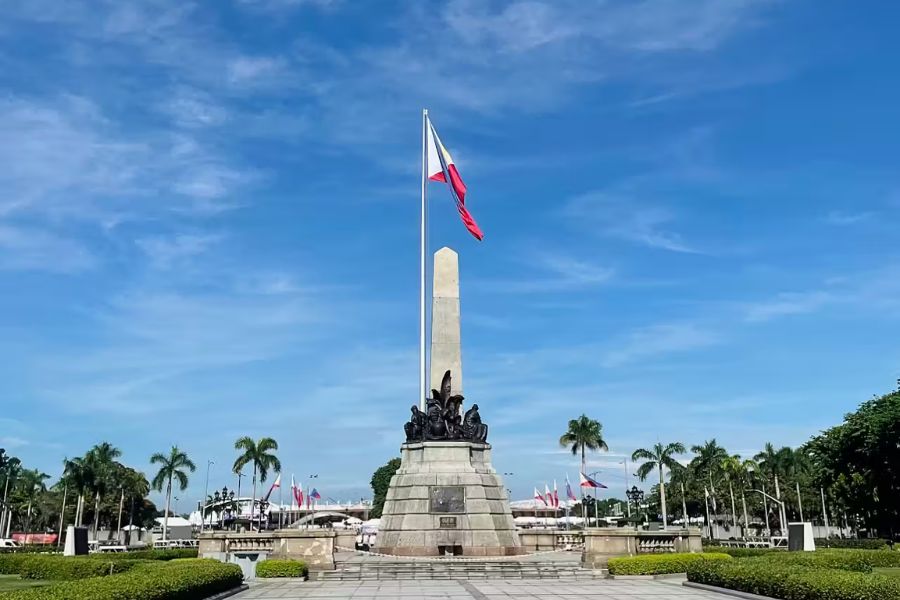
Rizal Park, also known as Luneta, is one of Manila’s most important public spaces.
The park is closely associated with Dr. José Rizal, whose writings helped inspire the Philippine nationalist movement during the late Spanish colonial period.
Rizal was executed in this area on December 30, 1896. The prominent Rizal Monument now contains his remains and serves as one of the Philippines’ major national memorials.
For cruise passengers, Rizal Park works naturally after Intramuros because the two areas are close geographically and historically connected.
The outdoor setting also provides a change of pace after visiting churches, museums and fortified buildings.
Explore the National Museum Complex
Several major National Museum institutions stand around the Rizal Park area, making them surprisingly convenient during a Manila port day.
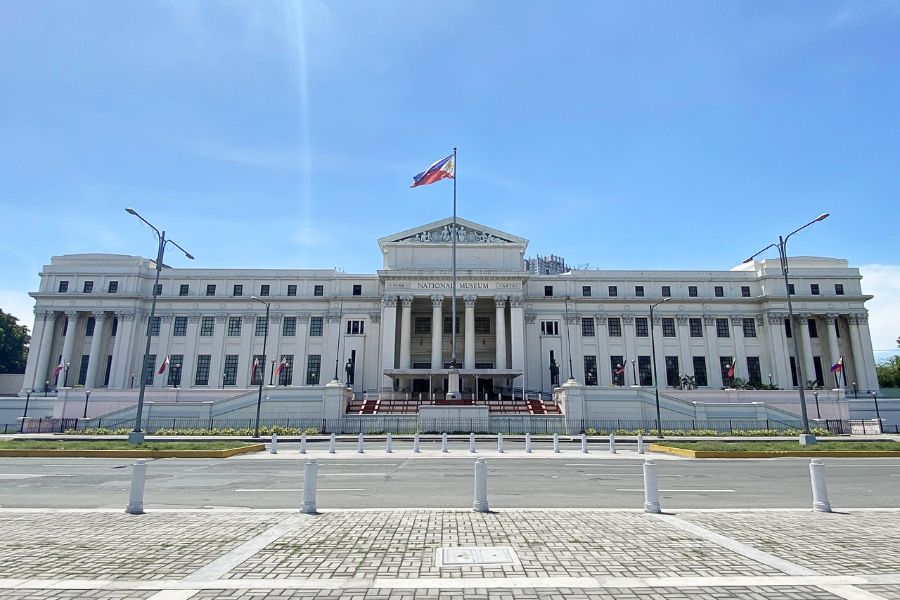
The three principal museums in the complex are:
- National Museum of Fine Arts
- National Museum of Anthropology
- National Museum of Natural History
All three are substantial museums. Trying to visit every building thoroughly during a single cruise call would leave little time for Intramuros.
The better strategy is to select the museum that best matches your interests.
National Museum of Fine Arts
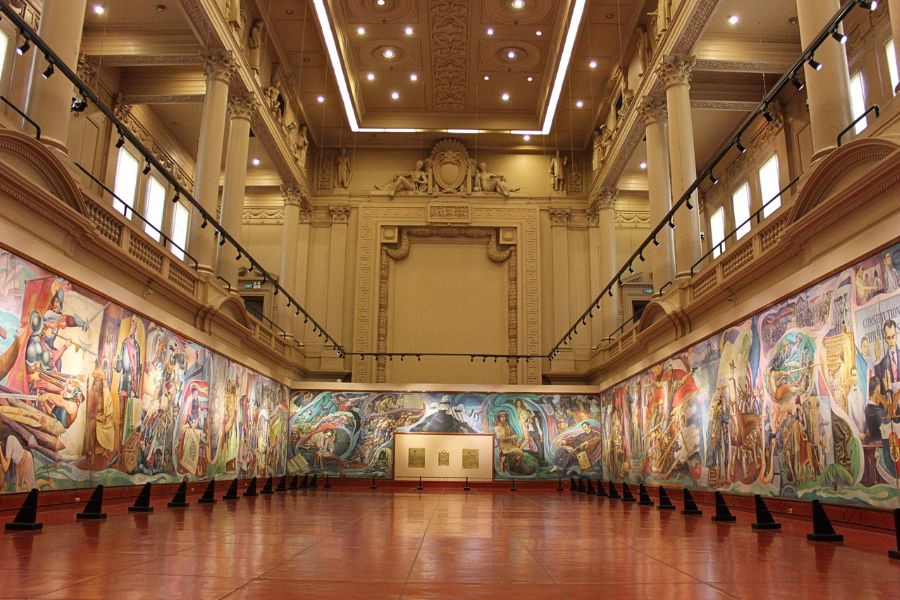
This is the strongest choice for passengers interested in Philippine art.
Its collection includes works by major Filipino artists and provides an introduction to the development of visual culture in the country.
One of the best-known works is Juan Luna’s monumental Spoliarium.
National Museum of Anthropology
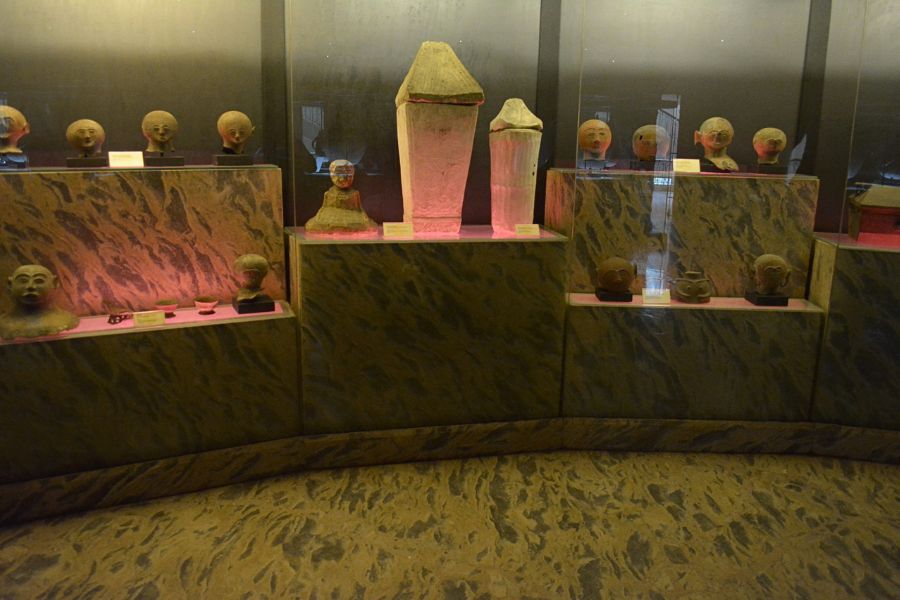
This museum focuses more directly on the peoples, cultures, archaeological heritage and ethnographic traditions of the Philippines.
For international visitors wanting a broader understanding of the archipelago beyond Manila, it can be especially valuable.
National Museum of Natural History
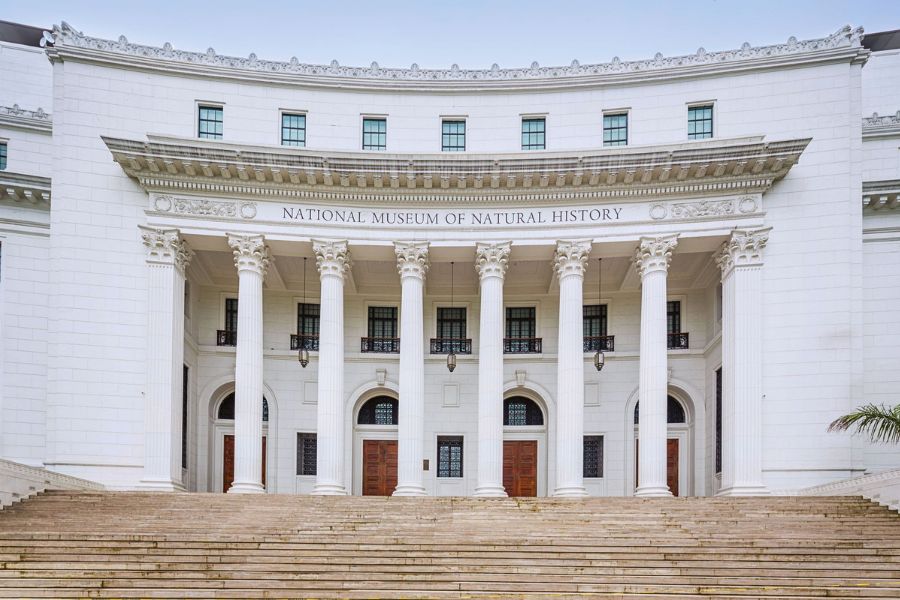
The Natural History museum focuses on the country’s extraordinary biodiversity and geological environment.
It works particularly well for travelers whose cruise will continue through other Philippine islands because the exhibitions provide context for the landscapes, wildlife and ecosystems they may encounter elsewhere.
Current National Museum visitor information lists the main Manila museums as open daily from 9:00 AM to 6:00 PM, but cruise passengers should still reconfirm hours around holidays or special events.
Intramuros or National Museum: Which Should You Prioritize?
If you have a short first visit to Manila, prioritize Intramuros.
Fort Santiago, San Agustin Church and the surrounding streets provide the clearest introduction to the colonial history that shaped Manila.
Add the National Museum when:
- you have at least five or six usable sightseeing hours;
- art, anthropology or natural history is a major interest;
- the midday heat or rain makes indoor sightseeing attractive;
- you prefer museums to extended outdoor walking.
For a longer call, Intramuros, Rizal Park and one National Museum building create an excellent historically focused day without requiring long drives across Metro Manila.
What About Binondo and Manila Chinatown?
Binondo sits across the Pasig River from Intramuros and is one of Manila’s most interesting areas for food and local street life.
The district has deep connections with the city’s Chinese-Filipino community and offers temples, churches, shops and restaurants within a dense urban neighborhood.
For food-focused travelers, Binondo can replace one museum or modern-city stop.
However, this is not an area I would simply add to an already full Intramuros, museum, Makati and BGC itinerary.
Traffic and the time needed to explore on foot mean Binondo deserves its own allocation rather than becoming another photo stop.
Should Cruise Passengers Visit Makati or BGC?
Makati and Bonifacio Global City show the modern side of Metro Manila, with contemporary business districts, shopping centers, restaurants and high-rise developments.
They create a strong visual contrast with Intramuros.
The question is whether that contrast is worth the additional road time during your particular port call.
Consider Makati or BGC when:
- your ship has a long call;
- you have already visited Old Manila;
- you specifically want to see modern Metro Manila;
- your itinerary has a vehicle available throughout the day.
For most first-time cruise passengers with five or six usable sightseeing hours, I would stay around historic Manila rather than spending a large part of the day crossing the metropolis.
The longer Full Day Manila City Tour can include selected modern districts because it is structured as a seven- to eight-hour excursion with dedicated transportation.
How to Spend One Day from Manila Cruise Port
Option 1 Essential Old Manila
Pier 15 → Fort Santiago → Manila Cathedral → San Agustin Church → Casa Manila → Rizal Park → Port
This is the strongest route for a shorter first visit.
The itinerary remains geographically compact, covers Manila’s most important historical district and avoids unnecessary travel across Metro Manila.
If time becomes limited, Casa Manila can be removed while preserving the core experience.
Option 2 Intramuros and National Museum
Port → Fort Santiago → Manila Cathedral → San Agustin Church → Casa Manila → Rizal Park → National Museum of Fine Arts → Port
This is my preferred route for first-time passengers with around five to six usable sightseeing hours.
It combines colonial Manila, national history and Filipino art without making the day overly dependent on long road transfers.
Passengers more interested in culture than art can substitute the National Museum of Anthropology.
Option 3 Manila History and Culture
Port → Rizal Park → Intramuros → Fort Santiago → San Agustin → Casa Manila → National Museum → Port
This route works particularly well for travelers who want historical interpretation rather than shopping or modern-city sightseeing.
It closely matches the focus of our Manila Historical & Cultural Tour, which is built around the historic heart of the capital.
Option 4 Full Manila: Old and New
Port → Rizal Park → Intramuros → Fort Santiago → San Agustin → Makati → BGC → Port
This route gives a broader impression of Metro Manila but should be reserved for a long cruise call.
The modern districts are not simply adjacent sightseeing stops. Travel time between the old city and newer business districts can vary considerably.
A dedicated vehicle and generous return margin are essential.
Option 5 Relaxed Manila for Senior Passengers
Port → Fort Santiago → Manila Cathedral → San Agustin Church → Rizal Park → National Museum or scenic drive → Port
This itinerary deliberately reduces the number of stops.
Vehicle transfers between the major areas reduce exposure to heat and minimize long walks over uneven historic surfaces.
It also leaves more time for sitting, museum visits and guided interpretation rather than turning Intramuros into a rapid walking circuit.
How Much of Manila Can You Realistically See in One Cruise Day?
A common planning mistake is treating “Manila” and “Metro Manila” as if all attractions lie within one compact downtown.
The historic core around Intramuros, Rizal Park and the National Museum is comparatively concentrated.
Other areas such as Makati and BGC sit farther away and are connected by busy urban roads.
A useful planning rule is:
- Short port call: stay around Intramuros and Rizal Park
- Medium port call: add one National Museum
- Long port call: consider Binondo or one modern Manila district
- Very long or overnight call: broader Metro Manila or destinations outside the capital become more realistic
Seeing fewer places with meaningful time at each one is usually more satisfying than spending the day repeatedly entering and leaving a vehicle.
Manila Traffic: What Cruise Passengers Need to Know
Traffic should be treated as part of the itinerary rather than an afterthought.
Road conditions can vary according to time of day, weather, construction, events and congestion around major districts.
This is one reason the Intramuros–Rizal Park–National Museum cluster is so useful: the core attractions remain close together.
The farther your itinerary extends from the Port Area, the larger your return margin should become.
A practical cruise-day strategy is to schedule distant areas earlier and move gradually back toward the port as the day progresses.
If the itinerary starts running behind schedule, remove a secondary stop rather than cutting the return buffer.
Getting Around from Manila Cruise Port
Taxi and Ride-Hailing Services
Taxi and ride-hailing services can be useful for independent passengers moving between central Manila attractions.
Always make sure the driver understands that the return destination is Pier 15, Manila South Harbor rather than simply “Manila Port,” as the wider port area contains multiple facilities.
Allow additional waiting time during peak periods or heavy rain.
Private Vehicle
A private vehicle is particularly useful in Manila because sightseeing requires balancing historical areas with unpredictable road conditions.
Keeping one vehicle throughout the day avoids repeatedly finding transport after each attraction and allows the route to be adjusted if traffic changes.
For senior passengers, air-conditioned transfers also make the day considerably more comfortable in Manila’s heat and humidity.
Walking
Walking works best within a sightseeing district rather than as the main form of transport for the entire day.
Intramuros is well suited to a guided walking segment connecting Fort Santiago, Manila Cathedral, San Agustin and Casa Manila.
Rizal Park also requires some outdoor walking but is relatively flat.
Comfortable footwear, sun protection and water are particularly useful during hot weather.
Jeepneys and Local Public Transport
Manila’s jeepneys are an iconic part of local transport culture, but they are not necessarily the most efficient solution for a first-time cruise passenger working with a strict return deadline.
Routes, boarding points and connections can require local familiarity.
Passengers who want to experience public transport can include it intentionally, but should not depend on multiple unfamiliar connections for the final journey back to the ship.
Can You Explore Manila Independently?
Yes. A focused Intramuros and Rizal Park itinerary can be explored independently by passengers comfortable arranging local transportation.
Independent sightseeing becomes less predictable when the itinerary spreads across Metro Manila.
A shore excursion becomes more useful when:
- you want to combine Old Manila with Makati or BGC;
- your ship has a limited port window;
- you prefer one vehicle available throughout the day;
- you want detailed historical interpretation inside Intramuros;
- you are traveling with senior passengers;
- you want the route adjusted according to live traffic conditions;
- you want return timing planned around your ship schedule.
You can compare available options on our Manila shore excursions page.
Walking and Mobility Considerations in Manila
Manila can be adapted to a comfortable senior-friendly cruise day, but the itinerary should account for heat as well as walking distance.
Intramuros contains cobbled streets, historic paving and outdoor sections that may feel more demanding during hot or humid conditions.
Fort Santiago also involves walking across open areas and historic surfaces.
Rizal Park is relatively flat, while the National Museum provides a useful air-conditioned indoor stop.
For travelers who prefer less walking, a comfortable itinerary might include:
- vehicle transfer directly from Pier 15 to Fort Santiago;
- short guided stops within Intramuros;
- vehicle transfer to Rizal Park;
- one museum rather than several;
- an early return toward the port rather than adding Makati or BGC.
The current Full Day Manila City Tour is listed with moderate walking and uses air-conditioned transportation throughout the excursion.
What to Eat During a Manila Port Day
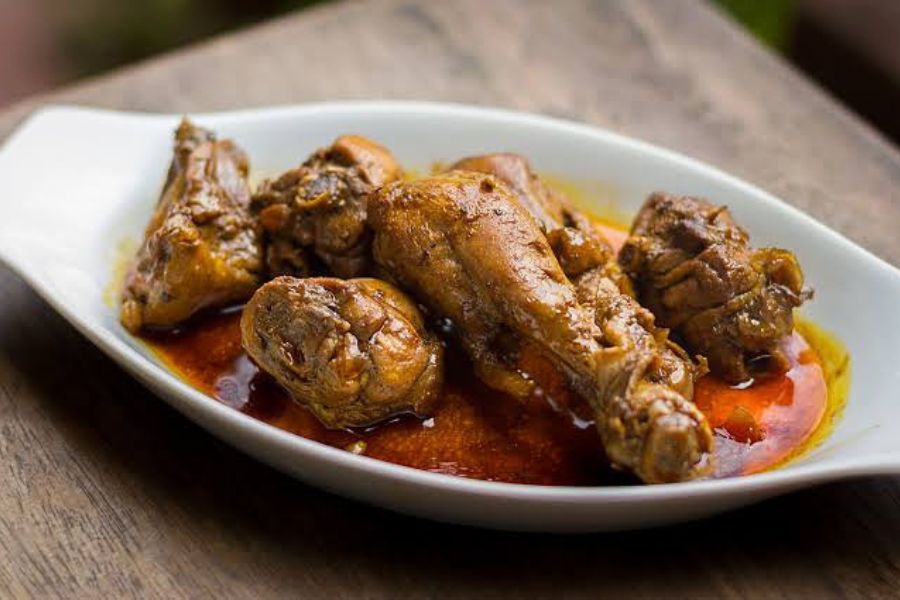
Adobo
Adobo is one of the Philippines’ best-known dishes, commonly prepared with meat braised in vinegar, soy sauce, garlic and spices.
There is no single universal version, and trying a local interpretation can be an easy introduction to Filipino food.
Sinigang
Sinigang is a sour soup commonly prepared with meat or seafood and vegetables.
Its distinctive sourness often comes from tamarind and makes it noticeably different from many other Southeast Asian soups.
Lumpia

Lumpia refers to Filipino spring rolls and is an easy dish to add to lunch during a sightseeing day.
Halo-Halo

For Manila’s hot weather, halo-halo is one of the most recognizable local desserts.
The dessert combines shaved ice with milk and a mixture of sweet ingredients that can include beans, fruit, jellies and other toppings.
A proper Filipino lunch can add a lot to the port day, but during a short call it is better to eat near the sightseeing route rather than drive across Manila solely for one famous restaurant.
What If It Rains During Your Manila Cruise Day?
Manila’s wet season can bring heavy rain, so a good itinerary should have enough indoor options to adapt.
Strong alternatives include:
- National Museum of Fine Arts
- National Museum of Anthropology
- National Museum of Natural History
- San Agustin Church and Museum
- Casa Manila when open
Fort Santiago and Rizal Park remain important, but extended outdoor walking can be reduced if conditions are poor.
Heavy rain can also affect road traffic, which is another reason to keep the final part of the itinerary relatively close to South Harbor.
Can You Visit Tagaytay or Taal Volcano from Manila Cruise Port?
Trips toward Tagaytay and the Taal area require a very different approach from a Manila city tour.
They involve substantial travel outside Metro Manila, so they should be considered only when the ship has a long port call or overnight stay and current road conditions make the journey practical.
Do not combine a proper Tagaytay excursion with a full Intramuros, National Museum, Makati and BGC itinerary in a normal day call.
For most first-time cruise passengers, Manila itself already provides more than enough worthwhile sightseeing without introducing a long-distance road journey.
How Much Time Do You Need in Manila?
Manila works best when the geographical scope of the itinerary expands according to the time genuinely available ashore.
- Around 3–4 usable hours: focus on Intramuros and selected historic highlights.
- Around 4–5 usable hours: add Rizal Park and one additional cultural stop.
- Around 5–6 usable hours: Intramuros, Rizal Park and one National Museum create a strong first-time day.
- Around 7–8 usable hours: a broader city tour can include selected areas of modern Manila.
- Overnight or very long call: additional Metro Manila districts or carefully planned destinations outside the capital become more realistic.
These are general planning examples rather than guarantees. Traffic, weather, museum hours, port procedures and the ship’s all-aboard time can all change what fits comfortably.
Which Manila Itinerary Is Best for Senior Cruise Passengers?
For a comfortable first visit, I would prioritize:
Fort Santiago → Manila Cathedral → San Agustin Church → Rizal Park → one National Museum → Port.
This provides a strong historical overview while keeping the route geographically concentrated.
A private vehicle between the major areas reduces heat exposure and avoids unnecessary walking along busy city streets.
If the group tires earlier than expected, the museum or final secondary stop can be shortened while preserving the core Intramuros experience.
How Early Should You Return to Manila Cruise Port?
Always follow the all-aboard time provided by your cruise line and plan to arrive at Pier 15 comfortably before the deadline.
A historic Manila itinerary gives you a useful advantage because Intramuros and Rizal Park remain relatively close to South Harbor.
Much more caution is required when the final stop is in Makati, BGC or outside Metro Manila.
Road conditions can change substantially during the day, particularly around rush periods or heavy rain.
A good itinerary therefore moves closer to the port toward the end of the sightseeing window rather than leaving the longest cross-city drive until last.
If traffic begins affecting the schedule, remove optional shopping or a secondary attraction instead of reducing the return margin.
Selected Shore Excursions Asia Manila tours include licensed guides, port pickup and Back-to-Ship planning for cruise passengers.
Is Manila Worth Visiting on a Cruise?
Yes. Manila is sometimes treated simply as the gateway to the Philippines, but a cruise call can provide one of the best introductions to the country’s complex history.
Within a relatively concentrated area, passengers can trace Spanish colonial Manila through Intramuros, learn about José Rizal and the independence movement, see surviving and reconstructed architecture and then explore Philippine art and culture at the National Museum.
The strongest first visit does not require crossing all of Metro Manila.
For most cruise passengers, I would prioritize Fort Santiago, San Agustin Church, the wider Intramuros district, Rizal Park and one National Museum.
If your ship provides a longer call, modern Manila can then be added selectively rather than allowing distant districts to dominate the day.
To compare available routes, browse our Manila shore excursions for cruise passengers. If you want a private itinerary based on your ship schedule, interests and walking preference, you can also create your own shore excursion.
Frequently Asked Questions About Manila Cruise Port
Where do cruise ships dock in Manila?
International cruise ships commonly dock at Pier 15 in Manila South Harbor. The port is located beside Manila Bay and relatively close to Intramuros and the historic center.
Is Manila cruise port close to Intramuros?
Yes. Intramuros is one of the closest major sightseeing districts to Manila South Harbor and is the most practical starting point for many first-time cruise passengers.
Can you walk from Manila cruise port to Intramuros?
Although the areas are geographically close, taking a vehicle from the cruise terminal is usually more comfortable and efficient. Once inside Intramuros, several of the main historical sights can be linked on foot.
What are the best things to do from Manila cruise port?
For first-time visitors, Fort Santiago, Manila Cathedral, San Agustin Church, Casa Manila, Rizal Park and one of the National Museum buildings form a strong Manila port-day itinerary.
How much time do you need in Intramuros?
A quick overview can be completed in a couple of hours, but passengers who want to visit Fort Santiago, San Agustin Church, Casa Manila and walk through the historic district should allow a more substantial part of the day.
Is Fort Santiago open every day?
Fort Santiago is currently open daily, although operating hours differ between weekdays and weekends. Special events or maintenance can affect access, so reconfirm current information before your visit.
Is Casa Manila open on Mondays?
No. Casa Manila Museum is currently closed on Mondays. If your ship calls on a Monday, spend the additional time at San Agustin, Fort Santiago or the National Museum instead.
Are the National Museums in Manila free?
The National Museum of the Philippines currently offers free public admission to its principal museums in Manila. Current visitor information lists the main museum buildings as open daily from 9:00 AM to 6:00 PM, subject to holidays and special closures.
Can I visit Intramuros and Makati in one cruise day?
Yes, with a long enough call and dedicated transportation. However, cruise passengers with a shorter schedule will usually get more from concentrating on Intramuros, Rizal Park and the National Museum rather than spending additional time crossing Metro Manila.
Can I explore Manila independently from the cruise port?
Yes. A focused Old Manila itinerary can be explored independently using taxi or ride-hailing services combined with walking. A private excursion becomes more useful when the itinerary spans several districts or you want traffic and return timing managed around the ship.
Is Manila suitable for senior cruise passengers?
Yes. A senior-friendly route can use vehicle transfers between Fort Santiago, the central Intramuros sights, Rizal Park and the National Museum. Historic paving, heat and humidity should be considered when deciding how much walking to include.
How many hours do you need in Manila?
Four to five usable hours are enough for a focused Old Manila visit. Around five to six hours allows Intramuros, Rizal Park and a museum to be combined comfortably, while seven to eight hours provides more flexibility for modern Manila or a longer lunch.
Port arrangements, attraction hours, traffic and weather conditions can change. Always reconfirm your ship’s Manila berth, current attraction information and all-aboard time before finalizing your port-day plans.


 Contact Us via Messenger
 Send Inquiry