
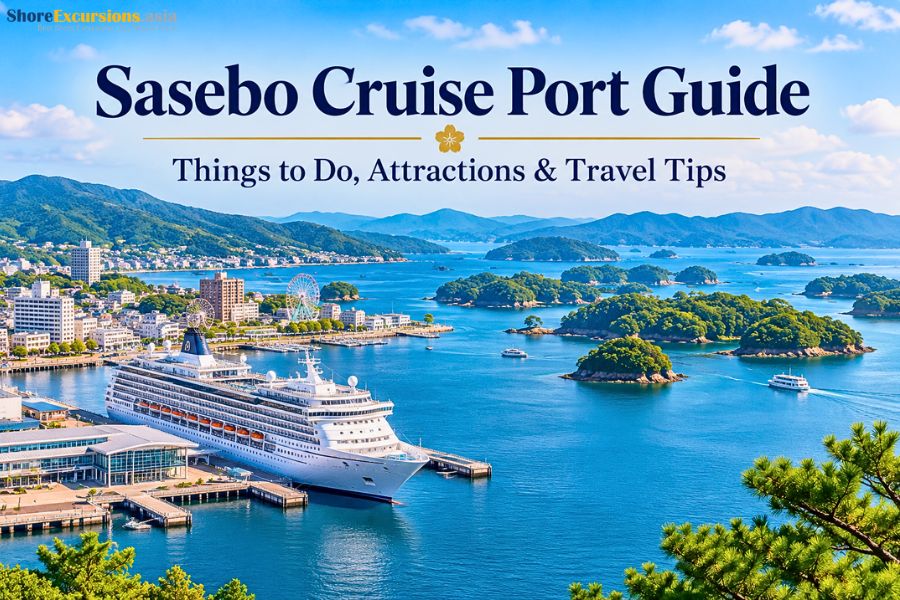
Sasebo offers cruise passengers a distinctive side of Kyushu, combining dramatic coastal scenery, the 99 Islands of Kujukushima, Japanese history, local food, porcelain traditions and the unusual European atmosphere of Huis Ten Bosch. This Sasebo Cruise Port Guide from Shore Excursions Asia explains where cruise ships dock, what you can realistically see during a port day, and how to choose an itinerary that fits your ship's schedule.
There is one important detail to check before planning your excursion: Sasebo Port has more than one cruise berth area, including the Miura area near central Sasebo and the Uragashira area closer to Huis Ten Bosch. The difference can significantly change which attractions are practical during your time ashore.
For travelers looking for a professionally planned route, explore our Sasebo Shore Excursions for private itineraries covering the city's highlights, Kujukushima, Hirado and the surrounding ceramic towns.
Where Do Cruise Ships Dock in Sasebo?
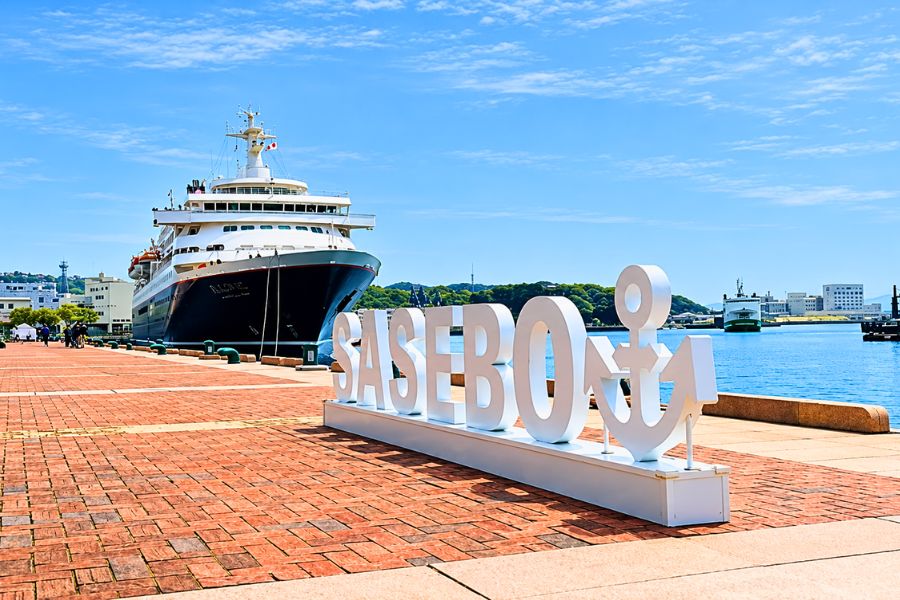
Sasebo is unusual because cruise ships can use different areas of the port depending on the ship and sailing.
The two locations most relevant to cruise passengers are the Miura area, which includes the Sasebo International Terminal, and the Uragashira area, which has its own cruise center.
This distinction matters because the two areas have very different access to Sasebo's main attractions.
Sasebo Cruise Port at a Glance
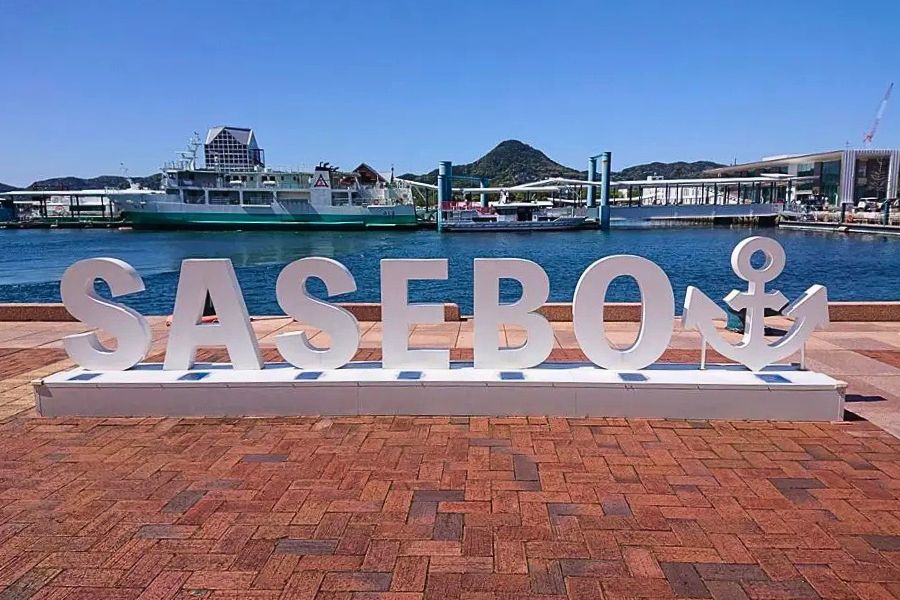
- Miura area: close to central Sasebo and JR Sasebo Station
- Uragashira area: closer to Huis Ten Bosch
- JR Sasebo Station from Miura: approximately 5 minutes on foot
- Sasebo Gobangai shopping complex from Miura: approximately 6 minutes on foot
- Central shopping arcade from Miura: approximately 10 minutes on foot
- Kujukushima area from Miura: approximately 10–15 minutes by car depending on the attraction
- Huis Ten Bosch from Miura: approximately 20 minutes by car
- Huis Ten Bosch from Uragashira: approximately 10 minutes by car or shuttle when available
- Arita, Imari and Hirado: generally around one hour or more by road, depending on the destination and traffic
Miura vs Uragashira: Which Sasebo Cruise Terminal Are You Using?
| Miura Area | Uragashira Area |
|---|---|
| Near central Sasebo | Southwest of central Sasebo |
| JR Sasebo Station is about 5 minutes away on foot | JR Huis Ten Bosch Station is about 10–11 minutes away by car |
| Excellent for Sasebo city | Excellent for Huis Ten Bosch |
| Convenient for Kujukushima | Still practical for Kujukushima, but farther away |
| Good for Sasebo Burger and shopping | Good for Huis Ten Bosch and southern Sasebo attractions |
| Best for city + nature combinations | Best for Huis Ten Bosch + regional sightseeing |
If your cruise documents specify a particular berth or terminal, use that location when calculating your sightseeing time.
If the cruise itinerary simply says Sasebo, check your final cruise instructions before booking a time-sensitive excursion. The difference between Miura and Uragashira can change your travel time to the first and last sightseeing stops.
Is Sasebo Cruise Port Close to the City?
If your ship docks in the Miura area, yes.
The Sasebo International Terminal is located close to the center of the city. JR Sasebo Station is only around 400 meters away, making Sasebo one of the more convenient Japanese cruise ports for passengers who want to explore independently.
Sasebo Gobangai, a waterfront shopping complex, is also within easy walking distance, while the central shopping arcade can be reached on foot.
This means that passengers with a short port call do not necessarily need a long excursion. You can experience local food, shopping and a little of Sasebo's urban atmosphere without spending most of the day in a vehicle.
The situation is different at Uragashira. The cruise center is farther from central Sasebo but considerably closer to Huis Ten Bosch, so the most efficient itinerary may look very different.
Best Things to Do From Sasebo Cruise Port
Sasebo offers several distinct sightseeing directions, and the best choice depends on your port time and terminal.
- Kujukushima: dramatic coastal scenery and island viewpoints
- Huis Ten Bosch: large-scale Dutch-inspired resort and seasonal entertainment
- Sasebo city: local food, shopping and modern history
- Tenkaiho Observatory: panoramic views over Kujukushima
- Hirado: castle-town history and Christian heritage
- Arita and Imari: porcelain history and traditional ceramics
- Mikawachi: traditional local pottery culture
- Sake experiences: regional brewing and local culture
For travelers comparing different Japan shore excursions, Sasebo stands out because you can combine nature, local food and history without needing to travel into one of Japan's major metropolitan areas.
Kujukushima: Sasebo's Signature Landscape
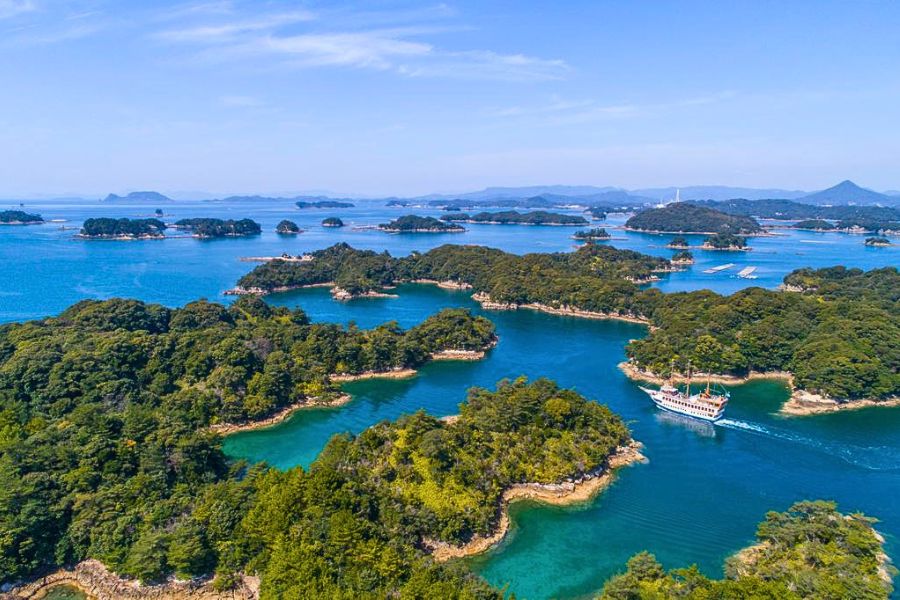
Kujukushima, often translated as the "99 Islands," is the natural highlight most closely associated with Sasebo.
Despite the traditional name, the area actually contains more than 200 islands scattered across the bay. Many are small and uninhabited, creating a striking landscape of green islands surrounded by blue water.
The area forms part of Saikai National Park and is recognized as one of the major scenic attractions around Sasebo.
For cruise passengers, Kujukushima is particularly convenient because the main viewpoints and Pearl Sea Resort are relatively close to the Miura cruise area.
Tenkaiho Observatory
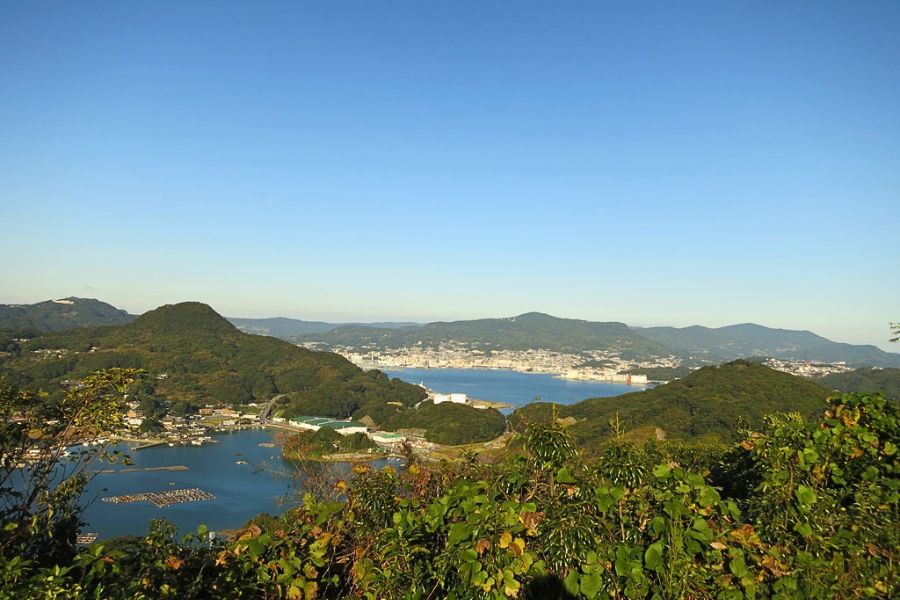
Tenkaiho Observatory is one of the best places to appreciate the scale of the Kujukushima landscape.
From the elevated viewpoint, dozens of islands stretch across the bay, creating one of the most recognizable panoramas in the Sasebo area.
The observatory is particularly suitable for cruise passengers because it provides a strong scenic experience without requiring a long hike.
It is also one of the highlights already included in SEA's Sasebo Half-Day City Tour, which combines the viewpoint with cultural and city stops.
Kujukushima Pearl Sea Resort
Kujukushima Pearl Sea Resort is the main gateway to the islands and offers a different way to experience the scenery.
Depending on the season and operating schedule, visitors can enjoy sightseeing cruises, marine experiences and the nearby aquarium.
The resort is also useful for travelers who prefer a more relaxed experience than moving between several viewpoints.
For cruise passengers, it can work particularly well as the main stop during a shorter nature-focused excursion.
Kujukushima Aquarium Umikirara
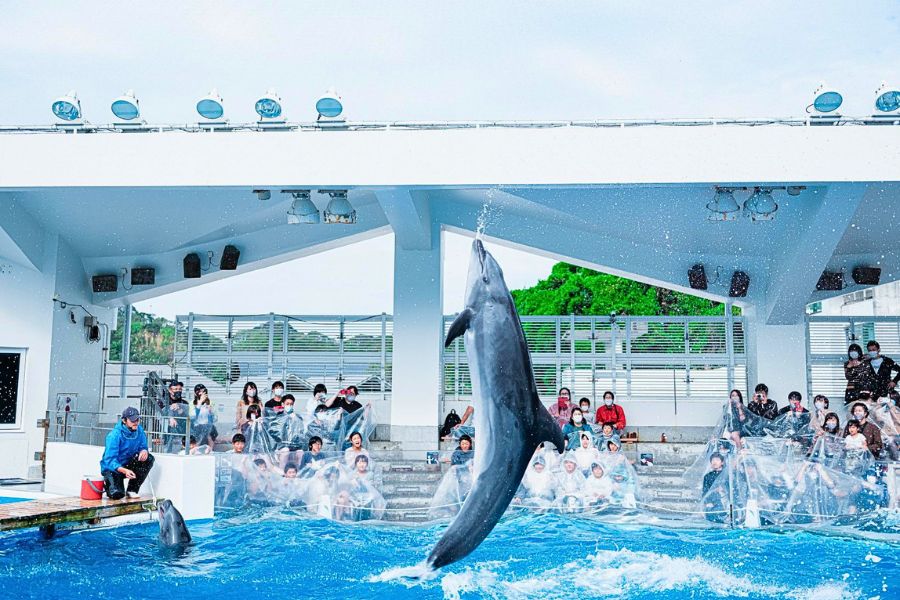
Kujukushima Aquarium Umikirara focuses on the marine environment around the islands.
The aquarium can be a useful alternative when weather conditions are less favorable for an entirely outdoor itinerary, particularly for families traveling with children.
It can also be combined with the Pearl Sea Resort rather than treated as a separate long-distance attraction.
Huis Ten Bosch: A Completely Different Sasebo Experience
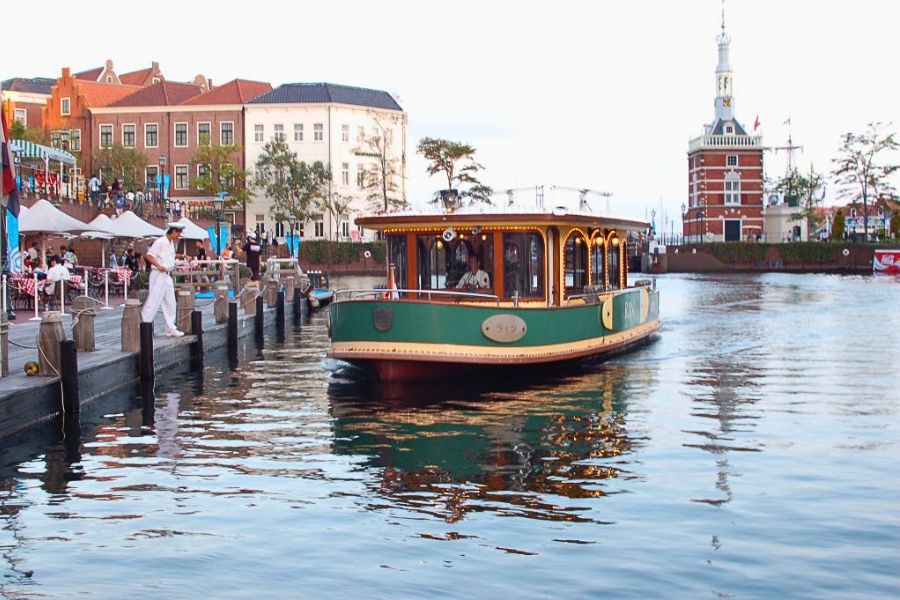
Huis Ten Bosch is one of the most unusual attractions accessible from Sasebo.
The large resort recreates the atmosphere of a European town, with Dutch-inspired architecture, canals, gardens, seasonal flowers and large-scale illumination events.
It is very different from the temples, castles and traditional districts found elsewhere in Japan.
That contrast is precisely what makes it attractive to some cruise passengers.
Is Huis Ten Bosch Worth Visiting From Sasebo Cruise Port?
Yes, particularly if you have already seen several traditional Japanese destinations during your cruise.
Huis Ten Bosch is also particularly practical when your ship docks in the Uragashira area, because the cruise center is only around ten minutes from the resort by car and may have shuttle options depending on the day.
From the Miura area, the drive is approximately 20 minutes under normal conditions.
However, Huis Ten Bosch is large. Visiting it properly requires more time than simply stopping for a photograph.
If your port call is short, it is better to treat Huis Ten Bosch as the main destination rather than trying to combine it with several distant attractions.
Sasebo City: Local Life, Shopping and Food
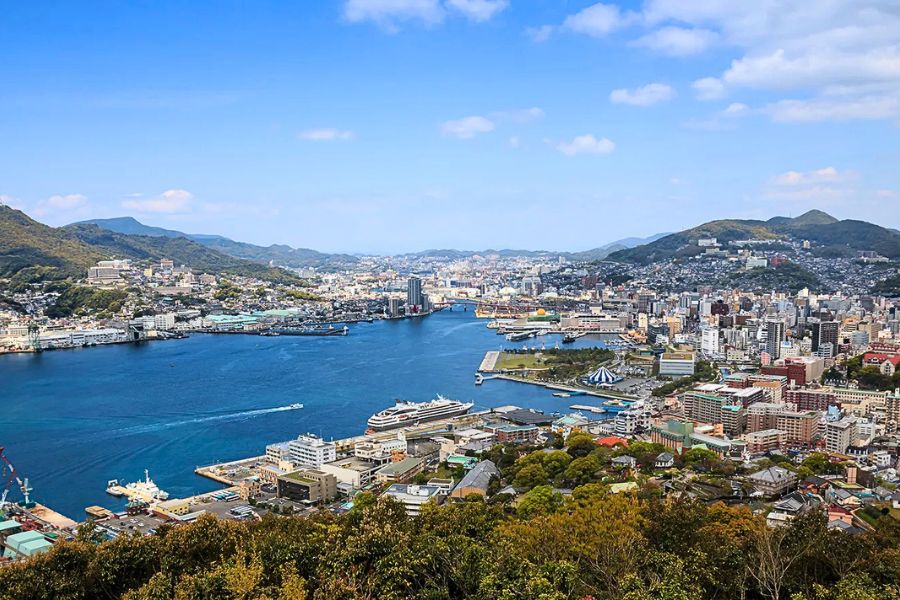
Sasebo city is an excellent option for passengers who prefer a shorter transfer and a more local experience.
The city grew as an important naval and industrial center, and its modern identity has been influenced by both Japanese and international cultures.
This history can be seen in the city's food, shopping streets and architecture.
Sasebo Gobangai
Sasebo Gobangai is a waterfront shopping complex close to the Miura cruise area.
It includes restaurants, shops and everyday retail, making it a practical stop for passengers who want to experience the city without committing to a full-day excursion.
Its location near JR Sasebo Station also makes it easy to combine with independent exploration.
Sasebo's Central Shopping Arcade
The central shopping arcade stretches through the heart of Sasebo and provides a more local urban experience.
Rather than focusing entirely on tourist attractions, this area is useful for seeing how residents shop, eat and spend time in the city.
It can also be a convenient place to look for local snacks and souvenirs before returning to the ship.
Sasebo Burger: What to Eat in Port
Sasebo Burger is one of the city's best-known local foods.
The style developed in the postwar period and reflects the long connection between Sasebo and the United States Navy.
Different restaurants have their own recipes and variations, so there is no single standardized Sasebo Burger.
For cruise passengers, it is an easy way to add something distinctly local to a short city-focused port day.
If your excursion already includes a local lunch, ask your guide to recommend a suitable restaurant based on your available time rather than trying to fit a famous burger shop into an otherwise tight itinerary.
Tono Market and the Tunnel Shopping Arcade
Tono Market and the Tunnel Shopping Arcade offer another side of Sasebo's local food culture.
The covered market includes small food shops and traditional local businesses, while parts of the arcade occupy spaces originally associated with wartime air-raid shelters.
This makes the area interesting not only for food but also for understanding how Sasebo's urban history shaped everyday life.
Yamashita House and Local Sake
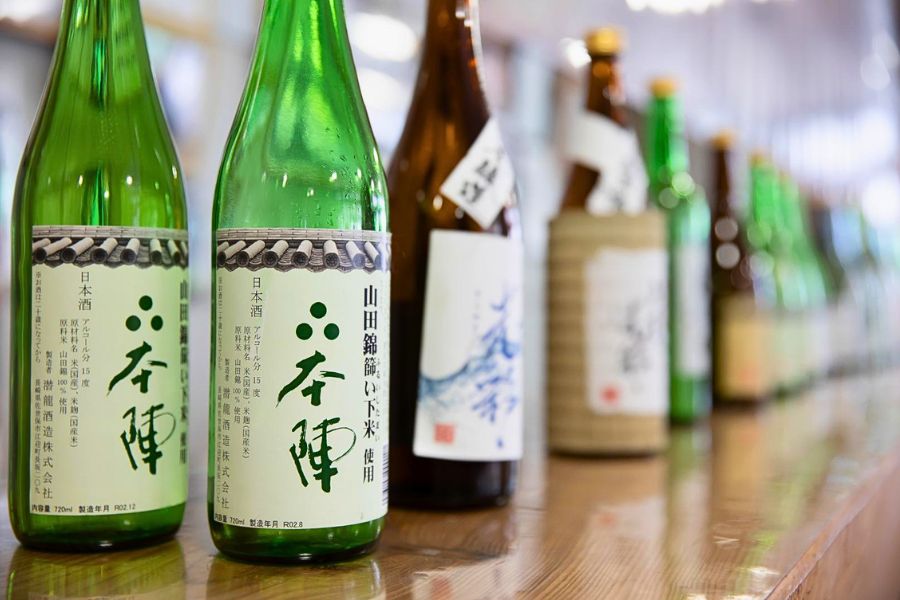
Travelers interested in traditional architecture can visit the Emukaehonjin Yamashita-ke Motokura, a historic lodging house associated with the Edo period.
The attraction provides a contrast to Sasebo's modern naval and international identity.
A nearby sake brewery can also be incorporated into a cultural itinerary, making this a good option for travelers who want more than sightseeing viewpoints.
SEA's Sasebo Cultural Tour combines Kujukushima scenery, Yamashita House and a local sake brewery into a six-hour route.
Mikawachi Ware: Sasebo's Traditional Ceramic Heritage
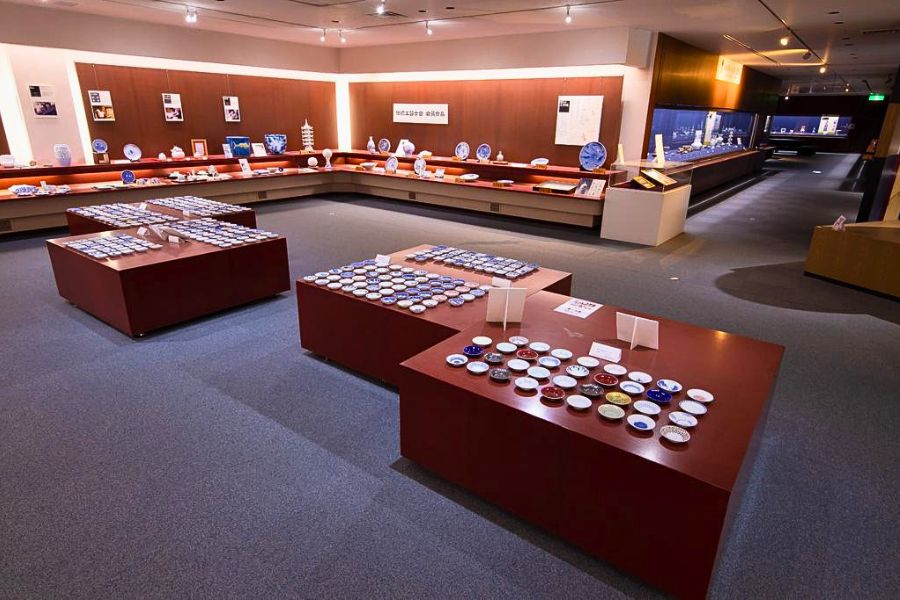
Mikawachi Ware is one of the traditional ceramic traditions associated with Sasebo.
The history of the craft is connected with the region's long ceramic tradition and the movement of skilled potters into northern Nagasaki.
For travelers interested in Japanese craftsmanship, Mikawachi provides an alternative to the more internationally famous porcelain centers of Arita and Imari.
It can be particularly interesting for repeat visitors to Japan who have already experienced the country's major temple and castle destinations.
Hirado: History, Trade and Christian Heritage
Hirado lies farther northwest of Sasebo and provides one of the most interesting historical excursions from the port.
The island and castle town played an important role in Japan's early international trade. Portuguese and Dutch traders established connections with Hirado during the sixteenth and seventeenth centuries.
The result is a destination where Japanese castle-town history and European Christian heritage appear alongside one another.
Hirado Castle
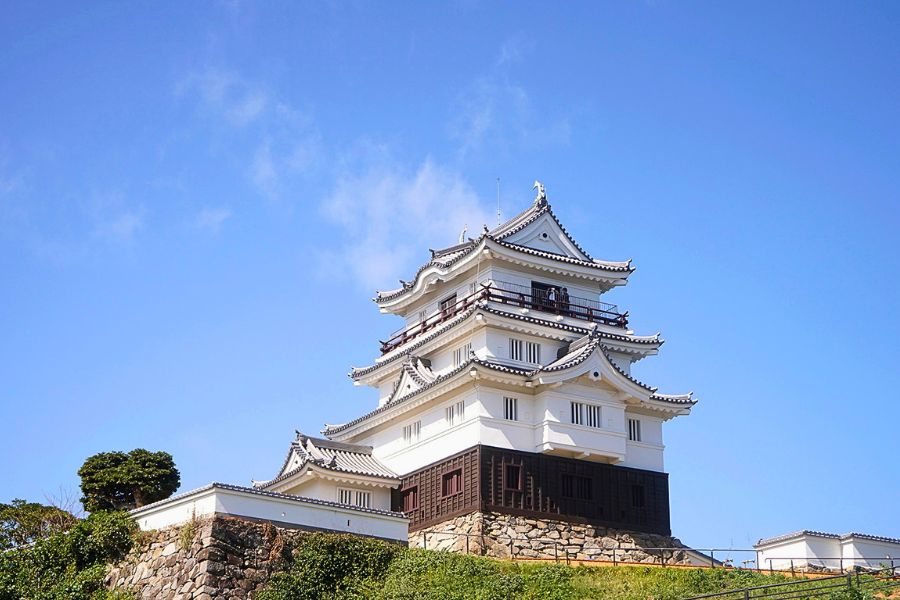
Hirado Castle stands on a hill overlooking the surrounding waters.
The castle was originally associated with the Matsuura clan and has been reconstructed after its earlier destruction.
Its elevated location provides both historical context and broad views over Hirado and the surrounding coastline.
For cruise passengers, the castle works particularly well when combined with the town's other historic attractions rather than visited as a standalone stop.
St. Francis Xavier Memorial Church
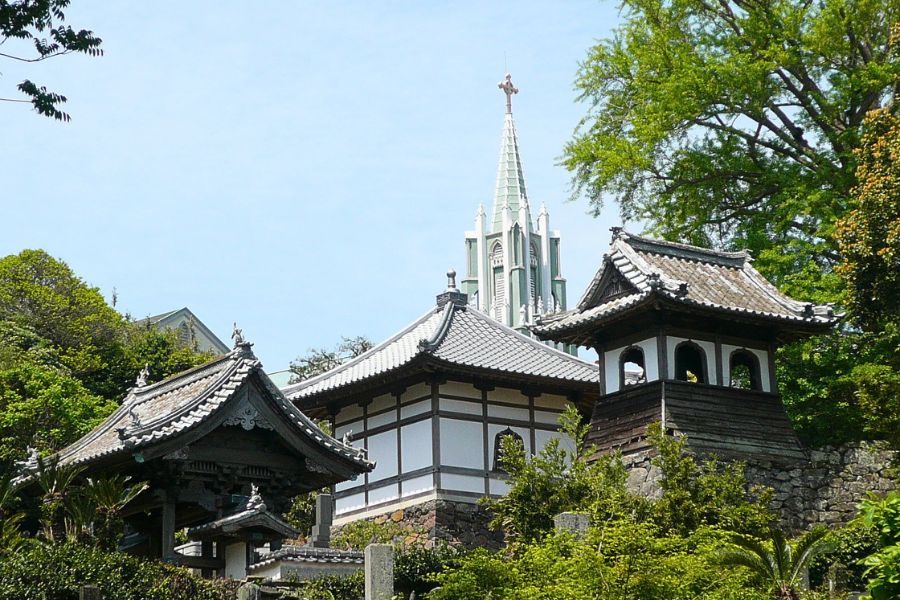
The St. Francis Xavier Memorial Church is one of the most distinctive landmarks in Hirado.
The church reflects the area's long Christian history and provides an unusual contrast with nearby Japanese temples and traditional buildings.
Its location creates one of the more recognizable historic streetscapes in the town.
For travelers interested in the meeting of Japanese and European cultures, Hirado offers a particularly strong experience.
Matsuura Historical Museum
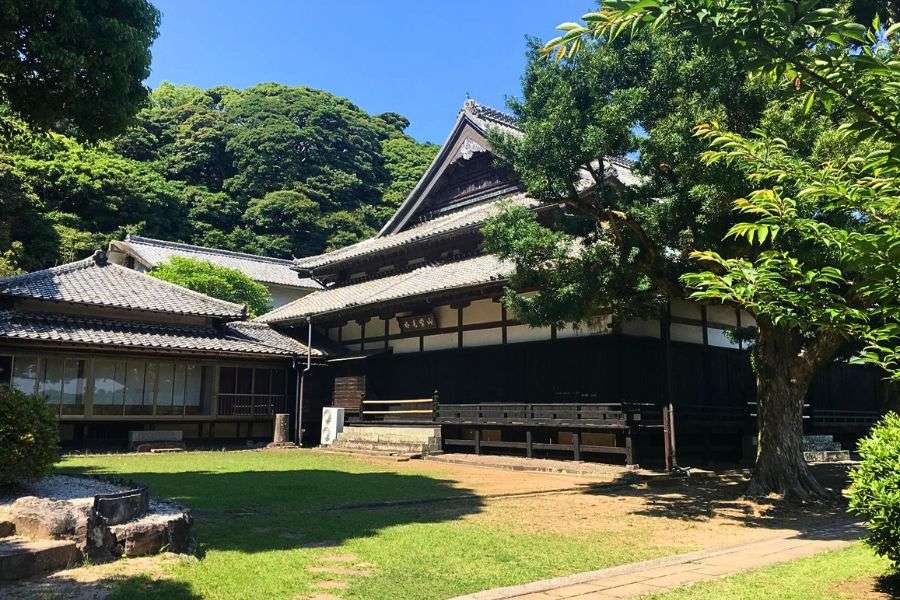
The Matsuura Historical Museum occupies the former residence of the Matsuura clan.
The collection provides insight into the history of the family and the development of Hirado as a regional center.
A visit can be combined with Hirado Castle and the church to create a coherent historical itinerary.
Can You Visit Hirado From Sasebo Cruise Port?
Yes, but Hirado should be treated as a regional excursion rather than a quick city stop.
The journey from Sasebo to Hirado requires a substantial amount of road travel, so the route works best when you have enough time and private transportation.
SEA currently offers a Hirado & Sasebo Highlight Tour combining Hirado Castle, St. Francis Xavier Memorial Church, Matsuura Historical Museum, Yumihari Observatory and Tenkaiho.
Because the route covers a large area, it is much more suitable for a carefully timed private excursion than for trying to combine several unrelated destinations independently.
Arita and Imari: Japan's Porcelain Heartland
Sasebo is also a useful gateway for travelers interested in Japanese ceramics.
Arita is internationally known for its porcelain tradition, while Imari became an important center for the distribution and export of Japanese ceramics.
The region offers a very different cultural experience from Sasebo's coastal scenery and Hirado's historical sites.
Arita Porcelain
Arita's porcelain history stretches back several centuries and is closely associated with the development of Japan's early porcelain industry.
Travelers can explore historic kilns, museums and traditional ceramic districts while learning how local clay, craftsmanship and decoration shaped Japanese porcelain.
Kyushu Ceramic Museum
The Kyushu Ceramic Museum provides a useful introduction to the region's ceramic history.
Its collections include Arita and Imari porcelain and help explain how the technology and artistic styles developed over time.
For travelers who prefer museums and craftsmanship to outdoor sightseeing, the museum can become the central stop of an Arita-focused excursion.
Imari-Nabeshima-yaki Okawachiyama
Okawachiyama is a traditional ceramic village associated with Nabeshima ware.
The setting combines pottery workshops, traditional buildings and mountain scenery.
It provides a more atmospheric experience than simply visiting a museum because travelers can see how ceramic traditions remain connected to the landscape and local community.
Is Arita Practical From Sasebo Cruise Port?
Arita and Imari are better suited to longer port calls.
The journey requires significant road travel, so an eight-hour itinerary is much more realistic than trying to fit the region into a four-hour port day.
SEA currently offers an Arita & Imari Porcelain Highlights itinerary designed around these ceramic destinations.
Kuroshima: A Longer Cultural Option
Travelers with a longer stay or a strong interest in religious history can consider Kuroshima Island, one of the islands associated with the Hidden Christian heritage of Nagasaki.
The island is reached through Ainoura Port rather than directly from the cruise terminal, so it is not a simple addition to a standard cruise port day.
Because ferry schedules and transfer times need to be coordinated carefully, Kuroshima is better treated as a specialized excursion rather than a default recommendation for first-time cruise passengers.
Sasebo Cruise Port Itinerary for 4 Hours
A four-hour port call should stay close to the ship.
Option 1: Sasebo City
- Sasebo Cruise Port
- Sasebo Gobangai
- Central shopping arcade
- Local food or Sasebo Burger
- Return to port
This is the safest choice for passengers docking at Miura who want a relaxed local experience.
Option 2: Kujukushima Viewpoint
- Sasebo Port
- Tenkaiho Observatory
- Short scenic stop around Kujukushima
- Return to port
This route prioritizes Sasebo's signature landscape rather than trying to cover several cultural attractions.
Sasebo Cruise Port Itinerary for 5–6 Hours
Five to six hours gives you enough time for a more complete Sasebo experience.
Option 1: City + Kujukushima
- Tenkaiho Observatory
- Kujukushima scenic area
- Yamashita House
- Local sake experience
- Sasebo city or shopping
- Return to port
This follows the general structure of SEA's existing Sasebo city and cultural products.
Option 2: Huis Ten Bosch
- Transfer from port
- Huis Ten Bosch
- Selected areas of the resort
- Return to port
Huis Ten Bosch should be treated as the main attraction rather than one stop among many because of the size of the resort.
Sasebo Cruise Port Itinerary for 6–7 Hours
A longer port call makes a regional historical route possible.
Option: Hirado + Sasebo
- Hirado Castle
- St. Francis Xavier Memorial Church
- Matsuura Historical Museum
- Return toward Sasebo
- Yumihari Observatory or Tenkaiho
- Return to port
This route combines international history, Japanese heritage and the natural scenery of Sasebo.
Sasebo Cruise Port Itinerary for 8+ Hours
With a longer port call, you can consider destinations outside the immediate Sasebo area.
Good options include:
- Arita and Imari porcelain country
- Hirado and Sasebo
- Huis Ten Bosch plus selected Sasebo attractions
- Kujukushima and local ceramic culture
- or a customized private route based on your interests
Even with eight or more hours, it is better to choose one main direction rather than trying to combine Hirado, Arita, Huis Ten Bosch and Kujukushima in one day.
Which Attractions Are Best From Each Sasebo Cruise Area?
| Attraction | Miura Area | Uragashira Area |
|---|---|---|
| Sasebo city center | Excellent | Longer transfer |
| JR Sasebo Station | Very convenient | Requires transportation |
| Sasebo Gobangai | Excellent | Requires transportation |
| Tenkaiho | Very convenient | Possible with private transport |
| Kujukushima Pearl Sea Resort | Convenient | Possible but farther |
| Huis Ten Bosch | About 20 minutes by car | About 10 minutes by car |
| Hirado | Long regional excursion | Long regional excursion |
| Arita & Imari | Long regional excursion | Long regional excursion |
Sasebo in Spring
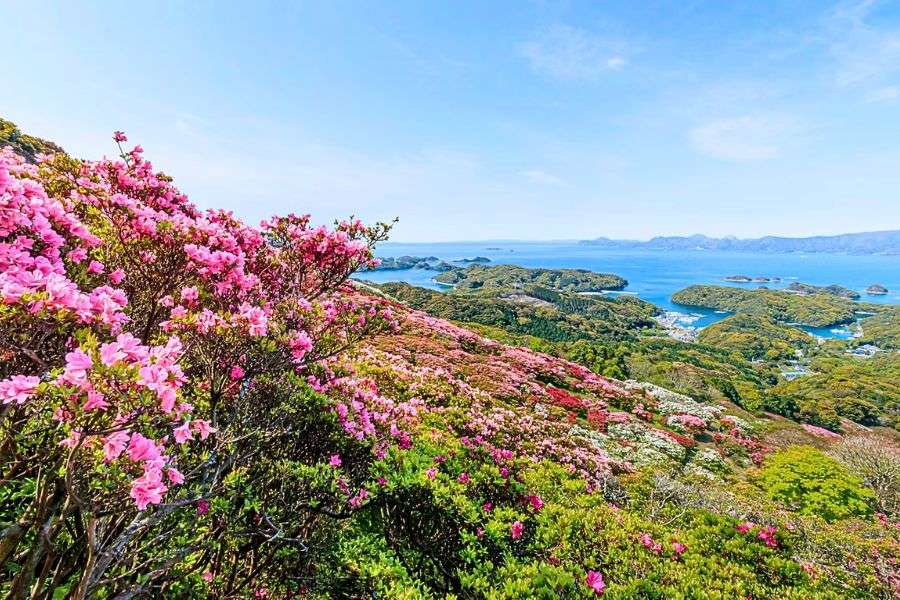
Spring is one of the most attractive seasons for Sasebo.
Temperatures are generally comfortable for outdoor sightseeing, while gardens and coastal landscapes become increasingly green.
For travelers interested in flowers, spring also provides opportunities to combine Sasebo with seasonal gardens and regional attractions.
The main advantage for cruise passengers is that comfortable temperatures make routes involving viewpoints, historic streets and outdoor attractions easier to enjoy.
Sasebo in Summer
Summer brings warm and humid conditions to Kyushu.
Kujukushima's coastal scenery remains attractive, but outdoor sightseeing should include enough shade, water and breaks.
Huis Ten Bosch can also become hot during the day, so travelers should consider the amount of walking involved before planning a full-day visit.
Private transportation is particularly useful in summer because it provides an air-conditioned base between sightseeing stops.
Sasebo in Autumn
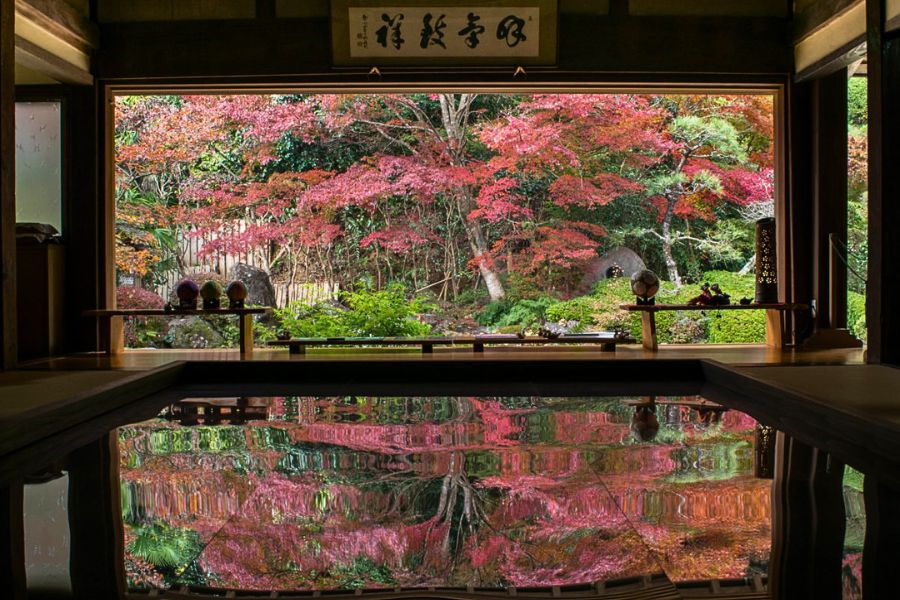
Autumn is an excellent season for exploring Sasebo and northern Nagasaki.
Cooler temperatures make long sightseeing routes more comfortable, while mountain and garden areas can develop seasonal color.
Hirado, Kujukushima viewpoints and the surrounding countryside can all work well during the autumn months.
For travelers interested in local food and sake, autumn also provides a comfortable season for combining outdoor sightseeing with regional dining.
Sasebo in Winter
Winter is generally cooler but comparatively manageable along the Sasebo coast.
The season can be attractive for travelers who prefer fewer crowds and comfortable sightseeing without the heat of summer.
Huis Ten Bosch is particularly interesting during seasonal illumination periods, although exact events and schedules change from year to year.
For outdoor viewpoints, visibility can vary with weather, so keeping a flexible route is useful.
Sasebo for Senior Travelers
Sasebo can work very well for senior cruise passengers because several important attractions are accessible by vehicle without requiring long hikes.
Good options include:
- Tenkaiho Observatory
- Kujukushima Pearl Sea Resort
- Sasebo city sightseeing
- Huis Ten Bosch with controlled walking time
- selected Hirado attractions
- Arita ceramic museums and workshops
However, some routes involve substantial road travel.
Hirado and Arita should therefore be considered based on your comfort level and port duration rather than simply the number of attractions you can theoretically visit.
Private transportation is particularly useful for senior travelers because walking time, restroom breaks, lunch timing and sightseeing pace can be adjusted around the group.
Is Sasebo Easy to Explore Independently?
If your ship docks in the Miura area, Sasebo is one of the easier Japanese cruise ports to explore independently.
JR Sasebo Station is very close to the terminal, and the central shopping and dining areas are also within walking distance.
Public transportation can also be used for destinations such as Huis Ten Bosch and Kujukushima, although connections need to be checked against your ship's actual port schedule.
For a short port call, staying close to the terminal is the safest approach.
If you want to combine multiple regional attractions, private transportation becomes considerably more practical because it removes the need to coordinate several train, bus and taxi connections within a fixed cruise window.
Practical Tips for a Sasebo Cruise Port Day
1. Confirm Your Actual Cruise Berth
Do not assume that every Sasebo cruise call uses the same terminal area.
Check whether your sailing is scheduled for the Miura area or Uragashira area before calculating travel times.
2. Build the Route Around Your Port, Not Just the Attraction
Huis Ten Bosch is especially convenient from Uragashira, while Sasebo city is much easier from Miura.
Choosing the right attraction based on your actual berth can save a significant amount of time.
3. Do Not Try to See Everything
Sasebo has enough attractions to fill several days.
A cruise passenger usually has only a few hours.
Choose one main theme:
- nature;
- city and food;
- Huis Ten Bosch;
- history;
- or ceramics.
Then build the itinerary around that theme.
4. Allow Extra Time for Regional Routes
Hirado and Arita require considerably more travel than Sasebo city or Kujukushima.
Do not calculate the itinerary based only on sightseeing time. Road travel, port procedures and the return journey all need to be included.
5. Treat Huis Ten Bosch as a Main Destination
Huis Ten Bosch is large enough that a quick stop can feel unsatisfying.
If you want to visit the resort, allow enough time to experience it properly rather than adding it as a final stop after a packed Sasebo itinerary.
6. Keep a Conservative Return Buffer
Your return to the ship should always take priority over one additional sightseeing stop.
This is especially important when visiting Hirado, Arita or other destinations outside central Sasebo.
7. Check Seasonal Conditions
Spring, summer, autumn and winter can produce very different experiences in Kyushu.
Check weather, event schedules and opening information close to your sailing date before finalizing a route.
Sasebo Cruise Port vs Nagasaki Port
| Sasebo | Nagasaki |
|---|---|
| Kujukushima | Mt. Inasa |
| Huis Ten Bosch | Glover Garden |
| Sasebo Burger | Nagasaki Champon |
| Hirado heritage | Nagasaki city history |
| Arita and Imari access | Peace Memorial attractions |
| Coastal and island scenery | Historic international port culture |
Sasebo is the stronger choice for travelers who want coastal scenery, islands, regional culture and a more relaxed Kyushu experience.
Nagasaki is better suited to travelers whose priority is the city's layered international history, major historic attractions and Peace Memorial sites.
Frequently Asked Questions About Sasebo Cruise Port
Where do cruise ships dock in Sasebo?
Cruise ships can use different areas of Sasebo Port, including the Miura area near central Sasebo and the Uragashira area closer to Huis Ten Bosch. Check your cruise itinerary for the actual berth used by your sailing.
Is Sasebo Cruise Port close to the city center?
If you dock in the Miura area, yes. JR Sasebo Station is approximately a five-minute walk from the terminal, with shopping and downtown areas also nearby.
How far is Huis Ten Bosch from Sasebo Cruise Port?
From the Miura area, Huis Ten Bosch is approximately 20 minutes away by car under normal conditions. From the Uragashira cruise center, it is around 10 minutes by car or shuttle when a shuttle is operating.
How far is Kujukushima from Sasebo Cruise Port?
The main Kujukushima sightseeing areas are relatively close to Sasebo. From the Miura area, Pearl Sea Resort is approximately 15 minutes by car, while some viewpoints require a little longer depending on the exact location.
What are the best things to do from Sasebo Cruise Port?
The most popular options include Kujukushima, Tenkaiho Observatory, Huis Ten Bosch, Sasebo city, Sasebo Burger, Hirado, Arita and Imari porcelain destinations.
Can I visit Huis Ten Bosch from Sasebo Cruise Port?
Yes. Huis Ten Bosch is one of the most convenient major attractions from Sasebo, particularly when your ship docks in the Uragashira area.
Can I visit Kujukushima from Sasebo Cruise Port?
Yes. Kujukushima is one of the easiest regional attractions to reach from Sasebo, especially from the Miura area.
Is Tenkaiho worth visiting on a cruise stop?
Yes. Tenkaiho provides a broad view over the Kujukushima islands and can be visited without a long hike. It is one of the strongest options for a shorter Sasebo port call.
Can I visit Hirado from Sasebo Cruise Port?
Yes, but Hirado requires a longer regional excursion. It is best suited to a port call with enough time for road travel and several hours of sightseeing.
Can I visit Arita from Sasebo Cruise Port?
Yes. Arita is a good option for longer port calls, particularly for travelers interested in porcelain, museums and traditional craftsmanship.
Can I visit Arita and Imari in one day from Sasebo?
Yes. An eight-hour itinerary can be designed around Arita and Imari porcelain attractions, although the route should be carefully timed around your ship's departure.
What is Sasebo famous for?
Sasebo is best known for Kujukushima, Huis Ten Bosch, Sasebo Burger, its coastal scenery, international naval history and access to nearby historical and ceramic destinations.
What is Sasebo Burger?
Sasebo Burger is a local style of hamburger that developed in the city during the postwar period and reflects Sasebo's historical connection with the United States Navy. Different restaurants have their own recipes and variations.
Is Sasebo good for senior travelers?
Yes. Many attractions can be reached by private vehicle with limited walking. A customized itinerary can also include slower pacing, restroom breaks and comfortable lunch stops.
Is Sasebo easy to explore without a tour?
The Miura area is relatively easy to explore independently because JR Sasebo Station and central shopping areas are nearby. Regional attractions such as Hirado, Arita and some Kujukushima sites require more transportation planning.
Which is better from Sasebo, Huis Ten Bosch or Kujukushima?
Kujukushima is better for travelers seeking natural scenery and a distinctly local coastal experience. Huis Ten Bosch is better for travelers interested in architecture, gardens, seasonal events and a completely different style of attraction.
How long do I need for Sasebo?
Four hours can be enough for a focused city or viewpoint excursion. Five to six hours allows a more complete Sasebo experience, while eight or more hours makes regional destinations such as Arita, Imari or Hirado more realistic.
Is Sasebo worth visiting on a Japan cruise?
Yes. Sasebo offers a combination of island scenery, local food, Japanese history, ceramics and international cultural influences that feels different from the country's larger cruise ports.
Plan Your Sasebo Shore Excursion
Sasebo is one of the more flexible cruise ports in Kyushu, but the key is understanding the geography before choosing your excursion.
A short call at the Miura area can easily become a relaxed Sasebo city and Kujukushima day. A call at Uragashira makes Huis Ten Bosch particularly convenient. Longer port calls open the possibility of traveling toward Hirado or the ceramic towns of Arita and Imari.
The best Sasebo port day is not necessarily the one that visits the greatest number of attractions. It is the one that uses your available hours intelligently and leaves enough time to return to the ship comfortably.
For a shorter sightseeing day, explore our Sasebo Half-Day City Tour, combining Kujukushima scenery, local heritage and Sasebo city.
For travelers interested in local culture, our Sasebo Cultural Tour combines Kujukushima, Yamashita House and a local sake experience.
If history is your priority, consider the Hirado & Sasebo Highlight Tour, combining Hirado's historic attractions with panoramic views around Sasebo.
For travelers interested in Japanese craftsmanship, our Arita & Imari Porcelain Highlights explores the region's historic ceramic traditions.
If your ship's schedule does not fit a standard route, request a customized private excursion built around your actual berth, arrival time, departure time and preferred sightseeing style.


 Send Inquiry