

Bali weather in January is warm, humid and shaped by the island’s wet-season pattern. Tropical showers are frequent, but January should not be understood as a month when every part of Bali receives uninterrupted rain throughout the day.
For cruise passengers, the more useful question is how January conditions may influence the chosen route. Rain can affect road speed, mountain visibility, waterfall paths and the amount of time needed to return to the port.
A morning at Benoa may begin brightly while cloud develops around Ubud or Kintamani later in the day. North Bali can also experience different conditions from the southern coast, especially when the route climbs towards Munduk, Bedugul or the Twin Lakes.
This guide from Shore Excursions Asia explains January temperatures, rainfall patterns and practical planning for passengers arriving at Benoa or Celukan Bawang Cruise Port.
Travellers exploring other Indonesian destinations can browse our Indonesia shore excursions, while guests arriving in Bali can compare private and customizable Bali shore excursions arranged around their ship’s schedule.
What Is Bali Weather Like in January?
January falls within Bali’s wet season, which generally extends between November and March.
Temperatures remain tropical across the coastal and lowland areas. Benoa, Denpasar, Sanur, Nusa Dua and Uluwatu continue to feel warm during the day and evening.
The main seasonal differences are higher humidity, more cloud and more frequent rain compared with the drier months.
Some days contain several usable periods for sightseeing between showers. Other days may bring longer rain, particularly when a broader weather system affects the island.
January therefore rewards a flexible itinerary rather than a plan that depends completely on clear skies, dry paths or an uninterrupted mountain view.
Bali Temperatures in January
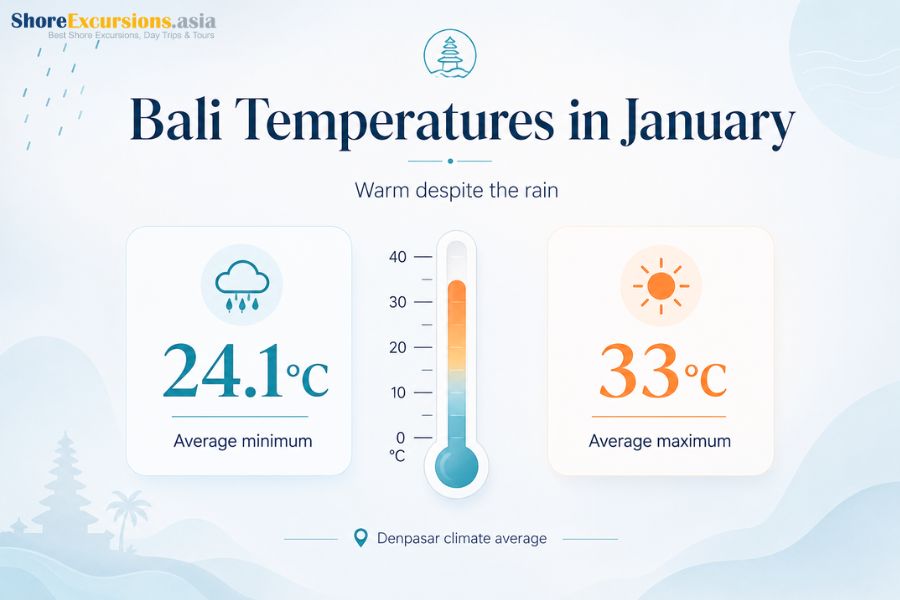
Bali temperatures in January remain high despite the rain.
Historical climate information for Denpasar records an average daily minimum of approximately 24.1°C and an average maximum close to 33°C.
Humidity can make the southern coast feel warmer than the measured temperature suggests. Passengers may still experience heat while walking through temple courtyards, city streets and exposed viewpoints.
Rain does not remove the need for sunscreen, drinking water or shaded pauses. Strong tropical sunlight can return quickly after a shower and remain intense through thin cloud.
Ubud is also warm, although cloud, forest cover and elevation may soften the temperature slightly.
Kintamani, Bedugul, Munduk and the Twin Lakes are cooler than the port area. A thin outer layer may be useful during rain, mountain wind or a strongly air-conditioned drive.
How Much Rain Does Bali Receive in January?
Long-term climate information for Denpasar records approximately 345 millimetres of rainfall during January and an average of around 27 rain days.
A rain day does not mean that rain continues for twenty-four hours. The measurement indicates that a qualifying amount of rain was recorded during that calendar day.
A January day may contain a tropical shower, several separate rain periods or a longer wet interval followed by brighter conditions.
Rainfall also varies across the island. The port, Ubud, highland areas and North Bali may experience different conditions at the same time.
Passengers should use these climate figures for broad preparation rather than assuming that a specific cruise call will follow the monthly average exactly.
Does It Rain All Day in Bali in January?
Not on every rainy day.
A weather application may display rain for the entire day even when showers are expected during only a few hours.
Some mornings begin with sunshine before cloud develops inland. On other days, overnight or early rain may clear enough for a usable sightseeing period.
Longer rain is also possible, so it would be equally misleading to promise that every shower will finish quickly.
The strongest approach is to identify one principal outdoor experience and retain cultural or sheltered alternatives that can be moved into wetter periods.
Temples, traditional villages, museums, workshops and local dining can often continue even when a waterfall trail or mountain viewpoint becomes less suitable.
Why a General Bali Forecast Is Not Enough
Bali contains coastal plains, forested inland areas and high volcanic terrain within a relatively compact island.
Elevation and local geography affect cloud, rainfall and temperature. The conditions displayed for Denpasar may not describe the complete day around Ubud, Kintamani or Munduk.
Passengers should check the forecast for the port and the principal excursion area instead of using only “Bali” as the location.
The local guide should also retain enough flexibility to adjust the attraction order after observing road, rain and visibility conditions on the day.
Benoa and southern Bali
Benoa, Denpasar, Nusa Dua, Sanur and Uluwatu remain hot and humid during January.
Showers may pass through the southern area without covering the complete day. Cultural visits and shorter coastal routes can usually be adjusted more easily than long cross-island itineraries.
Southern Bali is also practical when the ship begins disembarkation late because the route requires less inland driving than Ubud, Kintamani or Bedugul.
Ubud and central Bali
Ubud and the surrounding villages appear lush and green during January.
Rice terraces, tropical gardens and forested areas respond strongly to wet-season rain.
The same conditions can leave paths muddy, stone steps slippery and waterfall access more demanding.
A cultural route involving villages, temples and workshops generally provides greater flexibility than a day built entirely around rice-field walks and waterfalls.
Kintamani and Mount Batur
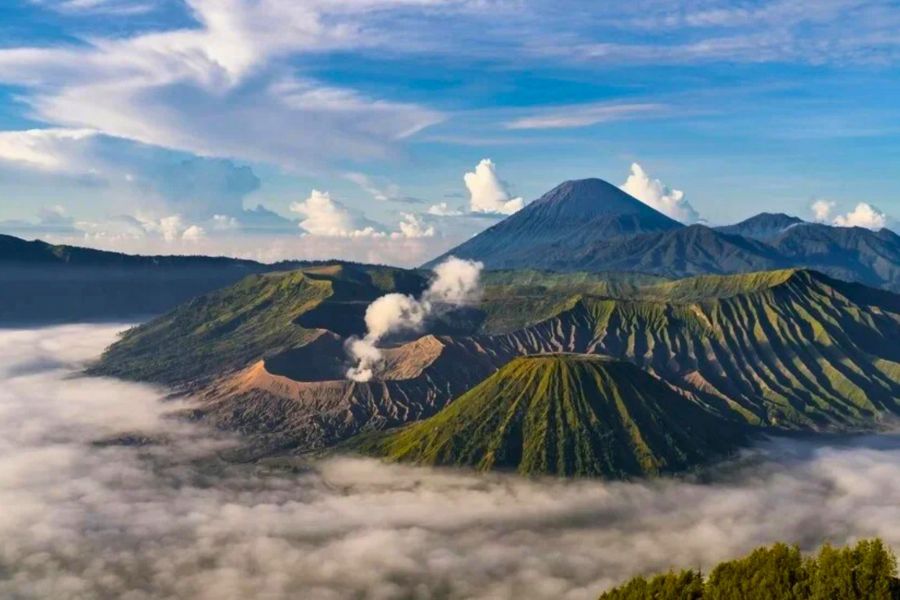
Kintamani sits at a higher elevation and can feel cooler than Benoa or Ubud.
Cloud may partially or completely cover Mount Batur and the surrounding caldera during part of a January visit.
The route should not depend only on a clear volcano panorama. Temples, traditional performances, villages and local cultural stops can retain the value of the day when visibility changes.
Bedugul, Munduk and the northern highlands
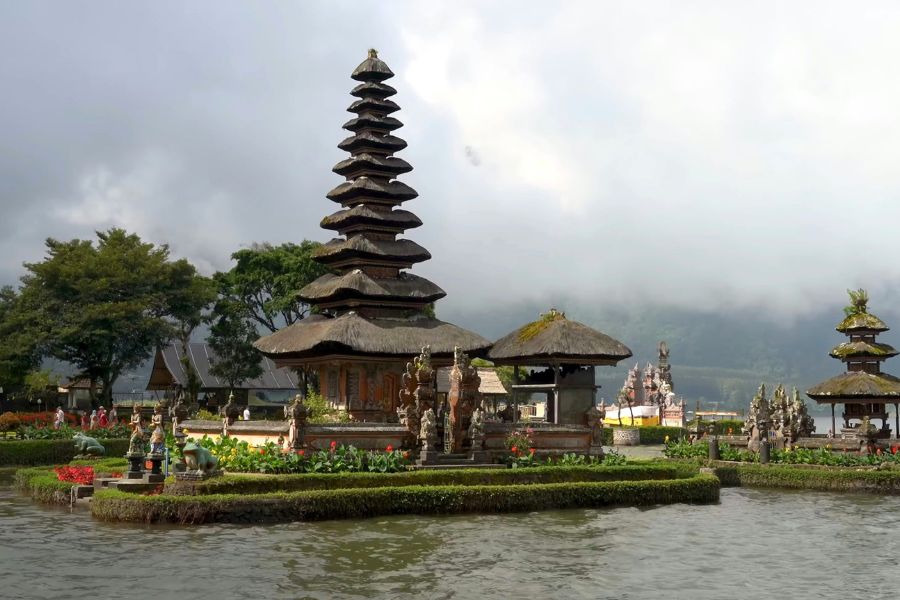
Bedugul, Munduk and the Twin Lakes experience cooler air, forest cloud and regular seasonal rain.
Ulun Danu Beratan Temple can remain atmospheric beneath soft cloud and light rain.
Waterfall trails and forest paths require more caution because slopes, stone and soil can remain wet after the rain stops.
Passengers who prefer less walking may choose highland temples and scenic viewpoints instead of several waterfall visits.
Celukan Bawang and North Bali
Celukan Bawang lies on Bali’s north coast and provides access to Lovina, Singaraja, Brahma Vihara Arama, Munduk and the Twin Lakes.
The coast may remain hot while the inland route becomes cooler and cloudier as the vehicle climbs.
Passengers should read the Celukan Bawang Cruise Port Guide before selecting a route, especially when the call involves tender boats or a limited amount of time ashore.
What Can a January Port Day Look Like?
No single pattern applies to every January day, but understanding common changes through the day can help passengers select the attraction order.
Morning

The morning may provide the most useful period for exposed temples, rice terraces and mountain viewpoints.
Temperatures are warm but direct heat may feel less intense than around midday.
A clear morning does not guarantee that the inland route will remain dry, so rain protection should remain accessible rather than stored deep inside the vehicle.
Midday
Midday can feel hot and humid around Benoa, Denpasar and southern Bali.
Cloud may increase around central and highland areas while strong sunshine remains possible between showers.
A local lunch or covered cultural experience can provide a comfortable pause during the warmest part of the day.
Afternoon
Afternoon showers are common during the wet season, although their timing and duration vary.
A private guide may place a workshop, village experience, temple interior or shorter city stop during this period.
Rain can also slow traffic and increase the time required for the return to Benoa or Celukan Bawang.
Evening
Coastal evenings remain warm, while rain and wind can make cliffside or highland locations feel cooler.
Passengers considering a sunset or Kecak performance should confirm that the complete experience finishes early enough for a comfortable return.
The ship’s all-aboard time must take priority over the advertised sunset or performance schedule.
Benoa Cruise Port in January
Benoa is Bali’s principal international cruise gateway and the usual starting point for southern and central island routes.
January rain does not automatically prevent disembarkation or sightseeing. The ship and local authorities control the gangway, tender process and final passenger-release arrangements.
Passengers should check the onboard programme before meeting their guide because weather or port procedures may reduce the time genuinely available ashore.
The Bali Cruise Port Guide explains Benoa facilities, transport and suitable directions for different port-call lengths.
Short and flexible routes near Benoa
Denpasar, Nusa Dua, Tanjung Benoa and Uluwatu are among the more adaptable choices during a short January call.
These areas require less inland driving and allow the guide to react more easily when rain or traffic slows the day.
The Bali Half-day Denpasar City Tour provides a focused cultural route involving museums, monuments and local city life.
The Bali Half-day to Uluwatu Temple offers a southern temple route with less cross-island travel.
Ubud routes in January
Ubud remains possible when the ship provides a full port day and the itinerary stays selective.
Traditional villages, Batuan Temple and cultural workshops can continue during passing showers.
Rice terraces and waterfalls require more careful assessment because access paths may be muddy or slippery.
The Bali Cultural Village Tour focuses on villages, traditional crafts, temple architecture and performance.
The Bali Nature Exploring Tour includes villages, Batuan Temple, Tegenungan Waterfall and Tegallalang Rice Terraces.
During January, the order and walking portions may be adjusted according to rain, traffic and the group’s mobility.
Kintamani routes in January
Kintamani requires a longer drive and more reliance on mountain visibility.
The Bali Barong Dance & Kintamani route combines traditional performance, temple culture and the highland landscape.
The day remains meaningful even when cloud affects the volcano view, provided that passengers value the complete cultural route rather than one photograph.
A Kintamani itinerary should retain a larger return margin than a southern Bali route.
Celukan Bawang Cruise Port in January
Celukan Bawang creates a practical gateway to North Bali but is not located beside its principal highland attractions.
Brahma Vihara Arama, Lovina and Singaraja are easier to adapt than several forest or waterfall walks during prolonged rain.
Munduk Waterfall, the Twin Lakes and Ulun Danu Beratan Temple remain attractive, although highland roads, mist and wet paths may affect the pace.
The North Bali Highlights Tour from Celukan Bawang connects Brahma Vihara Arama, Munduk Waterfall, the Twin Lakes viewpoint and Ulun Danu Beratan Temple.
The guide may shorten the waterfall walk, change the stop order or spend more time at an accessible cultural site when conditions require it.
Which Bali Experiences Work Well in January?
Temple visits
Temples remain among the strongest January choices because their cultural value does not depend completely on clear skies.
Batuan Temple, Uluwatu, Brahma Vihara Arama and Ulun Danu Beratan can remain rewarding beneath cloud or light rain.
Visitors should still expect outdoor courtyards, paths and steps at many temple complexes.

Traditional villages and workshops
Village experiences can combine covered craft demonstrations, traditional architecture and local culture.
They provide useful balance when rain reduces the comfort of a long nature walk.
Passengers who prefer no compulsory shopping should confirm that craft visits are included for cultural understanding rather than sales pressure.
Denpasar museums and monuments
Denpasar offers museums, civic monuments, markets and urban cultural sites within a more compact area than a highland itinerary.
This makes the city practical when the port call is short or the inland forecast appears unsettled.
Local food and cultural dining
A planned lunch can become a valuable part of the January itinerary rather than simply a break between attractions.
The guide may position lunch during a wetter part of the day and return to outdoor stops when conditions improve.
Scenic drives with selective stops
A scenic drive can still reveal villages, rice fields, temples and changing landscapes without requiring a long walk at every location.
This approach can suit older travellers and passengers who want to experience Bali’s scenery while reducing exposure to slippery paths.
Which Activities Need Greater Flexibility?
Waterfalls
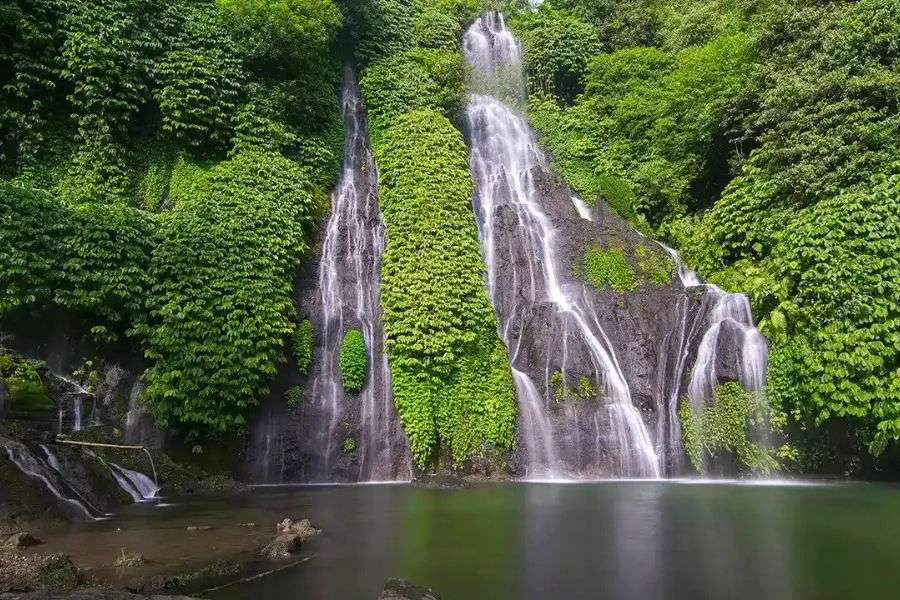
Waterfalls may appear powerful during January, but the approach can become more demanding.
Paths may include wet stone, mud, slopes and numerous steps.
A fuller waterfall does not automatically create a more suitable visit for every passenger.
Guests should confirm the walking level and accept a shorter viewpoint when the complete trail is uncomfortable.
Rice terraces
Rice terraces can appear vivid and green during the wet season.
Viewing paths and stairways may become muddy or slippery, particularly after repeated rain.
Passengers can still enjoy the landscape from an accessible viewpoint without following every lower path.

Mountain viewpoints
Kintamani, Bedugul and the Twin Lakes may experience fast-changing cloud and mist.
The view can open briefly and disappear again within the same visit.
A strong itinerary includes temples, villages or cultural experiences that remain valuable when the panorama is partly hidden.
Beach time
January remains warm enough for the coast, but beach quality depends on the specific location, wind, waves and recent weather.
A beach stop should be part of a wider route rather than the only reason for leaving the port.

Boat and marine activities
Warm air does not guarantee calm water.
Wind, rain, visibility and local operating decisions affect boat departures and water-based activities.
Passengers should confirm the activity close to arrival and keep a land-based alternative available.
Sunset plans
Cloud can reduce the likelihood of an uninterrupted January sunset.
Uluwatu and Tanah Lot retain their cultural and coastal value even when the sun is partly hidden.
The itinerary should not risk the return to the ship in pursuit of a sunset that cannot be guaranteed.
Planning a January Itinerary by Time Ashore
About four to five hours
Stay within southern Bali or Denpasar.
A short route may include the Bali Museum, Bajra Sandhi Monument, one nearby temple or a focused Uluwatu experience.
Avoid Ubud, Kintamani and Bedugul when the total available time includes only four or five hours ashore.
About six hours
A six-hour window can support Uluwatu, Denpasar, traditional villages or a limited central Bali route.
The itinerary should contain only two or three principal experiences and leave a larger return margin during persistent rain.
Seven to eight hours
A longer call creates more realistic access to Ubud, Kintamani, Bedugul or a complete North Bali route.
The day should still follow one geographical direction instead of connecting attractions on opposite sides of the island.
A private guide may reduce the final stop if disembarkation begins late or January road conditions slow the route.
How January Rain Can Affect Bali Traffic
Rain can slow traffic around Denpasar, southern resort districts and the main roads towards Ubud.
Reduced visibility and wet surfaces may also require a slower pace on mountain roads.
Local ceremonies, busy intersections and port traffic can add further travel time regardless of the weather.
Passengers should not choose attractions based only on the distance displayed on a map.
The strongest approach is to select one coherent direction:
Southern Bali: Denpasar, Nusa Dua, Tanjung Benoa and Uluwatu.
Central Bali: traditional villages, Ubud, Tegallalang and selected waterfalls.
Highlands: Kintamani, Bedugul and lake scenery.
North Bali: Lovina, Singaraja, Brahma Vihara Arama, Munduk and the Twin Lakes.
How to Read a Bali Forecast in January
Use the forecast as a planning guide rather than a fixed promise.
Check the likely timing of rain instead of looking only at the daily rain symbol.
Review the forecast for the actual excursion region, including Ubud, Kintamani or North Bali.
Look at wind and visibility when the itinerary includes a boat, cliffside viewpoint or mountain panorama.
Update the forecast shortly before the ship arrives because tropical conditions can change after the excursion is booked.
The local guide should make final route adjustments according to conditions observed on the day.
What to Wear in Bali in January
Lightweight and breathable clothing remains suitable because temperatures stay warm.
Temple visitors should cover their shoulders and knees. A sarong and sash may be required or provided at selected locations.
A compact rain layer or small umbrella is useful, while heavy waterproof clothing can feel uncomfortable in tropical humidity.
Secure footwear with a non-slip sole is recommended for wet temple steps, rice terraces and waterfall paths.
Sunscreen, sunglasses and a hat remain necessary during sunny intervals.
A light outer layer may be useful in Kintamani, Bedugul, Munduk or inside an air-conditioned vehicle.
Carry a waterproof pouch for phones, travel documents, tour confirmations and the guide’s contact details.
January Tips for Older Cruise Travellers
January can still provide a rewarding Bali port day when the route reflects mobility, wet surfaces and road time.
Ask about the number of steps, gradients and walking distance at temples, waterfalls and rice terraces before confirming the excursion.
Wet stone, moss, mud and uneven ground can make a normally moderate route more demanding.
A private air-conditioned vehicle provides somewhere dry to rest between attractions.
Passengers sensitive to motion should consider the winding roads towards Kintamani, Bedugul and Munduk.
A temple, village and accessible-viewpoint route may be more comfortable than several waterfall trails after rain.
Fewer meaningful stops generally create a better experience than attempting the maximum number of attractions.
How to Protect the Return to Your Ship
Plan the day backwards from the official all-aboard time or final tender.
Do not use the ship’s published departure time as the deadline for reaching the port entrance.
Allow a wider return margin when travelling to Ubud, Kintamani, Bedugul or the North Bali highlands.
Rain, traffic and slower walking can reduce the practical sightseeing period.
A responsible guide may shorten the final stop when disembarkation begins late or the return drive takes longer than expected.
Passengers should avoid adding an unplanned distant attraction near the end of the day.
Returning calmly and comfortably to the ship remains more important than completing every stop exactly as originally listed.
Frequently Asked Questions about Bali Weather in January
What is Bali weather like in January?
Bali weather in January is warm, humid and rainy, with tropical showers, cloudy periods and sunny intervals.
What is the temperature in Bali in January?
Historical climate information for Denpasar records average daily temperatures of approximately 24.1°C to 33°C. Highland destinations are cooler.
Is January part of Bali’s wet season?
Yes. January falls within Bali’s wet season, which generally extends between November and March.
How much rain does Bali receive in January?
Long-term Denpasar climate data records approximately 345 millimetres of January rainfall and around 27 rain days.
Does it rain all day in Bali in January?
Not on every rainy day. Rain may affect only part of the day, although longer wet periods are also possible.
Is January a good time to visit Bali?
January can still provide rewarding cultural visits, green scenery and flexible private tours. Travellers should prepare for humidity, rain and changing road conditions.
Is Bali hot in January?
Yes. Coastal and lowland Bali remains hot and tropical despite the frequent rain.
Is Ubud rainy in January?
Rain is common, and Ubud may receive different conditions from Benoa because of its inland setting and surrounding terrain.
Can cruise passengers visit Ubud in January?
Yes, when the ship provides sufficient time. The itinerary should remain selective and flexible around road conditions and wet walking surfaces.
Can passengers visit Kintamani in January?
Yes. Cloud may reduce the Mount Batur view, so the route should include cultural stops that remain rewarding when visibility changes.
Is Uluwatu suitable in January?
Uluwatu remains one of the more practical temple routes from Benoa. Passengers should prepare for exposed paths, rain and coastal wind.
Are Bali waterfalls suitable in January?
Waterfalls may appear fuller, but the access paths can become slippery and more demanding. Confirm the walking level before visiting.
Can you swim in Bali in January?
Warm temperatures may support swimming, but waves, rain, wind and local safety conditions determine if a particular beach or marine activity is suitable.
What should cruise passengers wear?
Bring breathable clothing, temple-appropriate coverage, sun protection, lightweight rain protection and secure non-slip footwear.
Is January suitable for older cruise travellers?
Yes, provided that the itinerary limits slippery paths, allows regular seated pauses and protects a realistic return margin.
How Does January Compare with November and December?
November generally marks the transition into wetter conditions, while December brings more established wet-season weather across the island.
January typically records more rainfall in Denpasar’s long-term climate table and requires the greatest flexibility around roads, outdoor paths and mountain visibility.
Travellers planning an earlier wet-season call can also read our Bali Weather in November and Bali Weather in December guides.
Plan a January Port Day beyond the Rain Symbol
Bali in January remains warm, green and culturally rewarding despite its frequent tropical rain.
The strongest port day does not depend on perfectly dry conditions. It depends on selecting one geographical direction, placing important outdoor stops during the best available period and retaining meaningful cultural alternatives.
Benoa provides access to southern and central Bali, while Celukan Bawang opens the quieter landscapes, monasteries, lakes and villages of North Bali.
Shore Excursions Asia arranges private Bali experiences with clear port meeting instructions, comfortable transport, personal pacing, no compulsory shopping and return timing planned around the ship.


 Contact Us via Messenger
 Send Inquiry