
Japan is one of the most fascinating destinations to explore by cruise, offering a remarkable combination of ancient temples, modern cities, historic castles, peaceful gardens, volcanic landscapes, and distinctive local traditions. From the famous sights of Tokyo and Kyoto to the coastal scenery of Hokkaido and the subtropical islands of Okinawa, every region presents a different side of Japan.
However, choosing the right Japan cruise season is just as important as choosing the right itinerary. Spring brings the possibility of cherry blossoms, summer offers vibrant festivals and northern landscapes, autumn is known for colorful foliage, and winter provides quieter cultural experiences in selected destinations. Seasonal conditions also affect cruise schedules, port accessibility, sightseeing comfort, and the attractions available during each stop.
At Shore Excursions Asia, we help international cruise passengers explore Japan through private and selected shared Japan shore excursions. Our itineraries are designed around actual cruise port schedules, local transportation, sightseeing priorities, and different walking preferences, helping travelers make the most of their time ashore.
Japan's cruise network includes major destinations such as Yokohama, Kobe, Osaka, Shimizu, Hiroshima, Nagasaki, Kochi, and Kagoshima, alongside smaller regional ports and the northern islands. Some ships focus on Japan's principal cultural cities, while others combine the country with South Korea, Taiwan, or a wider Asian journey. These different routes can create very different travel experiences, even during the same season.
This Japan Cruise Season Guide explains the best times to cruise Japan, the advantages of each season, popular cruise itineraries, important port and terminal considerations, and shore excursions worth exploring. Travelers with a confirmed sailing can also check our Diamond Princess shore excursions and other itinerary-based tour collections to explore available port-day experiences.
When Is the Japan Cruise Season?
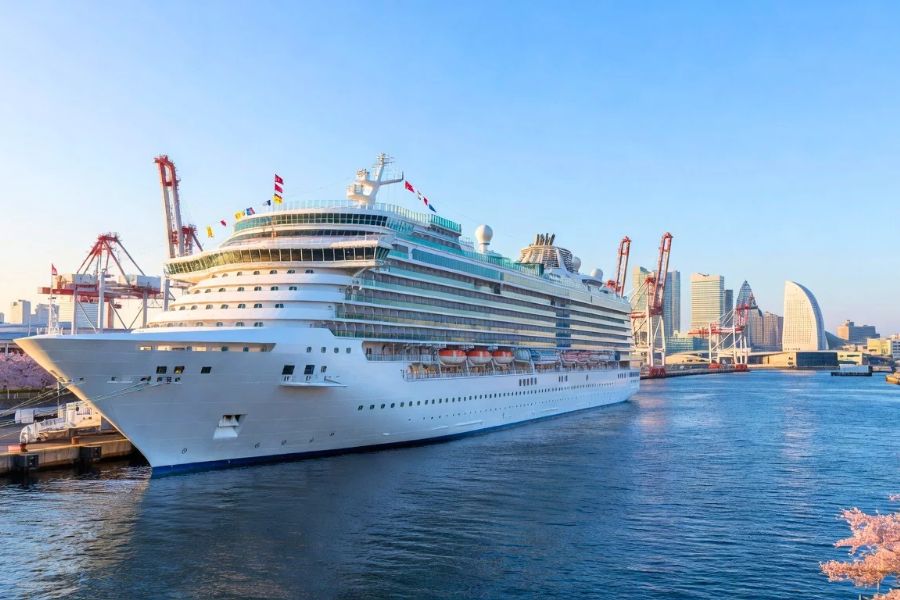
Japan does not have one fixed cruise season that applies to every cruise line, port, or region.
International cruise itineraries operate at different times of the year, with particularly attractive sightseeing opportunities during spring, summer, and autumn.
The available schedule also depends on the cruise operator and the type of voyage. Some ships spend an extended period visiting Japanese ports, while others call at Japan as part of longer itineraries connecting several Asian countries.
Spring and autumn are especially appealing for travelers interested in seasonal landscapes and comfortable cultural sightseeing.
Summer is popular for festivals, regional traditions, and journeys into northern Japan, although central and southern regions can be hot and humid.
Winter offers selected international and regional cruising opportunities, but the number and geographic distribution of voyages may be different from the warmer months.
Japan Cruise Season at a Glance
| Season | Months | Main Attractions | Important Considerations |
|---|---|---|---|
| Spring | March to May | Cherry blossoms, gardens, historic cities, mild weather | Popular travel dates, variable flowering times, crowds |
| Summer | June to August | Festivals, northern Japan, coastal landscapes, local traditions | Heat, humidity, rain, tropical cyclones |
| Autumn | September to November | Autumn foliage, cultural sightseeing, seasonal food | Regional differences in foliage timing, occasional storms |
| Winter | December to February | Selected cultural routes, winter landscapes, fewer crowds in some areas | Cold temperatures, shorter daylight, limited seasonal services |
For many first-time visitors, spring and autumn offer an appealing balance of culture, scenery, and sightseeing comfort. However, the best time to cruise Japan depends on the specific ports included in your voyage.
Best Time to Cruise Japan by Season
Japan stretches across several climate zones, so seasonal experiences vary significantly between Hokkaido, central Honshu, Kyushu, and Okinawa.
A cruise visiting northern Japan may experience very different weather and natural scenery from a voyage exploring the southern islands during the same month.
Spring Japan Cruises: Cherry Blossoms and Cultural Heritage
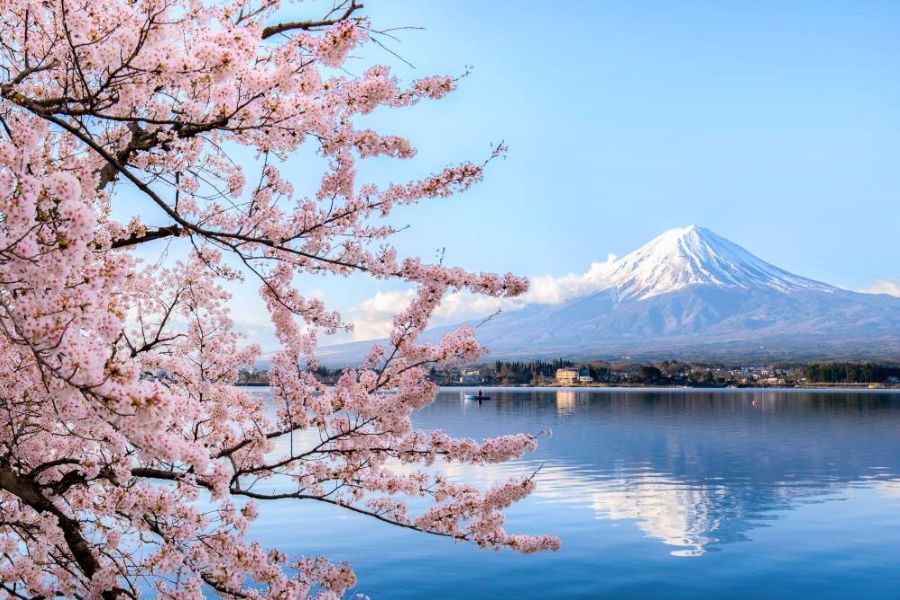
Spring is one of the most anticipated times to travel in Japan, particularly for visitors interested in cherry blossoms, gardens, historic landmarks, and traditional Japanese scenery.
Cherry blossom season generally progresses from southern and central regions toward northern Japan, although exact flowering dates change every year.
Many popular destinations around Tokyo, Kyoto, and Hiroshima experience spring blossoms during late March or April, while northern cities and Hokkaido often reach their flowering periods later.
This seasonal variation makes the cruise route especially important.
A sailing visiting Yokohama, Shimizu, Kobe, and Hiroshima in early spring can offer a different experience from a northern itinerary visiting Aomori, Hakodate, or Otaru later in the season.
Popular spring shore excursion experiences:
- Historic gardens and temples around Kyoto.
- Spring landscapes around Yokohama and Kamakura.
- Japanese gardens and scenic viewpoints near Shimizu.
- Cherry blossom attractions in selected northern Japanese cities.
- Historic neighborhoods, castles, and riverside parks.
Spring is also one of the busier periods for domestic and international travel, particularly around well-known blossom destinations.
Travelers should book popular excursions in advance and remain flexible about the exact stage of flowering.
Best for: First-time visitors, Japanese gardens, photography, cultural sightseeing, and romantic seasonal landscapes.
Summer Japan Cruises: Festivals and Northern Destinations
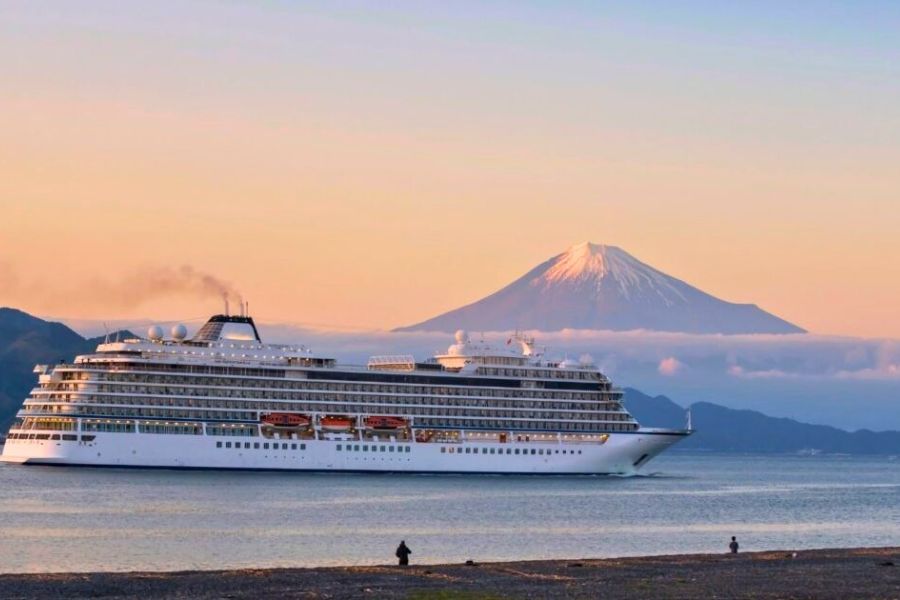
Summer offers a lively combination of traditional festivals, coastal experiences, lush landscapes, and regional culture.
During July and August, several Japanese cities celebrate famous annual festivals featuring elaborate floats, performances, parades, and traditional ceremonies.
Some cruise itineraries are designed around these events, allowing passengers to experience the atmosphere of Japan's summer festival season.
However, festival dates and accessibility should always be verified for the specific sailing.
Central and southern Japan can experience high temperatures and humidity during summer, making sightseeing more physically demanding.
Northern destinations such as Aomori, Akita, Hakodate, and Otaru may provide an appealing alternative for travelers who prefer exploring outside the busiest metropolitan areas.
Popular summer shore excursion experiences:
- Traditional festival culture in northern Japanese cities.
- Historic districts and seafood markets in Hokkaido.
- Coastal landscapes and panoramic viewpoints.
- Regional museums and cultural attractions.
- Gardens, countryside drives, and local food experiences.
Japan's rainy season generally affects many regions during late spring and early summer, while tropical cyclones can influence parts of the country later in the warmer season.
Passengers should prepare for possible itinerary adjustments and changing weather conditions.
Best for: Festival enthusiasts, repeat visitors, northern Japan, regional culture, and summer scenery.
Autumn Japan Cruises: Colorful Foliage and Comfortable Sightseeing
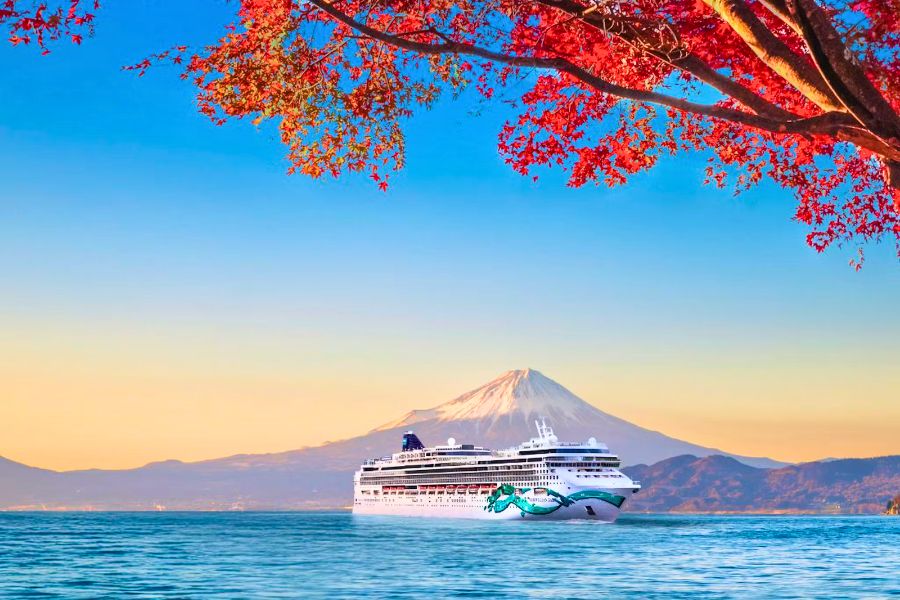
Autumn is another excellent season for cruising around Japan.
In many regions, daytime temperatures become more comfortable after the summer, while gardens, forests, mountain slopes, and historic neighborhoods gradually change color.
The timing of autumn foliage varies considerably across the country.
Northern regions and higher elevations typically begin changing earlier, while some destinations in central and southern Japan reach their most colorful period later.
For travelers interested in autumn scenery, a route through northern Japan in September or October provides a different experience from a later itinerary around Kyoto, Hiroshima, or Kyushu.
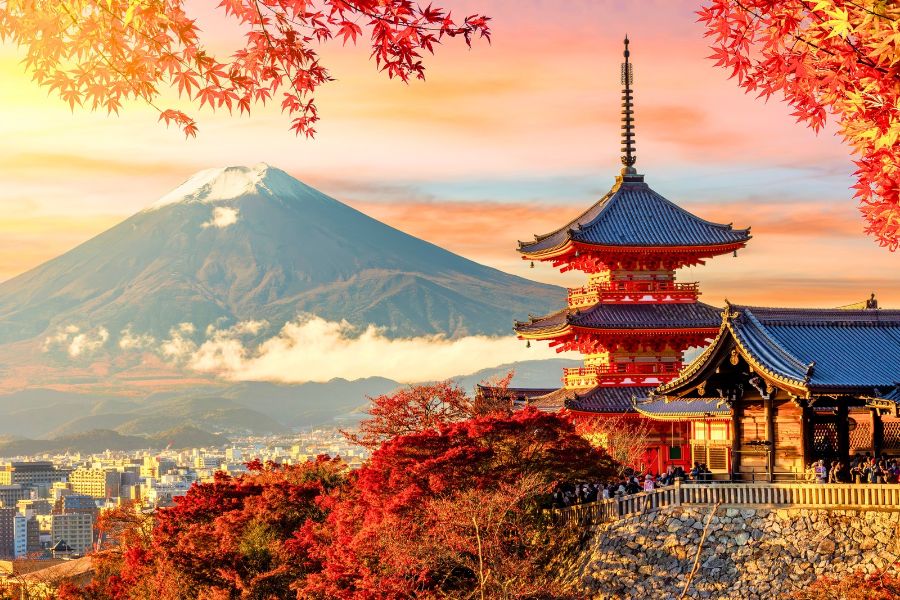
Popular autumn shore excursion experiences:
- Historic Kyoto temples surrounded by seasonal foliage.
- Japanese landscape gardens.
- Mountain and countryside viewpoints.
- Historic castle towns and traditional streets.
- Regional food, markets, and cultural sightseeing.
Weather can still be variable in early autumn, particularly in destinations affected by tropical cyclone activity.
Later autumn days may become cooler, especially in northern Japan.
Best for: Comfortable cultural sightseeing, gardens, photography, historic cities, and scenic landscapes.
Winter Japan Cruises: Cultural Cities and Seasonal Landscapes
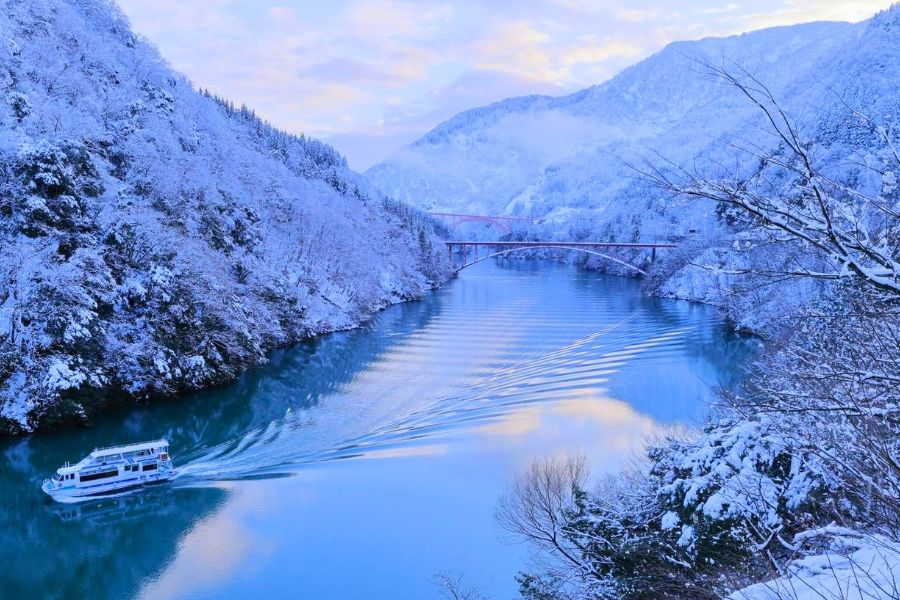
Winter cruising in Japan offers a different atmosphere from spring, summer, and autumn.
Some international cruise routes continue to include Japanese ports during the cooler months, particularly as part of broader Asian itineraries.
Winter can be attractive for exploring major cultural cities with fewer visitors at certain attractions.
However, northern Japan experiences colder temperatures and may have significant snowfall.
Mountain roads, seasonal attractions, and outdoor activities can be affected by winter weather.
Shorter daylight hours also reduce the time available for some sightseeing experiences.
Popular winter shore excursion experiences:
- Temples, shrines, and historic city landmarks.
- Museums, cultural centers, and traditional neighborhoods.
- Seasonal food and local markets.
- Selected scenic viewpoints and gardens.
- Winter landscapes where accessible and included in the sailing.
Best for: Travelers prioritizing culture, history, quieter sightseeing, and selected winter experiences over cherry blossoms or summer festivals.
Latest Japan Cruise Season Updates
Japan's cruise industry continues to develop, with international cruise operators introducing new itineraries and Japanese ports preparing for increasing passenger demand.
The updates below provide context for travelers planning future voyages. They relate to specific announcements and should be reviewed as new cruise programs and port information become available.
Japan's Cruise Port Calls Continue to Grow
According to figures published by Japan's Ministry of Land, Infrastructure, Transport and Tourism in February 2026, Japanese ports recorded 3,117 cruise ship calls during 2025.
This represented approximately 1.3 times the previous year's total.
The increase reflects the continuing recovery and expansion of cruise activity across the country.
For passengers, higher cruise activity can mean more itinerary choices, but also greater competition for local guides, transportation, and popular attraction reservations on busy port days.
Advance shore excursion planning is particularly useful when several large ships are scheduled to visit the same destination.
Princess Cruises Expands Its Japan Programs
Princess Cruises has announced expanded Japan deployments featuring Diamond Princess and Sapphire Princess.
Its published 2027 program includes 78 departures across 50 itineraries, with voyages ranging from seven to 28 days.
The company has also announced a further expansion of its Japan and broader Asia programs for 2028.
For passengers, these programs highlight the growing range of regional ports, seasonal experiences, and multi-country journeys available around Japan.
Travelers should consult the cruise line's current itinerary for the confirmed ship, date, and port sequence before arranging shore excursions.
What These Updates Mean for Shore Excursions
The expansion of Japan cruise travel creates more opportunities to explore regional destinations beyond the best-known tourist cities.
However, smaller ports may have more limited availability of English-speaking guides, suitable vehicles, and specialist services.
Early planning is particularly beneficial for private excursions, small-group departures, longer road transfers, and seasonal attractions.
For current tour arrangements, explore Japan shore excursions or consult the available sailing-specific collections.
Popular Japan Cruise Itineraries
Japan cruise itineraries vary from short regional voyages to extended routes connecting multiple Japanese islands and neighboring countries.
Rather than choosing a cruise solely by its length, travelers should consider the balance of destinations and the type of experiences available at each port.
Classic Japan Highlights
A classic Japan itinerary may combine the Tokyo metropolitan region with central and western Japanese ports.
Representative stops include Yokohama, Shimizu, Kobe, Kochi, Hiroshima, and Nagasaki.
These ports offer a strong introduction to Japanese history, temples, gardens, major cities, and coastal scenery.
For first-time visitors, this combination is appealing because each destination contributes a different aspect of Japanese culture.
Southern Japan and Kyushu
Southern routes can explore the rich history, volcanic landscapes, and distinctive traditions of Kyushu.
Potential destinations include Nagasaki, Kagoshima, Fukuoka, Beppu, and other regional ports.
Highlights range from historic international trading districts and peaceful gardens to volcanic viewpoints and hot spring landscapes.
These routes may be particularly attractive to travelers returning to Japan for a second or third visit.
Northern Japan and Hokkaido
Northern Japan itineraries often emphasize coastal landscapes, historic towns, regional festivals, and seasonal scenery.
Depending on the voyage, ports may include Aomori, Akita, Hakodate, Otaru, Kushiro, and other destinations.
Some routes also explore the Sea of Japan coast, including lesser-known ports with distinctive local heritage.
Travelers should consider the season carefully because temperature, daylight, and attraction accessibility vary substantially.
Japan and South Korea
Many Japan cruise itineraries include a stop in South Korea, particularly Busan or Jeju.
These journeys combine Japanese history and landscapes with Korean temples, markets, coastal scenery, and regional culture.
Busan is especially popular for attractions such as Gamcheon Culture Village, Haedong Yonggungsa Temple, and Jagalchi Market.
Visitors should check entry requirements for both countries before traveling.
Japan, Okinawa and Taiwan
Some cruises head south toward Okinawa, the Yaeyama Islands, and northern Taiwan.
Representative ports may include Naha, Ishigaki, and Keelung.
These itineraries combine historic Japanese traditions with subtropical scenery, Ryukyu heritage, and Taiwanese cultural attractions.
They can be particularly appealing to travelers who want a broader East Asian experience.
Extended Japan and Southeast Asia Itineraries
Longer voyages may connect Japan with Taiwan, Hong Kong, Vietnam, Thailand, Singapore, or other destinations.
They provide opportunities to experience different cultures and landscapes during one cruise.
However, a longer voyage does not necessarily mean a longer stay in every port.
Passengers should review each day's arrival and departure times before choosing long-distance shore excursions.
Comparing Japan Cruise Itinerary Types
| Itinerary | Typical Regions | Main Experience | Recommended For |
|---|---|---|---|
| Classic Japan | Central and western Honshu, selected Kyushu ports | Historic cities, temples, gardens | First-time visitors |
| Southern Japan | Kyushu and nearby regions | Volcanoes, historic ports, regional culture | Culture and scenery lovers |
| Northern Japan | Tohoku and Hokkaido | Seasonal landscapes and regional towns | Nature enthusiasts and repeat visitors |
| Japan and South Korea | Japan with Busan or Jeju | Two-country cultural experiences | International cruise travelers |
| Japan and Taiwan | Okinawa and East Asia | Island culture and subtropical scenery | Travelers seeking variety |
| Extended Asia | Japan and Southeast Asia | Multiple countries and cultural experiences | Longer-voyage passengers |
These are typical itinerary patterns, not fixed routes. Actual combinations depend on the cruise line, ship, season, and sailing date.
Best Japan Cruise Ports to Visit
Japan's ports offer an extraordinary variety of sightseeing opportunities.
Some provide direct access to waterfront attractions, while others require transportation to reach historic cities, gardens, scenic viewpoints, and cultural landmarks.
The best ports for your itinerary depend on the activities you enjoy and the amount of time available ashore.
Yokohama: Tokyo and Kamakura
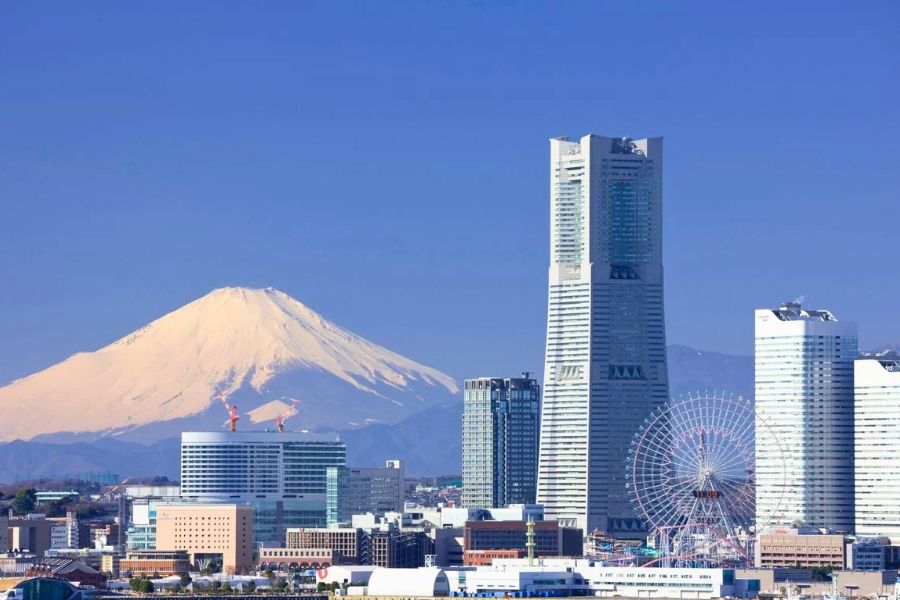
Yokohama is one of Japan's major international cruise gateways and provides access to the Tokyo metropolitan region.
Depending on the assigned cruise terminal, passengers can explore the Yokohama waterfront, visit Tokyo, or travel to the historic city of Kamakura.
Tokyo offers famous urban landmarks, gardens, shrines, and cultural districts.
Kamakura is particularly attractive for its historic temples, Great Buddha, and traditional Japanese atmosphere.
However, travelers should not assume every cruise calling at the Tokyo metropolitan region docks at the same terminal.
Best for: First-time visitors, major cities, traditional temples, and Japanese culture.
Read our Yokohama Cruise Port Guide for detailed terminal and sightseeing information.
Shimizu: Mount Fuji and Shizuoka
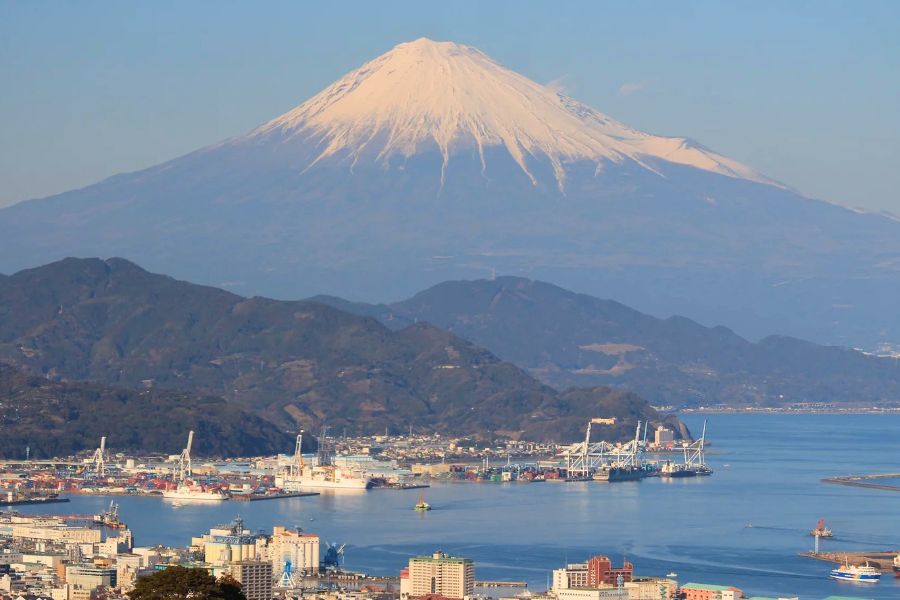
Shimizu is one of Japan's most scenic cruise destinations and a popular gateway to views of Mount Fuji.
Highlights include Nihondaira, Miho-no-Matsubara, Kunozan Toshogu Shrine, and the Shimizu waterfront.
Mount Fuji visibility depends on weather, cloud cover, and seasonal conditions.
A well-planned excursion should remain enjoyable even when the mountain is hidden by clouds.
Best for: Mount Fuji scenery, historic shrines, gardens, and coastal landscapes.
Explore our Shimizu Cruise Port Guide or available Shimizu shore excursions.
Kobe: Kyoto, Osaka or Nara
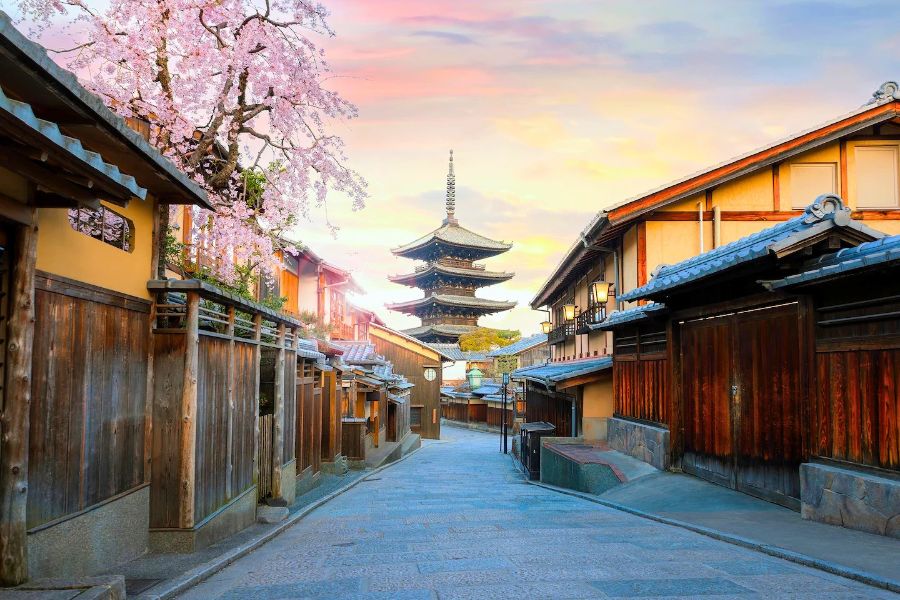
Kobe is a popular gateway to Japan's Kansai region, including Kyoto, Osaka, and Nara.
Kyoto is particularly famous for its historic temples, shrines, traditional districts, and gardens.
Osaka offers urban attractions, cultural landmarks, and lively food districts.
Nara is known for its historic temples and the deer of Nara Park.
Although all three destinations are important, visiting them together during a single port call is usually too demanding.
Travelers should select one principal destination or a carefully planned combination.
Best for: Kyoto heritage, temples, Japanese gardens, and regional culture.
Read our Kobe Cruise Port Guide or explore Kobe shore excursions.
Hiroshima: Peace Memorial Park and Miyajima
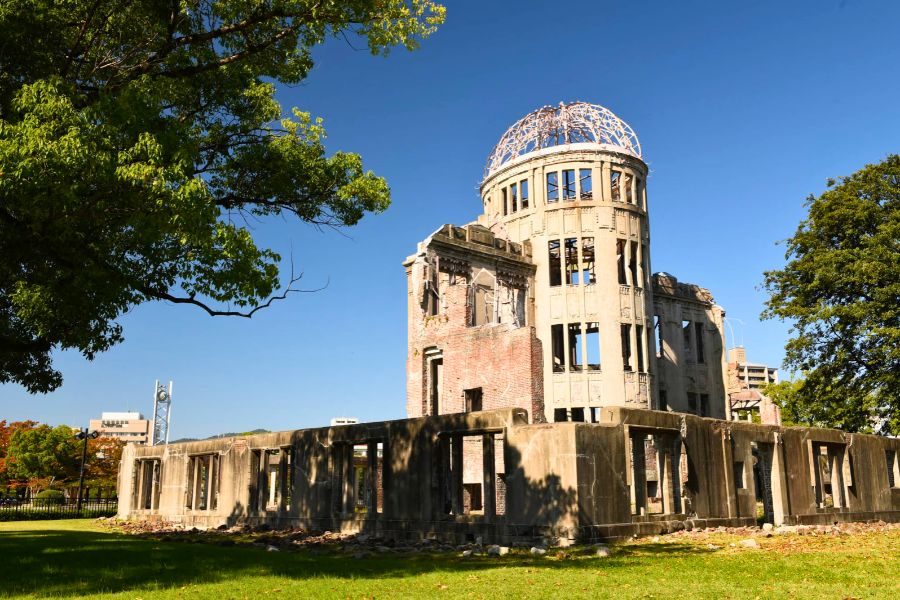
Hiroshima offers one of Japan's most meaningful historical and cultural experiences.
The city is known internationally for the Hiroshima Peace Memorial Park and its important museums and memorials.
Another major attraction is Miyajima, famous for Itsukushima Shrine and its distinctive waterfront torii gate.
Combining both areas requires careful planning because transportation and ferry arrangements affect the sightseeing window.
For shorter port calls, focusing on Hiroshima's principal landmarks may be more practical.
Best for: Modern history, cultural heritage, shrines, and island scenery.
Read our Hiroshima Cruise Port Guide or explore Hiroshima shore excursions.
Nagasaki: Historic Heritage and International Culture
Nagasaki is one of Japan's most distinctive historic port cities.
Its cultural identity reflects centuries of international exchange, religious history, trade, and the events of the twentieth century.
Popular attractions include Nagasaki Peace Park, the Atomic Bomb Museum, Glover Garden, Dejima, and selected historic religious landmarks.
The city also offers attractive harbour views and hillside neighborhoods.
Some attractions involve stairs and steep walking areas, so passengers should review the selected itinerary's walking requirements.
Best for: History, international heritage, cultural landmarks, and city sightseeing.
Explore our Nagasaki Cruise Port Guide.
Kagoshima: Sakurajima Volcano
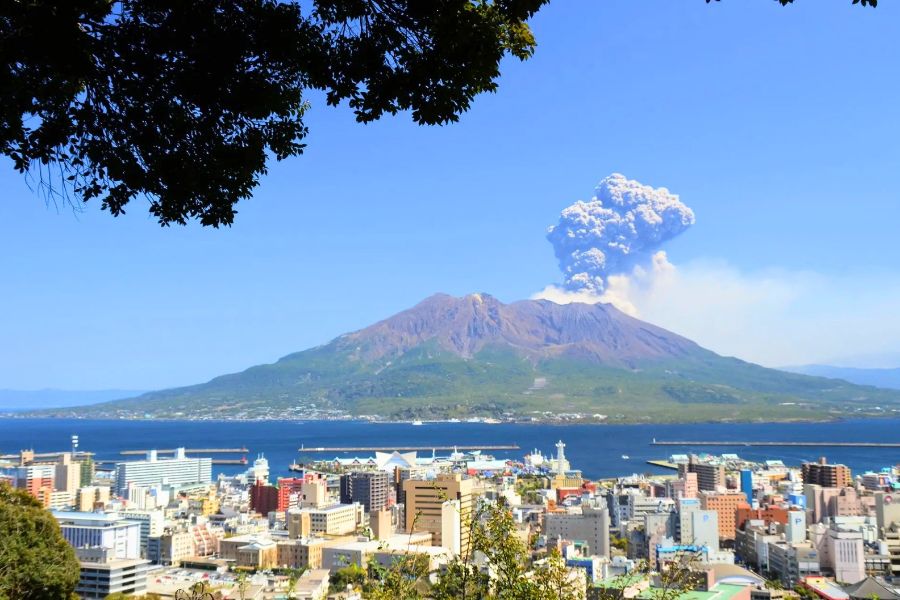
Kagoshima is famous for the dramatic Sakurajima volcano, which dominates the surrounding landscape.
Visitors can explore scenic viewpoints, historic gardens, and the cultural landmarks of southern Kyushu.
Sengan-en Garden is especially appealing for its beautiful landscape design and traditional heritage.
Some excursions include a ferry journey toward Sakurajima, while others focus on the city side of the bay.
Volcanic conditions and local restrictions should always be respected.
Best for: Volcanic landscapes, scenic viewpoints, Japanese gardens, and local history.
Read our Kagoshima Cruise Port Guide or discover the Sakurajima & Tenmonkan excursion.
Kochi: Castle Heritage and Coastal Scenery
Kochi offers a more relaxed regional experience compared with Japan's largest metropolitan destinations.
Its principal attractions include Kochi Castle, Katsurahama, Hirome Market, and other sites connected with the history of Shikoku.
Although the city offers several cultural landmarks, the cruise berth is not located directly beside the main downtown attractions.
Transportation should be arranged according to the ship's terminal and available sightseeing time.
Best for: Japanese castles, regional food, historic landmarks, and coastal scenery.
Read our Kochi Cruise Port Guide.
Otaru: Hokkaido Heritage and Scenic Streets
Otaru is a charming northern Japanese port city known for its historic canal, former warehouses, traditional streets, and glass-making heritage.
Travelers can explore central Otaru or consider a longer journey toward Sapporo or nearby regional attractions.
The best choice depends on the cruise berth, available time, and seasonal weather.
Best for: Historic architecture, Hokkaido culture, local food, and photography.
Read our Otaru Cruise Port Guide.
Naha: Okinawa and Ryukyu Culture
Naha is a principal cruise gateway to Okinawa and provides a different cultural experience from Japan's main islands.
Visitors can discover the history of the Ryukyu Kingdom, traditional pottery, local markets, gardens, and subtropical scenery.
Okinawa's culture, architecture, and cuisine are distinctive parts of the wider Japanese travel experience.
Southern island cruises can also be affected by changing marine conditions and tropical storms.
Best for: Island culture, heritage, markets, and subtropical landscapes.
Read our Naha Cruise Port Guide.
Japan Cruise Ports and Terminal Information
Understanding the actual cruise terminal is essential when planning Japan shore excursions.
A port name on an itinerary does not always describe the exact place where passengers will leave the ship.
Some cities have several passenger berths, while others use commercial facilities requiring approved transportation or a shuttle.
Major Japan Cruise Port Planning Overview
| Port | Terminal Consideration | Excursion Planning Advice |
|---|---|---|
| Yokohama | Several possible cruise facilities in the metropolitan area | Confirm berth before arranging Tokyo or Kamakura pickup |
| Shimizu | Waterfront cruise facilities near Shimizu | Arrange transport for distant viewpoints and heritage sites |
| Kobe | Different passenger and commercial berth arrangements | Choose Kyoto, Osaka or Nara based on available time |
| Hiroshima | Berth location affects transfers to city attractions | Allow adequate time for Miyajima connections |
| Nagasaki | Some berths are convenient for central sightseeing | Check walking levels for hillside attractions |
| Kagoshima | Port transfer needed for several city and volcanic attractions | Coordinate ferries and ground transportation |
| Kochi | Cruise berth outside the main downtown sightseeing area | Use arranged transport for city and coastal landmarks |
| Otaru | Berth affects access to the historic canal and onward travel | Confirm logistics before visiting Sapporo |
| Naha | Check terminal and local arrival arrangements | Plan cultural sites around the available port window |
Terminal assignments, shuttle arrangements, and port security procedures can change.
These descriptions are intended for general planning. Always follow your cruise line's current berth and disembarkation instructions.
Best Japan Shore Excursions by Travel Interest
The best shore excursion is not necessarily the tour with the most attractions.
A more rewarding day often comes from choosing experiences that match the cruise season, location, travel time, and personal interests.
For Japanese Culture and History
Consider Kyoto from Kobe, the Peace Memorial area in Hiroshima, historical landmarks in Nagasaki, or castle heritage in Kochi.
These destinations offer opportunities to understand different periods of Japanese history and local culture.
For Scenic Landscapes
Shimizu, Kagoshima, selected northern Japanese ports, and Okinawa offer distinctive landscape experiences.
Seasonal visibility, weather, and local access conditions can affect the quality of scenic viewpoints.
For Traditional Japanese Gardens
Japan has an extraordinary tradition of garden design.
Selected excursions from Kobe, Shimizu, Kagoshima, and other ports can include historic gardens and landscaped cultural sites.
Spring and autumn are popular for seasonal garden scenery, but many gardens are attractive throughout the year.
For Local Food and Markets
Visitors interested in Japanese cuisine may enjoy regional markets, food streets, and traditional shopping districts.
Examples include local culinary experiences in Kochi, Nagasaki, Otaru, and selected urban ports.
Food-focused shore excursions should include enough time for relaxed dining rather than treating meals as rushed stops.
For Active Travelers
Selected destinations offer nature walks, coastal viewpoints, mountain scenery, and other outdoor activities.
Participation requirements vary widely.
Passengers should review the walking level, terrain, weather conditions, and available time before booking.
For Senior Cruise Passengers
Senior-friendly excursions can focus on historic landmarks, cultural attractions, gardens, scenic drives, and carefully selected viewpoints.
Comfortable transportation, manageable walking distances, and flexibility for rest stops can make sightseeing significantly more enjoyable.
Private excursions can be particularly useful for groups with different mobility or pacing requirements.
Japan Cruise Shore Excursions for Senior Travelers
Japan is a rewarding destination for older cruise passengers, especially those interested in history, cultural experiences, gardens, and scenic sightseeing.
However, many traditional attractions involve walking, stairs, gravel paths, slopes, or uneven surfaces.
For example, some temple complexes have substantial grounds, while mountain viewpoints and castle sites may require climbing steps.
Choose Fewer Attractions with More Time at Each Stop
A comfortable excursion visiting two or three meaningful sites may provide a better experience than attempting to visit several distant locations.
This approach leaves time for photography, lunch, restrooms, and unexpected delays.
Consider Seasonal Comfort
During summer, high humidity and temperatures may make long walks more demanding in central and southern Japan.
In winter, northern regions may have icy surfaces, colder weather, and reduced daylight.
Spring and autumn can offer comfortable conditions, although popular destinations may be crowded.
Review Walking Level Before Booking
Ask about the total walking distance, steps, steep sections, and availability of alternative routes.
The walking level of an excursion depends on its actual attractions rather than the cruise port alone.
Consider Private Transportation
A private vehicle can reduce walking between destinations and allow more flexibility for rest breaks or changes in sightseeing priorities.
This can be especially useful for multi-generational families and travelers who prefer a slower pace.
Private vs Shared Japan Shore Excursions
Japan cruise passengers can choose between privately arranged excursions, selected shared small-group departures, and tours sold through their cruise line.
The best option depends on budget, sightseeing priorities, group size, and the desire for flexibility.
Private Shore Excursions
Private tours offer a more personalized experience, with a route designed around the group's interests and the cruise ship's schedule.
They can be suitable for families, couples, friends, and travelers who prefer a flexible walking pace.
However, the level of customization depends on the confirmed services, attraction availability, and local conditions.
Shared Small-Group Shore Excursions
Shared small-group tours allow travelers from eligible cruise sailings to join a fixed sightseeing itinerary.
They can offer an attractive balance of comfort, local expertise, and value.
However, shared departures are available only for selected ships, dates, and ports.
Passengers should check the exact tour schedule, inclusions, group size, and meeting instructions before booking.
Explore our shared small-group shore excursions for available options.
Cruise Line Shore Excursions
Cruise line excursions are arranged through the cruise operator and may provide convenient onboard booking and direct coordination with the sailing schedule.
However, group size, itinerary flexibility, and pricing vary.
Independent tours can be an appealing alternative when travelers want a different route, smaller group, or more personalized experience.
Always compare actual inclusions, meeting points, cancellation terms, and return arrangements.
How to Plan Shore Excursions for Each Japan Cruise Season
Spring: Reserve Popular Cultural Attractions Early
Cherry blossom season attracts substantial visitor interest.
Private guides, vehicles, and selected experiences may be in high demand around popular destinations.
Choose routes that remain worthwhile even if the blossoms are not at their peak.
Summer: Manage Heat and Festival Crowds
Summer excursions should account for high temperatures, humidity, and busy local events.
Consider air-conditioned transportation, shaded stops, and sufficient water breaks.
Festival-focused tours should be planned around confirmed event schedules and local traffic restrictions.
Autumn: Consider Regional Differences in Foliage
Autumn colors do not appear simultaneously throughout Japan.
Passengers should compare their cruise route with typical regional foliage periods rather than expecting the same scenery at every port.
Winter: Check Weather and Attraction Access
Winter routes may be affected by snow, icy roads, reduced daylight, and seasonal closures.
Confirm the operating status of viewpoints, gardens, and outdoor attractions before departure.
How Early Should You Book Japan Shore Excursions?
Booking lead time depends on the cruise season, port, tour type, and availability of local guides and transportation.
Major cities may offer a wider range of services, while smaller regional ports can have more limited resources.
For private excursions involving a licensed English-speaking guide, comfortable vehicle, or special attraction, early inquiries can provide more flexibility.
Selected shared small-group tours may also have limited availability because departure dates and group sizes are fixed.
Passengers should confirm their ship's itinerary before making final arrangements.
If a port call changes, contact the excursion provider as soon as possible to discuss the booking conditions and available alternatives.
Practical Japan Cruise Travel Tips
Confirm the Actual Cruise Terminal
Some destinations use multiple berths or passenger facilities.
Always verify the assigned cruise terminal before arranging pickup.
Check the Final All-Aboard Time
The ship's departure time is not the same as its final passenger boarding deadline.
Plan your return journey according to the instructions issued onboard.
Prepare for Seasonal Weather
Japan's weather varies by region and season.
Bring suitable clothing, comfortable walking shoes, sun protection, and a light waterproof layer when appropriate.
Carry Japanese Yen for Small Purchases
Credit cards are widely accepted in many destinations, but smaller shops, markets, and some local establishments may still prefer cash.
Respect Local Cultural Customs
Temples, shrines, museums, gardens, and traditional properties may have rules regarding footwear, photography, and visitor behavior.
Follow posted instructions and guidance from your local guide.
Consider Public Holidays and Festivals
National holidays and major events can lead to increased visitor numbers, altered opening hours, and traffic restrictions.
Plan around confirmed dates and allow additional transportation time when necessary.
Check Passport and Entry Requirements
Entry rules depend on nationality, passport type, and itinerary.
Multi-country Japan cruises may also involve South Korea, Taiwan, or other destinations with separate requirements.
Always confirm current official immigration conditions and cruise line instructions before departure.
Leave a Comfortable Return Buffer
Road traffic, public transport delays, attraction queues, weather, and port procedures can affect the available time ashore.
Passengers should avoid scheduling sightseeing too close to the final boarding deadline.
Frequently Asked Questions About Japan Cruise Season
What is the best month to cruise Japan?
There is no single best month for every traveler. Spring is popular for cherry blossoms, summer for festivals and northern destinations, and autumn for foliage and cultural sightseeing. The best choice depends on the ports included in the itinerary.
When does the Japan cruise season start?
Japan cruise activity is not limited to one fixed starting date. International sailings operate at different times throughout the year, with many popular itineraries scheduled around spring, summer, and autumn.
When does Japan cruise season end?
There is no universal end date. Cruise operators use different schedules, and some routes continue into the cooler months or form part of longer Asian voyages.
Is spring the best time for a Japan cruise?
Spring is an excellent choice for many travelers because of its gardens, blossoms, and generally comfortable sightseeing conditions. However, cherry blossom timing varies each year.
Can you see cherry blossoms on a Japan cruise?
Yes, selected spring itineraries offer opportunities to see cherry blossoms. Sightings depend on the region, weather, flowering period, and the specific dates of your port calls.
Are Japan cruises available in autumn?
Yes. Autumn cruises offer opportunities to discover seasonal foliage, cultural landmarks, gardens, and local traditions in different regions of Japan.
Is summer too hot for a Japan cruise?
Summer can be hot and humid in many parts of Japan, but northern itineraries and carefully planned sightseeing experiences may provide more comfortable alternatives.
Can typhoons affect Japan cruise itineraries?
Yes. Tropical cyclones can affect shipping routes and port operations during parts of the warmer season. Cruise operators may adjust itineraries when necessary for safety.
What are the most popular Japan cruise ports?
Popular destinations include Yokohama, Kobe, Osaka, Shimizu, Hiroshima, Nagasaki, Kagoshima, Kochi, Otaru, Hakodate, and Naha.
Which Japan cruise port is best for Kyoto?
Kobe and Osaka are common gateways for shore excursions to Kyoto. The most convenient option depends on the exact cruise berth and available transfer time.
Which cruise port is best for Mount Fuji?
Shimizu is one of Japan's most popular cruise gateways for Mount Fuji scenery, particularly viewpoints around Nihondaira and Miho-no-Matsubara.
Do Japan cruises visit South Korea?
Yes. Many itineraries combine Japanese ports with destinations such as Busan or Jeju in South Korea.
Are Japan cruise itineraries suitable for senior travelers?
Yes. Many ports offer cultural landmarks, gardens, scenic drives, and historic attractions suitable for relaxed sightseeing. The chosen tour's walking level and transportation arrangements are important considerations.
Can I book private shore excursions in Japan?
Yes. Private tours are available at many Japanese cruise ports and can be arranged according to sightseeing interests, the ship's schedule, and the group's requirements.
Are shared small-group Japan shore excursions available?
Yes, on selected ships, departure dates, and ports. Availability and itinerary details should be confirmed before booking.
How early should I book my Japan shore excursions?
It is advisable to inquire in advance, particularly during popular spring and autumn periods or for ports with limited guide and vehicle availability.
What happens if my cruise ship changes its port schedule?
Contact your shore excursion provider as soon as the change is confirmed. Available adjustments and cancellation arrangements depend on the booking terms and local service conditions.
Explore Japan Shore Excursions with Shore Excursions Asia
From the cherry blossoms of spring to the festivals of summer and the colorful landscapes of autumn, every Japan cruise season offers something different.
Whether exploring famous historic cities or discovering quieter regional ports, the most rewarding journeys combine an appropriate cruise itinerary with realistic and comfortable sightseeing arrangements.
At Shore Excursions Asia, we organize private and selected shared small-group shore excursions across Japan, with local guides, comfortable transportation, and itineraries planned around cruise ship schedules.
Browse our Japan shore excursions to explore destinations including Yokohama, Kobe, Shimizu, Hiroshima, Nagasaki, Kagoshima, Kochi, and other ports.
Travelers sailing on selected ships can also explore our Diamond Princess Shore Excursions & Itineraries for available port-specific experiences.
If you prefer a personalized day ashore, design your private shore excursion by sharing your cruise ship name, port of call, sailing date, preferred attractions, and comfortable walking level.
Choose the season that suits your interests, discover Japan's remarkable cruise destinations, and make every port day an unforgettable part of your journey.


 Send Inquiry